A safari is often pictured as physically demanding, early mornings, bumpy roads, long walks between camp and vehicle, but that image doesn’t have to apply to every traveler. Accessible Africa safaris are increasingly available across the continent, with more camps, vehicles, and operators now genuinely equipped to accommodate travelers with mobility needs, whether that means limited walking ability, wheelchair use, or simply a preference for a slower, more comfortable pace. This guide covers what to look for when planning accessible Africa safaris, so mobility concerns don’t have to mean missing out on the experience.
What Makes a Safari Genuinely Accessible?
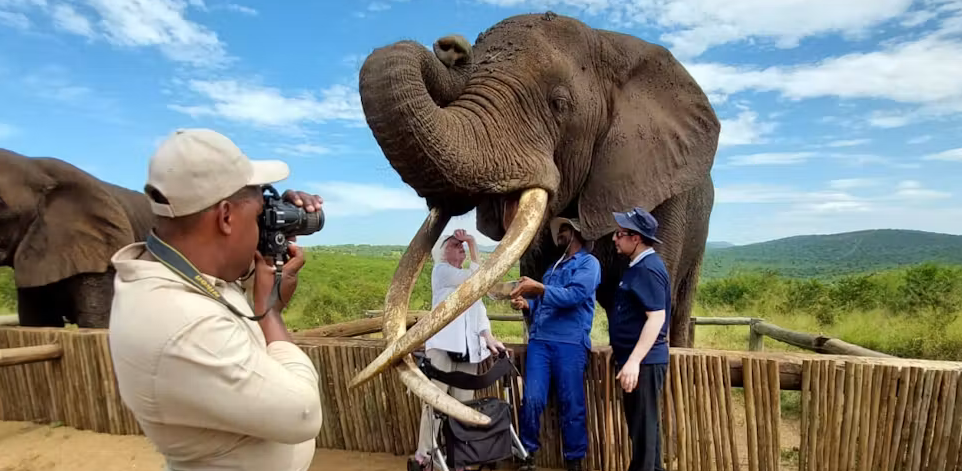
Accessibility on safari goes well beyond a single wheelchair ramp. A genuinely accessible trip considers the entire journey: airport transfers, camp layout, vehicle design, walking distances between tents and common areas, and how game drives themselves are structured. Accessible Africa safaris done well involve operators who plan every stage of the trip with mobility in mind, not just the obvious pinch points.
Choosing the Right Vehicle
Standard safari vehicles often require climbing a step or two to board, and seating can be tight for travelers with limited mobility. For accessible Africa safaris, look for:
- Vehicles with hydraulic lifts or lower step heights, increasingly available at specialist camps and operators catering specifically to accessibility needs.
- Open-sided vehicles with wider aisles, making it easier to maneuver with a cane, walker, or wheelchair transfer.
- Private vehicle bookings, which allow for a slower boarding process without holding up other guests, and give you control over drive length and rest stops.
- Guides experienced in assisting travelers with mobility needs, since a knowledgeable, patient guide makes a significant difference to how comfortable the whole experience feels.
Choosing the Right Camp or Lodge
Camp layout varies enormously, and this is often the single biggest factor in how accessible a safari actually feels day to day. When researching accessible Africa safaris, ask specifically about:
- Ground-level rooms or tents, since many camps are built on raised wooden walkways or require steps between units and common areas.
- Step-free paths between your room, the dining area, and the vehicle pickup point.
- Accessible bathroom facilities, including roll-in showers and grab bars, which remain relatively rare but are increasingly offered at specialist properties.
- Distance from the main lodge to individual rooms, since some camps spread accommodation widely across a large property, which can mean a significant walk even without environmental obstacles.
Destinations Worth Considering
South Africa
South Africa generally leads the continent in accessibility infrastructure, with several reserves offering purpose-built accessible lodges, adapted vehicles, and well-maintained, step-free pathways. Its strong tourism infrastructure overall makes it a reliable starting point for accessible Africa safaris, particularly for travelers who want a proven, well-tested option.
Kenya
Kenya’s established safari industry includes a growing number of operators experienced in accommodating mobility needs, particularly around the Maasai Mara, though it’s worth confirming specific camp accessibility directly, since standards vary significantly between properties.
Uganda
Uganda can work well for accessible Africa safaris when the itinerary is built around classic game drives in parks like Queen Elizabeth National Park, though gorilla trekking itself involves significant hiking and generally isn’t accessible for travelers with limited mobility. A relaxed, well-paced itinerary focused on vehicle-based game viewing rather than trekking tends to work best here.
Planning a Relaxed, Comfort-First Itinerary
Beyond physical accessibility, pacing matters enormously. Accessible Africa safaris work best when itineraries avoid back-to-back early starts, build in rest days, and keep drive times realistic rather than packing in the maximum number of activities. For a relaxed pace and comfort-first planning, see our senior safari Uganda example, which shows how an itinerary can be structured around comfort and a gentler pace without sacrificing the quality of the wildlife experience.
Questions to Ask Before Booking
- Does the camp have ground-level or easily accessible rooms, and how far are they from common areas and the vehicle pickup point?
- What type of vehicle will be used, and how is boarding handled for guests with limited mobility?
- Can we book a private vehicle to control pacing and rest stops?
- Is the bathroom in our room accessible, including shower access and grab bars?
- How experienced is our specific guide with assisting travelers who have mobility needs?
Asking these questions directly, rather than assuming a camp’s general marketing covers accessibility, tends to surface a much clearer picture of what to actually expect.
Travel Insurance and Medical Considerations
For any accessible Africa safari, it’s worth confirming travel insurance coverage for pre-existing mobility conditions and understanding what emergency medical evacuation coverage includes, since remote camps can be hours from the nearest hospital. The World Health Organization’s travel health guidance offers general information worth reviewing alongside specific advice from your own doctor before booking.
Final Thoughts
Accessible Africa safaris are more achievable today than many travelers realize, with a growing number of camps, vehicles, and operators genuinely equipped to accommodate mobility needs. The key is asking detailed, specific questions before booking rather than assuming accessibility, and choosing an itinerary paced around comfort rather than cramming in as much as possible. With the right planning, mobility needs don’t have to mean settling for a lesser version of the safari experience.
Planning a trip with mobility needs in mind? Get in touch with Africa Safari Tours and we’ll help build an accessible Africa safari tailored to your specific requirements and pace.