Why Rwanda Is Now One of Africa’s Premier Safari Destinations
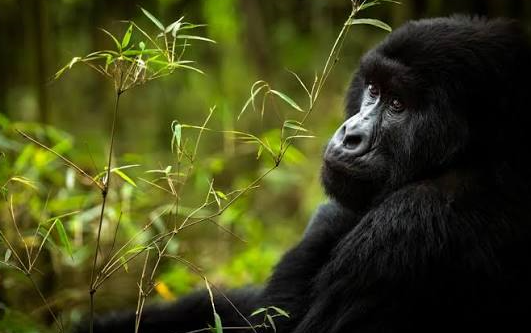
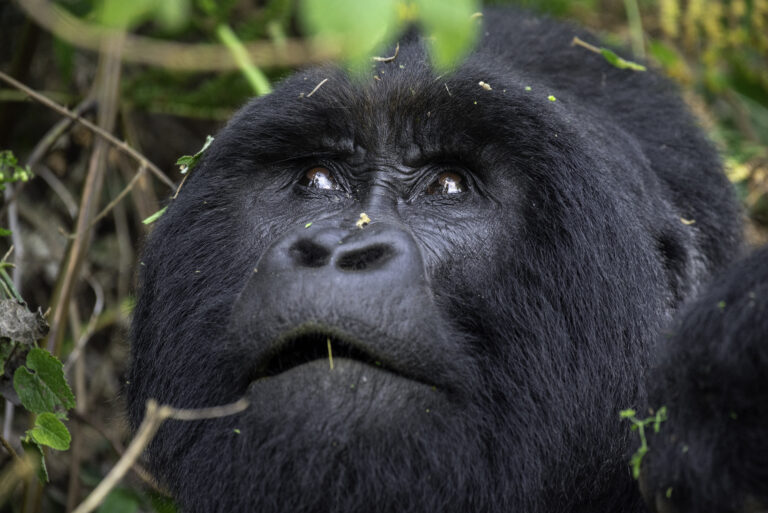
For years, Rwanda was known primarily as the home of the mountain gorilla. And that alone would be enough, gorilla trekking in Rwanda is one of the most extraordinary wildlife adventures on Earth, an intimate and transformative journey that brings you face-to-face with endangered mountain gorillas in their natural habitat.
But Rwanda has grown into something far richer. The country is compact, well-organised, and startlingly beautiful. The best safari destinations in Rwanda include Akagera National Park, Volcanoes National Park, Nyungwe Forest National Park, and Lake Kivu, four completely different ecosystems within a country roughly the size of Wales. You can experience the African savannah, ancient rainforest, volcanic highlands, and great lake scenery all in one week, without the exhausting long-haul transfers that define other multi-destination African itineraries.
Furthermore, Rwanda’s conservation story is remarkable. The mountain gorilla population has made a remarkable recovery, from just 254 individuals in 1981 to approximately 1,063 today, thanks to dedicated conservation efforts. Every gorilla trekking permit you purchase contributes directly to that ongoing story.
Rwanda is ready. The question is — are you?
Detailed Itinerary
Day 1: Arrival in Kigali: Welcome to the Land of a Thousand Hills
You land at Kigali International Airport and your driver-guide is waiting, warm smile, cold bottle of water, and an immediate sense that you are in safe and capable hands.
Kigali is the first surprise of this safari. Clean, green, organised, and buzzing with a quiet, purposeful energy, it feels unlike almost any other African capital. Plastic bags are banned. Motorcycles wear helmets. The streets are swept daily. There is genuine civic pride here, and it’s immediately infectious.
Depending on your arrival time, this afternoon includes an orientation drive through the city, past the gleaming new convention centre, the tree-lined boulevards of the Kiyovu hill, and the lively neighbourhoods of Kimironko and Remera. If you arrive early enough, consider stopping at the Kigali Genocide Memorial, a profound, carefully curated tribute to the victims of the 1994 genocide. It is a difficult but deeply important visit that contextualises Rwanda’s extraordinary journey of healing, reconciliation, and transformation. Many travellers say it gave their entire trip new depth.
This evening, dinner at your hotel, early to bed. Tomorrow, Akagera beckons.
Accommodation: Hotel des Mille Collines, Lemigo Hotel, or similar in Kigali
Meals: Dinner
Day 2: Kigali to Akagera National Park: Big Five Country Begins
After breakfast, your guide loads the 4×4 and you set off east toward Akagera National Park, Rwanda’s only Big Five savanna reserve, roughly 2.5 hours from Kigali through the rolling, endlessly photogenic countryside.
Akagera is a revelation to visitors who think of Rwanda purely as gorilla territory. The park covers over 1,100 square kilometres of classic East African savannah — open grasslands, acacia woodlands, papyrus swamps, and a chain of shimmering lakes stretching south along the Tanzanian border. It is, in a word, spectacular.
You arrive in time for lunch, check into your lodge, and by mid-afternoon you’re out on your first game drive. Early drives in Akagera offer sightings of lions, leopards, elephants, buffaloes, zebras, Masai giraffes, baboons, impalas, hippos, and gazelles. The park’s recent conservation success is remarkable, lions were reintroduced in 2015 and have thrived, and black rhinos were successfully reintroduced as part of a landmark conservation programme.
In the late afternoon, board a boat on Lake Ihema for a sunset cruise. The boat cruise is a spectacular opportunity to spot large pods of hippos, Nile crocodiles basking on the shores, and a stunning variety of water birds, from cormorants and fish eagles to the iconic African darter.
Return to the lodge as the sky turns orange over the papyrus swamps. This is exactly what you came to Africa for.
Accommodation: Akagera Game Lodge or Ruzizi Tented Lodge
Meals: Breakfast, Lunch, Dinner
Day 3: Full Day in Akagera: Predators, Plains, and a Birder’s Paradise
Wake early. The best game viewing happens at dawn, when the light is golden and the predators are still active.
Today is a full day in Akagera, morning and afternoon game drives, with a picnic lunch in the field. Your guide knows where to look: the kopjes in the north where lions rest in the shade, the grassy plains where cheetahs scan for prey, the lakeside thickets where leopards drag their kills into the trees.
Akagera National Park is the biggest in Rwanda, with beautiful scenery and landscape. It has varied habitats for wildlife and is a birder’s haven with over 500 species in the park. For photographers, this day offers extraordinary opportunities, vast open skies, dramatic light, and wildlife encounters without the crowds of more famous East African parks.
In the afternoon, consider a night game drive as the sun goes down. Akagera’s nocturnal residents, civets, genets, bushbabies, and the occasional aardvark — emerge after dark, and the experience of moving through the darkened bush is thrilling and unlike anything a daytime drive can offer.
Accommodation: Akagera Game Lodge or Ruzizi Tented Lodge Meals: Breakfast, Lunch, Dinner
Day 4: Akagera to Nyungwe Forest: Crossing Rwanda’s Wild Heart
Today you drive from east to south, one of the most scenic road journeys in Africa. The route takes you across the centre of Rwanda, through the towns of Kigali and Huye, and down into the deep southwest where the highlands rise above the lake and the forest begins.
En route, stop in Huye (formerly Butare) to visit the Ethnographic Museum of Rwanda, one of the finest museums in Central Africa, with an extraordinary collection of traditional artefacts, royal regalia, and cultural history that brings Rwanda’s pre-colonial heritage vividly to life.
You arrive at Nyungwe Forest National Park in the late afternoon. Nyungwe Forest National Park is famous for chimpanzee trekking, canopy walks, and rich biodiversity. One of Africa’s oldest and largest montane rainforests, it covers over 1,000 square kilometres and harbours a breathtaking density of life: 13 primate species, over 310 bird species, 140 orchid varieties, and trees that were ancient when the first humans walked this continent.
Check into your lodge on the forest’s edge. The sound outside your window is pure, unfiltered Africa, frogs, nightjars, wind in the canopy. Sleep deeply.
Accommodation: Nyungwe Top View Hotel or similar mid-range forest lodge Meals: Breakfast, Lunch, Dinner
Day 5: Nyungwe Forest: Chimpanzee Trekking and the Canopy Walk
This is the day that surprises many travellers almost as much as the gorillas.
You’re at the Uwinka Visitor Centre by 5:30am for your briefing. Your guide divides the group and leads you into the forest on the trail of habituated chimpanzees. Nyungwe Forest is one of Africa’s most expansive montane forests and home to over 500 chimpanzees and 13 primate species. Unlike gorillas, chimpanzees move fast and noisily through the trees, tracking them involves jogging, ducking under branches, and following the sound of crashing canopy until you find the troop. The noise is extraordinary. The energy is electric.
When you find them, you watch enthralled as they feed, groom, display, and interact, all just metres away, entirely uninterested in your presence. Their intelligence is unmistakable. Their resemblance to us is unsettling in the best possible way.
After returning for lunch, the afternoon brings the canopy walk, a suspended walkway 50 metres above the forest floor, stretching over 200 metres across the treetops. The canopy walk gives you a fresh perspective and magical sightings of the forest, with different primate species such as the black and white colobus and mountain monkeys visible during the walk. For photographers, the light filtering through the canopy from above is extraordinary. Look down and you’ll see the forest floor far below; look up and the layers of vegetation seem to go on forever.
Accommodation: Nyungwe Top View Hotel or similar
Meals: Breakfast, Lunch, Dinner
Day 6: Lake Kivu & Transfer to Volcanoes National Park: The Road Through Rwanda
After breakfast, you descend from the forest to the shores of Lake Kivu, one of Africa’s Great Rift Valley lakes, stretching south along the Congolese border. The contrast after five days in savannah and forest is striking: clear blue water, fishing villages, beach cafés, lush islands, and the distant silhouette of Congolese volcanoes on the far shore.
Spend the morning relaxing. Swim in the lake, take a boat ride among the islands, sip a locally grown Rwandan coffee watching the fishermen bring in their catch. This is the breath between movements in the symphony of your safari.
After lunch, the final long drive north begins, through the thousand hills, the tea and pyrethrum plantations, the market towns and school runs that paint Rwanda’s roads with daily life. You arrive at your lodge near Volcanoes National Park as evening falls, the dark volcanic peaks silhouetted against the last light. Tomorrow morning, those peaks will swallow you whole.
Accommodation: Mid-range or luxury lodge, Volcanoes National Park area (Musanze/Kinigi)
Meals: Breakfast, Lunch, Dinner
Day 7: Gorilla Trekking in Volcanoes National Park
You’re awake before dawn. Breakfast is quick and energised. By 7:00am you’re at the Volcanoes National Park headquarters in Kinigi, gathered with other trekkers for the pre-trek briefing. Rangers allocate your group of eight a habituated gorilla family. Some groups are assigned the more accessible families lower on the volcano; others trek higher, deeper, longer. Either way, the encounter at the end is identical: beyond anything you’ve been told to expect.
You enter the forest. The vegetation closes around you, bamboo, hagenia trees, giant lobelia, stinging nettles as tall as a person. Your guide and accompanying rangers move with silent expertise, following the trail left by the gorillas the previous day. Trackers who have been out since before dawn radio back guidance.
And then, it happens. Your guide stops. You stop. Ten metres ahead, sitting in a pool of dappled light, is a silverback gorilla. He is enormous, calm. turns his ancient, amber eyes toward you, regards you for a moment with what can only be described as mild curiosity, and returns to his breakfast.
Around him: females nursing infants. Juveniles tumbling through the undergrowth. A young male drumming his chest. An elderly female peering at you with what looks remarkably like amusement.
Your hour with the gorillas is simultaneously the fastest and the slowest sixty minutes of your life. You forget to take photos.
Back at the park gate, your guide hands you your trekking certificate. You look at it. You look at each other. Nobody quite knows what to say.
This evening, a farewell dinner at your lodge. Tomorrow morning, the drive back to Kigali for your departure flight, leaving Rwanda quieter than you arrived, and carrying something you didn’t pack.
Accommodation: Mid-range or luxury lodge, Volcanoes National Park
Meals: Breakfast, Lunch, Dinner
Gorilla Permit: USD $1,500 per person (2026 rate, foreign non-residents)
Best Time to Visit Rwanda
Rwanda is a year-round destination. The best time to see gorillas in Rwanda is during the dry seasons from December to February and June to September, when trekking conditions are ideal. June through September is peak season, trails are drier, skies are clearer, and wildlife viewing in Akagera is at its best as water sources concentrate animals.
The rainy seasons (March to May and October to November) bring lush, emerald-green landscapes, fewer tourists, and lower lodge rates. Gorilla sightings remain virtually guaranteed year-round, the gorillas don’t go anywhere
Gorilla Trekking Permit Information
The current price for a Rwanda gorilla permit is $1,500 for international visitors, which supports conservation efforts. Each gorilla family is visited by a maximum of eight trekkers per day. Minimum age is 15 years. Rules are strictly enforced: maintain a 7-metre distance from the gorillas, no flash photography, no eating near the animals, and if you are ill, particularly with a cold or flu, you must forfeit your permit to protect the gorillas.
Permits are in high demand and often sell out over a year in advance during peak months, so early booking is essential. Africa Safari Tours secures your permit as part of the booking process,do not attempt to book independently and risk missing out.
What to Pack for a Rwanda Safari
- Waterproof hiking boots with ankle support (essential for forest trekking)
- Long-sleeved shirts and trousers in neutral colours (for forest treks and game drives)
- Lightweight rain jacket — Rwanda is the Land of a Thousand Showers as much as a thousand hills
- Warm fleece or mid-layer (early mornings in Volcanoes National Park are cold at altitude)
- Garden gloves for gripping vegetation during steep gorilla treks
- Insect repellent with DEET
- High-quality sunscreen
- Binoculars
- Camera with zoom lens and extra memory cards (no flash in the gorilla forest)
- Personal medications plus a small first aid kit
- Reusable water bottle, Rwanda’s tap water is safe in most hotels
Note: Rwanda bans single-use plastic bags. Pack reusable bags for shopping and leave plastic packaging behind at your departure airport.
Health and Safety
- Yellow Fever: Required if arriving from a yellow fever endemic country. Carry your original certificate.
- Malaria: Rwanda is a malaria zone. Consult your doctor about antimalarial prophylaxis at least six weeks before travel.
- Altitude: Volcanoes National Park sits above 2,400 metres. Pace yourself during the gorilla trek, stay hydrated, and don’t push through dizziness.
- Gorilla Health Rule: If you show symptoms of illness, particularly cold or flu, before your trek day, you must inform your guide and will be unable to trek. This rule is absolute and exists to protect the gorillas, who share approximately 98% of human DNA and are highly susceptible to human respiratory diseases.
- Travel Insurance: Comprehensive travel insurance including emergency medical evacuation is strongly recommended.