Gorilla Trekking in Uganda: How to Join a Trekking Group
Gorilla trekking in Uganda is one of the most rewarding wildlife experiences on earth. Few moments compare to locking eyes with a wild mountain gorilla in its natural home. However, many travelers wonder how trekking groups actually work. This guide explains everything you need to know before you go. We will cover where to trek, how groups are formed, and what to pack. By the end, you will feel ready to book your own adventure. For tailored itineraries, check our Uganda safari packages before you continue reading.
What Is Gorilla Trekking in Uganda?
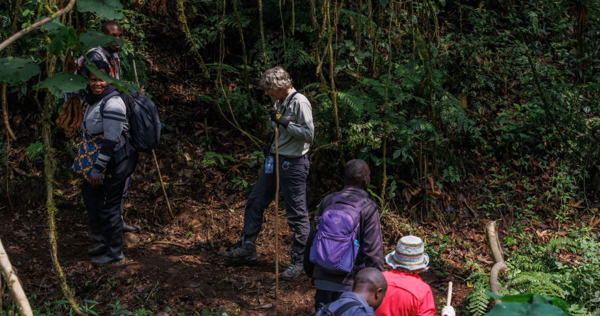
Gorilla trekking in Uganda involves hiking through dense forest to find a habituated gorilla family. Rangers lead small groups along forest trails each morning. Therefore, every trek feels different depending on the terrain and weather. Some hikes last just thirty minutes. Others stretch across several hours of steep, muddy slopes. Either way, the reward is the same: an hour spent watching gorillas in the wild.
Uganda is home to roughly half of the world’s remaining mountain gorillas. As a result, it has become a top destination for primate lovers. Two parks host trekking activities: Bwindi Impenetrable National Park and Mgahinga Gorilla National Park. Both offer incredible biodiversity alongside the gorillas themselves.
Where to Go Gorilla Trekking in Uganda
Bwindi Impenetrable National Park is the most popular choice. It shelters multiple habituated gorilla families across four trekking sectors. Meanwhile, Mgahinga sits in Uganda’s southwest corner, near the borders of Rwanda and the Democratic Republic of Congo. It offers a quieter experience with fewer crowds.
You can read more about the park’s ecosystem on the Uganda Wildlife Authority website. Additionally, our guide to the Bwindi Impenetrable National Park safaris breaks down each trekking sector in detail. Choosing the right sector matters. Some sectors involve steeper hikes, while others are more accessible for older travelers or families.
How to Join a Gorilla Trekking Group in Uganda
Joining a gorilla trekking group in Uganda starts with securing a permit. Each permit assigns you to a specific gorilla family and sector. Consequently, you cannot simply show up and join any random group on the day. Tour operators, like Africa Safari Tours, handle this process for you.
Here is how it typically works. First, you choose your travel dates. Next, your operator books a gorilla permit on your behalf. Then, you are placed into a group of up to eight people. Finally, you arrive at the park headquarters early in the morning for briefing.
Rangers divide visitors into smaller teams before the trek begins. Each team is matched to one gorilla family. This system protects the gorillas from overcrowding. It also ensures every visitor gets a meaningful, close encounter. If you are traveling solo, do not worry. Most groups include travelers from different countries who quickly bond over the shared adventure.
What Happens on Trekking Day
Trekking day begins early, usually around seven in the morning. Visitors gather at the park office for a briefing on safety and etiquette. Rangers explain rules such as keeping a safe distance and lowering your voice near the gorillas. Afterward, your group sets off with an armed ranger and a guide.
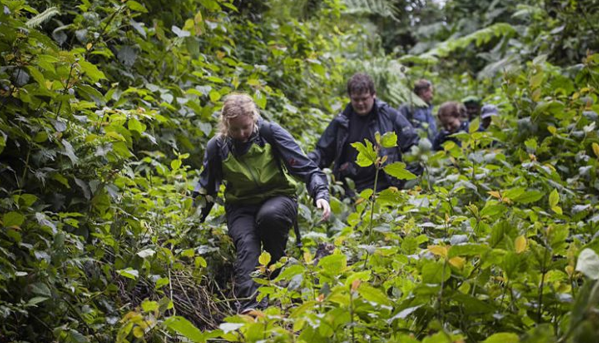
The hike itself varies in difficulty. Some trails wind through gentle hills. Others climb steep, slippery ridges covered in thick vegetation. Trackers often head out ahead of the main group to locate the gorilla family. This helps reduce search time once trekking begins.
Once you find the gorillas, you get one full hour with them. This hour is strictly enforced to limit stress on the animals. Many visitors describe it as the fastest hour of their lives. You can photograph the gorillas, observe their behavior, and even watch playful youngsters tumble through the undergrowth.
Best Time for Gorilla Trekking in Uganda
The dry seasons, from June to September and December to February, offer the best trekking conditions. Trails are less muddy, and hiking is generally easier. However, gorilla trekking happens year-round, since the rainforest stays green throughout the year. Therefore, even rainy-season treks can be rewarding for flexible travelers.
For a full seasonal breakdown, visit our page on the best time to visit Uganda. It outlines weather patterns, wildlife movement, and crowd levels month by month.
Gorilla Permits and Costs
A gorilla permit in Uganda currently costs around seven hundred dollars per person. This fee funds conservation programs and supports local communities living near the parks. Permits for Rwanda cost significantly more, which makes Uganda an attractive, budget-friendly alternative.
Permits sell out quickly during peak months. Consequently, booking several months in advance is strongly recommended. Our team can help you secure permits alongside a full itinerary through our Uganda gorilla permits service. This removes the stress of navigating the booking process alone.
Physical Fitness and Trekking Difficulty
Gorilla trekking in Uganda demands a reasonable level of fitness. Trails can be steep, slippery, and unpredictable. That said, porters are available to carry bags and assist with balance. Hiring a porter also supports the local economy, so it is worth considering even if you feel fit enough to manage alone.
If you are concerned about difficulty, mention this when booking. Operators can sometimes assign trekkers to gorilla families located closer to the trailhead. This reduces walking time significantly. On the other hand, adventurous hikers can request more remote families for a deeper forest experience.
What to Pack for the Trek
Packing correctly makes a noticeable difference in comfort. Waterproof hiking boots are essential, since trails are often muddy. Gardening gloves help protect your hands from stinging nettles and thorny vines. A waterproof jacket is also wise, even during the dry season, as mountain weather changes quickly.
Long sleeves and trousers protect your skin from insects and plants. Additionally, bring drinking water, energy snacks, and a basic first aid kit. A good camera with a zoom lens will help you capture close-up shots without disturbing the gorillas.
Conservation and Community Impact
Every gorilla trekking group in Uganda contributes directly to conservation. Permit fees fund anti-poaching patrols, veterinary care, and habitat protection. Organizations such as Gorilla Doctors work alongside park authorities to monitor gorilla health across the region.
Local communities also benefit from tourism revenue. Many villages near Bwindi run craft markets, cultural performances, and homestays. Therefore, choosing to trek responsibly supports both wildlife and people. Travelers who want to deepen this connection can add a community visit to their itinerary.
Rules and Etiquette During the Trek
Respecting park rules keeps both visitors and gorillas safe. Rangers ask trekkers to maintain a distance of at least seven meters. This rule protects gorillas from human diseases, since they share much of our genetic makeup. Coughing or sneezing should be done away from the group, ideally into a sleeve.
Loud noises and sudden movements are discouraged. Gorillas are generally calm, but sudden startling can trigger defensive behavior. Guides will signal when it is safe to take photos or move closer. Listening carefully to your guide ensures a smooth, respectful encounter.
Combining Gorilla Trekking With Other Activities
Many travelers combine gorilla trekking in Uganda with other safari activities. Queen Elizabeth National Park, just a few hours away, offers boat cruises and big game drives. Meanwhile, Lake Mutanda near Mgahinga provides a relaxing stop for canoeing and scenic views.
This flexibility makes Uganda an excellent all-in-one safari destination. You can spend your mornings tracking gorillas and your afternoons relaxing by a lake. For full multi-day itinerary ideas, browse our Uganda safari packages page again, since it includes several gorilla-trekking combination tours.
Final Thoughts on Joining a Gorilla Trekking Group
Joining a gorilla trekking group in Uganda is simpler than most people expect. Once your permit is secured, rangers and guides handle the rest. The hike may be challenging, but the payoff is unforgettable. Standing meters away from a wild gorilla family is an experience few destinations can match.
If you are ready to plan your trip, our team can guide you through every step. From permits to accommodation, we handle the logistics so you can focus on the adventure. Contact us today to start planning your gorilla trekking experience in Uganda.