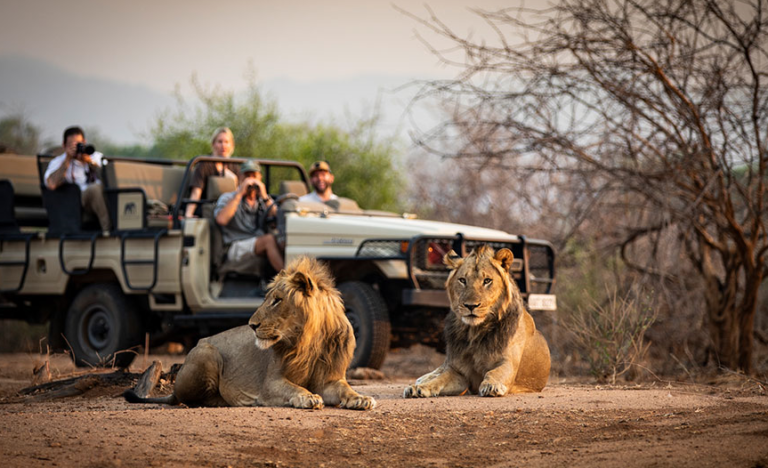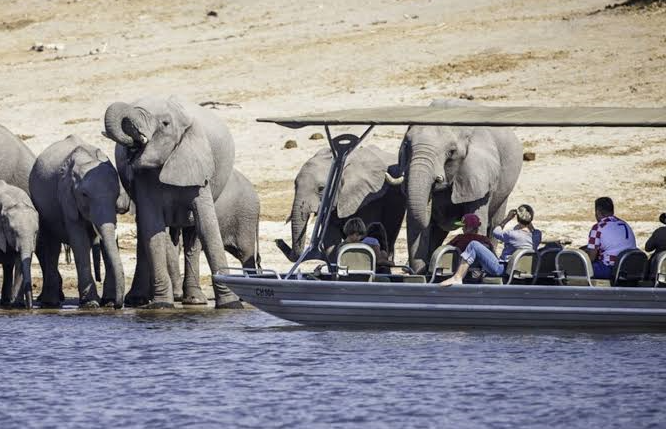
A game drive is usually a shared experience, sharing a vehicle with other travelers, sharing a sighting with other vehicles, and sharing the guide’s attention across everyone in the group. Good Africa safari etiquette makes all of that run smoothly, while a few common mistakes can quietly sour an otherwise incredible wildlife encounter for everyone involved. Most of these rules aren’t complicated, they’re really just thoughtfulness applied to a fairly specific setting, but it helps to know them before you’re sitting in a vehicle at dawn, binoculars in hand. This guide covers the essential dos and don’ts of Africa safari etiquette on game drives.
Why Africa Safari Etiquette Matters
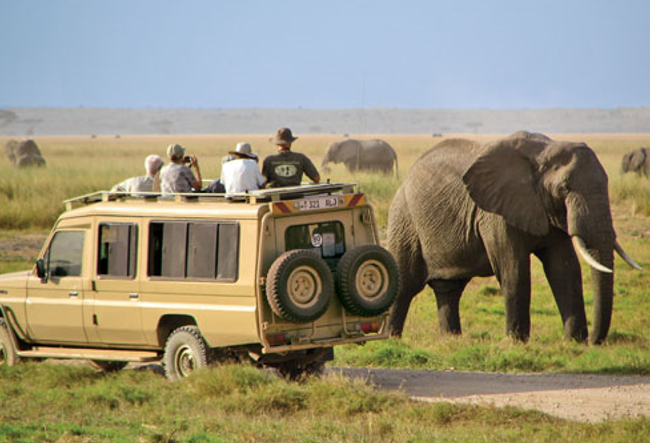
Good Africa safari etiquette isn’t just about being polite, it directly affects the quality of everyone’s experience, including the wildlife being observed. A loud vehicle, a passenger standing up at the wrong moment, or a group monopolizing the best viewing angle can disrupt a sighting for other guests and, in some cases, stress the animal itself. Following basic etiquette keeps game drives enjoyable, respectful, and genuinely rewarding for the whole vehicle.
Do: Follow Your Guide’s Instructions Without Exception
Your guide knows the terrain, the animals, and the specific behaviors to watch for far better than any guest does, and their instructions, particularly around noise, movement, and distance, exist for safety as much as etiquette. If a guide asks for quiet or tells the vehicle to hold position, that’s not a suggestion.
Don’t: Stand Up or Move Suddenly During a Sighting
Sudden movement can startle wildlife and, during a predator sighting, can interrupt a hunt or cause an animal to flee the area entirely, ending the sighting for everyone. Keep movements slow and deliberate, and avoid standing up in an open vehicle unless your guide specifically says it’s safe to do so.
Do: Share the Best Viewing Spots
On a shared vehicle, it’s tempting to claim the best window seat and stay there for the entire drive, but good Africa safari etiquette means rotating positions so everyone gets a fair turn at the prime viewing angles, particularly during a significant sighting like a leopard in a tree or a pride feeding on a kill.
Don’t: Talk Loudly or Play Music
Wildlife is sensitive to noise, and loud conversation or music can scare off animals before your guide even has a chance to point them out. Keep conversation low during active tracking, and save music and phone calls for the drive back to camp rather than during the drive itself.
Do: Be Patient During Slow Stretches
Not every game drive delivers back-to-back sightings, and that’s a normal part of safari, not a failure on your guide’s part. Good Africa safari etiquette includes staying patient and positive during quieter stretches, trusting your guide’s tracking instincts rather than pressuring them to rush toward a specific animal.
Don’t: Pressure Your Guide to Break Park Rules
It can be tempting to ask a guide to drive off-road for a better photo angle, or push for extra time at a sighting past what’s permitted, but doing so puts guides in a difficult position and undermines the conservation rules that protect both wildlife and the long-term sustainability of the park. Respecting those boundaries is one of the most important parts of Africa safari etiquette.
Do: Dress and Pack Appropriately
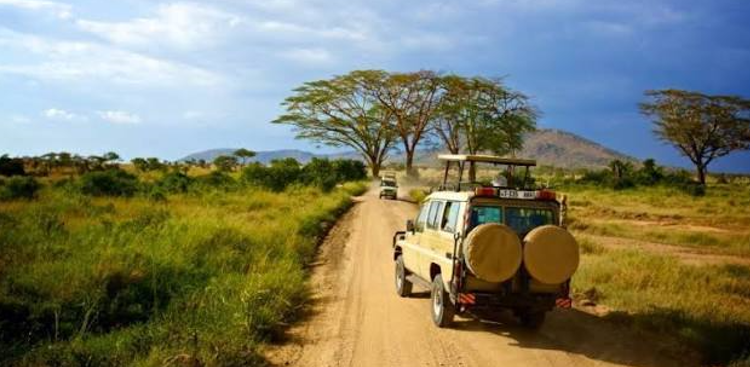
Neutral-colored clothing (avoiding bright colors or stark white, which can stand out to wildlife) and minimal noise-making gear, like rustling plastic bags, reflect basic Africa safari etiquette and help keep the vehicle and its surroundings as low-impact as possible.
Don’t: Dominate the Guide’s Attention
On a shared vehicle, it’s easy for one particularly enthusiastic guest to monopolize the guide’s attention with constant questions or requests. Be mindful of sharing conversation time, especially during a significant sighting other guests are trying to focus on.
Seeing Good Etiquette in Practice
The best way to understand how shared-vehicle etiquette actually works day to day is to see how an experienced operator structures it. See how guides run a shared vehicle on our Group Game Drive Safaris in Uganda itineraries, which show how pacing, viewing rotation, and guide communication come together across a multi-day group trip.
A Quick Etiquette Checklist Before Your Drive
- Follow your guide’s instructions on noise, movement, and distance without exception.
- Keep voices low, especially during active tracking or a sighting.
- Rotate seating and viewing positions fairly across the vehicle.
- Be patient during slow stretches, and trust your guide’s tracking instincts.
- Never pressure a guide to break park rules for a better photo or longer sighting.
- Dress in neutral colors and avoid noisy gear or loose plastic bags.
For general guidance on responsible and respectful travel behavior across protected wildlife areas, the World Tourism Organization publishes broader frameworks worth reviewing alongside destination-specific etiquette.
Final Thoughts
Good Africa safari etiquette comes down to a fairly simple principle: be considerate of your guide, your fellow travelers, and the wildlife itself. Most of it is intuitive once you think it through, quiet during sightings, patience during quiet stretches, and trust in your guide’s expertise, but knowing the specifics beforehand means you can spend less time worrying about doing the right thing and more time actually enjoying the drive.
Planning a group safari and want to know what to expect? Get in touch with Africa Safari Tours and we’ll walk you through exactly how our game drives are structured for a smooth, respectful shared experience.