“How soon is too soon?” is rarely the question safari travelers ask themselves, it’s almost always the opposite: “Did I wait too long?” If you’re trying to work out when to book an Africa safari in advance, the honest answer is earlier than most people expect, particularly if your trip involves gorilla trekking permits, peak-season travel, or a specific, high-demand camp. This guide breaks down realistic booking timelines by trip type, so you can lock in the right dates without scrambling or missing out entirely.
The Short Answer
As a general rule, aim to book an Africa safari in advance by 6 to 12 months for peak-season travel, and 9 to 12 months or more if gorilla trekking, a specific luxury camp, or a major event like the wildebeest migration river crossings is part of your plan. Shoulder-season or more flexible trips can sometimes be booked 3 to 6 months out, but earlier is almost always safer than later.
Why Timing Matters So Much on Safari
Unlike many types of travel, safaris involve several genuinely limited resources: a fixed number of daily gorilla or chimpanzee trekking permits, a capped number of beds at small, exclusive camps, and seasonal demand spikes tied to specific wildlife events. Once these fill up, they’re simply unavailable, no amount of extra budget changes that. This is the core reason it pays to book an Africa safari in advance rather than treating it like a flexible, last-minute trip.
Gorilla and Chimpanzee Trekking Permits
If your itinerary includes gorilla trekking in Uganda or Rwanda, this is usually the single biggest constraint on your timeline. Uganda and Rwanda both issue a strictly limited number of permits per day, and during peak season (June to September and December to February), these routinely sell out 6 to 9 months ahead, sometimes earlier for popular dates around holidays. If gorilla trekking is a priority, book an Africa safari in advance specifically around confirmed permit availability, and build the rest of your itinerary around those secured dates rather than the other way around.
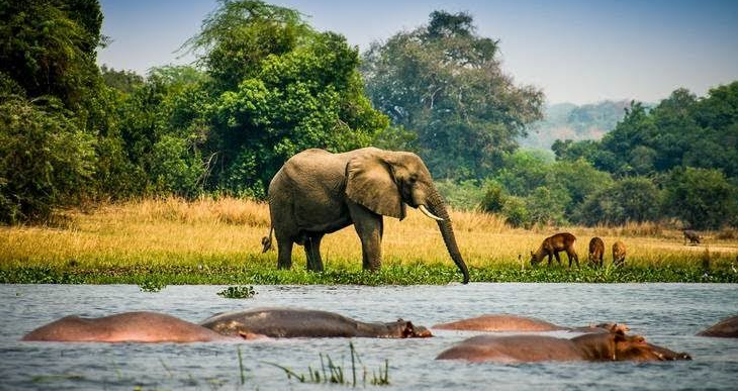
Peak Season Travel
Peak safari season varies somewhat by region, but broadly falls in the dry months: June to October across much of East and Southern Africa, plus December to February in some areas. During these windows, the best camps, particularly smaller, exclusive properties with limited beds, fill up 6 to 12 months ahead. Travelers hoping to book an Africa safari in advance for specific peak-season dates, especially around the wildebeest migration’s river crossings in the Maasai Mara or Serengeti, should aim toward the earlier end of that range.
Shoulder and Low Season Flexibility
If your travel dates are flexible and you’re not chasing a specific wildlife event or gorilla permits, you have more breathing room. Shoulder season (the transition months between peak and low season) can often be booked 3 to 6 months out with good availability, and some camps even offer lower rates during these periods. Low season travel, while sometimes involving more rain or less predictable wildlife viewing in certain regions, can occasionally be arranged with just a few months’ notice, making it a reasonable option for travelers planning a trip somewhat last-minute.
International Flights and Regional Connections
Beyond the safari itself, international flights to major gateway cities like Nairobi, Entebbe, Kigali, and Johannesburg are generally best booked several months ahead for the widest seat selection and most reasonable fares, particularly during peak safari season when demand for these routes rises alongside everything else. Regional flights between parks, often operated by small charter airlines with limited daily seats, also benefit from early booking, especially for fly-in safaris connecting several remote camps.
A Realistic Booking Timeline
- 12+ months ahead: Ideal for gorilla trekking permits during peak season, exclusive-use camps, and major milestone trips like honeymoons or significant anniversaries.
- 6 to 9 months ahead: Solid timeline for most peak-season safaris, including classic game drive itineraries in Kenya, Tanzania, or South Africa.
- 3 to 6 months ahead: Workable for shoulder-season trips or more flexible travelers not tied to specific high-demand dates.
- 1 to 3 months ahead: Possible for low-season travel or last-minute availability, though options narrow significantly and specific preferences may not be available.
What Happens If You Book Late?
Booking late doesn’t necessarily mean missing out entirely, but it usually means more limited choice: fewer available camps, less flexibility on dates, and a higher chance that gorilla permits for your preferred window are already gone. A good operator can often still assemble a strong trip on shorter notice by working around availability, but the earlier you book an Africa safari in advance, the more control you have over exactly which camps, dates, and experiences make it into your itinerary.
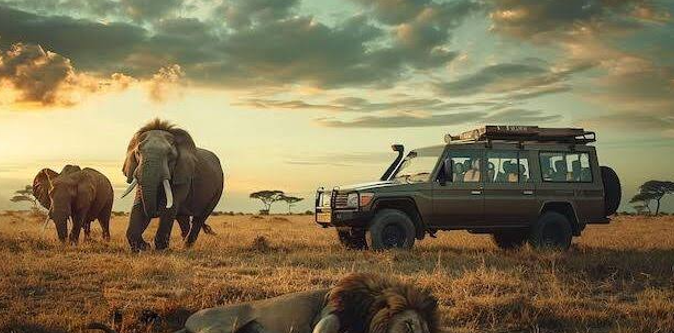
Ready to Lock In Your Dates?
If you already have a general sense of when you’d like to travel, the next step is checking real availability against confirmed departure dates. Ready to lock in dates? Browse verified departures on our Group Safaris page, which lists upcoming scheduled trips with confirmed availability.
For broader context on peak travel seasons and demand patterns across East Africa, the East Africa Tourism Platform tracks regional travel trends worth reviewing during the planning stage.
Final Thoughts
There’s no single universal answer to how far in advance you should book an Africa safari, it depends heavily on what’s in your itinerary, but as a general rule, earlier is almost always better, particularly for gorilla trekking permits, peak-season dates, and smaller exclusive camps. Booking 6 to 12 months out gives you the best shot at getting exactly the trip you want, rather than settling for whatever’s left.
Ready to start planning? Get in touch with Africa Safari Tours and we’ll help you map out the right booking timeline for your specific trip.