Namibia Desert and Dunes Safari: 7-Day Itinerary
Namibia doesn’t look like anywhere else in Africa, and that’s exactly the appeal of a Namibia desert and dunes safari. Instead of dense forest or open grassland, you’re driving through some of the oldest, most otherworldly desert landscapes on the planet, towering red dunes that shift and sharpen with the light, sun-bleached skeleton coasts littered with shipwrecks, and wide gravel plains where elephants, rhino, and lion have adapted to survive with almost no water. Seven days is enough time to properly experience this contrast, moving from the dunes of Sossusvlei to the wildlife-rich plains of Etosha, without feeling rushed. Here’s how a well-paced Namibia desert and dunes safari comes together.
Why Choose a Namibia Desert and Dunes Safari?
Namibia offers something genuinely different from East or Southern Africa’s classic savannah safaris. The scale and emptiness of the landscape is part of the experience, vast distances between camps, dramatic geology, and some of the darkest night skies on the continent for stargazing. Wildlife here has adapted specifically to arid conditions, so a Namibia desert and dunes safari includes species and behaviors you won’t see elsewhere, from desert-adapted elephants that can travel long distances between water sources to black rhino thriving in near-waterless terrain.
Day 1: Arrival in Windhoek
Land at Hosea Kutako International Airport and transfer to Windhoek, Namibia’s compact, orderly capital. Spend the afternoon exploring the city’s German-colonial architecture and craft markets, or simply rest and adjust before heading into the desert the following day. Overnight in a comfortable Windhoek lodge.
Day 2–3: Sossusvlei and the Namib Desert
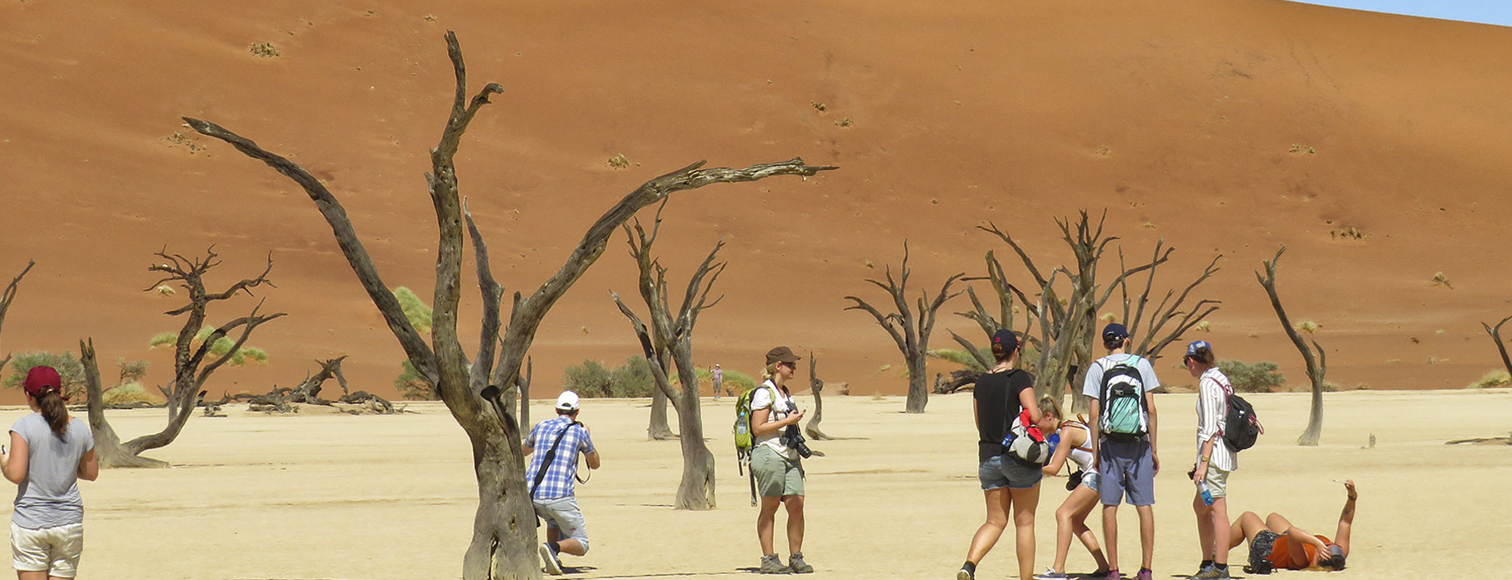
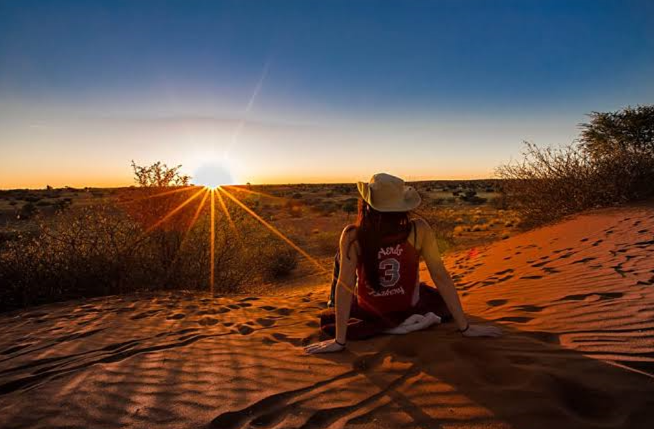
Drive or fly south to the Namib-Naukluft area, home to Sossusvlei’s iconic red dunes, some of the tallest in the world. Over two days, climb Dune 45 or “Big Daddy” at sunrise for sweeping views across the dune sea, walk through Deadvlei’s white clay pan with its centuries-old blackened camel thorn trees, and explore Sesriem Canyon. This stretch is the visual heart of any Namibia desert and dunes safari, and most travelers agree the early-morning light on the dunes is worth the pre-dawn wake-up call.
Day 4: Swakopmund and the Skeleton Coast
Head west to Swakopmund, a quirky coastal town where the Namibia Desert meets the cold Atlantic. Depending on your interests, spend the day on an adventure activity such as quad biking or sandboarding on the dunes, or take a scenic flight or boat trip along the Skeleton Coast to see its scattered shipwrecks, seal colonies, and fog-shrouded shoreline. This coastal detour adds a very different texture to the trip before heading inland again.
Day 5: Damaraland
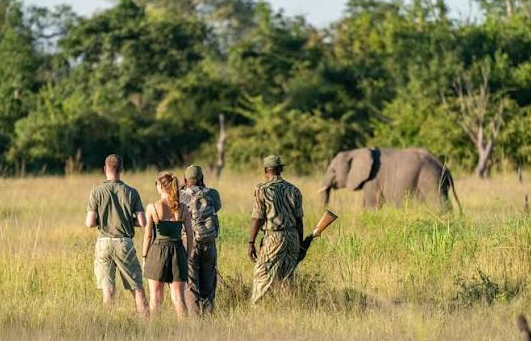
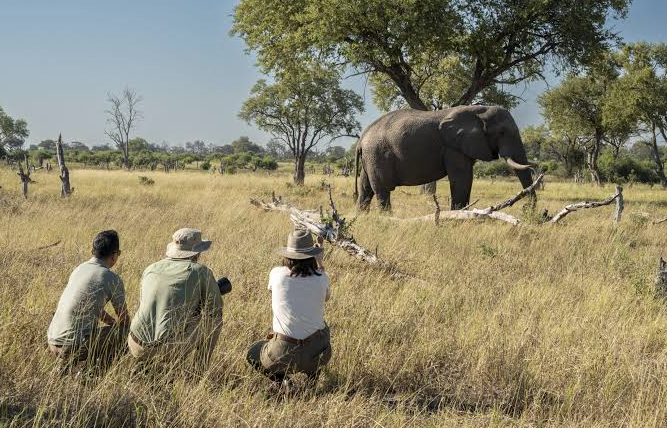
Travel inland to Damaraland, a rugged region of red rock formations and dry riverbeds that is home to some of Namibia’s rare desert-adapted elephants and black rhino. Guided game drives here focus on tracking these species across open, arid terrain, a very different style of game viewing from a typical bush safari, and one of the most rewarding parts of a Namibia desert and dunes safari for wildlife enthusiasts.
Day 6: Etosha National Park
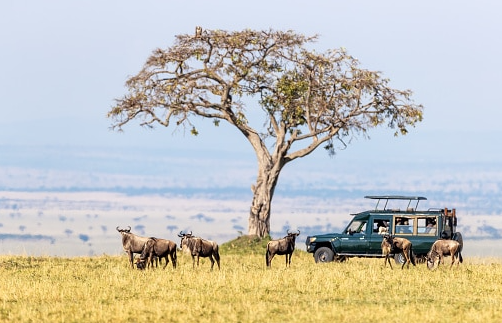
Continue to Etosha National Park, Namibia’s premier wildlife destination, built around a vast salt pan that draws animals to its waterholes, especially during the dry season. Spend the day on game drives watching elephant, lion, giraffe, zebra, and often black rhino gather at floodlit waterholes near camp, sometimes visible well into the evening. Etosha is the wildlife-viewing highlight of this itinerary and a fitting counterpoint to the earlier dune and desert scenery.
Day 7: Departure
After a final morning game drive in Etosha, transfer back to Windhoek for your onward flight, closing out your Namibia desert and dunes safari.
Best Time for a Namibia Desert and Dunes Safari
The dry season, from May to October, is generally the best time to travel, with cooler temperatures for dune climbing and better wildlife concentrations around Etosha’s waterholes as water becomes scarce elsewhere. Namibia’s climate is arid year-round, so this is a safari destination with far less concern about rain disrupting activities compared to other parts of Africa.
Tips for Planning a Namibia Desert and Dunes Safari
- Book domestic flights or 4×4 transfers early, since distances between regions are long and self-driving isn’t necessary if you’d rather fly between key stops.
- Pack for temperature swings. Desert days can be hot, but early mornings and nights, especially in Sossusvlei and Etosha, get cold.
- Bring a good camera and spare batteries. The light on the dunes at sunrise and sunset is one of the main draws of this itinerary.
- Allow flexibility for scenic flights. A scenic flight over the Skeleton Coast or dune sea is a worthwhile add-on if your budget allows.
For general country entry requirements and travel advisories, the Namibia Tourism Board is a useful official resource to check before you travel.
Planning a Wider Namibia Trip?
This itinerary is designed to work as a standalone week in the country, but it also pairs well with a broader look at Namibia’s regions and seasons. Link from the new Namibia Safaris pillar page once published: Namibia Safaris: The Complete Guide covers additional routes and planning advice if you’re considering extending this trip or combining it with other parts of the country.
Final Thoughts
A Namibia desert and dunes safari offers a version of Africa that surprises even well-traveled safari-goers, towering dunes, an eerie coastline, and wildlife that has quietly adapted to thrive in one of the driest environments on Earth. Seven days is enough to move through the country’s most striking landscapes without rushing, ending on the wildlife-rich plains of Etosha for a proper safari finale.
Ready to plan your own route? Contact Africa Safari Tours to customize this Namibia desert and dunes safari around your travel dates and interests.