Sustainable Safari Tourism in Africa: An Ethical Traveler’s Guide
Africa’s wild places are under more pressure than ever, and that is exactly why sustainable safari tourism has moved from a buzzword to a genuine necessity. Every year, millions of travelers cross oceans to watch lions doze in the Serengeti, track gorillas through Bwindi’s rainforest, or drift past elephants on the Chobe River. Done well, this kind of travel funds conservation, supports local livelihoods, and protects habitats for generations to come. Done poorly, it can strip resources, disturb wildlife, and leave local communities with little more than the dust from passing safari vehicles. At Africa Safari Tours, we believe sustainable safari tourism should be the default, not the exception, and this guide explains what that looks like in practice.
What Is Sustainable Safari Tourism?
At its core, sustainable safari tourism is travel that minimizes harm to ecosystems while maximizing benefit to the people and wildlife who call those ecosystems home. It rests on three pillars: environmental protection, economic support for local communities, and cultural respect. A safari built on these principles doesn’t just show you Africa’s wildlife — it actively helps keep that wildlife around. This distinguishes it from mass-market tourism, which often prioritizes volume of visitors over the long-term health of the destinations being visited.
Why Sustainable Safari Tourism Matters for Africa’s Wildlife
Africa is home to some of the planet’s last great wildlife strongholds, but many species are under severe threat. Mountain gorillas, for example, were once critically endangered, with populations dropping into the low hundreds. Their slow recovery is a rare conservation success story, and tourism revenue has been a major part of that turnaround, trekking permit fees fund anti-poaching patrols, habitat protection, and veterinary care for sick or injured gorillas.
This is the promise of sustainable safari tourism: when travelers pay fairly and operators reinvest responsibly, wildlife tourism becomes one of the strongest financial arguments for keeping forests standing and savannahs intact, rather than converting them to farmland or logging concessions.
Key Principles of Ethical and Sustainable Safari Tourism
1. Community Involvement and Benefit-Sharing
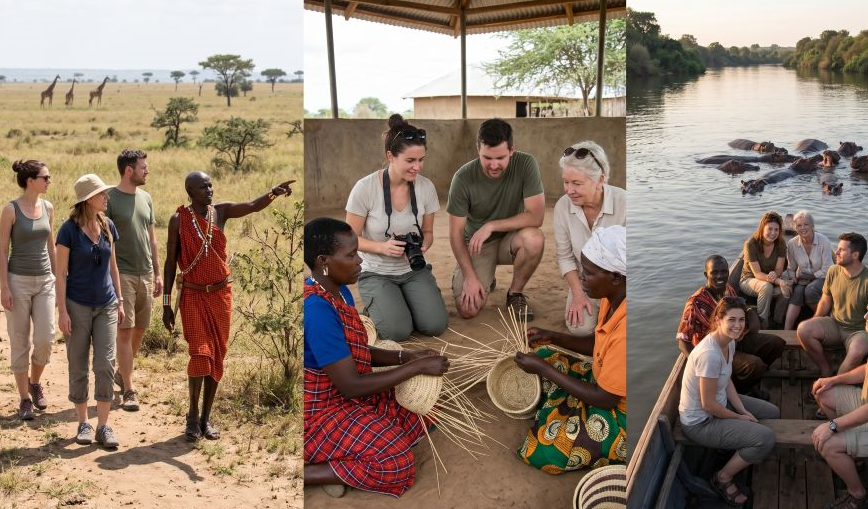
Sustainable safari tourism only works long-term when the communities living alongside wildlife see tangible benefits from it, jobs as guides and rangers, income from craft sales and homestays, and a direct share of park revenue. When local people benefit economically from conservation, they become its strongest advocates rather than its opponents.
2. Conservation Funding
A meaningful share of trip costs should flow directly into conservation: ranger salaries, habitat restoration, anti-poaching units, and wildlife monitoring. Ask any operator you’re considering exactly how your money supports conservation, a transparent answer is a good sign.
3. Responsible Wildlife Viewing
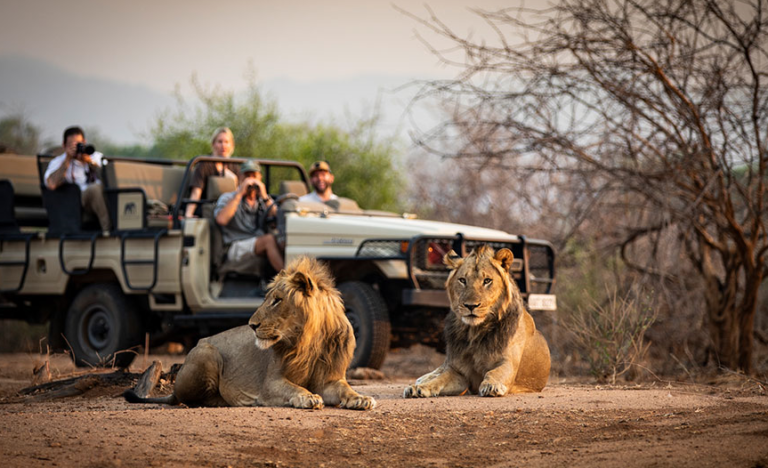
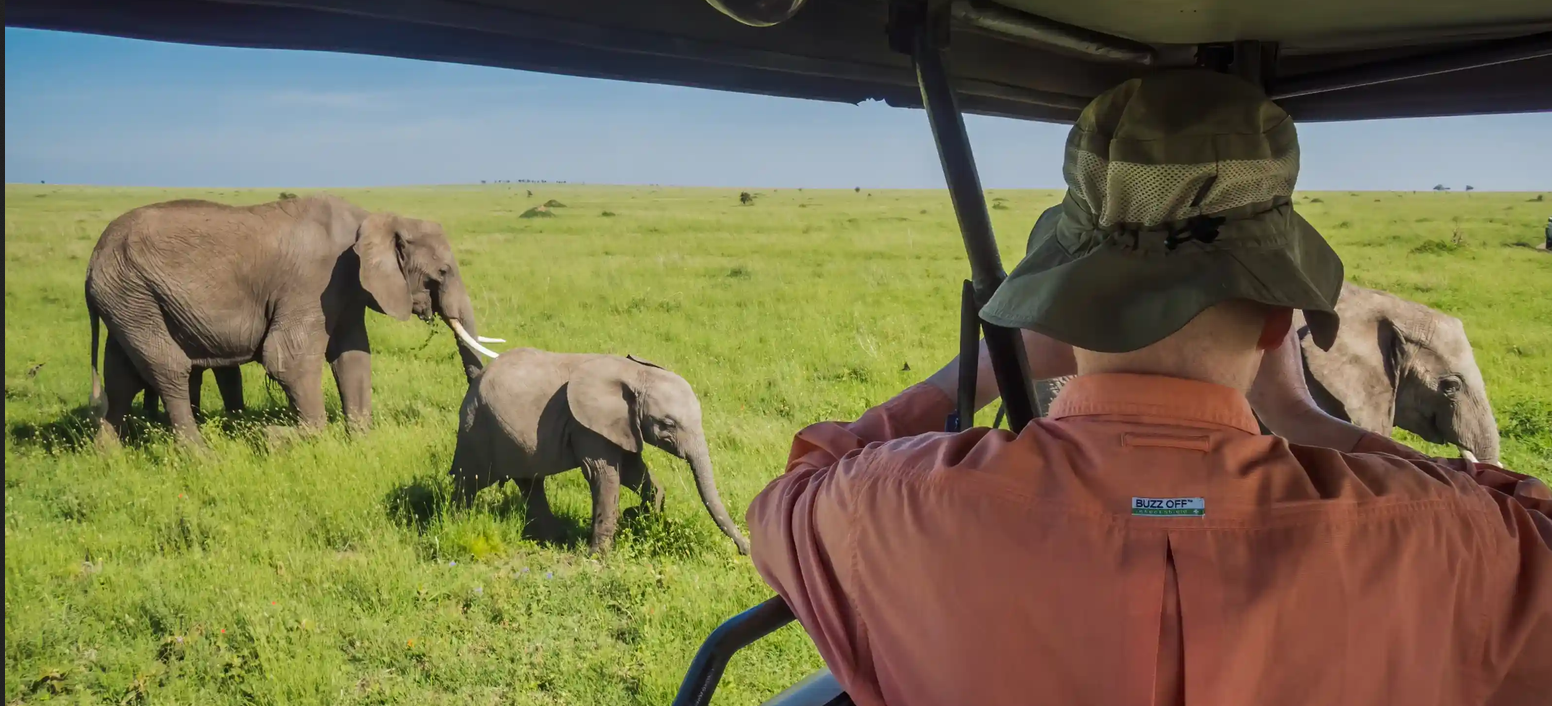
Ethical operators follow strict guidelines on group sizes, viewing distances, and time limits around animals, particularly sensitive species like gorillas and chimpanzees. These rules exist because human proximity can stress animals or, in the case of great apes, transmit disease.
4. Environmental Protection
This includes everything from limiting vehicle numbers on game drives to reducing plastic waste in lodges and camps, and using solar power or other low-impact energy sources wherever possible.
5. Cultural Respect
Sustainable safari tourism treats local communities as partners, not photo opportunities. Genuine cultural encounters, visiting a local market, sharing a meal, learning about traditional land use, should be built on consent and fair compensation, not staged performances.
How to Choose a Sustainable Safari Tourism Operator
Not every company that markets itself as “eco-friendly” actually practices sustainable safari tourism. Here’s what to look for:
- Transparency about pricing — does the operator explain where your money goes, including community and conservation contributions?
- Local employment — are guides, drivers, and staff largely hired from nearby communities?
- Accommodation choices — do partner lodges and camps have credible sustainability certifications or practices?
- Group sizes and permit limits — does the itinerary respect park regulations on trekking group sizes and wildlife viewing?
- Long-term partnerships — does the company have ongoing relationships with conservation organizations, rather than one-off donations for marketing purposes?
Organizations such as the World Tourism Organization and the African Wildlife Foundation publish broader guidance on responsible and sustainable tourism practices, and it’s worth cross-referencing an operator’s claims against these established standards.
Sustainable Safari Tourism in Action: Community-Based Models
Some of the clearest examples of sustainable safari tourism come from community-based conservation programs, where local people are directly employed as guides, trackers, and rangers, and where a portion of tourism revenue is reinvested into schools, healthcare, and infrastructure. See how this works in practice in Community Based Tourism in Uganda: Fueling Gorilla Conservation, where local involvement has become central to protecting mountain gorillas and their forest habitat.
Planning Your Own Sustainable Safari
If you’re planning a trip to Africa, a little research goes a long way. Choose operators who are upfront about their conservation and community commitments, pack out what you pack in, respect wildlife viewing distances, and consider allocating part of your travel budget to community-run enterprises like local guesthouses or craft cooperatives.
Sustainable safari tourism isn’t about sacrificing comfort or adventure,it’s about traveling in a way that ensures the landscapes, wildlife, and communities you fall in love with are still there for the next traveler, and the one after that.
Ready to plan a safari that gives back? Get in touch with Africa Safari Tours to design an itinerary built around ethical, community-focused travel.