Multi Country Africa Safari: How to Plan One in 2 Weeks
Two weeks sounds like a lot of vacation time, until you start mapping out everything Africa has to offer. Gorilla trekking in the misty forests of Uganda or Rwanda, big-cat game drives across Kenya’s savannah, chimpanzee tracking, boat safaris on the Nile or Lake Kivu, a single country rarely covers it all. That’s exactly why a multi country Africa safari has become one of the most popular ways to travel the continent: it lets you experience several distinct ecosystems and wildlife experiences without needing a month off work. The catch is that combining countries adds logistical complexity, border crossings, regional flights, visas, and permit timing all need to line up. This guide breaks down how to plan a multi country Africa safari in two weeks without feeling rushed or losing days to transit.

Why Consider a Multi Country Africa Safari?
East Africa in particular lends itself to multi-country travel because Uganda, Rwanda, and Kenya sit close together, share strong regional flight connections, and each offer something genuinely different. Uganda and Rwanda are the world’s best destinations for mountain gorilla trekking, while Kenya delivers the open-plains, big-game safari experience most people picture when they imagine an African safari, vast herds, the Great Migration (seasonally), and dense predator populations in reserves like the Maasai Mara. Combining two or three of these countries into one trip means you’re not choosing between a gorilla encounter and a classic game drive; you get both.
Step 1: Choose Your Countries Based on What You Want to See
Before building a route, decide what experiences matter most to you. A few common combinations:
- Uganda + Rwanda — Best for maximizing gorilla and chimpanzee trekking, plus some classic savannah game viewing in Uganda’s Queen Elizabeth or Murchison Falls National Parks.
- Uganda + Rwanda + Kenya — The fullest East African experience: primates, forest ecosystems, and the open savannah, all in one trip.
- Kenya + Tanzania — Best for travelers focused purely on big-game safari and the Great Migration, without a primate-trekking component.
For a two-week window, two or three countries is realistic. Trying to squeeze in four or more usually means too many travel days and not enough time actually in the parks.
Step 2: Sequence Your Route Logically
Once you know your countries, map the order based on flight connectivity and driving distances, not just a wish list. A common and efficient sequence for a multi country Africa safari across Uganda, Rwanda, and Kenya looks like this:
- Arrive in Entebbe, Uganda — start with a few days of gorilla trekking and a Queen Elizabeth National Park game drive.
- Cross overland or fly to Kigali, Rwanda — add Volcanoes National Park for gorilla or golden monkey trekking, plus a day exploring Kigali.
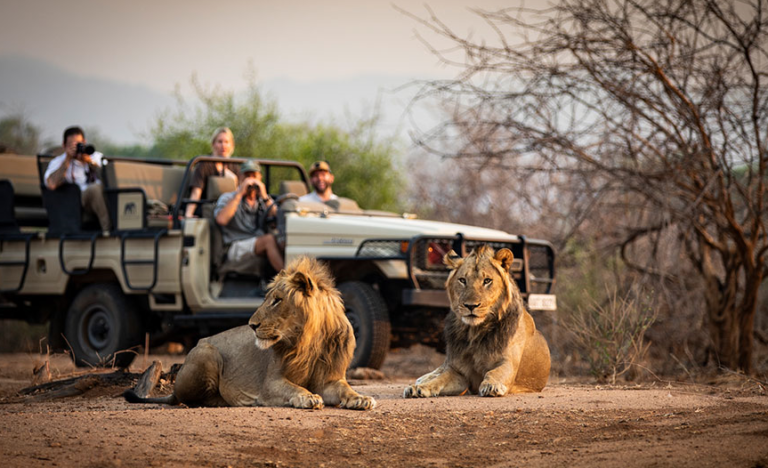
- Fly to Nairobi or the Maasai Mara, Kenya — close the trip with classic savannah game drives and, if timed right, the wildebeest migration.
This route minimizes backtracking and takes advantage of regional flight networks that connect Entebbe, Kigali, and Nairobi directly.
Step 3: Book Gorilla Permits First
If your multi country Africa safari includes gorilla or chimpanzee trekking, book those permits before anything else. Uganda and Rwanda issue a limited number of permits per day, and they routinely sell out months ahead during peak season (June–September and December–February). Your entire itinerary should be built around confirmed permit dates, not the other way around.
Step 4: Check Visa and Border Requirements
Uganda, Rwanda, and Kenya all participate in the East Africa Tourist Visa, which allows travel between the three countries on a single visa, a significant time-saver for anyone planning a multi country Africa safari across this region. It’s worth confirming current eligibility and application steps directly through the Uganda e-Visa / e-Permits portal before you travel, since requirements can change.
Step 5: Budget Realistic Travel Time Between Countries
Regional flights between Entebbe, Kigali, and Nairobi typically run one to two hours, but add time for check-in, layovers, and transfers to and from parks, which can easily eat half a day. When building a two-week itinerary, budget at least one transition day between major legs of the trip rather than scheduling activities back-to-back around a flight.
A Working Example
Rather than building an itinerary from scratch, it can help to start from a tested route. See a working example in 12 Days Best of East Africa: Uganda, Rwanda & Kenya, which shows how gorilla trekking, chimpanzee tracking, and classic savannah game drives can be sequenced into a single, well-paced trip.
Common Mistakes to Avoid
- Overpacking the itinerary. Two or three countries is plenty for two weeks; more usually means arriving exhausted and seeing less.
- Booking permits too late. Gorilla permits sell out fast — don’t finalize the rest of your route before securing them.
- Ignoring transit time. Treat travel days as real days, not free time to also fit in an activity.
- Skipping travel insurance. With multiple border crossings and activities like trekking, comprehensive travel insurance is worth the cost.
Final Thoughts
A multi country Africa safari is one of the most efficient ways to see the continent’s best wildlife experiences in a single trip, but it rewards careful planning. Choose your countries based on what you actually want to see, book gorilla permits first, sequence your route around real flight connections, and build in buffer time between legs. Get those pieces right, and two weeks is more than enough to cross borders, ecosystems, and some of the most memorable wildlife encounters on the planet.
Ready to plan your own route? Contact Africa Safari Tours to build a custom multi country Africa safari around your dates and interests.