Somewhere between the game drive and the gorilla trek, many travelers start asking a quieter question: who actually benefits from this trip? Community-based African safaris answer that question directly, built around models where local communities own, manage, or directly profit from the tourism happening on their land. It’s a shift that’s changing not just how travelers experience Africa, but how conservation itself gets funded.
What Makes a Safari “Community-Based”?
A community-based safari is one where the surrounding community has a direct financial or operational stake in the tourism activity, whether through community-owned lodges, guiding cooperatives, revenue-sharing agreements with national parks, or locally run cultural and craft enterprises. Unlike conventional safaris, where profits often flow to distant operators, this model keeps a meaningful share of tourism income within the community itself.
Why This Model Matters for Conservation
When local communities earn a direct income from wildlife tourism, they have a strong incentive to protect that wildlife rather than see it as competition for land, water, or livestock. This shift, from viewing animals as a threat to viewing them as a livelihood, has become one of the most effective conservation strategies across the continent, turning former poaching hotspots into protected, community-guarded landscapes.
Uganda’s Gorilla Communities: A Flagship Example
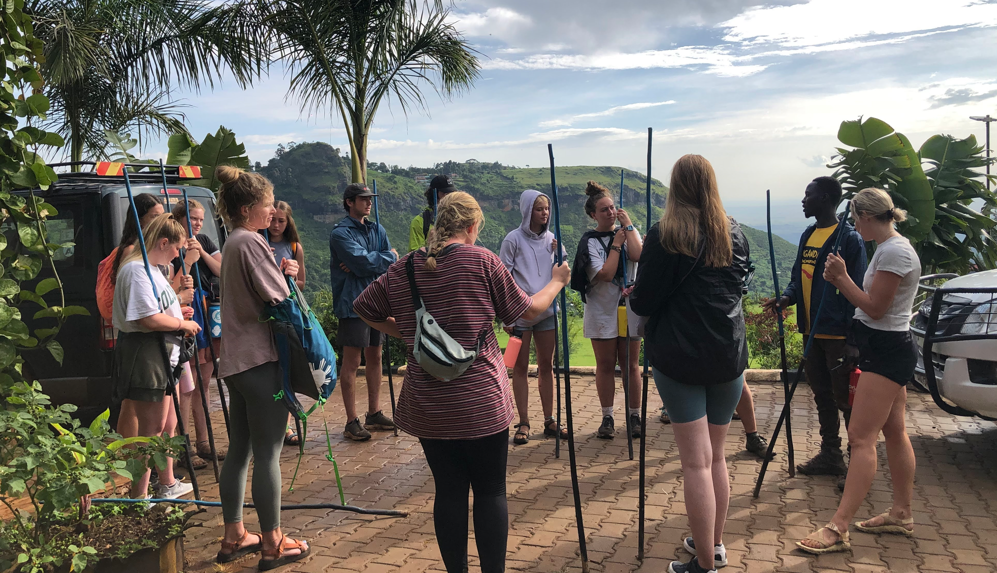
Nowhere illustrates this better than the communities bordering Uganda’s gorilla trekking parks. A portion of every gorilla permit fee is channeled directly into neighboring communities, funding schools, healthcare, and infrastructure, turning gorilla conservation into a shared, tangible benefit rather than an abstract environmental goal. Read our flagship example, Community Based Tourism in Uganda: Fueling Gorilla Conservation, for a full look at how this model has helped mountain gorilla populations recover.
Community Conservancies in Kenya
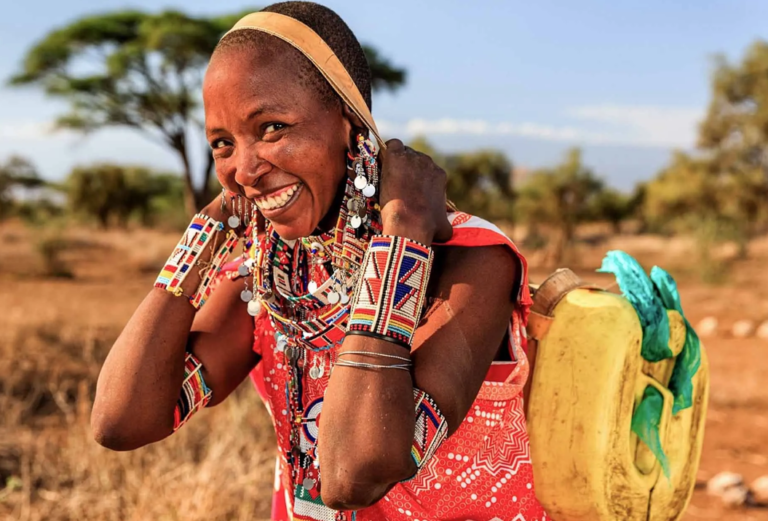
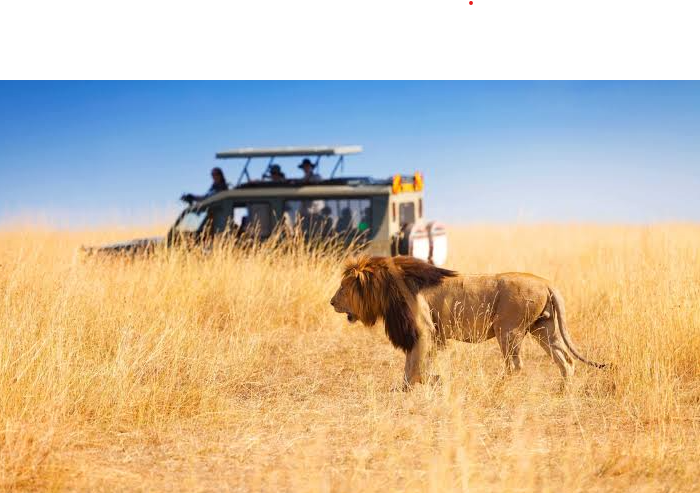
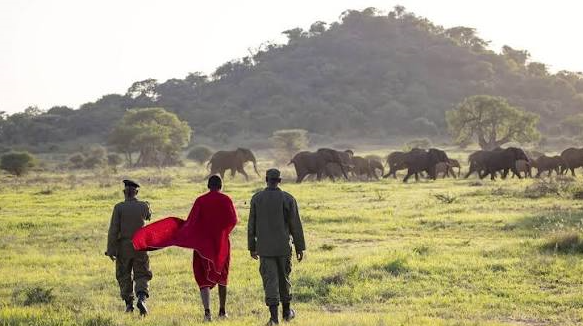
Kenya’s community conservancy movement has become one of Africa’s most studied conservation success stories. Land once used purely for grazing or agriculture has, in many areas, been set aside by local Maasai and other communities as wildlife conservancies, generating tourism income through lodges, guiding jobs, and lease payments, all while restoring habitat for lion, elephant, and other wildlife that had declined outside formal park boundaries.
Namibia’s Communal Conservancies
Namibia runs one of the continent’s most formalized community conservation programs, where communal conservancies hold legal rights over wildlife on their land. Revenue from tourism and regulated hunting funds conservancy operations directly, and the model is widely credited with helping rebuild Namibia’s black rhino and desert-adapted elephant populations.
Botswana and Zambia’s Community Trusts
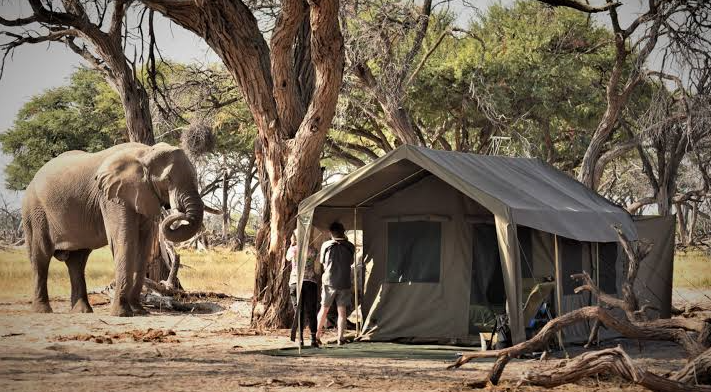
Similar models operate in Botswana’s Okavango Delta region and Zambia’s game management areas, where community trusts negotiate directly with safari operators for lodge concessions, employment quotas, and revenue shares. Travelers booking through these programs are often surprised at how much the experience feels the same as a conventional safari, the difference lies entirely in where the money goes afterward.
How to Choose a Genuinely Community-Based Safari
Look for operators who are transparent about revenue-sharing arrangements, employ local staff in meaningful (not just entry-level) roles, and partner directly with community trusts or conservancies rather than simply operating near them. A quick question to any operator, “how does this trip benefit the local community?”, usually reveals how genuine the claim really is.
The Traveler’s Role in This Model
Choosing community-based African safaris doesn’t require sacrificing comfort or wildlife quality, many community conservancies and trust-run lodges rival conventional options in both. What changes is the impact of your spending: instead of disappearing into distant corporate accounts, it stays close to the land and people who make the experience possible in the first place.
Why This Approach Is the Future of African Safari Travel
As pressure on wildlife habitats grows, models that align conservation with community livelihoods are proving far more sustainable than parks alone. Community-based African safaris aren’t a niche alternative anymore, they’re increasingly the standard travelers should expect and ask for.
Plan a Safari That Gives Back Directly
If you’d like your next trip to support the communities living alongside Africa’s wildlife, we can help you choose lodges, guides, and itineraries built around genuine community partnership. Get in touch with our team to start planning a community-based safari.