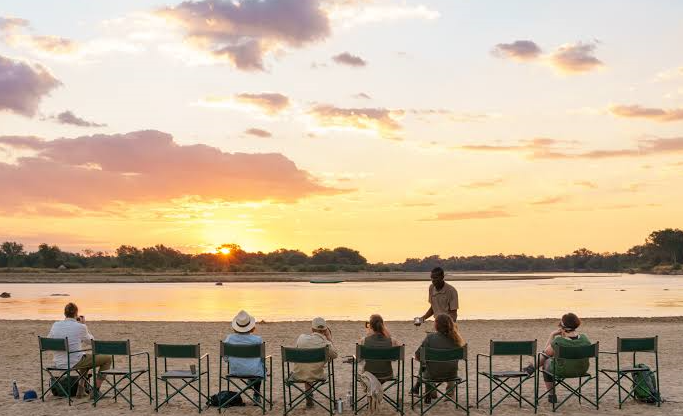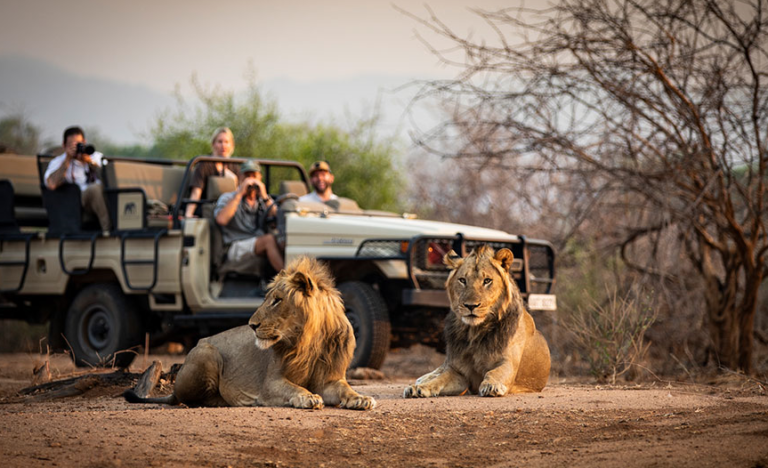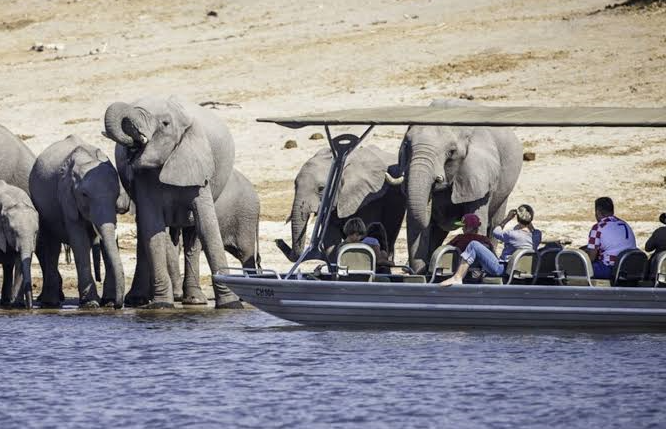
There’s a particular kind of quiet that settles over an African bush camp at night, no generator hum, no glass windows, just canvas walls and the sound of the wild breathing around you. That’s the experience at the heart of mobile camping safaris Africa travelers come back talking about for years. If you’ve ever wondered whether swapping a lodge bed for a canvas tent under an acacia tree is really worth it, you’re not alone, and this guide will help you decide.
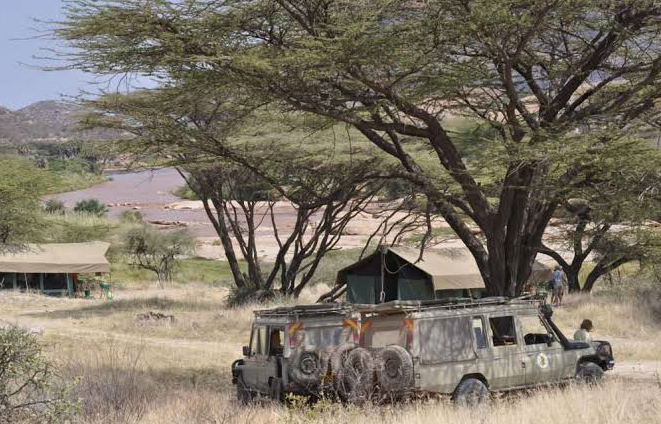
What Is a Mobile Camping Safari?
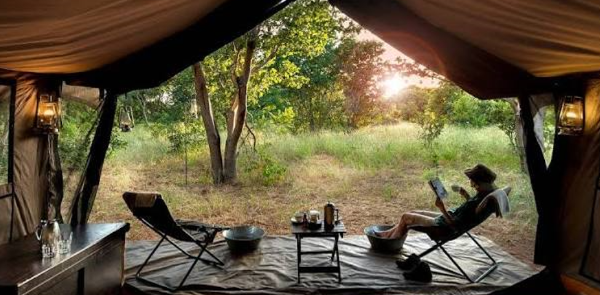
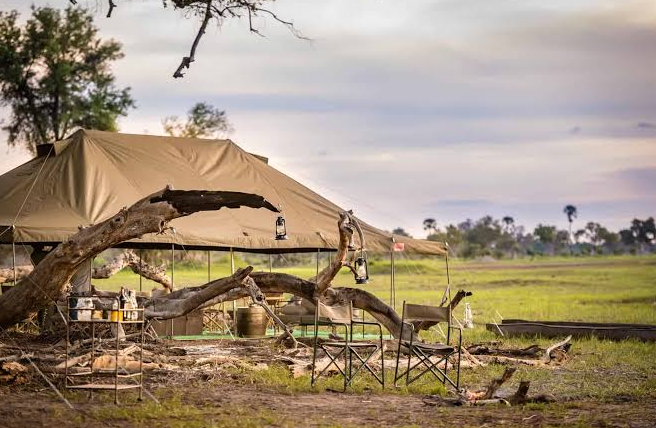
A mobile camping safari is exactly what it sounds like: instead of staying at one fixed lodge for your entire trip, your camp actually moves with you. A dedicated crew sets up canvas tents, a mess tent, and a small camp kitchen at each new location, often following wildlife migrations or simply chasing the best game viewing across a region.
By morning, you wake up to birdsong and the smell of coffee brewing outside your tent flap. By the time you return from your afternoon game drive days later, camp may have shifted entirely, closer to a new pride of lions or a fresh stretch of riverbank. It’s safari travel stripped back to its most authentic form, and it’s why mobile camping safaris Africa continue to attract travelers who want more than a hotel with a view.
How Mobile Camping Safaris Differ From Lodge Safaris
Lodge safaris are wonderful, comfortable, predictable, often quite luxurious. But they’re also fixed. You stay in one place and the wildlife comes to you, or you drive out to find it and drive back each evening.
Mobile camps flip that arrangement. Your accommodation follows the action rather than the other way around. That difference sounds small on paper, but it changes everything about how a trip feels. There’s less distance between you and the landscape, fewer walls, and a stronger sense that you’re genuinely out in the wild rather than visiting it from a safe distance.
Why Choose a Mobile Camping Safari in Africa
A Deeper Connection to the Wilderness
Canvas tents mean you hear the bush at night, a hyena’s whoop in the distance, the rustle of something moving past camp, the low rumble of a lion establishing territory. It’s not for everyone, but for travelers craving an unfiltered experience, this is precisely the appeal of mobile camping safaris Africa is built on.
Freedom to Follow the Wildlife
Because camps can relocate, itineraries can be built around what’s actually happening in the ecosystem. Following the Great Migration through the Serengeti and Masai Mara, for instance, works beautifully with a mobile setup, your camp can stay close to the herds rather than being anchored miles away.
A More Personal, Intimate Experience
Mobile camps are typically small, often six to twelve tents, staffed by a close-knit crew who get to know your name, your coffee order, and your questions about the wildlife you saw that morning. It creates a warmth that’s harder to replicate in a 100-room lodge.
Fewer Crowds, More Wild Moments
Because mobile camps often sit in remote, less-trafficked areas, you’re less likely to find ten other vehicles crowded around the same leopard sighting. There’s room to breathe, and room for the bush to feel genuinely wild again.
Best Destinations for Mobile Camping Safaris in Africa
Masai Mara, Kenya — Classic migration territory, with mobile camps that shift seasonally to stay close to the herds crossing the Mara River.
Serengeti, Tanzania — Vast, open plains where mobile camps track the wildebeest migration across different regions throughout the year.
Queen Elizabeth and Murchison Falls National Parks, Uganda — For travelers combining gorilla trekking with wildlife viewing, Uganda’s parks offer mobile camping options among tree-climbing lions, elephant herds, and the thundering Nile.
South Luangwa, Zambia — Considered the birthplace of the walking safari, this park pairs beautifully with mobile camps and guided bush walks.
Okavango Delta, Botswana — Seasonal mobile camps here shift with water levels, offering both game drives and mokoro canoe experiences through the delta’s channels.
Wherever you go, this is the common thread behind mobile camping safaris Africa travelers seek out, proximity to genuinely wild, less-visited corners of the continent.
What to Expect: A Day in a Mobile Safari Camp
Mornings start early, often before sunrise, with a gentle knock on your tent and a tray of tea or coffee. You’ll head out for a game drive as the light turns gold, when predators are most active and the bush feels newly awake. Back at camp by mid-morning, breakfast is usually served under a shade tree or open-sided mess tent.
Afternoons bring downtime, a second game drive, or sometimes a guided bush walk, followed by dinner under the stars with a campfire crackling nearby. It’s simple, rhythmic, and, for many travelers, exactly the pace a real safari should have.
Who Mobile Camping Safaris Are Best Suited For
This style of travel tends to suit adventurous travelers, honeymooners looking for something romantic and unconventional, photographers chasing the best light and access, and repeat safari-goers who’ve already done the lodge circuit and want something rawer. Families with very young children, or travelers who strongly prefer air conditioning and predictable amenities, may be happier at a fixed luxury lodge instead, and that’s a perfectly valid choice too.
What to Pack for a Mobile Camping Safari
Pack light, and pack smart: neutral-colored clothing (khaki, olive, brown), a warm layer for chilly early mornings, a headlamp or torch, insect repellent, and a good pair of walking shoes if bush walks are on your itinerary. Most camps handle laundry, so you genuinely don’t need much.
Best Time to Visit for a Mobile Camping Safari
Dry seasons generally offer the best game viewing across East and Southern Africa, roughly June to October and January to March, depending on the region. That said, mobile camps operate seasonally to follow migrations, so timing often depends on where you’re headed, the Mara sees peak crossings around July to September, while the Serengeti’s calving season draws crowds to the southern plains around February.
Is Uganda Safe for Tourists?
Uganda remains one of East Africa’s safest and most welcoming destinations for travel. Tourism infrastructure is well established, guides are experienced and licensed, and popular parks see a steady, well-managed flow of international visitors each year. As with travel anywhere, it’s wise to book through a reputable operator, follow your guide’s instructions in wildlife areas, and check your government’s current travel advisories before departure.
Is a Mobile Camping Safari Right for You?
If the idea of falling asleep to the distant call of a hyena excites rather than unsettles you, if you’d rather chase wildlife than wait for it to come to you, and if you value authenticity over polish, then the answer is almost certainly yes. Mobile camping safaris Africa offers some of its most unforgettable, unfiltered wilderness moments through exactly this kind of travel, and once you’ve tried it, it’s hard to imagine safari any other way.
Conclusion: Why Choose Mobile Camping Safaris in Africa
There’s something quietly transformative about sleeping under canvas in the middle of the wild, waking to birdsong instead of an alarm, and knowing your camp might shift closer to the herds by tomorrow evening. That’s the magic behind mobile camping safaris Africa keeps drawing travelers back to, a chance to meet the continent on its own terms, unfiltered and unforgettable.
If this sounds like the kind of adventure you’ve been waiting for, we’d love to help you plan it. Get in touch with our team to start building your own mobile camping safari itinerary across Uganda, Kenya, Tanzania, or Botswana.