Fueling Gorilla Conservation
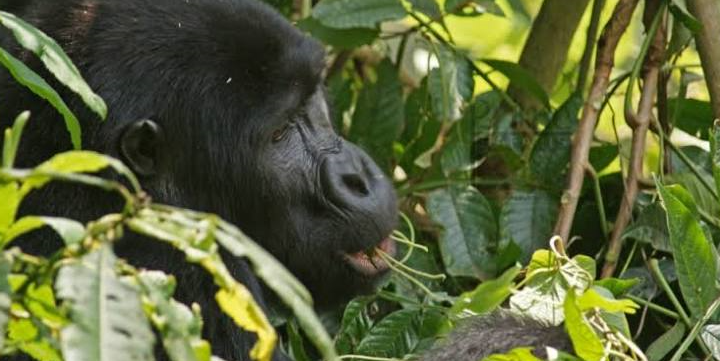
Community based tourism in Uganda has quietly become one of the most effective conservation tools in East Africa. Around Bwindi Impenetrable Forest and Mgahinga Gorilla National Park, local communities now share directly in the benefits of gorilla tourism. This shift has transformed attitudes toward wildlife protection across southwest Uganda. In this guide, Rosamy Africa explores how community based tourism in Uganda supports both local livelihoods and long-term gorilla conservation.
What Is Community Based Tourism in Uganda?
Community based tourism in Uganda refers to travel experiences owned, managed, or directly benefiting local communities rather than distant corporations. This model includes guided cultural walks, homestays, craft cooperatives, and revenue-sharing agreements tied to nearby national parks.
Southwest Uganda offers some of the strongest examples of this approach anywhere on the continent. Villages surrounding Bwindi and Mgahinga have built tourism initiatives that connect visitors directly with local culture, while channeling income back into education, healthcare, and conservation projects.
For background on Uganda’s national tourism framework, visit the Uganda Wildlife Authority website.
This model differs meaningfully from conventional tourism structures. In a typical safari, most revenue flows to international tour operators, foreign-owned lodges, and transport companies, with only a small share reaching local communities. Community based tourism in Uganda flips that structure. Local residents own or co-manage the experience, set their own pricing where possible, and decide how profits get reinvested. This ownership model builds long-term resilience, since communities are not solely dependent on outside operators to sustain their income.
Southwest Uganda’s approach has also attracted attention from conservation researchers studying human-wildlife coexistence globally. Few regions demonstrate as clearly how tourism revenue, community ownership, and species protection can reinforce one another over an extended period.
Why Southwest Uganda Became a Hub for Community Based Tourism
Southwest Uganda’s unique geography and conservation history explain why community based tourism in Uganda took root so strongly here. Bwindi Impenetrable Forest sits at the center of this story.
A History of Land Conflict
Before Bwindi became a national park in 1991, local communities relied on the forest for farmland, fuel, and resources. When the park was gazetted, many residents lost access to land they had used for generations. This created early tension between conservation goals and community needs.
Revenue-Sharing as a Solution
To address this conflict, Uganda introduced a revenue-sharing program that allocates a percentage of park entrance and permit fees directly to neighboring communities. This policy helped shift local attitudes from resentment toward partnership. Today, community based tourism in Uganda builds on this foundation, offering additional income streams beyond government revenue-sharing alone.
Growing Traveler Demand
International travelers increasingly want authentic, meaningful experiences rather than purely observational wildlife tours. This demand has encouraged tour operators, including Rosamy Africa, to incorporate community visits into gorilla trekking itineraries throughout southwest Uganda.
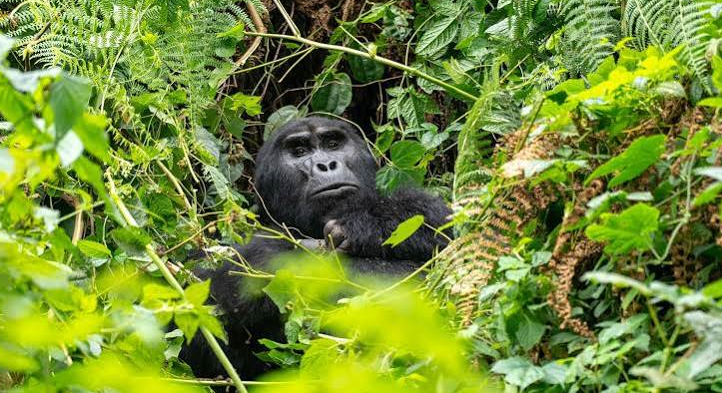
How Community Based Tourism in Uganda Supports Gorilla Conservation
The connection between community based tourism in Uganda and gorilla conservation runs deeper than simple goodwill. It operates through concrete economic incentives that align local interests with wildlife protection.
Reducing Dependence on Forest Resources
When tourism provides reliable income, communities depend less on activities like illegal logging, snare hunting, or farmland encroachment near the park boundary. Consequently, pressure on gorilla habitat decreases as alternative livelihoods take hold.
Creating Direct Financial Stakes in Conservation
Community based tourism in Uganda gives residents a direct financial reason to protect gorillas. Guides, porters, cultural performers, and craft sellers all earn income connected to a thriving national park. Therefore, gorilla poaching or habitat destruction directly threatens their own livelihoods.
Supporting Former Poachers Through Alternative Livelihoods
Several community organizations near Bwindi specifically recruit former poachers into tourism-related work. Programs teaching traditional dance, storytelling, or craft-making provide dignified alternative income. This approach has proven far more effective than punishment alone in reducing poaching rates over time.
Key Community Based Tourism Initiatives in Southwest Uganda
Several standout programs demonstrate how community based tourism in Uganda operates on the ground near Bwindi and Mgahinga.
The Batwa Cultural Experience
The Batwa, Uganda’s indigenous forest people, were displaced when Bwindi became a protected area. Today, Batwa-led cultural tours allow visitors to learn traditional forest skills, storytelling, and music directly from community members. This experience provides income while preserving cultural knowledge that might otherwise disappear.
Visitors often describe this encounter as one of the most moving parts of their trip. Elders share memories of life inside the forest before its conservation status changed, offering a perspective on the region’s history that few other experiences can provide. The income generated supports Batwa families directly, helping address economic disadvantages many have faced since resettlement.
Buhoma Community Rest Camp
Located near Bwindi’s northern sector, this community-owned lodge reinvests profits directly into local development projects. Guests staying here contribute directly to community infrastructure, rather than revenue leaving the region entirely.
Ride 4 a Woman
This women-led initiative near Buhoma trains local women in tailoring, jewelry-making, and bicycle mechanics. Tourism revenue supports vocational training, domestic violence support services, and children’s education programs throughout the surrounding villages.
Nkuringo Cultural Trail
Near Bwindi’s southern sector, this trail combines forest walks with visits to local farms, schools, and traditional healers. The program directly employs community guides, ensuring tourism income remains within the immediate area. Visitors typically spend half a day moving between homesteads, learning about banana beer brewing, traditional medicine, and local farming techniques practiced across generations.
For broader context on community tourism standards across the region, see the Uganda Community Tourism Association.
Challenges Facing Community Based Tourism in Uganda
Despite its successes, community based tourism in Uganda still faces real obstacles that require ongoing attention.
Uneven Revenue Distribution
Not every household near Bwindi benefits equally from tourism income. Some community programs have struggled with transparency, leading to disputes over how revenue-sharing funds get allocated. Continued oversight and community involvement in decision-making remain essential.
Addressing this challenge often requires stronger governance structures at the community level. Programs that involve elected community representatives in budget decisions tend to maintain higher levels of trust than those managed entirely by outside organizations. Rosamy Africa prioritizes partnerships with initiatives that demonstrate this kind of transparent, community-led governance.
Balancing Authenticity With Visitor Expectations
As demand grows, some cultural experiences risk becoming overly staged or repetitive across different operators. Maintaining authentic, community-led programming requires ongoing collaboration between tour operators and local leaders, rather than a one-size-fits-all approach.
Communities themselves are often best positioned to decide which traditions to share and how. Programs that allow this flexibility tend to feel more genuine to visitors, while also giving communities greater control over how their culture gets represented to outsiders.
Seasonal Income Fluctuations
Tourism income tied to gorilla trekking naturally fluctuates with seasonal demand. Community programs must plan carefully to manage income variability throughout the year, particularly during quieter travel periods. Diversifying income sources, such as combining tourism with agricultural cooperatives or craft exports, helps some communities weather these seasonal gaps more effectively.
How Rosamy Africa Supports Community Based Tourism in Uganda
Rosamy Africa incorporates community based tourism in Uganda into many of our southwest Uganda itineraries. Our approach reflects a genuine commitment to responsible, community-focused travel.
Partnering With Local Organizations
We work directly with established community programs like Ride 4 a Woman and Buhoma Community Rest Camp, ensuring tourism revenue reaches trusted, transparent initiatives. This partnership approach avoids exploitative arrangements sometimes found in less regulated cultural tourism markets.
Building Balanced Itineraries
Our gorilla trekking packages combine wildlife encounters with cultural experiences, giving travelers a fuller picture of southwest Uganda. Explore our Bwindi gorilla trekking tours to see how we integrate community visits into multi-day itineraries.
Employing Local Guides and Staff
Wherever possible, Rosamy Africa hires guides, drivers, and support staff from communities surrounding the parks we visit. This practice keeps tourism revenue circulating locally, reinforcing the broader goals of community based tourism in Uganda.
What Travelers Can Do to Support This Model
Visitors interested in strengthening community based tourism in Uganda can make specific choices that maximize their positive impact.
Choose Community-Focused Itineraries
Ask your tour operator about specific community partnerships included in your itinerary. Rosamy Africa can tailor gorilla trekking packages to include cultural visits, homestays, or craft cooperative stops based on your interests.
Purchase Directly From Local Cooperatives
Buying crafts, textiles, or coffee directly from community cooperatives ensures more revenue reaches local producers compared to purchases made through intermediary retailers.
Respect Cultural Boundaries
Community based tourism in Uganda works best when visitors approach cultural experiences with genuine curiosity and respect. Ask permission before photographing individuals, and follow guide instructions during village visits.
Consider Longer Stays
Extending your trip to include additional community activities increases your overall economic contribution to the region. Even an extra day spent at a community-run lodge meaningfully supports local development goals.
The Future of Community Based Tourism in Uganda
As global travelers increasingly prioritize meaningful, responsible experiences, community based tourism in Uganda is likely to keep expanding. New cooperatives continue forming around Bwindi and Mgahinga, often led by younger community members seeking to build sustainable local businesses.
This growth benefits gorilla conservation directly. As more households gain a financial stake in tourism, the incentive to protect forest habitat strengthens correspondingly. Community based tourism in Uganda demonstrates that conservation and local economic development can reinforce each other, rather than compete.
Final Thoughts
Community based tourism in Uganda has reshaped the relationship between local communities and gorilla conservation across southwest Uganda. What began as a response to land conflict has grown into a model demonstrating how tourism revenue can protect both wildlife and human livelihoods simultaneously.
Rosamy Africa remains committed to supporting this approach through every itinerary we design. To experience community based tourism in Uganda firsthand alongside gorilla trekking, explore our Uganda safari packages or reach out through our contact page to start planning a trip that supports both wildlife and the communities who protect it.
Every traveler who chooses a community-focused itinerary contributes to a model proven to work. Southwest Uganda’s experience shows that conservation succeeds most reliably when local people benefit directly from it. As you plan your own gorilla trekking adventure, consider how your choices, from lodging to guided activities, can strengthen this connection between people, wildlife, and place for years to come.
Community based tourism in Uganda offers a template other regions across Africa continue to study and adapt. Its lasting lesson is simple: when conservation and local prosperity move together, both endure.