Africa’s rarest safari animals rarely make headlines the way lions and elephants do. Yet these elusive species often fascinate travelers even more, precisely because so few people ever see them. In this guide, we introduce some of Africa’s rarest safari animals, where they live, and what makes each one so remarkable. By the end, you’ll have a new wishlist of sightings beyond the usual safari favorites.
Why Rare Species Deserve Attention
Beyond the Big Five, Africa’s rarest safari animals often carry deeper conservation significance. Many exist only in small, isolated populations, making every sighting genuinely special. Additionally, these species often serve as flagship indicators of forest and ecosystem health. Understanding and supporting their conservation helps protect entire habitats, not just a single remarkable creature.
The Okapi: Africa’s Forest Giraffe
Among Africa’s rarest safari animals, the okapi holds a truly mythical status. Often called the forest giraffe, this shy, solitary species exists only in the rainforests of the Democratic Republic of Congo. Despite its zebra-striped legs, the okapi is actually the giraffe’s closest living relative. So elusive that Western science didn’t confirm its existence until 1901, the okapi remains endangered today, with population estimates ranging between 10,000 and 15,000 individuals across a shrinking range.
Lomami National Park, established in 2016, protects a significant okapi population alongside other remarkable species. The okapi is a highlight, see Okapi in Lomami National Park, which provides a detailed look at this remote destination. Sightings remain rare even within protected areas, making any glimpse a genuinely memorable moment.
The Ethiopian Wolf
Africa’s rarest carnivore, the Ethiopian wolf, survives only in Ethiopia’s high-altitude Bale Mountains and Simien Mountains. Fewer than 500 individuals remain in the wild, making it one of the world’s most endangered canid species. Unlike typical wolves, this species hunts rodents individually across alpine grasslands rather than pursuing large prey in packs. Specialized trekking trips into these remote highlands offer the best chance of a sighting.
The Mountain Bongo
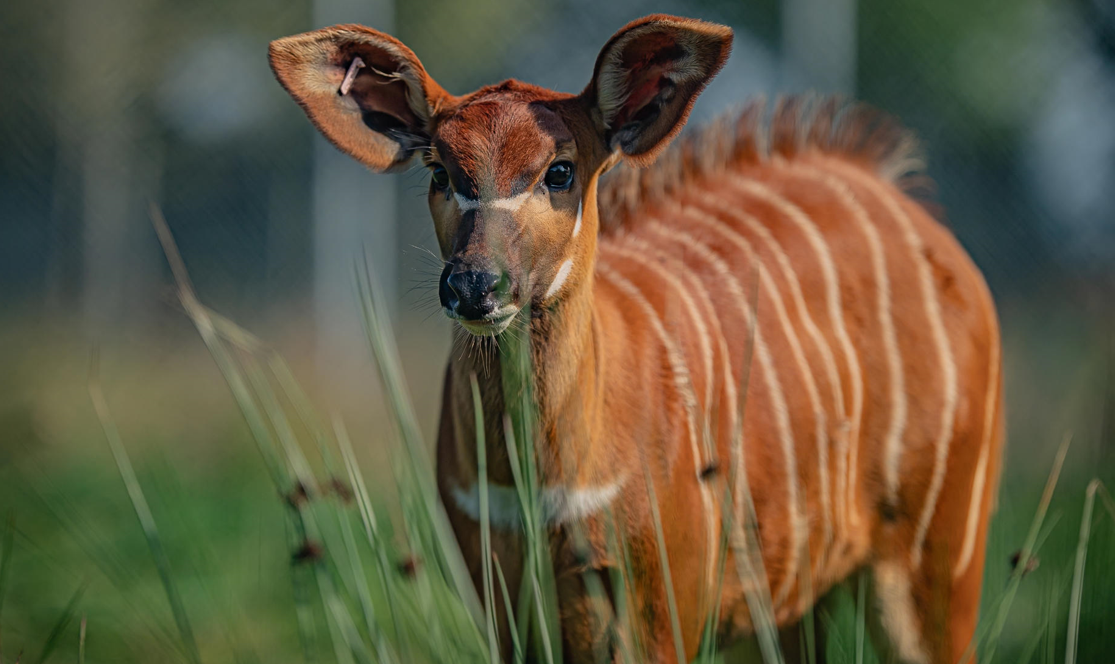
Among Africa’s rarest safari animals, the mountain bongo ranks as one of the most strikingly beautiful. This large, chestnut-colored antelope, marked with bold white stripes, survives in just a few isolated forest pockets in central Kenya. Fewer than 100 individuals are believed to remain in the wild, following decades of habitat loss and disease. Conservation programs, including reintroduction efforts, offer hope for this critically endangered species’ long-term survival.
The Aardwolf
Despite its name, the aardwolf isn’t a wolf at all, but rather a small, insectivorous member of the hyena family. This nocturnal, solitary species feeds almost exclusively on termites, using its long, sticky tongue to consume thousands nightly. Found across parts of East and Southern Africa, aardwolves remain notoriously difficult to spot, given their shy, night-active habits. Specialized night game drives offer the best opportunity for a sighting.
The Pangolin
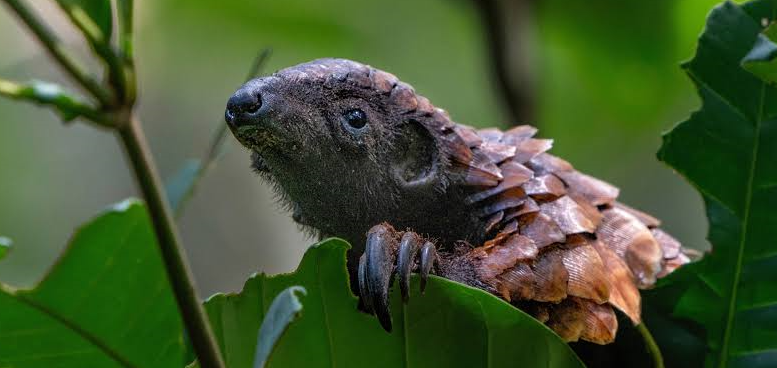
Pangolins rank among the most trafficked mammals on Earth, making sightings of this scaly, ant-eating species increasingly rare. Found across various African habitats, pangolins curl into a tight ball when threatened, a defense mechanism that unfortunately makes them easy targets for poachers. Nocturnal and solitary, spotting a pangolin in the wild ranks as one of the rarest, most sought-after experiences among dedicated wildlife enthusiasts.
Conservation Efforts Protecting Rare Species
Protecting Africa’s rarest safari animals requires sustained, coordinated conservation work. Organizations like the Wildlife Conservation Society partner with local governments to manage protected areas like Lomami and the Okapi Wildlife Reserve. Tourism revenue, when managed responsibly, provides crucial funding for anti-poaching patrols and habitat protection. Choosing ethical, conservation-minded tour operators directly supports these ongoing efforts.
Where Rare Sightings Intersect with Popular Destinations
While some rare species require highly specialized, remote expeditions, others can be encountered during more conventional safari itineraries. Uganda’s forests, for instance, host numerous rare primate species alongside the more famous mountain gorillas. Browse our full range of Uganda and Rwanda gorilla safaris to explore itineraries that combine iconic wildlife with opportunities to spot lesser-known, equally fascinating species.
Setting Realistic Expectations
Pursuing Africa’s rarest safari animals requires patience and realistic expectations. Unlike lion or elephant sightings, these encounters aren’t guaranteed, even with expert guides and ideal timing. However, this rarity is precisely what makes any sighting so rewarding. Approaching these trips with curiosity, rather than a checklist mentality, often leads to a richer overall experience.
Final Thoughts on Africa’s Rarest Safari Animals
Ultimately, Africa’s rarest safari animals offer a different kind of adventure than typical Big Five safaris. From the mythical okapi to the elusive pangolin, these species reward patient, curious travelers with genuinely rare encounters. Supporting their conservation through responsible tourism ensures future generations can seek out these remarkable creatures too. Ready to explore beyond the usual safari highlights? Contact us today, and we’ll help you plan a trip built around Africa’s most extraordinary wildlife.