Wildlife, Habitat and Conservation Guide

The Okapi in Lomami National Park is one of the most fascinating wildlife attractions associated with the remote rainforests of the Democratic Republic of the Congo.
The okapi is a mysterious forest mammal known for its dark reddish brown body, distinctive striped legs, and long tongue.
Although its appearance resembles a mixture of a giraffe and a zebra, the okapi is actually the closest living relative of the giraffe.
Lomami National Park is one of the remarkable protected areas within the Congo Basin. The park contains extensive tropical forests, rivers, and diverse habitats that support an impressive variety of wildlife.
Exploring this remote wilderness offers travelers and researchers an opportunity to learn about one of Africa’s most important rainforest ecosystems.
The possibility of discovering the Okapi in Lomami National Park makes the destination especially interesting for wildlife enthusiasts.
However, because okapis are secretive forest animals, observing one in the wild requires patience, expert guidance, and favorable conditions. Even when an animal is present in its natural habitat, sightings are never guaranteed.
Beyond the search for the okapi, a journey through Lomami National Park is an opportunity to discover the wider biodiversity of the Congo Basin.
The park’s forests support primates, elephants, antelopes, birds, reptiles, amphibians, and countless plant species. For adventurous travelers, conservationists, photographers, and researchers, the area represents an extraordinary African wilderness experience.
What Is an Okapi?
The okapi, scientifically known as Okapia johnstoni, is a rare forest mammal native to the Democratic Republic of the Congo. It is sometimes called the “forest giraffe” because it belongs to the same family as the giraffe.
At first glance, an okapi may appear to have features from several different animals. Its body is dark brown or reddish-brown, while its legs feature striking black and white stripes.
These stripes are one of the most recognizable characteristics of the species.
The okapi also has a relatively long neck compared with many other forest mammals. Its long, flexible tongue helps it reach leaves, buds, fruits, and other vegetation. The species is primarily adapted to life in dense tropical forests.
Unlike giraffes, which are commonly associated with open savannahs, okapis spend their lives in thick rainforest environments.
Their preference for dense vegetation allows them to remain hidden from predators and humans.
Their quiet behavior and ability to move through thick forest vegetation make them extremely difficult to observe. This natural secrecy is one reason why seeing an okapi in its wild habitat is considered a special wildlife experience.
The Okapi in Lomami National Park
The Okapi in Lomami National Park is an important subject for anyone interested in the biodiversity and conservation value of the Congo Basin.
Lomami National Park is located in the Democratic Republic of the Congo and protects a large landscape of tropical rainforest.
The park was established in 2016 and forms part of an important wilderness region. Its remote location has helped maintain extensive areas of forest habitat and supports a variety of wildlife.
The forest environment is particularly valuable because tropical rainforests provide food, shelter, and breeding areas for thousands of species. Many animals depend on these ecosystems for their survival.
For travelers interested in the Okapi in Lomami National Park, it is important to understand that an okapi-focused trip is different from a traditional savannah safari. On an open grassland safari, animals such as elephants, zebras, and antelopes may sometimes be visible from a considerable distance.
In a rainforest environment, wildlife is often hidden behind vegetation. Animals may be heard without being seen, while tracks, feeding signs, and other evidence can reveal their presence.
This makes forest exploration a more patient and immersive experience.
Where Do Okapis Live?
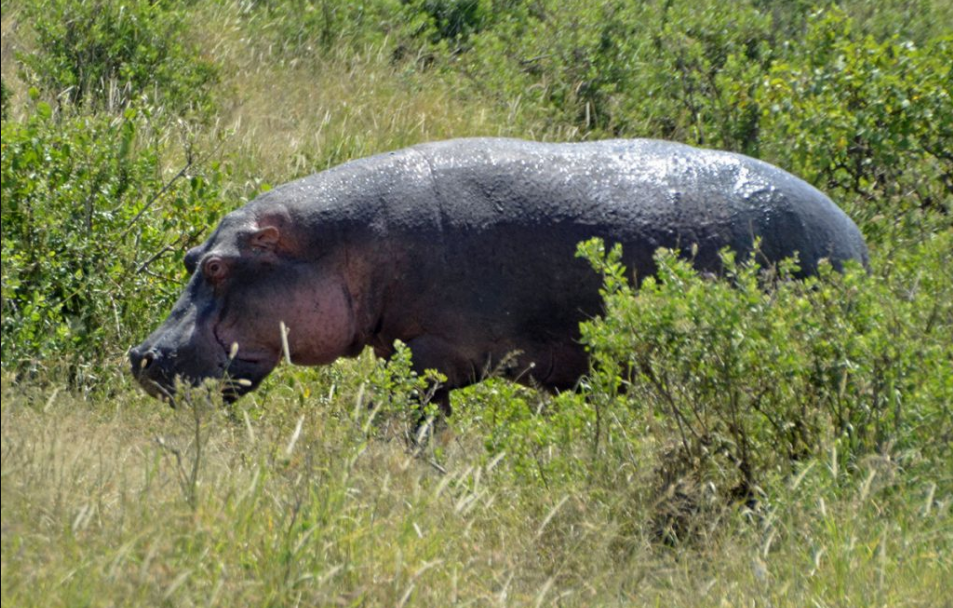
Okapis are endemic to the Democratic Republic of the Congo, meaning their natural range is restricted to this country.
They are associated with dense tropical forests where vegetation provides food and cover. The forests of the Congo Basin are among the most important habitats for biodiversity in Central Africa.
Okapis generally prefer areas where they can move through thick vegetation while accessing food and water. Their forest habitat provides the conditions they need to survive and reproduce.
The Okapi in Lomami National Park is therefore connected to the broader importance of conserving Congo’s rainforest ecosystems. Protecting forests helps safeguard not only okapis but also the many other species that share the same environment.
Because the Congo Basin is vast, wildlife populations may be spread across large areas. This is another reason why encountering a particular animal can be difficult.
Why Are Okapis Difficult to See?
One of the biggest challenges for anyone hoping to see an okapi is its secretive behavior.
Okapis are naturally shy and tend to avoid human activity. Their coloration also helps them blend into the shadows and vegetation of the rainforest.
They do not live in large herds like some savannah animals. Their solitary nature and preference for dense forest make them particularly challenging to locate.
An experienced guide can improve the chances of finding wildlife by recognizing tracks, feeding signs, calls, trails, and other indicators. However, even experienced guides cannot guarantee an okapi sighting.
Travelers should therefore approach the search with realistic expectations. The journey should be about experiencing the rainforest ecosystem as a whole rather than expecting a guaranteed encounter with one specific animal.
Wildlife in Lomami National Park
The Okapi in Lomami National Park is only one part of the park’s wider wildlife story. The protected area is important because of its diverse collection of forest species.
Depending on location and conditions, the park’s ecosystems can support or provide habitat for wildlife such as, Bonobos and other primates, Forest elephants, red tailed monkeys, duikers and other forest antelopes
The diversity of species makes Lomami National Park particularly valuable for scientific research and conservation.
The forest is also important because many species depend on interconnected ecosystems. When one forest area is protected, it can help maintain ecological processes that benefit many different plants and animals.
For wildlife enthusiasts, this means that an expedition to Lomami can offer opportunities to observe more than just large mammals. Birdwatching, primate observation, forest walks, and learning about plant species can all contribute to the experience.
The Congo Basin Rainforest and Its Importance
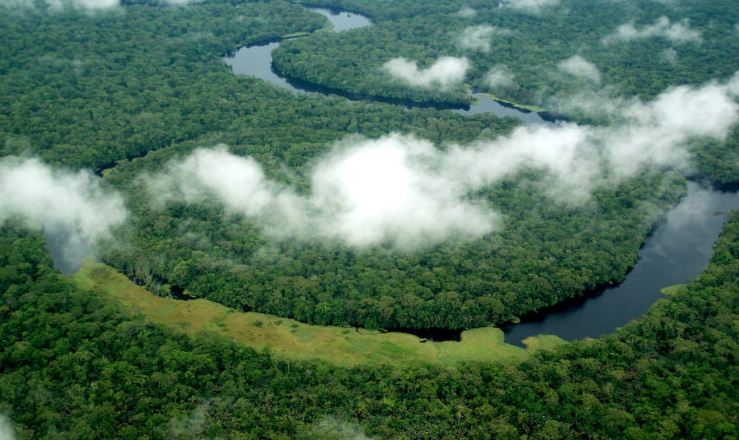
The Congo Basin is one of the world’s most significant tropical rainforest regions. It covers a vast area across Central Africa and contains an extraordinary variety of plants and animals.
These forests perform important ecological functions. They store carbon, regulate water cycles, support biodiversity, and provide natural resources for communities living around them.
The forests also provide essential habitat for species that cannot survive in open environments.
The Okapi in Lomami National Park is therefore part of a much larger conservation story. Protecting the okapi’s habitat contributes to the protection of the rainforest ecosystem as a whole.
When forests are conserved, numerous species benefit at the same time. Primates, elephants, birds, insects, reptiles, amphibians, and plant species all depend on healthy forest environments.
For this reason, national parks and other protected areas are important tools for maintaining biodiversity.
Why Is Okapi Conservation Important?
The okapi is an important symbol of the unique wildlife found in the Democratic Republic of the Congo.
Protecting the species requires more than simply protecting individual animals. Conservation must also focus on maintaining the forests where okapis live.
Habitat loss, illegal hunting, and other human pressures can threaten forest wildlife. Conservation efforts therefore require cooperation between government authorities, conservation organizations, local communities, researchers, and responsible visitors.
Protecting the Okapi in Lomami National Park and other forest wildlife can contribute to broader biodiversity conservation.
Healthy forests also benefit people. They can provide natural resources, support livelihoods, regulate water systems, and create opportunities for responsible tourism.
When tourism is carefully managed, it can create economic incentives for communities and authorities to protect wildlife habitats.
Conservation Challenges Facing Congo’s Forest Wildlife
The forests of the Democratic Republic of the Congo face a range of conservation challenges.
Some of these challenges include:
Habitat Loss
The conversion of natural forests for agriculture and other land uses can reduce available wildlife habitat. Fragmented forests may also make it harder for animals to move between different areas.
Illegal Hunting
Wild animals can be threatened by illegal hunting. In remote areas, monitoring large protected landscapes can be challenging.
Limited Infrastructure
Remote national parks often have limited roads, accommodation, communication facilities, and tourism infrastructure. This can make conservation activities and wildlife monitoring more difficult.
Security Concerns
Some parts of the Democratic Republic of the Congo have experienced security challenges. Visitors should always obtain current information and follow official travel advice before planning a journey.
Conservation Funding
Protecting large forests requires trained personnel, equipment, research, community engagement, and long-term funding.
These challenges demonstrate why conservation partnerships and responsible tourism are important.
Is the Okapi in Lomami National Park Easy to See?
No. Anyone hoping to see the Okapi in Lomami National Park should understand that an encounter is not guaranteed.
Okapis are among the more difficult African mammals to observe in their natural habitat. Their secretive behavior and dense forest environment make them challenging to locate.
Travelers should be prepared for the possibility that they may not see an okapi during their visit.
However, the absence of a direct sighting does not mean the experience is unsuccessful. Exploring a remote rainforest can provide opportunities to observe other wildlife, enjoy birdwatching, and learn about conservation.
For many visitors, the journey itself becomes an important part of the adventure.
Best Time to Explore Lomami National Park
Determining the best time to explore Lomami National Park requires consideration of weather, accessibility, and the specific activities planned.
The Congo Basin has a tropical climate, and rainfall can occur during different periods. Wet conditions can make some roads and trails difficult to navigate, particularly in remote locations.
During wetter periods, the rainforest can become exceptionally lush and vibrant. Rivers and streams may also carry more water, creating a dramatic forest environment.
Drier conditions may make some travel routes easier to navigate, although conditions can vary from one location to another.
Travelers planning to search for the Okapi in Lomami National Park should consult local experts before traveling. Current weather, road conditions, park access, and security conditions should all be considered.
How to Plan an Okapi and Lomami National Park Adventure
Planning a trip to Lomami National Park requires more preparation than visiting many of Africa’s established safari destinations.
Before traveling, consider the following:
Research Entry Requirements
Check current visa, passport, and entry requirements for the Democratic Republic of the Congo before departure.
Check Security Conditions
Because conditions can change, obtain current information about the destination and travel routes before beginning your journey.
Arrange Transportation
Remote national parks can be difficult to reach. Transportation should be arranged carefully, preferably with an operator experienced in the region.
Use Experienced Guides
Local guides can provide valuable knowledge about the forest, wildlife, routes, and local conditions.
Plan Accommodation
Accommodation options may be limited in remote areas. Arrange suitable lodging well in advance.
Prepare for Forest Conditions
Rainforest travel can involve humidity, rain, mud, insects, and challenging terrain. Appropriate clothing and equipment are essential.
Be Patient
An okapi encounter may take time and may not happen at all. Travelers should enjoy the wider experience of exploring the Congo rainforest.
Responsible Tourism in Lomami National Park
Responsible tourism is essential when visiting sensitive rainforest ecosystems.
Visitors should follow all instructions provided by park authorities and guides. Wildlife should never be chased, touched, fed, or deliberately disturbed.
Travelers should also avoid leaving waste in natural areas and should respect local communities and cultural practices.
Using local services where possible can help ensure that tourism contributes to communities living near protected areas.
A responsible approach to tourism can help ensure that the forests remain protected for future generations.
What to Pack for a Lomami National Park Adventure
Travelers should prepare carefully for a rainforest environment.
Useful items may include:
- Lightweight, breathable clothing
- Waterproof rain gear
- Comfortable hiking shoes or boots
- Insect repellent
- A reusable water bottle
- Binoculars
- Camera equipment
- Extra batteries or charging equipment
- A small first-aid kit
- Sun protection
- Personal medications
- Waterproof bags for electronics
The exact equipment required will depend on the season, length of the journey, and activities planned.
Visitors should also consult their tour operator and healthcare professionals for appropriate travel health advice before departure.
Why Visit Lomami National Park?
There are many reasons to explore Lomami National Park.
The park offers the opportunity to experience one of Africa’s remote tropical wilderness areas. Its forests contain remarkable biodiversity and provide habitat for numerous species.
The possibility of encountering the Okapi in Lomami National Park is particularly appealing to wildlife enthusiasts. However, the destination offers much more than a single species.
Visitors can learn about rainforest conservation, explore forest landscapes, observe birds and primates, and gain a deeper appreciation for the importance of protecting the Congo Basin.
For travelers who have already experienced traditional savannah safaris, a Congo rainforest adventure can offer a completely different perspective on African wildlife.
Combining a Congo Adventure With East African Safaris 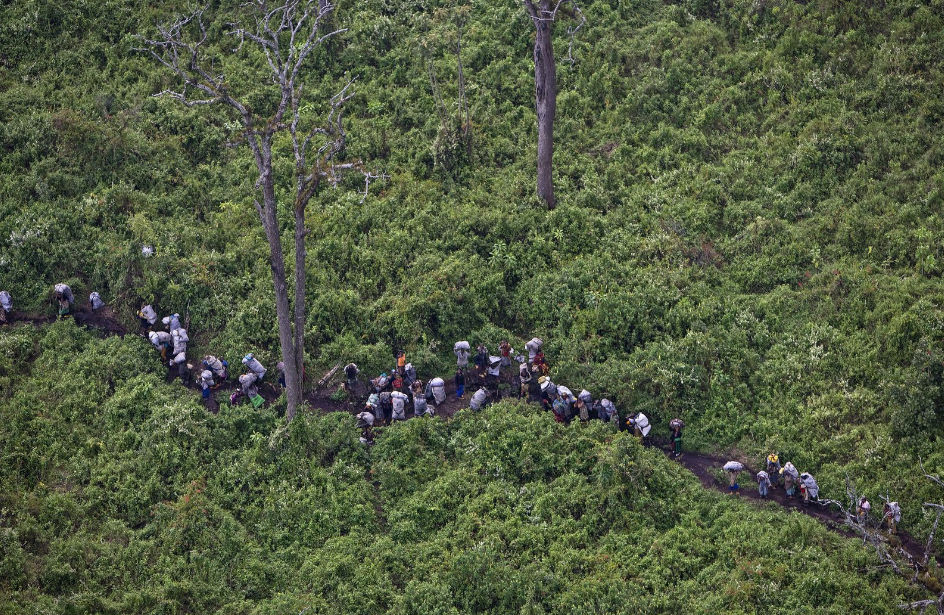
Travelers interested in Central and East African wildlife may consider combining a Congo experience with other destinations.
Uganda and Rwanda are particularly well known for primate tourism and wildlife experiences. Visitors can explore mountain gorilla trekking, chimpanzee tracking, savannah wildlife, and cultural experiences.
A broader itinerary can allow travelers to experience the diversity of African ecosystems, from tropical rainforests to open savannah landscapes.
For those planning an extended African adventure, you can explore Uganda safari experiences and consider combining rainforest exploration with gorilla trekking or traditional wildlife safaris.
Frequently Asked Questions About the Okapi in Lomami National Park
What is the Okapi in Lomami National Park?
The okapi is a rare forest mammal related to the giraffe and associated with the tropical forests of the Democratic Republic of the Congo. The species is known for its dark body and distinctive striped legs.
Can tourists see an okapi in Lomami National Park?
Okapi sightings in the wild can be difficult and are not guaranteed. The animals are shy, secretive, and adapted to dense rainforest environments.
What other animals live in Lomami National Park?
The park supports diverse wildlife, including primates, forest elephants, antelopes, birds, reptiles, amphibians, and numerous smaller species.
Why is Lomami National Park important?
The park protects an extensive rainforest ecosystem and contributes to the conservation of the Democratic Republic of the Congo’s exceptional biodiversity.
What is the best time to visit Lomami National Park?
The best time depends on weather, accessibility, and the activities planned. Travelers should obtain current local information before deciding when to visit.
Is Lomami National Park suitable for all travelers?
Because of its remote nature and limited infrastructure, visiting Lomami National Park may be more suitable for experienced adventure travelers, researchers, conservationists, and those comfortable with challenging travel conditions.
How can travelers support okapi conservation?
Visitors can support conservation by choosing responsible tourism providers, following park rules, respecting wildlife, supporting local communities, and avoiding products made from endangered wildlife.
Visit Okapi in Lomami National Park
The Okapi in Lomami National Park represents the extraordinary wildlife heritage of the Democratic Republic of the Congo.
This elusive forest mammal is one of Africa’s most fascinating species, and its connection to the Congo rainforest highlights the importance of protecting natural habitats.
Although finding an okapi in the wild can be challenging, the possibility of an encounter adds a sense of mystery and adventure to exploring Lomami National Park.
The park’s importance extends far beyond the okapi. Its forests support diverse wildlife and contribute to the conservation of one of the world’s most valuable tropical ecosystems.
For travelers seeking an experience beyond traditional African safaris, exploring the Congo rainforest offers a unique opportunity to discover remote landscapes, learn about conservation, and appreciate the incredible biodiversity of Central Africa.
By traveling responsibly and supporting conservation efforts, visitors can help contribute to the protection of the forests and wildlife that make Lomami National Park so special.