Rwanda vs Uganda Gorilla Trekking: Which Destination Should You Choose?
People ask me this question all the time.
I’ll be at a dinner party, or a travel expo, or just chatting with someone at the airport who’s spotted the safari tag on my bag, and eventually it comes up: “I want to see gorillas. Should I go to Rwanda or Uganda?”
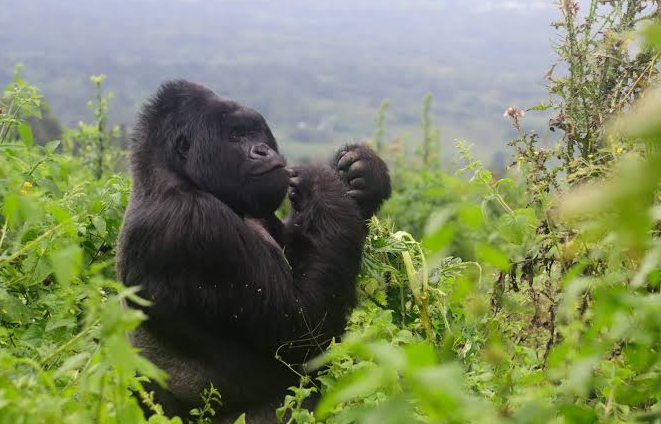
I have trekked gorillas in both countries. I’ve stood in the bamboo forests of Volcanoes National Park watching a silverback move through the morning mist. Also pushed through the dense, dripping tangle of Bwindi Impenetrable National Park, knees aching, wondering if the forest was going to swallow me whole, and then looked up to find a gorilla family sitting peacefully in a clearing, completely unbothered by my existence.
Both experiences changed me. Both were worth every dollar, every hour of travel, every muddy boot.
But Rwanda vs Uganda gorilla trekking is a genuine question with a genuine answer, and the answer depends entirely on who you are, how much time you have, what you want to spend, and what else you want from your East Africa safari.
Here’s the honest comparison, from someone who has done both
Rwanda vs Uganda Gorilla Trekking: The Big Picture
Before we get into the details, let’s set the stage.
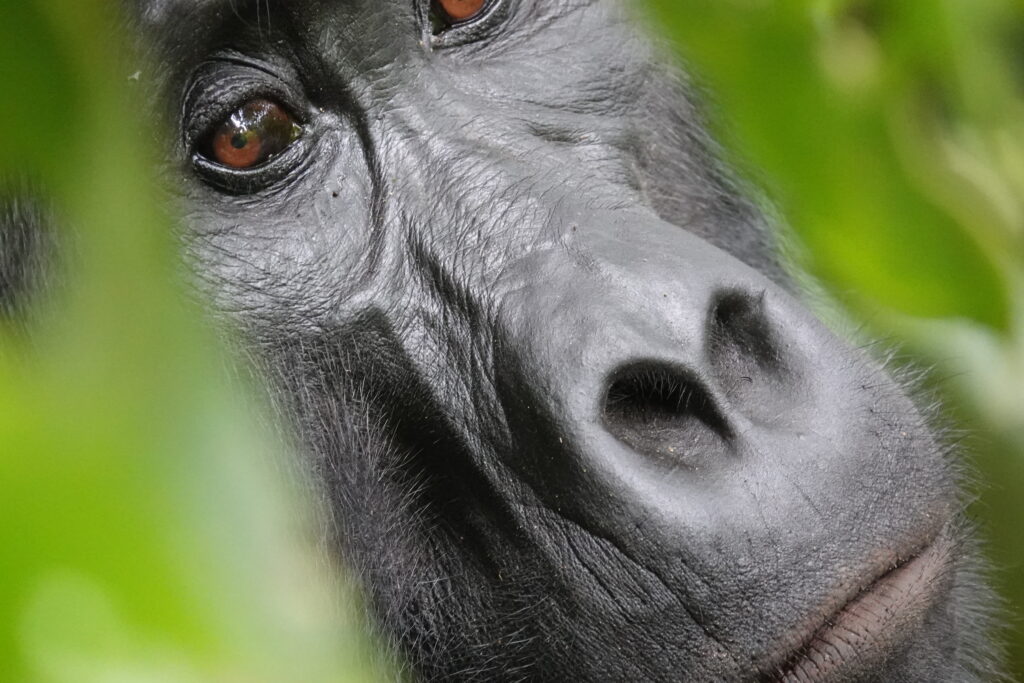
Both Rwanda and Uganda are home to mountain gorillas, the same species, the same subspecies, the same deeply moving encounter. The gorillas themselves do not care which side of the border they’re on. What differs is everything around the trek: the cost, the logistics, the landscape, the additional wildlife, and the overall feel of the experience.
Rwanda — gorilla trekking takes place in Volcanoes National Park in the country’s northwestern corner. There are 8 habituated gorilla families open to tourism. The park is approximately 1.5 to 2 hours by road from Kigali, making it one of the most accessible gorilla destinations in Africa. Permits cost USD $1,500 per person.
Uganda — gorilla trekking is centred on Bwindi Impenetrable National Park, with a secondary option at Mgahinga Gorilla National Park. Bwindi alone has 20 habituated gorilla families open to tourism across four sectors. The park is approximately 8 to 9 hours by road from Kampala, or under an hour by charter flight. Permits cost USD $700 per person.
Same gorillas. Very different journeys.
Gorilla Trekking Permit Costs: Rwanda vs Uganda
Let’s talk money, because for most travellers, this is where the conversation starts.
Rwanda: USD $1,500 Per Person
Rwanda’s gorilla trekking permit is one of the most expensive wildlife permits in the world. The fee is set by the Rwanda Development Board and has been deliberately positioned at a premium to limit visitor numbers, fund conservation, and support local communities surrounding Volcanoes National Park.
What the permit covers:
- Park entry to Volcanoes National Park
- Professional ranger guide for your gorilla group
- Full safety support throughout the trek
- One guaranteed hour with a habituated gorilla family
A meaningful share of every permit fee goes directly toward anti-poaching patrols, gorilla veterinary care, ranger training, and community development projects. When you pay $1,500 in Rwanda, you are actively funding mountain gorilla survival.
Uganda: USD $700 Per Person
Uganda’s gorilla trekking permit, issued by the Uganda Wildlife Authority (UWA), costs $700 per person. That is still a significant investment by any measure, but it represents a saving of $800 per person compared to Rwanda,$1,600 for a couple, $3,200 for a group of four.
The experience under that permit is identical in structure: park entry, a ranger guide, and one hour with a habituated gorilla family.
Hidden Costs to Factor In
Neither permit figure tells the full story. Consider also:
- Accommodation: Luxury lodges near both parks run $400–$1,500+ per person per night. Uganda generally offers better mid-range value.
- Transport: Rwanda’s proximity to Kigali reduces transfer costs significantly. Uganda’s remoteness means higher transport costs, unless you fly, which adds $200–$400 each way.
- Porter hire: Available at both parks for $15 to 20. Not optional in Bwindi, the terrain demands it.
- Tips: Budget $10 to 20 for your ranger guide in both countries.
Bottom line on cost: Uganda wins on permit price by a significant margin. Rwanda wins on logistical simplicity. For budget-conscious travellers or those planning longer itineraries, Uganda delivers better overall value. For travellers with limited time or who place a premium on ease, Rwanda’s higher permit cost buys something real, accessibility and efficiency.
Rwanda vs Uganda Gorilla Trekking: The Experience on the Ground
This is where the comparison gets interesting, and personal.
Gorilla Trekking in Rwanda: Volcanoes National Park
I arrived at the park headquarters in Kinigi at 7:00 AM, slightly bleary from the early start but wide awake from the drive through Rwanda’s terraced hills in the pre-dawn dark. The briefing was slick, professional, and reassuring. Within forty minutes we were in the forest.
The terrain in Volcanoes National Park climbs through bamboo groves and hagenia-hypericum forest on the slopes of the Virunga volcanoes. The trails are steep in sections but generally well-maintained. The infrastructure, the briefing centre, the trail markers, the ranger system, reflects years of careful refinement.
We found our gorilla family in just over an hour. And then the world stopped.
Rwanda gorilla trekking in a nutshell:
- Polished, well-organised, streamlined from start to finish
- Shorter road transfer from Kigali, you can stay in the capital and drive up on the morning of your trek
- Trek duration tends to be shorter on average (30 minutes to 2 hours to find the gorillas)
- Smaller park with a more concentrated, controlled experience
- Combines beautifully with golden monkey tracking, volcano hikes, and the Dian Fossey tomb trail
Gorilla Trekking in Uganda: Bwindi Impenetrable National Park
Bwindi is something else entirely.
The drive from Kampala takes the better part of a day, through the city’s traffic, across the equator, past crater lakes and tea estates and roadside markets selling pineapples and sugarcane, until eventually the road narrows and the hills steepen and the forest appears, dark and enormous, on the horizon.
And then you’re in it.
Bwindi is dense in a way that Volcanoes National Park simply isn’t. The “impenetrable” in its name is not marketing, it is a straightforward description of what awaits. The forest floor is a tangle of roots, vines, and vegetation that demands every bit of your attention. The trails are steep and uneven. Hikes to find the gorillas can take anywhere from 30 minutes to five hours.
It is harder. It is rawer. And for many travellers, including me, it is more moving precisely because of that effort.
Uganda gorilla trekking in a nutshell:
- Remote, wild, and deeply immersive
- More gorilla families across four sectors, Buhoma, Ruhija, Rushaga, and Nkuringo, each with its own character
- Trek terrain is more physically demanding, fitness and good footwear are essential
- The forest itself is one of the most extraordinary ecosystems in Africa
- The long road journey from Kampala is an experience in itself
Wildlife Beyond the Gorillas: Uganda Wins on Safari Breadth
Here is the single biggest differentiator, and it decisively favours Uganda.
Rwanda’s gorilla trekking experience is superb but relatively focused. Volcanoes National Park offers gorilla trekking, golden monkey tracking, and volcano hikes. These are excellent. But Rwanda’s wildlife safari options beyond the park are limited.
Uganda, by contrast, is a complete wildlife safari destination in its own right, and gorillas are just the beginning.
A Uganda gorilla safari can also include:
- Chimpanzee tracking in Kibale Forest National Park: the highest concentration of primates in Africa, with over 1,500 chimpanzees
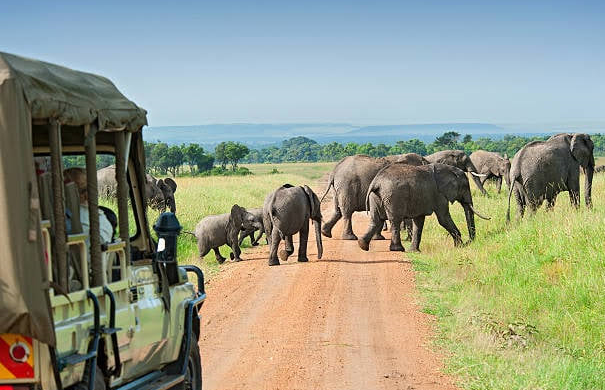
- Big game safaris in Queen Elizabeth National Park: home to the famous tree-climbing lions of Ishasha, large elephant herds, buffaloes, hippos, and the extraordinary Kazinga Channel boat cruise
- Murchison Falls National Park: Uganda’s largest national park, where the entire River Nile forces itself through a seven-metre gorge in a thunderous cascade. Game drives, a Nile boat cruise, and the hike to the top of the falls make this one of East Africa’s finest safari experiences
- Jinja and the Source of the Nile: white-water rafting, kayaking, and standing at the point where the Nile begins its 6,650-kilometre journey north
- Kidepo Valley National Park: one of Africa’s most remote and spectacular parks, rich with lions, cheetahs, ostriches, and Karamojong culture
For travellers wanting a comprehensive East Africa safari, primates, big game, dramatic landscapes, cultural encounters, and adventure, Uganda delivers all of it within a single country. Rwanda simply cannot match that breadth.
Getting There: Rwanda vs Uganda Accessibility
Rwanda
Fly into Kigali International Airport, well-connected from Nairobi, Addis Ababa, Johannesburg, Entebbe, and several European cities. The drive to Volcanoes National Park takes 1.5 to 2 hours on smooth, well-maintained roads. You can arrive in Kigali on a Monday afternoon and be standing in front of gorillas by Wednesday morning.
Uganda
Fly into Entebbe International Airport on the shores of Lake Victoria. The drive to Bwindi Impenetrable National Park takes 8 to 9 hours, long, but a genuine journey through Uganda’s varied and beautiful landscapes. Charter flights connect Entebbe to airstrips near Bwindi in approximately one hour.
The Combined Option
An increasingly popular approach is to visit both countries in a single itinerary, gorillas in Rwanda’s Volcanoes National Park, then crossing the border at Katuna/Gatuna into Uganda for Bwindi, Kibale, Queen Elizabeth, and beyond. The border crossing is straightforward and takes approximately 30 minutes.
Best Time to Go: Rwanda vs Uganda Gorilla Trekking Seasons
Both countries offer gorilla trekking year-round. The gorillas don’t migrate, the season affects your trail conditions and photography, not your access.
Dry Season: June–September and December–February
The best time to trek in both Rwanda and Uganda. Trails are firmer, skies are clearer, and photography conditions are at their peak. Book permits and lodges 6 to 12 months ahead for these months.
Green Season: March–May and October–November
Lush, atmospheric, and genuinely beautiful. Trails are muddier and more demanding, but visitor numbers are lower and lodge rates occasionally drop. Bwindi in the rain, mist in the ancient trees, the forest alive and dripping, is one of the most atmospheric places I have ever stood. Adventurous travellers who don’t mind getting wet often prefer the green season in Uganda.
Accommodation: Rwanda vs Uganda
Rwanda
Rwanda’s lodges near Volcanoes National Park are polished, beautifully designed, and premium-priced:
- Luxury: Bisate Lodge, One&Only Gorilla’s Nest, Singita Kwitonda Lodge
- Mid-range: Mountain Gorilla View Lodge, Five Volcanoes Boutique Hotel
Rwanda’s lodge market skews heavily toward luxury. Mid-range options are more limited than Uganda.
Uganda
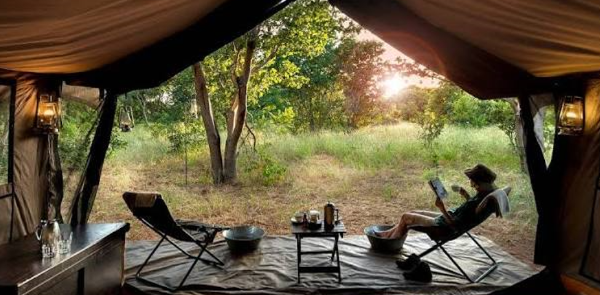
Uganda offers strong accommodation across all price points near Bwindi:
- Luxury: Bwindi Lodge, Clouds Mountain Gorilla Lodge, Sanctuary Gorilla Forest Camp
- Mid-range: Gorilla Heights Lodge, Broadbill Forest Camp, excellent value with great atmosphere
- Budget: Multiple guesthouses in Buhoma and Rushaga villages
For mid-range and budget travellers, Uganda offers significantly better value. For luxury travellers, both countries deliver exceptional properties at broadly comparable price points.
Who Should Choose Rwanda for Gorilla Trekking?
Rwanda is the right choice if:
- You have 4 to 6 days and want a focused, efficient gorilla experience
- You want to combine gorillas with a Kigali city break, Rwanda’s capital is one of Africa’s most walkable and vibrant cities
- You value accessibility and streamlined logistics above all else
- You want to add volcano hiking or the Dian Fossey tomb hike to your itinerary
- You’re combining Rwanda with Nyungwe Forest chimpanzee trekking and Lake Kivu
- Budget is not a primary constraint
Who Should Choose Uganda for Gorilla Trekking?
Uganda is the right choice if:
- one wants the best overall value — the $700 permit saves $800 per person vs Rwanda
- You’re planning a longer East Africa safari of 10 to 14 days or more
- want gorillas plus chimpanzees, big game, and Nile adventures in a single trip
- love remote, wild, adventurous destinations and don’t mind the long drive
- You want to combine gorilla trekking with Kibale, Queen Elizabeth National Park, and Murchison Falls
- You want to explore one of Africa’s most underrated safari countries in genuine depth
The Best Answer: Do Both
I’ll be straight with you. When someone asks me which is better, Rwanda or Uganda, my true answer is always the same.
Do both.
A combined Rwanda and Uganda gorilla safari, crossing the border between these two extraordinary countries, is one of the finest travel experiences anywhere in the world. Gorillas in the Virunga volcanoes. Gorillas in Bwindi. Chimpanzees in Kibale. Lions in Queen Elizabeth. The Nile at Murchison Falls. White water at Jinja.
That is not just a gorilla safari. That is a complete East Africa safari, and there is nothing quite like it on the planet.
At Africa Safari Tours, we design combined Rwanda and Uganda itineraries every day. We know both countries intimately, we hold permit allocations in both parks, and we build itineraries that maximise every single day of your East Africa journey, from your first morning in Kigali to your last sunset over the Nile.
Rwanda vs Uganda Gorilla Trekking: Make Your Choice
There is no wrong answer. Both Rwanda and Uganda deliver one of the most profound wildlife encounters on earth. The question of Rwanda vs Uganda gorilla trekking comes down to this: How much time do you have? What is your budget? And what else do you want from your safari?
Rwanda is the faster, more accessible, more polished route to the gorillas. Uganda is the wilder, more affordable, more expansive journey, with gorillas as the unforgettable centre piece of a much bigger story.
Let our team at Africa Safari Tours help you choose. We’ll listen to what matters most, give you our honest recommendation, and build an itinerary that fits your time, budget, and sense of adventure perfectly.
Contact us today. The gorillas are waiting, on both sides of the border.
FAQs — Rwanda vs Uganda Gorilla Trekking
Q1: Is gorilla trekking cheaper in Rwanda or Uganda? Uganda is significantly cheaper. A Uganda gorilla trekking permit costs USD $700 per person through the Uganda Wildlife Authority, compared to USD $1,500 per person in Rwanda through the Rwanda Development Board. For a couple, that is a saving of $1,600 on permits alone. When accommodation and transport costs are factored in, Uganda remains the better value destination overall.
Q2: Which country offers the better gorilla trekking experience — Rwanda or Uganda? Both offer extraordinary gorilla encounters, the same species, the same one-hour rule, the same life-changing moment. Rwanda offers a more accessible, polished experience close to Kigali. Uganda’s Bwindi Impenetrable National Park offers a rawer, wilder, more immersive trek. Many experienced safari travellers consider Bwindi the more moving experience precisely because of the effort required to reach it. The best answer, if time and budget allow, is to trek gorillas in both countries.
Q3: How far in advance should I book gorilla trekking permits in Rwanda and Uganda? For peak season travel, June to September and December to February, book permits 6 to 12 months in advance in both countries. Uganda has more permit availability due to its larger number of habituated gorilla families, but peak season still fills quickly. Green season permits are generally available with 2 to 3 months’ notice in both countries.
Q4: Can I combine gorilla trekking in Rwanda and Uganda in a single trip? Yes, and this is one of East Africa’s finest safari itineraries. The border crossing at Katuna/Gatuna between Rwanda and Uganda is straightforward. Many travellers trek gorillas in Volcanoes National Park, cross into Uganda, then continue to Bwindi, Kibale Forest for chimpanzees, Queen Elizabeth National Park for big game, and Murchison Falls for the Nile experience. Allow 12 to 16 days for a comfortable combined trip.
Q5: Which destination is better for first-time gorilla trekking visitors? First-time visitors with limited time of 4 to 6 days are often best served by Rwanda, the logistics are simpler and the experience is seamlessly organised. First-time visitors with more time and a desire for broader wildlife will get better value and greater variety from Uganda. Budget-conscious first-timers should choose Uganda without hesitation, the $700 permit delivers exactly the same gorilla encounter for $800 less per person.