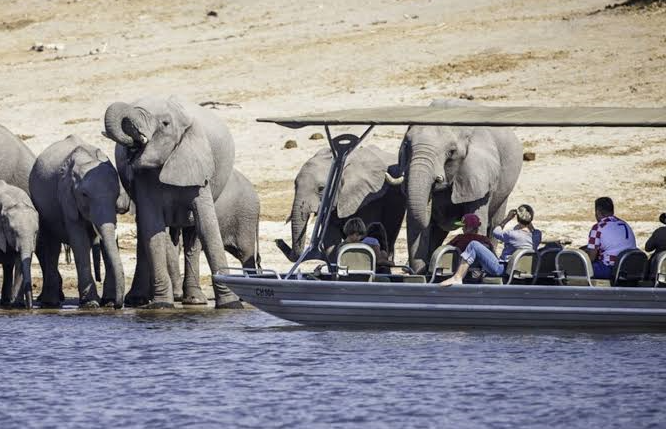
Wildlife, Activities, Best Time & Travel
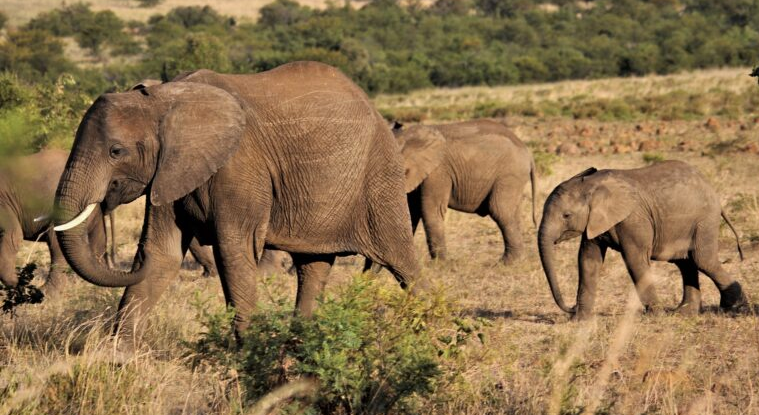
A Lomami National Park Travel Guide is an excellent starting point for travelers searching for an authentic African wilderness experience far from the continent’s busiest safari destinations.
Located in the Democratic Republic of the Congo, Lomami National Park protects a vast tropical rainforest landscape filled with exceptional biodiversity, rare wildlife and important conservation areas.
Unlike popular savannah destinations where visitors follow established game drive routes and regularly encounter large herds of elephants, buffaloes, or antelopes, Lomami offers a very different type of adventure.
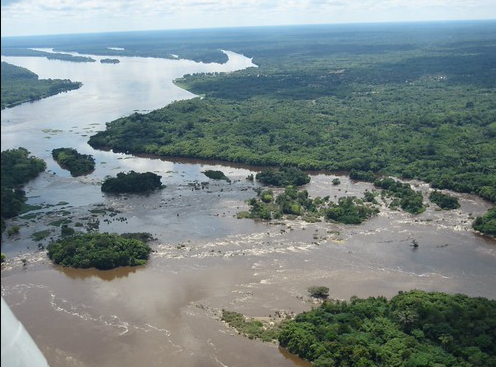
Here, the rainforest itself becomes part of the experience. Travelers enter a world of towering trees, dense vegetation, winding rivers, forest trails, and the sounds of wildlife hidden beneath the canopy.
The park is particularly important for its primate diversity and its role in protecting species such as bonobos and the lesula monkey.
It also forms part of the wider Congo Basin ecosystem, one of the world’s most significant tropical rainforest regions.
Visiting Lomami National Park requires more preparation than a conventional safari. Its remote location, and changing local conditions mean that travelers should plan carefully and work with experienced guides or specialist tour operators.
However, these challenges are also part of what makes Lomami special. For adventurous travelers, researchers, and explorers, a journey into this remote rainforest can provide an experience unlike any other African safari.
Where Is Lomami National Park?
Lomami National Park is located in the central part of the Democratic Republic of the Congo. The protected area covers a vast expanse of tropical rainforest across parts of Maniema and Tshopo provinces.
The park forms part of the larger Congo Basin rainforest ecosystem, which stretches across several Central African countries.
This region is globally recognized for its biological richness and its importance in supporting wildlife, forests, rivers, and local communities.
Lomami’s remote location has helped maintain its wild character. Compared with more developed African safari destinations, the park receives relatively few international visitors.
As a result, travelers who reach the area can experience a sense of exploration that is becoming increasingly difficult to find in heavily visited wildlife destinations.
The journey to the park can be complicated. Depending on the planned route and destination, visitors may need to combine flights, road transportation, boats, and guided transfers.
Infrastructure is limited in many areas, so travelers should not expect the same level of convenience found in major safari destinations.
For visitors planning a wider Congo adventure, you can also explore our Democratic Republic of Congo safari tours for ideas about wildlife and nature experiences in the region.
Why Visit Lomami National Park?
The main reason to visit Lomami National Park is its extraordinary wilderness character. This is a destination for travelers who want to move beyond the conventional safari experience and discover a lesser known part of Africa.
One of the park’s greatest attractions is its biodiversity. The tropical rainforest supports numerous mammals, primates, birds, reptiles, amphibians, insects, and plant species.
Many animals are adapted to life in dense forest environments, making wildlife encounters different from those found on open savannahs.
Lomami is also especially significant because of its primates. The park protects habitat for bonobos, one of humanity’s closest living relatives, a species that became widely known after its scientific description in the early 2010s.
For wildlife lovers, these species alone make the region fascinating. However, Lomami offers much more than individual animal sightings.
The experience involves entering an ecosystem where every sound, footprint, movement, and plant can tell part of the story.
Visitors may spend time walking through rainforest environments, listening for primate calls, watching birds in the canopy, identifying animal tracks, or learning about the relationship between local communities and the surrounding natural environment.
Wildlife is one of the central reasons travelers choose to explore Lomami. However, anyone planning a Lomami National Park Travel Guide itinerary should understand that rainforest wildlife viewing is different from traditional savannah game viewing.
Dense vegetation can make animals difficult to see. Instead of driving across open grasslands and spotting wildlife from a distance, listen carefully, follow tracks, and rely on experienced guides.
Bonobos
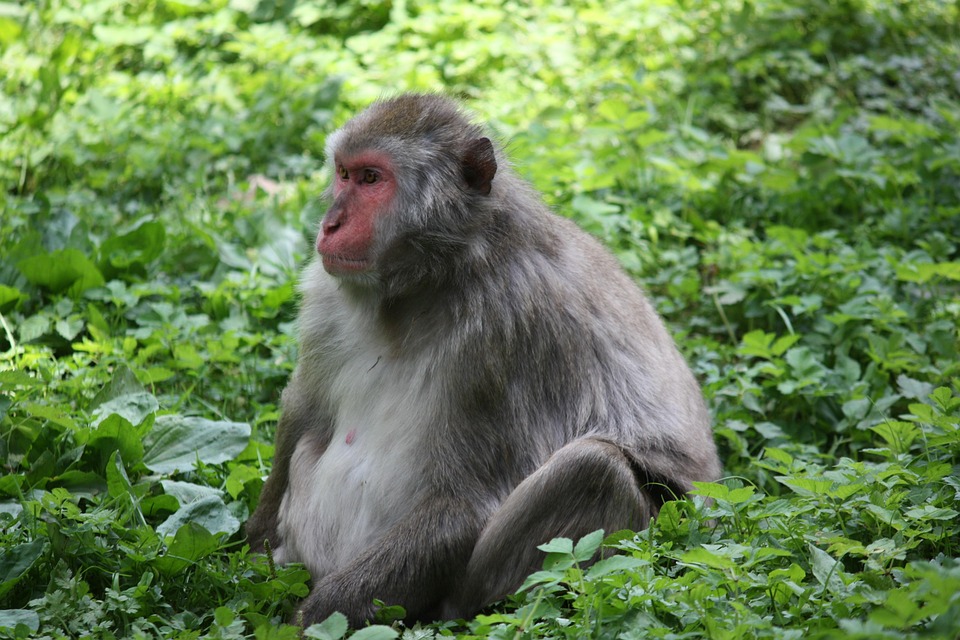
Bonobos are among the most famous and scientifically important primates associated with the Democratic Republic of the Congo.
They are found only in the DRC and are known for their complex social behavior and close genetic relationship to humans.
The rainforest environment provides bonobos with food, shelter, and protection. Observing them in the wild can be a memorable experience, particularly for travelers interested in primates and conservation.
However, sightings cannot be guaranteed. Bonobos live in dense forest environments and can move through areas that are difficult for humans to access.
Tracking them therefore requires patience, local knowledge, and experienced guides.
Visitors should also remember that responsible wildlife viewing is essential. Animals should never be chased, surrounded, or disturbed simply to obtain a photograph.
Lesula Monkeys
The lesula is another remarkable primate associated with the Lomami region. The species attracted international scientific attention after researchers documented and formally described it in the early 2010s.
Its discovery demonstrates how much remains unknown about Central Africa’s rainforest ecosystems.
Even today, the Congo Basin continues to provide opportunities for researchers to improve our understanding of wildlife and biodiversity.
For wildlife enthusiasts, the possibility of encountering a lesula in its natural environment adds another layer of excitement to exploring Lomami.
Other Primates
Lomami’s forests support a range of other primates. Depending on the location and conditions, travelers may encounter different monkey species moving through the canopy or forest understory.
Primate tracking often requires careful observation, sudden call from the trees, movement among leaves, or distant sounds can alert guides to the presence of animals.
This makes rainforest exploration particularly rewarding for visitors who enjoy the process of discovering wildlife rather than simply observing animals from a safari vehicle.
Forest Elephants
The wider Congo Basin is an important habitat for African forest elephants. These elephants are adapted to life in dense tropical forests and differ in appearance and behavior from their savannah relatives.
Forest elephants face serious conservation pressures, including poaching and habitat loss. Their presence highlights the importance of protecting large, connected forest ecosystems.
Because of the dense vegetation, sightings can be challenging. Nevertheless, signs such as tracks, feeding areas, and other evidence of elephant activity can provide fascinating insights into the animals living within the forest.
Birds and Smaller Wildlife
Lomami is also potentially rewarding for birdwatchers. The rainforest, rivers, wetlands, and forest clearings provide habitats for a variety of bird species.
Birdwatching in a tropical rainforest requires patience. Many birds remain high in the canopy or move quickly through thick vegetation. Early mornings can be particularly rewarding because birds are often active and vocal.
Beyond birds and mammals, the forest contains countless smaller creatures, including butterflies, insects, reptiles, and amphibians.
These species play important ecological roles and contribute to the incredible biodiversity of the Congo Basin.
Top Things to Do in Lomami National Park
A comprehensive Lomami National Park Travel Guide should include more than wildlife viewing. The park’s remote rainforest environment creates opportunities for several nature-based activities.
Wildlife Tracking
Wildlife tracking is one of the most immersive ways to explore Lomami. Rather than simply driving through the park, travelers can enter the forest with trained guides who understand animal behavior and recognize signs that visitors might easily miss.
A tracking experience may involve looking for footprints, feeding signs, nests, broken branches, animal calls, or other evidence of wildlife.
The activity requires patience. Sometimes travelers may walk for hours without seeing a major animal, yet the experience remains rewarding because every step reveals more about the forest ecosystem.
Primate Observation
Primate observation is one of Lomami’s major attractions. Bonobos, lesula monkeys, and other forest primates make the region particularly interesting for travelers fascinated by wildlife behavior.
The best experiences often come when visitors remain quiet and patient. Primates can move quickly, disappear into vegetation, or remain high in the canopy.
A knowledgeable guide can significantly improve the experience by identifying calls and explaining animal behavior.
Bird Watching
Birdwatching offers another excellent way to experience the rainforest.
Travelers should carry binoculars and, if possible, a suitable field guide or bird identification application. A camera with a good zoom lens can also be useful for documenting distant species.
Rather than focusing only on finding rare birds, visitors should enjoy the overall experience of listening to the forest.
The combination of bird calls, insects, flowing water, and rustling vegetation creates a unique atmosphere.
Guided Forest Walks
Walking through the rainforest allows visitors to experience the ecosystem at ground level.
During a guided forest walk, travelers can learn about trees, plants, animal tracks, insects, and the relationships between different species.
Guides can also explain how local communities use certain forest resources and why conservation is important.
Because rainforest trails can be challenging, visitors should maintain a reasonable level of fitness and wear appropriate footwear.
Photography
Lomami offers opportunities for wildlife and nature photography. However, the rainforest presents different photographic challenges from open savannahs.
Low light, dense vegetation, humidity, and fast-moving animals can make photography difficult. Travelers should bring extra batteries and protect cameras and other equipment from moisture.
Photographers should prioritize responsible behavior. Getting the perfect image should never involve disturbing animals or damaging vegetation.
Conservation Experiences
Lomami’s conservation importance provides another reason to visit. Travelers can learn about the challenges involved in protecting rainforest habitats and endangered wildlife.
Responsible tourism can help create economic incentives for conservation and support local communities.
Visitors should choose operators who prioritize ethical wildlife encounters, environmental responsibility, and respect for local people.
Best Time to Visit Lomami National Park
The best time to visit Lomami depends on your itinerary, activities, and the specific part of the park you plan to explore.
The region has a tropical rainforest climate, so rainfall can occur throughout the year. Travelers should therefore be prepared for wet and humid conditions regardless of the season.
Periods with relatively lower rainfall may make some roads and trails easier to navigate. However, the forest remains lush throughout the year, and rain is an important part of the ecosystem.
During wetter periods, roads and trails may become more challenging. Rivers can also become more significant for transportation in certain areas.
The advantage of visiting during wetter conditions is that the rainforest can appear especially vibrant. Vegetation is lush, streams may be fuller, and the atmosphere can feel particularly wild.
Because weather conditions can vary, travelers should seek up-to-date local advice before departure and remain flexible with their plans.
How to Get to Lomami National Park
Getting to Lomami National Park is one of the most important considerations when planning a trip.
The park’s remote location and limited infrastructure mean that travel can involve several stages. Depending on the chosen itinerary, visitors may use domestic flights, road transfers, boats, and guided transportation.
Travelers should not assume that routes available during one season will always be practical during another. Rainfall, local transportation, and other factors can influence travel times.
For this reason, working with an experienced operator can make the journey considerably easier.
A knowledgeable operator can assist with transportation planning, accommodation arrangements, local guides, permits, and other logistical requirements.
Travelers should also check current security conditions and official travel advisories before departure.
Where to Stay Near Lomami National Park
Accommodation around Lomami is more limited than in established safari destinations.
Visitors should be prepared for a range of options, depending on the location and itinerary. These may include basic guesthouses, locally arranged accommodation, camps, community-based options, or temporary expedition camps.
Travelers seeking luxury lodges with swimming pools, extensive dining facilities, and high-end amenities may find the region less developed than popular safari destinations.
However, the simpler accommodation experience can contribute to the feeling of adventure. The priority is often access to the forest and wildlife rather than luxury facilities.
Accommodation should be confirmed well before departure because availability can be limited.
Travelers interested in combining a Congo adventure with East African primate experiences can explore Uganda gorilla trekking safaris and Uganda chimpanzee trekking tours.
What to Pack for Lomami National Park
Packing properly can make a significant difference during a rainforest adventure.
Recommended items include, Lightweight, breathable long sleeved shirt, camera and spare batteries, Waterproof bags for electronics, quick drying clothing, waterproof backpack cover
Choose neutral colored clothing where practical and avoid wearing items that are unnecessarily heavy or difficult to dry.
Because transportation may involve boats, vehicles, and walking, travelers should keep luggage manageable.
Health and Safety Tips
A trip to a remote rainforest destination requires careful preparation, travelers should consult a qualified travel health professional before departure.
Depending on the itinerary, visitors may need advice about vaccinations, malaria prevention, insect protection, and other health precautions.
Travel insurance is also important. Visitors should ensure their policy covers the activities they plan to undertake and provides appropriate emergency assistance.
Safety should remain a priority throughout the trip, travelers should follow guidance from local authorities and experienced guides and avoid entering unfamiliar remote areas without appropriate support.
Because conditions can change, check the latest travel advisory for the Democratic Republic of the Congo before departure.
Travelers should also carry copies of important documents and maintain communication with their tour operator or designated contacts where possible.
Responsible Tourism in Lomami National Park
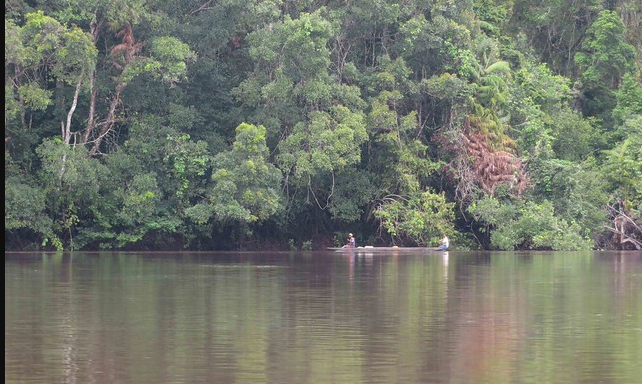
Responsible tourism is essential in a sensitive rainforest environment.
Visitors should respect wildlife by maintaining appropriate distances and avoiding any behavior that could cause stress or disturbance. Feeding wild animals should never be encouraged.
Travelers should also avoid removing plants, flowers, rocks, or other natural materials from the park.
Reducing plastic waste is another important consideration. Visitors should carry reusable water bottles and dispose of waste responsibly.
Supporting local communities can also help create positive tourism impacts. Where possible, travelers should use local guides, purchase locally made crafts, and support community initiatives that operate responsibly.
Cultural respect is equally important and always ask permission before photographing local people, particularly during community visits.
Responsible tourism ensures that the benefits of travel extend beyond individual visitors and contribute to the long-term protection of the destination.
Conservation Importance of Lomami National Park
Lomami National Park is important not only as a travel destination but also as a major conservation landscape.
The Congo Basin rainforest plays a critical role in supporting biodiversity and maintaining ecological processes.
Its forests provide habitat for wildlife while also supporting communities that depend on natural resources.
Protecting such a large and biologically rich ecosystem is a significant challenge. Conservation efforts must address threats such as illegal hunting, habitat degradation, and other pressures affecting wildlife and forests.
Tourism can play a positive role when managed responsibly. By creating opportunities for local employment and supporting conservation initiatives, responsible tourism can help demonstrate the economic value of protecting natural areas.
For travelers, visiting Lomami is therefore an opportunity to experience nature while also gaining a deeper understanding of the importance of rainforest conservation.
Lomami National Park and the Congo Basin Experience
One of the most fascinating aspects of visiting Lomami is its connection to the wider Congo Basin.
The Congo Basin is one of the world’s great rainforest regions. Its rivers, forests, wetlands, and wildlife form a complex ecosystem that extends across national boundaries.
A journey to Lomami allows travelers to experience a part of this enormous ecological landscape.
The experience can be especially meaningful for travelers who have already visited East African savannah destinations and want to discover a different side of African wildlife.
Instead of wide open plains and large concentrations of animals, the rainforest offers mystery and discovery.
Wildlife may be hidden rather than immediately visible, and the landscape itself becomes the main attraction.
Is Lomami National Park Worth Visiting?
For travelers who value remote wilderness, biodiversity, and authentic exploration, Lomami National Park can be an extraordinary destination.
The park is particularly suitable for adventurous travelers who are comfortable with limited infrastructure and unpredictable conditions.
It may not be the best choice for visitors seeking a conventional luxury safari with guaranteed wildlife sightings and highly developed tourism facilities.
However, for researchers, conservation enthusiasts, wildlife photographers, primate lovers, and experienced explorers, the challenges can be part of the attraction.
Lomami offers the possibility of experiencing one of Africa’s less-visited wilderness areas while learning about the importance of protecting the Congo Basin.
The opportunity to explore rainforest habitats associated with bonobos, lesula monkeys, forest elephants, and numerous other species makes the destination especially compelling.
Tips for Planning Your Lomami National Park Adventure
Before traveling, take time to research your itinerary carefully.
First, determine which areas of the park you want to visit and which wildlife or activities are most important to you. This will help determine transportation arrangements and the length of your trip.
Second, work with a reliable operator familiar with the region. Remote travel requires detailed logistical planning, and local expertise can make a major difference.
Third, allow extra time in your itinerary. Rainforest travel does not always follow a strict schedule, and weather or transportation challenges may cause delays.
Fourth, pack appropriately for hot, humid, and wet conditions.
Finally, approach the trip with realistic expectations. Wildlife sightings are never guaranteed, and the purpose of visiting Lomami is not simply to collect a list of animal sightings.
The greatest reward may be the opportunity to experience a remote rainforest, learn about conservation, and discover a part of Africa that remains relatively unknown to international tourism.
Its remote location means that visiting requires more preparation than a traditional safari. Travelers should plan transportation carefully, check current conditions, and prepare for limited infrastructure.
However, those challenges are precisely what make Lomami appealing. The park provides an opportunity to experience rainforest landscapes away from mass tourism while gaining a deeper appreciation for the biodiversity and conservation importance of the Congo Basin.
For travelers planning a broader African wildlife adventure, Lomami can also inspire a multi-country itinerary that combines Central African rainforest experiences with East African gorilla trekking, chimpanzee tracking, savannah safaris, and cultural experiences.
Explore African safari tours to discover more wildlife experiences and begin planning a customized African adventure that matches your interests, travel style, and available time.