Golden Monkey Habituation: Get Closer in Volcanoes National Park
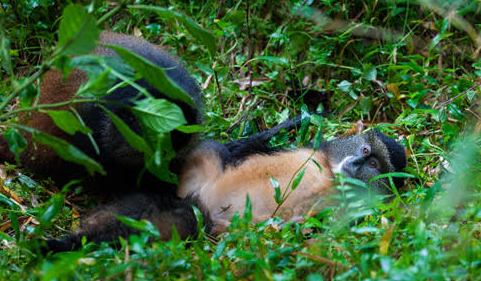
Deep inside the misty volcanic slopes, a unique wildlife adventure awaits nature lovers. Specifically, participating in golden monkey habituation allows you to connect deeply with rare primates.
Unlike standard primate tracking, habituation lets you spend extended time alongside researchers. Furthermore, watching wild troops become comfortable around humans is deeply rewarding.
In this complete guide, we explain everything about this immersive experience. Additionally, we share expert planning advice for your upcoming Rwanda Safari Tours.
What Is Golden Monkey Habituation?
First, habituation is the gentle process of training wild animals to tolerate human presence. Specifically, researchers and trackers visit wild troops daily over several years.
During this gradual period, monkeys learn that human observers pose no threat. Consequently, they continue their natural feeding, grooming, and playing behaviors normally.
Joining a golden monkey habituation team gives you direct insight into primate conservation. Therefore, you experience the forest from a researcher’s perspective.
Why Choose Golden Monkey Habituation over Standard Tracking?
Standard tracking is fantastic, but habituation offers distinct advantages for passionate safari travelers.
1. Extended Time with Primates
Standard tracking permits allow exactly one hour with habituated monkey troops. In contrast, golden monkey habituation offers extended time with the troop.
As a result, you observe complex social behaviors, feeding habits, and territorial communication.
2. Deeper Educational Value
During habituation, expert researchers lead your small trekking group. Consequently, you learn individual monkey names, troop dynamics, and family histories.
Furthermore, guides explain field research methods used to protect endangered species. You can learn more about regional species conservation through the official Rwanda Development Board.
3. Fewer Tourist Crowds
Standard trekking groups can host up to eight or more visitors. However, habituation groups remain strictly limited to smaller numbers.
Therefore, you enjoy a private and peaceful encounter inside the bamboo forest.
Habituation vs. Standard Primate Trekking
To help you compare both options, here is a breakdown of their main differences.
| Experience Feature | Golden Monkey Habituation | Standard Golden Monkey Trekking |
| Focus Key Experience | Educational Research & Tracking | Standard Primate Sightseeing |
| Time Spent with Monkeys | Extended / Multi-Hour Access | Exactly 1 Hour |
| Group Size Limit | Very Small Groups | Up to 8+ Travelers |
| Hiking Difficulty | Moderate to Strenuous | Mild to Moderate |
| Interaction Style | Observational & Scientific | Photographic & Tourism-focused |
Step-by-Step Daily Schedule
Your habituation day begins early at the Kinigi Park Headquarters near Musanze town. First, expert researchers host a specialized safety briefing at 6:30 AM.
Afterward, you drive with your driver-guide directly to the specific mountain trailhead. Trackers then lead you deep into the high bamboo forest belt.
Hiking can take between one and three hours through dense mountain vegetation. Once you locate the semi-habituated troop, your research observation begins.
For complete destination advice, explore our comprehensive Volcanoes National Park Travel Tips.
Best Seasons for Golden Monkey Habituation
Volcanoes National Park experiences cool mountain weather throughout the year. However, rainfall varies depending on the specific calendar month.
Dry Season Advantage (June to September & December to February)
First, dry seasons offer firm forest paths and clear weather underfoot. Consequently, navigating steep bamboo slopes is much easier for hikers.
Additionally, bright sunlight provides fantastic conditions for high-speed photography. Thus, these months remain the most popular choice for safari lovers.
Wet Season Advantage (March to May & October to November)
Conversely, wet months bring frequent rain showers and slippery mountain paths. Therefore, robust waterproof gear becomes essential for all participants.
However, monkeys move down to lower mountain slopes to eat fresh bamboo shoots. As a result, your overall hiking distance is often remarkably short.
Essential Photography Tips for Researchers and Tourists
Photographing monkeys during habituation requires special camera adjustments because of fast movements.
-
Set Fast Shutter Speeds: Use shutter speeds of 1/1000s or faster always.
-
Increase Camera ISO: Raise ISO settings under dense forest leaf canopies.
-
Use Continuous Autofocus: Track active monkeys leaping between high bamboo branches.
-
Bring Waterproof Protection: Keep a rain sleeve handy for sudden mountain mist.
Recommended Packing List for Your Experience
Proper gear ensures safety and comfort while exploring the volcanic mountain rainforest.
-
Waterproof hiking boots with strong ankle support
-
Long trousers and long-sleeved shirts for stinging nettle protection
-
Durable gardening gloves to grip wet bamboo stems easily
-
Breathable waterproof rain jacket or lightweight poncho
-
Reusable water bottle and high-energy snacks
Key Park Regulations and Rules
To protect endangered species, visitors must observe strict park rules throughout the trek.
-
Maintain a minimum distance of seven meters from all monkeys.
-
Wearing a protective face mask is mandatory during close encounters.
-
Flash photography is strictly forbidden inside the national park.
-
Eating or drinking near the primates is strictly prohibited.
-
Always follow ranger instructions carefully throughout your research trek.
Planning Your Complete Primate Safari
Combining multiple wildlife experiences creates an ideal African travel itinerary. For instance, pair golden monkey habituation with mountain gorilla trekking in Volcanoes National Park.
Additionally, visit Nyungwe National Park for wild chimpanzee tracking. Alternatively, travel east to Akagera National Park for classical Big Five wildlife drives.
To start organizing your trip, check out our Rwanda Primate Safaris page today.
Frequently Asked Questions
1. What is golden monkey habituation?
It is a guided conservation process where visitors join researchers observing wild monkeys adjusting to human presence.
2. Is there an age limit for this activity?
Yes, the minimum age requirement for primate habituation in Volcanoes National Park is 12 years old.
3. Is habituation harder than standard trekking?
Yes, habituation often involves longer hikes because wild troops move unpredictable distances through dense forests.
Book Your Primate Safari Today
In conclusion, golden monkey habituation offers an unmatched opportunity to understand primate behavior closely. It remains a deeply rewarding highlight for any East African safari.
Are you ready to join researchers in the Virunga bamboo forests? Contact our expert travel team at Africa Safaris Tours to reserve your permits today!