Africa’s Endangered Wildlife and How Safari Travelers Can Help
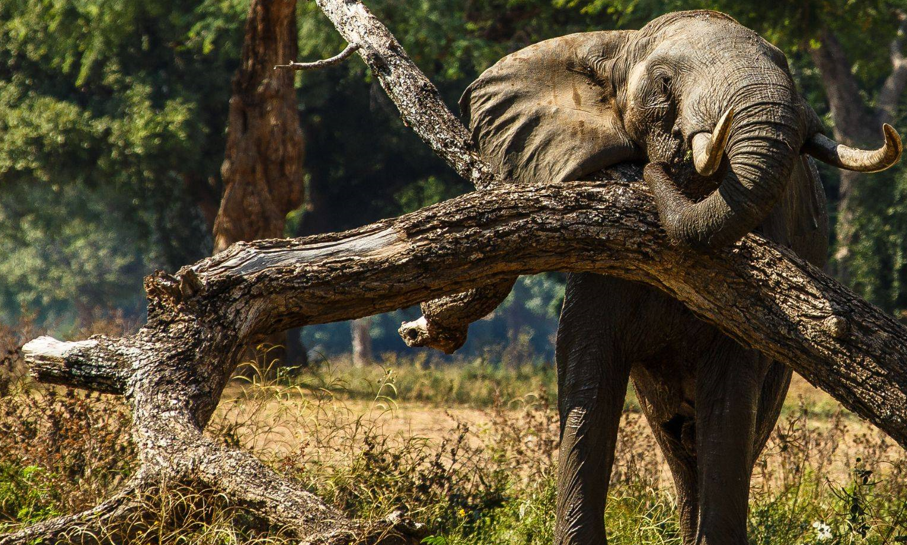
Many of the animals people travel to Africa hoping to see, mountain gorillas, black rhino, African wild dogs, are also among the most threatened species on the planet. An endangered wildlife africa safari isn’t just an opportunity to witness these animals up close, it can also be a direct, tangible contribution to the conservation efforts working to keep them from disappearing entirely. This guide covers some of Africa’s most endangered species, the parks working to protect them, and practical ways travelers can genuinely help through responsible safari choices.
Mountain Gorillas
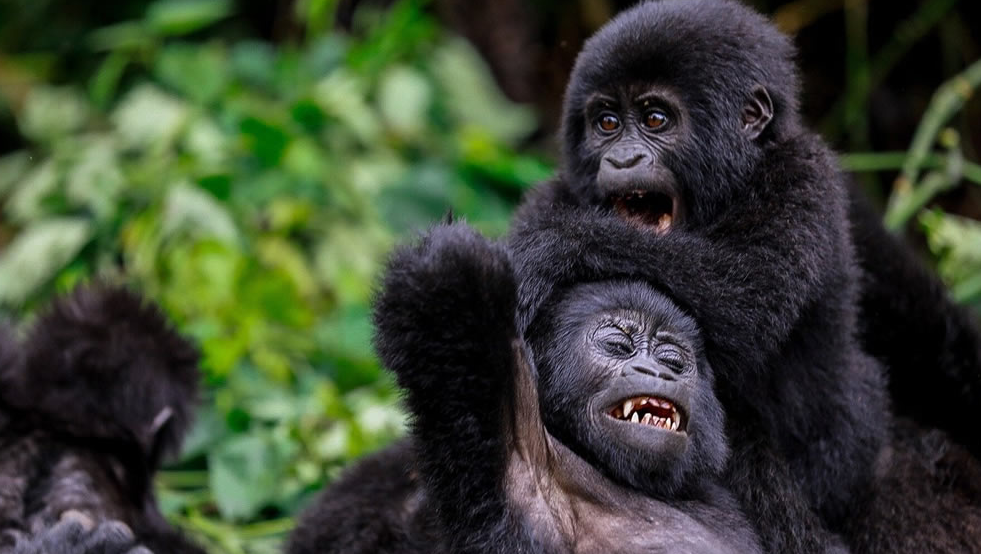
Mountain gorillas are one of conservation’s clearest success stories, population numbers dropped into the low hundreds decades ago, but sustained conservation efforts, largely funded through tourism, have helped the population grow to roughly 1,000 individuals today. Gorilla trekking permit fees in Uganda and Rwanda directly fund ranger patrols, veterinary care, and habitat protection, making an endangered wildlife africa safari centered on gorilla trekking one of the most direct ways a traveler’s money translates into measurable conservation impact.
Black Rhino
Black rhino populations were devastated by poaching through the late twentieth century, and while numbers have slowly recovered thanks to intensive protection efforts, the species remains critically endangered. Namibia’s Damaraland region and several private reserves in South Africa and Kenya run dedicated rhino conservation programs, often funded substantially through tourism revenue and, in some cases, offering travelers the chance to join rangers on rhino tracking and monitoring activities.
African Wild Dog
Often overlooked compared to Africa’s more famous predators, African wild dogs are actually one of the continent’s most endangered carnivores, with fewer than 7,000 individuals remaining in the wild. Botswana, parts of Zimbabwe, and South Africa’s larger conservancies host some of the most stable remaining wild dog populations, and sightings on an endangered wildlife africa safari in these regions directly support the case for protecting the large, connected territories wild dogs need to survive.
Okapi
Rarely seen and little known outside conservation circles, the okapi, a close relative of the giraffe found only in the dense rainforests of the Democratic Republic of Congo, is classified as endangered, with habitat loss and poaching posing ongoing threats. One of the continent’s rarest animals is featured in Okapi in Lomami National Park, a remote destination where conservation tourism plays a direct role in protecting one of Africa’s most elusive species.
Eastern Lowland Gorilla
A distinct subspecies from the mountain gorilla, the critically endangered Eastern lowland gorilla survives in the forests of eastern Democratic Republic of Congo, with populations significantly reduced by decades of regional conflict and habitat disruption. Specialized trekking tourism here remains small-scale but plays a meaningful role in funding ranger presence in an area where conservation infrastructure is still developing.
How Safari Tourism Actually Helps
An endangered wildlife africa safari contributes to conservation in several concrete ways:
- Permit and park fees fund ranger salaries, anti-poaching patrols, and habitat management directly.
- Camp and lodge revenue often supports community development programs, which in turn reduce pressure on wildlife habitat from activities like subsistence farming or poaching driven by economic need.
- Employment as guides, trackers, and camp staff gives local communities a direct financial stake in keeping wildlife and habitat intact.
- Visibility and advocacy generated by tourist interest helps sustain international attention and funding for conservation programs that might otherwise struggle for support.
Choosing Operators That Genuinely Support Conservation
Not every operator markets conservation credentials accurately. When planning an endangered wildlife africa safari, look for companies with transparent, verifiable conservation partnerships, clear explanations of how permit and park fees are allocated, and guides trained specifically in ethical wildlife interaction protocols for sensitive or endangered species.
What Travelers Can Do Beyond Booking
- Choose destinations and operators with strong, verifiable conservation track records.
- Follow all wildlife viewing guidelines closely, particularly around endangered species where disturbance can have an outsized impact on already-fragile populations.
- Consider donating directly to reputable conservation organizations working in the areas you visit, beyond what’s included in your trip cost.
- Share accurate information about conservation challenges and successes after your trip, helping build broader public awareness and support.
For detailed, up-to-date conservation status on Africa’s most threatened species, the IUCN Red List is the most authoritative resource for tracking population trends and current threats.
Final Thoughts
An endangered wildlife africa safari offers something increasingly rare: a form of travel that can directly fund the survival of the species it showcases. From mountain gorillas to black rhino, wild dogs, and the elusive okapi, choosing destinations and operators committed to genuine conservation turns a memorable trip into a meaningful contribution toward protecting some of the planet’s most threatened wildlife for future generations.
Want to build a trip centered on conservation-focused destinations? Get in touch with Africa Safari Tours and we’ll help you plan an endangered wildlife africa safari that genuinely supports the species you’re hoping to see.