Is It Safe to Travel on Safari in Africa?
Africa safari safety is one of the most common concerns among first-time travelers. Media headlines often paint an exaggerated picture of danger. However, the reality on the ground looks quite different. In this guide, we break down what Africa safari safety actually looks like in practice. From wildlife encounters to general travel security, you’ll leave with a clear, realistic understanding of the risks involved.
Understanding the Real Risks
Discussing Africa safari safety requires separating perception from reality. Most safaris take place in well-managed national parks with trained rangers and guides. Consequently, serious incidents involving tourists remain extremely rare. That said, no destination is entirely risk-free. Wildlife encounters, road conditions, and health factors all deserve genuine attention. Understanding these realistic risks, rather than exaggerated fears, helps you prepare properly for your trip.
Wildlife Safety on Game Drives
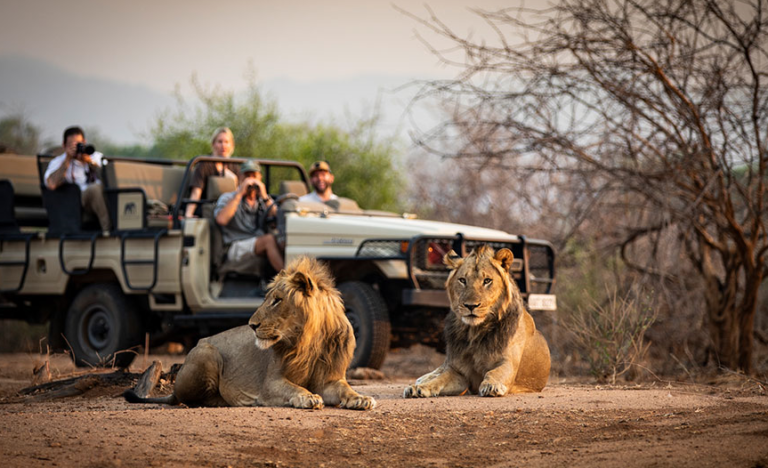
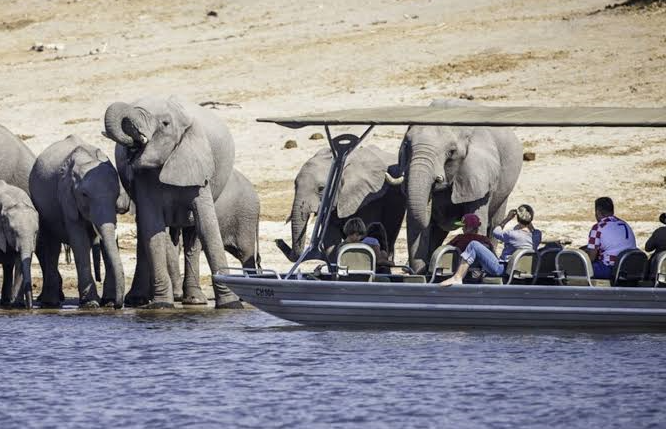
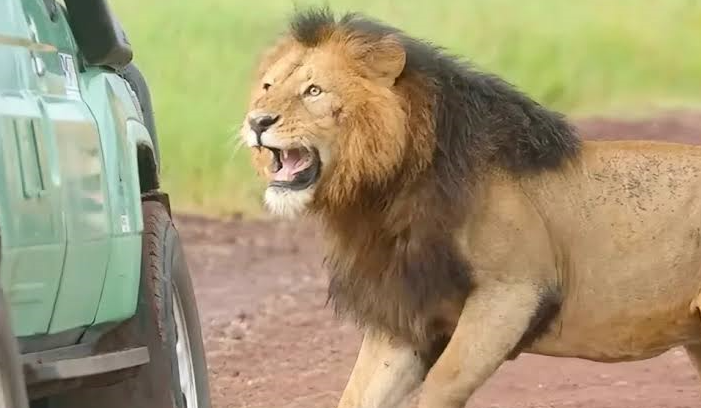
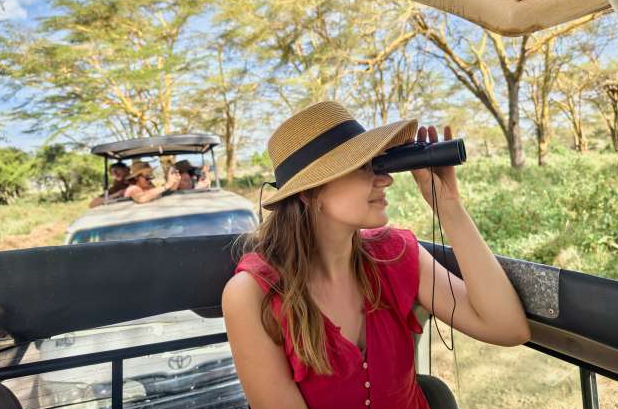
Wildlife encounters form the core of any safari experience, and safety here is well managed. Professional guides maintain safe distances and understand animal behavior thoroughly. Additionally, vehicles are specifically designed for game viewing, keeping passengers secure throughout. Animals generally view safari vehicles as a single, non-threatening object, rather than individual humans. Therefore, staying inside the vehicle when instructed significantly reduces any risk. Africa safari safety during game drives relies heavily on following your guide’s directions at all times.
Safety During Gorilla Trekking
Gorilla trekking introduces a different safety dynamic than traditional game drives. Armed rangers accompany every trekking group, both for security and gorilla protection. Strict rules govern distance, noise levels, and movement around habituated gorilla families. To better understand this experience beforehand, read our guide on What Is Mountain Gorilla Trekking? Preparing physically also matters significantly for trek safety, so check our article on Gorilla Trekking Fitness: How to Prepare for Volcanoes National Park as well.
General Travel Security in Safari Destinations
Beyond wildlife, general travel security follows similar principles to anywhere else in the world. Popular safari destinations like Uganda, Rwanda, Kenya, and Tanzania see millions of tourists safely each year. Petty theft can occur in busy urban areas, just as in any major city worldwide. Therefore, standard precautions, like securing valuables and avoiding isolated areas at night, apply here too. Working with a reputable, experienced tour operator significantly reduces logistical and security risks throughout your trip.
Health-Related Safety Considerations
Health forms another important piece of the Africa safari safety puzzle. Malaria prevention, safe drinking water, and proper vaccinations all reduce potential risks considerably. For a full breakdown of what’s recommended, read our detailed guide on Africa Safari Vaccinations and Health Requirements. Additionally, travel insurance provides an important safety net for unexpected medical situations. Our article on Travel Insurance for Africa Safari explains exactly what coverage to look for.
Political Stability and Government Travel Advisories
Political stability varies across the African continent, so it’s worth checking current advisories before booking. The U.S. Department of State publishes country-specific travel advisories updated regularly. Similarly, the UK Foreign, Commonwealth & Development Office offers detailed guidance for British travelers. Checking these resources for your specific destination provides an accurate, current picture of political and security conditions.
How Tour Operators Enhance Safety
Choosing an experienced, reputable tour operator significantly improves your overall Africa safari safety. Established companies maintain well-serviced vehicles, employ trained guides, and follow strict park regulations. Additionally, they often have established relationships with local authorities and medical facilities. This local expertise proves invaluable if unexpected situations arise during your trip. Always verify operator credentials and read recent traveler reviews before booking.
Practical Safety Tips for Every Traveler
A few practical habits further improve Africa safari safety on any trip. Always follow your guide’s instructions, especially during wildlife encounters. Keep valuables secure and avoid displaying expensive items unnecessarily. Stay hydrated, wear appropriate clothing, and inform your guide of any medical conditions beforehand. Combining these habits with proper trip planning creates a genuinely secure travel experience.
Final Thoughts on Africa Safari Safety
Ultimately, Africa safari safety comes down to preparation, awareness, and working with experienced professionals. The real risks are far smaller than common misconceptions suggest, and millions of travelers enjoy safe, life-changing safaris each year. With the right preparation, your safari can be both thrilling and secure. Ready to plan with confidence? Contact Us and our team will build a route around your comfort level.