Gorilla Trekking Fitness: How to Prepare for Volcanoes National Park
Gorilla trekking fitness is the single biggest factor that determines whether your trek to Volcanoes National Park feels magical or miserable. Hiking through Rwanda’s steep volcanic slopes takes real stamina. Altitude, mud, and dense vegetation all test your body. However, with the right preparation, almost anyone in reasonable health can enjoy this bucket-list adventure. In this guide, we break down exactly how to build gorilla trekking fitness before you fly to Rwanda. We also cover packing, altitude, and what to expect on trek day. So, whether you’re a casual hiker or a total beginner, you’ll leave this article ready to plan your training.
Why Gorilla Trekking Fitness Matters in Volcanoes National Park
Volcanoes National Park sits at high altitude, often above 2,500 meters. Trails climb through thick bamboo forest and volcanic terrain. Some treks last just an hour. Others stretch beyond six hours. Because trek difficulty depends on where the gorillas are that day, you cannot predict your route in advance. Therefore, solid gorilla trekking fitness gives you a safety margin either way. Rangers set a strong pace, and porters can only help so much. Consequently, your own conditioning matters most. Poor fitness can turn a dream trip into an exhausting struggle. Good fitness, on the other hand, lets you focus on the gorillas instead of your aching legs.
Building a Gorilla Trekking Fitness Training Plan
Start training at least six to eight weeks before your trip. This timeline gives your body time to adapt gradually. Below are the core pillars of an effective gorilla trekking fitness routine.
1. Cardiovascular Endurance
Aim for three to four cardio sessions weekly. Brisk walking, jogging, cycling, and swimming all work well. Gradually increase duration until you can sustain 60 to 90 minutes of continuous movement. This builds the stamina needed for unpredictable trek lengths.
2. Hill and Stair Training
Volcanoes National Park terrain is steep and uneven. So, incorporate hill walks or stair climbing into your routine. If you live somewhere flat, use a stair machine or a treadmill set to a steep incline. This targets the same muscles you’ll rely on during your trek.
3. Strength and Core Work
Strong legs and a stable core protect your joints on uneven ground. Add squats, lunges, and step-ups twice a week. Planks and other core exercises also improve balance. As a result, you’ll navigate mud and roots more confidently.
4. Practice Hikes with a Loaded Pack
Nothing prepares you better than the real thing. Take practice hikes wearing the boots and day pack you’ll bring to Rwanda. Gradually add weight to simulate carrying water, snacks, and a camera. This step often gets overlooked, yet it matters enormously for gorilla trekking fitness.
Altitude and Health Considerations
Volcanoes National Park’s elevation can affect even fit trekkers. Mild symptoms include headaches, shortness of breath, or fatigue. Consequently, it helps to arrive in Rwanda a day or two early. This allows partial acclimatization before your trek. Additionally, staying hydrated and limiting alcohol the night before can reduce symptoms significantly. If you have heart, lung, or joint conditions, consult your doctor before booking. The Centers for Disease Control and Prevention offers detailed guidance on preparing for high-altitude travel, which is worth reviewing ahead of time. Likewise, the World Health Organization publishes general travel health advice that applies well beyond altitude concerns.
What to Pack for Trek Day
Good gear complements your gorilla trekking fitness and keeps you comfortable. Consider packing the following essentials:
- Waterproof hiking boots with ankle support
- Moisture-wicking layers, since weather shifts quickly
- Gardening gloves, to protect hands from stinging nettles
- A lightweight rain jacket, even in dry season
- A daypack with water, snacks, and a first-aid kit
- Trekking poles, which reduce strain on knees
Because trails can be muddy and slippery, proper footwear is non-negotiable. Meanwhile, layered clothing helps you adjust as temperatures change throughout the day.
What Happens on Trek Day
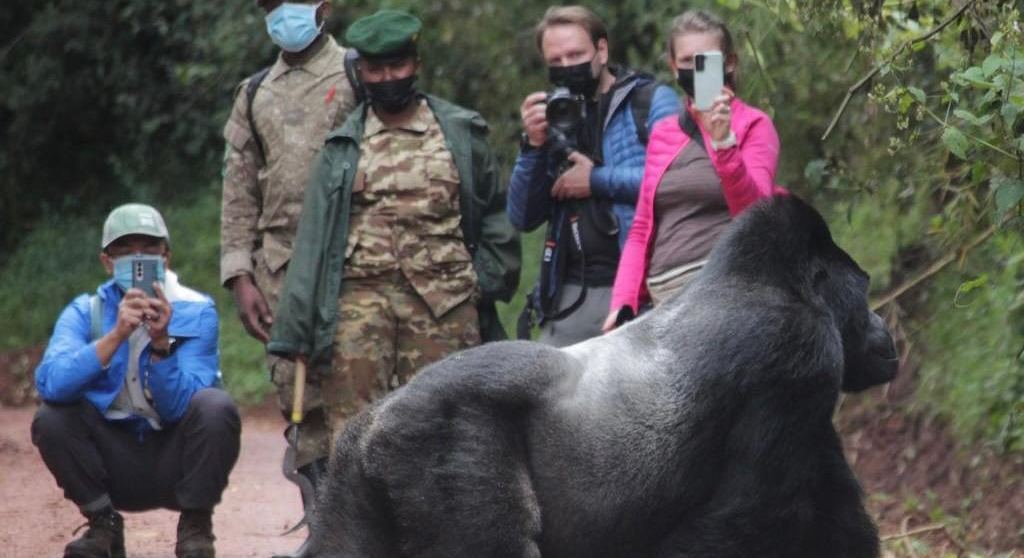
Trekkers gather early at park headquarters for a briefing. Rangers then assign groups based on fitness level and gorilla family location. This is why honesty about your fitness matters during booking. After the briefing, you’ll drive or walk to the trailhead. From there, the hike itself begins, often through farmland before entering dense forest. Once your group finds the gorillas, you’ll spend exactly one hour observing them. This hour, however, makes every training session worthwhile. Afterward, you retrace your steps back to the trailhead, often more tired but thoroughly rewarded.
Tips to Improve Your Gorilla Trekking Fitness Faster
- Be consistent. Short, regular sessions beat occasional long workouts.
- Train on varied terrain. This builds ankle stability and balance.
- Sleep well. Recovery is when your fitness gains actually happen.
- Stay hydrated year-round. Good hydration habits support endurance.
- Listen to your body. Rest when needed to avoid injury before your trip.
Ultimately, small consistent habits build lasting gorilla trekking fitness. Crash training in the final week rarely helps and can even backfire.
Choosing the Right Trek for Your Fitness Level
Not every trekker needs peak fitness. Rwanda Development Board rangers group visitors by ability. Consequently, older travelers or those with moderate fitness can still request gentler trails. If you’re planning your trip, our team can match you with a gorilla family suited to your comfort level. Browse our Rwanda gorilla trekking packages to compare trek options and lodges near the park. You can also read our guide to gorilla trekking permits for booking details and pricing. For a broader look at nearby attractions, check our Rwanda safari itineraries page.
Final Thoughts on Gorilla Trekking Fitness
In the end, gorilla trekking fitness is about preparation, not perfection. You don’t need to be an elite athlete to meet a mountain gorilla in the wild. Instead, focus on steady cardio, strength training, and practice hikes. Combine that with smart packing and realistic expectations. As a result, you’ll arrive at Volcanoes National Park ready for whatever the trail brings. Above all, remember why you’re there: an unforgettable hour with one of the world’s most extraordinary animals. For more official background on the park itself, visit the Rwanda Development Board’s tourism site. Ready to start planning? Explore our full range of Uganda and Rwanda gorilla safaris and let us help you prepare for the trek of a lifetime.