First-time safari travelers often arrive with only a rough idea of what to actually expect once they’re on the ground. Between game drives, meals, and downtime, a typical day on safari follows a fairly consistent rhythm across most camps in Africa, even if specific timings shift slightly by destination and season. Knowing this rhythm in advance helps you pack the right gear, set realistic expectations, and get the most out of each day. Here’s an hour-by-hour look at what a typical day on safari actually involves.
5:30 AM: Early Wake-Up Call
Most camps wake guests before sunrise, usually with a gentle knock on the door or tent flap and a tray of coffee, tea, or hot chocolate along with a light snack like a rusk or biscuit. Early starts are standard on a typical day on safari because wildlife is most active during the cooler hours of dawn, making this the best window for productive game viewing before the heat sets in.
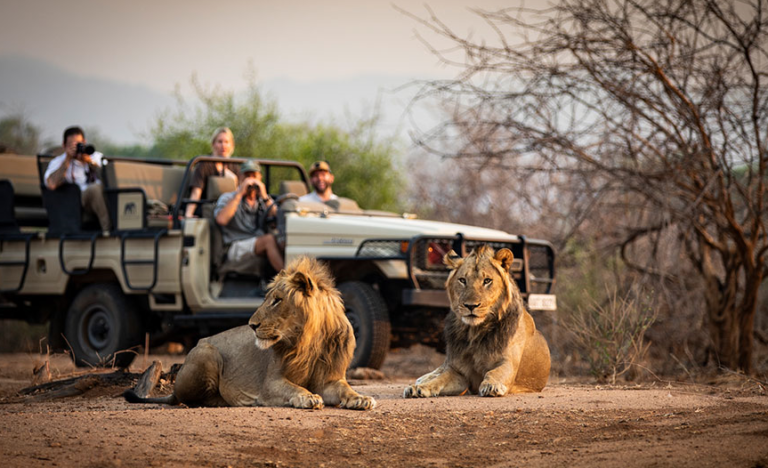
6:00 AM: Morning Game Drive Begins
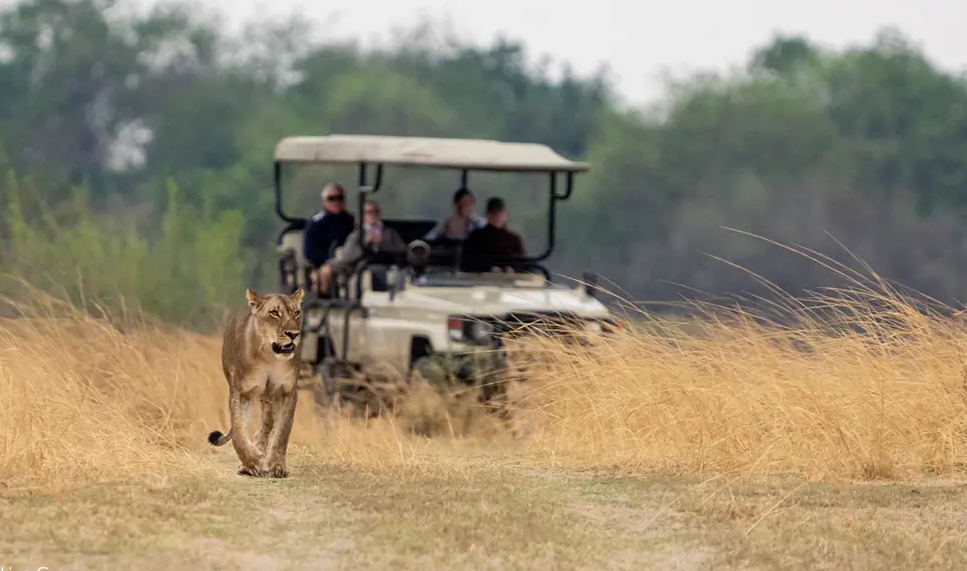
Guests board the safari vehicle and head out for the first game drive of the day, typically lasting three to four hours. Mornings tend to offer the most active wildlife behavior, predators finishing a night hunt, herds beginning to move and graze, and generally cooler, more comfortable conditions for both animals and travelers.
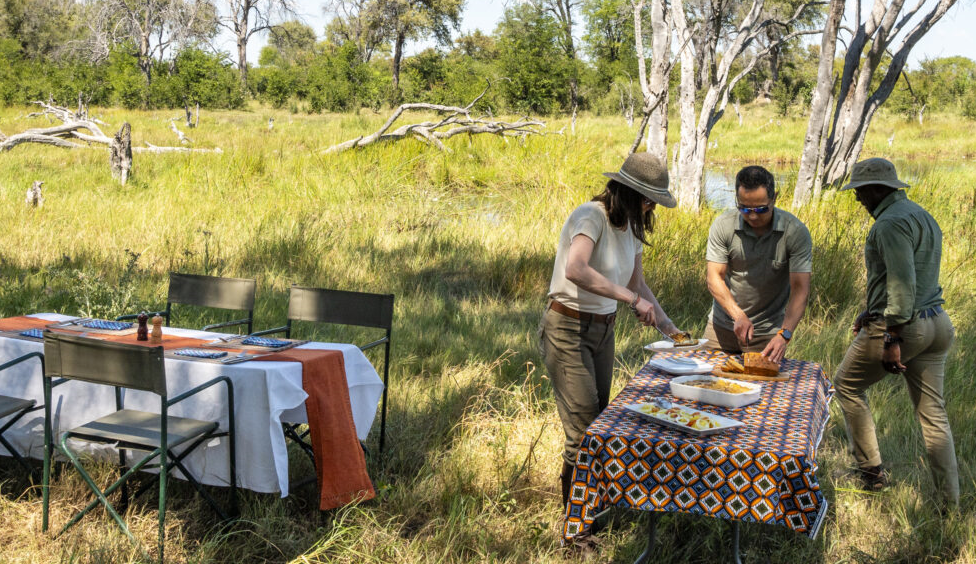
9:00–9:30 AM: Bush Breakfast or Return to Camp
Depending on the camp and itinerary, the morning drive either continues straight through to a mid-morning return, or pauses partway for a bush breakfast, a table set up in a scenic spot with coffee, pastries, and a hot meal served in the open air. This is one of the small details that makes a typical day on safari feel distinctly different from ordinary travel.
10:00 AM–12:00 PM: Rest and Relaxation at Camp
Once the morning drive ends, most of the middle of the day is reserved for rest, since wildlife activity typically drops off significantly during the heat. This window is used for a proper breakfast or brunch back at camp, a swim in the pool if available, a nap, journaling, or simply relaxing on a private deck overlooking the bush.
1:00 PM: Lunch
A full lunch is typically served around early afternoon, often a relaxed, multi-course affair at many higher-end camps, giving guests a chance to socialize with fellow travelers and compare notes on the morning’s sightings before the next activity.
2:00–3:30 PM: Free Time or Optional Activity
The early afternoon on a typical day on safari often remains unstructured, though some camps offer optional activities during this window, such as a guided nature walk around camp, a visit to a nearby village or cultural site, or simply more downtime before the afternoon drive.
4:00 PM: Afternoon Game Drive
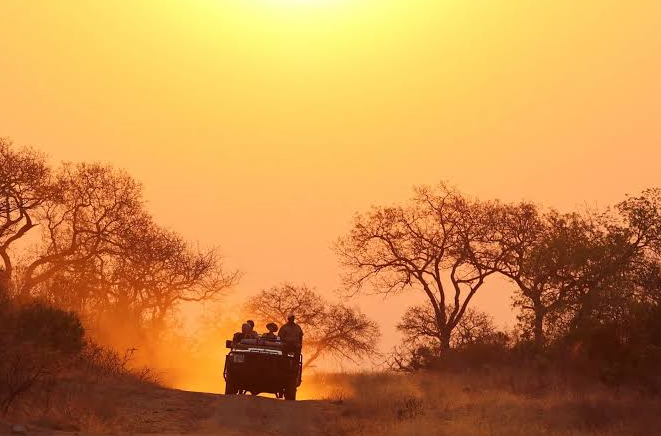
The second game drive of the day typically departs in the mid-to-late afternoon, timed to catch the cooler evening hours as animals become active again after the midday heat. This drive usually runs for two to three hours and often includes a stop partway through for a “sundowner,” drinks and snacks set up in a scenic spot to watch the sunset over the bush.
6:30–7:00 PM: Return to Camp
As darkness falls, the vehicle heads back to camp, sometimes with a spotlight-assisted search for nocturnal wildlife along the way, depending on park regulations, since some reserves restrict night driving while private conservancies often permit it.
7:30 PM: Dinner
Dinner is typically served in the early evening, often around a communal table or at individual tables depending on the camp’s style, giving guests another opportunity to share stories from the day’s sightings. Many camps add a special touch here too, a bush dinner under the stars, a bonfire, or traditional entertainment, particularly at camps with a strong cultural or community connection.
9:00 PM Onward: Evening Downtime
After dinner, most camps wind down relatively early, given the following day’s early wake-up call. Evenings are typically spent around a fire pit swapping stories, reviewing the day’s photos, or simply listening to the sounds of the bush at night before heading to bed.
How This Rhythm Shifts by Activity Type
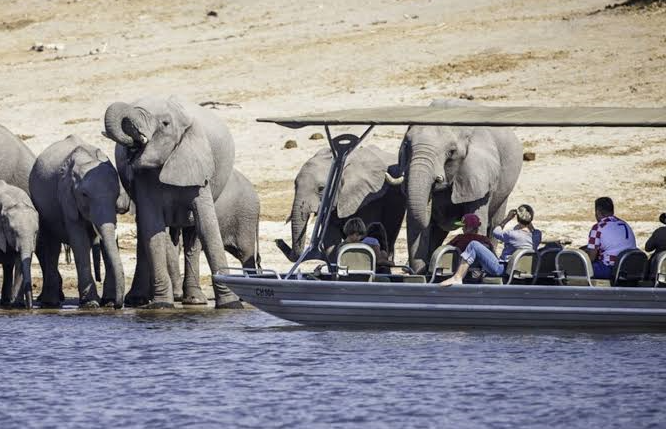
A typical day on safari built around gorilla trekking, a walking safari, or a boat safari follows a somewhat different rhythm, often with an even earlier start for trekking permits, or a midday rather than dawn departure for a boat-based itinerary. For a short, real-world example of how this daily rhythm plays out on an actual multi-day trip, look at our 3 Days Lake Mburo Safari, which shows the pacing of drives, meals, and downtime across a compact itinerary.
Tips for Adjusting to a Typical Day on Safari
- Go to bed earlier than usual in the days leading up to your trip, since early wake-up calls are standard throughout.
- Pack layers, since early morning drives can be surprisingly cold even in otherwise hot destinations, warming up significantly by midday.
- Use the midday rest window intentionally, since trying to stay constantly active throughout a multi-day safari tends to lead to fatigue.
- Bring a journal or a good book for the quieter stretches of the day, since downtime is a genuine and valuable part of the safari rhythm, not a scheduling gap.
For general guidance on adjusting to early-morning activity schedules while traveling, the CDC’s Travelers’ Health resource offers broader tips on managing jet lag and activity-heavy itineraries.
Final Thoughts
A typical day on safari follows a rhythm built specifically around when wildlife is most active, early starts, a restful midday break, and a second drive timed to the cooler evening hours. Once you understand this pattern, it becomes much easier to pack appropriately, pace yourself, and get the most out of every day in the bush.
Curious what your own day-by-day itinerary might look like? Get in touch with Africa Safari Tours and we’ll map out a realistic daily rhythm for your specific trip.