For most travelers, nothing quite matches the thrill of a big cat sighting on safari. Watching a lioness stalk through tall grass, spotting a leopard draped over a tree branch, or catching a cheetah mid-sprint across open plains are the moments that define a trip. But not every park offers the same odds, and knowing the best places to see big cats in Africa can make the difference between a lucky glimpse and a genuinely unforgettable encounter. This guide breaks down where to find each of the continent’s three major cats, and what makes each destination stand out.
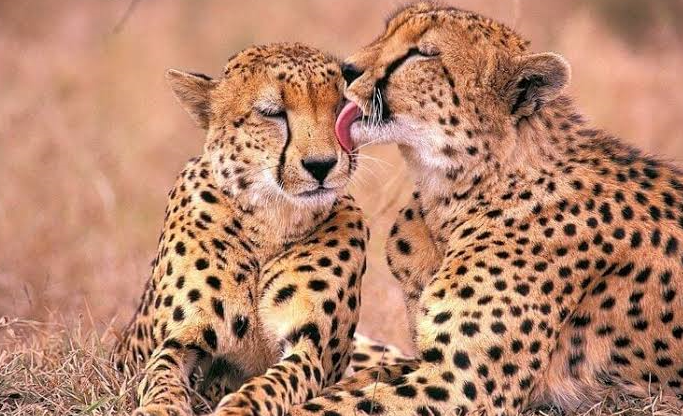
Lions: Where Prides Thrive
Maasai Mara, Kenya
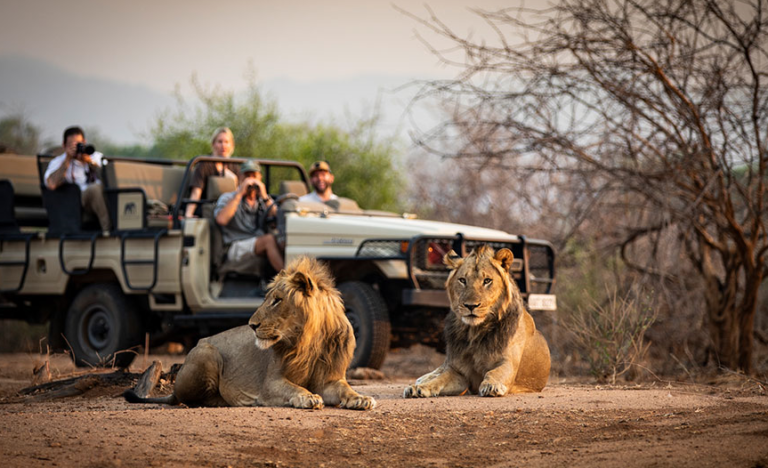
Kenya’s Maasai Mara consistently ranks among the best places to see big cats in Africa, with a dense lion population organized into well-studied, named prides that guides track closely. The open grassland terrain makes spotting easier than in denser bush, and the sheer volume of prey during the wildebeest migration draws prides into highly active, visible hunting behavior.
Serengeti and Ngorongoro Crater, Tanzania
Tanzania’s Serengeti and the Ngorongoro Crater offer similarly strong lion densities, with the crater in particular known for one of the highest concentrations of lions per square kilometer anywhere in Africa, thanks to its contained, resource-rich ecosystem.
Queen Elizabeth National Park, Uganda
Uganda’s Queen Elizabeth National Park adds a unique twist: tree-climbing lions in the Ishasha sector, a rare behavior seen in only a handful of locations worldwide, making it a standout stop for travelers specifically chasing unusual lion sightings.
Leopards: Masters of Concealment
Leopards are notoriously elusive, solitary, nocturnal, and expert at staying hidden, which makes some destinations far better bets than others.
South Luangwa National Park, Zambia
South Luangwa is widely regarded as one of the best places to see big cats in Africa specifically for leopards, with one of the highest leopard densities on the continent and experienced guides skilled at night drives, since leopards are most active after dark.
Sabi Sands and Kruger National Park, South Africa
South Africa’s Sabi Sands private reserve, bordering Kruger, is famous for remarkably relaxed, habituated leopards that allow vehicles to approach closely, often resulting in exceptional, prolonged sightings rarely matched elsewhere.
South Luangwa and Kruger Compared
Both destinations consistently deliver leopard sightings, but the style differs: South Luangwa’s guided night drives offer a more active hunting-behavior experience, while Sabi Sands’ habituated individuals often provide longer, more relaxed viewing opportunities during the day.
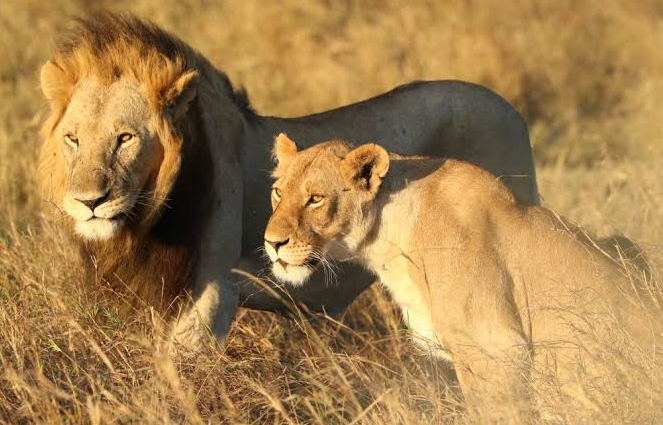
Cheetahs: Built for Open Ground
Cheetahs rely on speed and open sightlines to hunt, which means they favor very different terrain from leopards.
Maasai Mara and Serengeti
The open plains of the Maasai Mara and Serengeti are ideal cheetah territory, offering some of the best places to see big cats in Africa for this species specifically, with frequent sightings of cheetahs scanning the horizon from termite mounds or small rises, and occasionally witnessing a full-speed hunt.
Namibia
Namibia holds the largest free-ranging cheetah population in the world, with the vast open landscapes of the country’s central and northern regions providing exactly the kind of unobstructed terrain cheetahs need to thrive. Conservation-focused reserves here also offer excellent opportunities to learn about cheetah conservation alongside sightings.
Best Time of Year for Big Cat Sightings
Big cat visibility generally improves during the dry season (roughly June to October across much of East and Southern Africa), when vegetation thins out and animals concentrate around remaining water sources, making both predators and prey easier to spot. In the Maasai Mara and Serengeti specifically, the period surrounding the wildebeest migration (July to October) tends to produce especially active predator behavior, since the sheer volume of prey draws prides and individual cats into more visible hunting activity.
Tips for Maximizing Your Chances
- Book experienced local guides, since tracking skill and local knowledge of specific prides or individual cats makes a significant difference to sighting quality.
- Consider a private vehicle, allowing you to linger at a sighting or follow a cat’s movement without holding up a shared group.
- Add night drives where available, since leopards and cheetahs are often more active around dawn, dusk, and after dark.
- Stay longer in cat-dense areas rather than rushing through multiple parks, since patience and repeated game drives generally improve your odds more than covering more ground.
See Kenya’s Predator Country for Yourself
If the Maasai Mara’s reputation for big cat sightings has caught your attention, it’s worth seeing what a dedicated trip to this region actually looks like. See Kenya’s predator country in our 3 Days Masai Mara Wildlife Adventure, built specifically around maximizing time in one of the best places to see big cats in Africa.
For broader conservation context on Africa’s big cat populations, the African Wildlife Foundation publishes useful background on current population trends and threats facing lions, leopards, and cheetahs across the continent.
Final Thoughts
Finding the best places to see big cats in Africa comes down to matching the right destination to the right species: the Maasai Mara and Serengeti for lions and cheetahs on open plains, South Luangwa and Sabi Sands for leopards, and Namibia for cheetahs in their most natural, wide-open habitat. No single park offers guaranteed sightings of every cat, but choosing your destinations with these patterns in mind significantly improves your odds.
Chasing big cat sightings on your next trip? Get in touch with Africa Safari Tours and we’ll build an itinerary around the best places to see big cats in Africa for your travel dates.