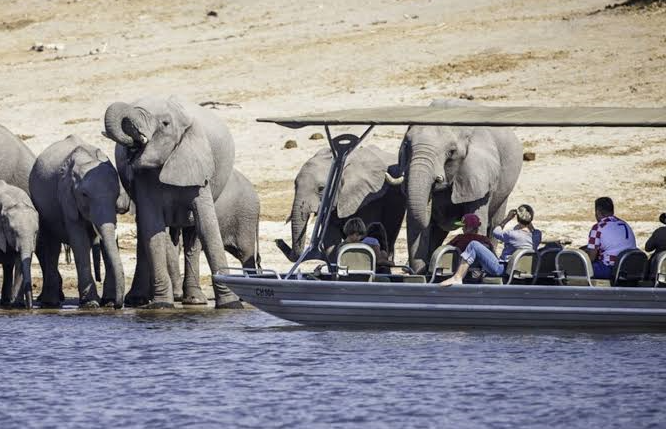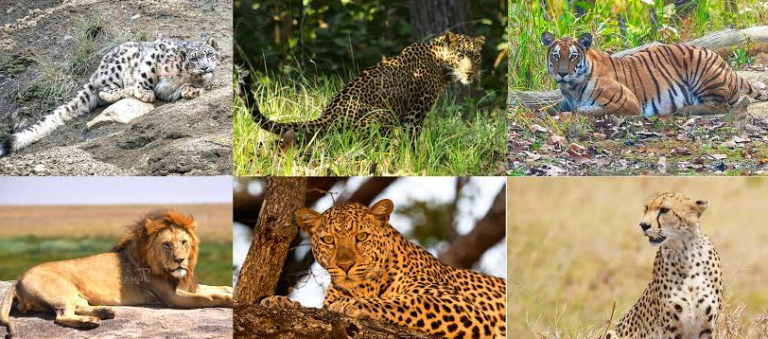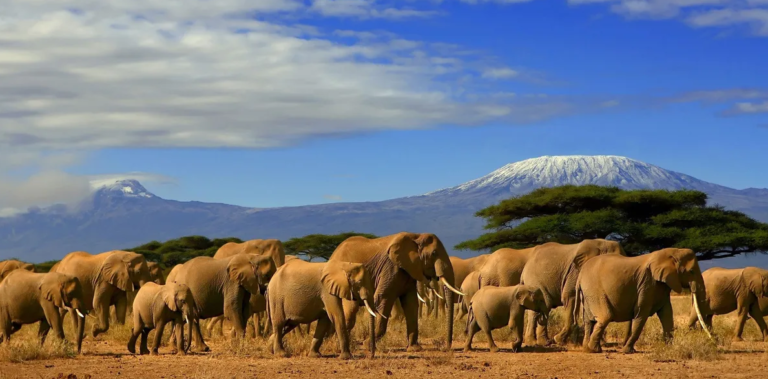
A safari quote can look deceptively simple, one number covering accommodation, game drives, and meals, but the real cost of a trip often extends well beyond that headline figure. Understanding the hidden costs africa safari travelers frequently overlook is one of the most useful things you can do before booking, since several recurring expenses rarely appear in an initial quote but can add a meaningful amount to your total budget. This guide walks through what’s typically included, what usually isn’t, and how to budget realistically so nothing catches you off guard.
What’s Usually Included in a Standard Quote
Most safari quotes cover accommodation, meals at camp, scheduled game drives with a guide, and park entrance fees for the core itinerary. This forms the foundation of the trip, but it’s rarely the full financial picture, and understanding the gap between a quote and your actual spend is central to avoiding hidden costs africa safari travelers often don’t budget for.
International and Domestic Flights
International flights to your safari’s gateway city are almost never included in a safari quote, and neither are regional or domestic flights between parks, which can add a significant amount for multi-destination itineraries involving light aircraft transfers. Always confirm exactly which flights, if any, are bundled into your quote, and price out the rest separately before finalizing your budget.
Visa Fees
Visa costs vary considerably by nationality and destination, and are almost always the traveler’s own responsibility to research and pay, separate from the safari quote itself. Uganda, Rwanda, and Kenya’s East Africa Tourist Visa, for instance, carries its own fee structure, and some countries require payment in cash on arrival, which is worth planning for in advance.
Gorilla and Chimpanzee Trekking Permits
Permits for gorilla or chimpanzee trekking are sometimes included in a package price and sometimes quoted separately, so it’s essential to clarify this upfront, since these are among the single largest line items on an East African safari itinerary and a significant source of hidden costs africa safari travelers can be caught off guard by if assumed to be bundled.
Tipping
Tipping guides, camp staff, and drivers is a well-established part of safari culture across most of Africa, but it’s rarely built into the upfront quote, and the expected amounts can add up meaningfully across a multi-day trip. A rough guideline many operators suggest is $10 to $20 per day for your guide and a smaller amount for camp staff, though this varies by country and length of stay, so it’s worth asking your operator for region-specific guidance before you travel.
Travel Insurance and Medical Evacuation Coverage
Comprehensive travel insurance, particularly medical evacuation coverage, is essential for safari travel given how remote some camps are from proper medical facilities, yet it’s almost never included in a safari quote and must be arranged independently. This is one of the hidden costs africa safari travelers should never skip, regardless of budget, given the real risk involved in remote wilderness travel.
Optional Activities and Add-Ons
Activities like hot air balloon safaris, night drives, walking safaris, or a scenic flight over Victoria Falls are frequently offered as optional extras rather than being bundled into a standard quote. These can meaningfully increase your total spend if you decide to add several once you’re already on the trip, so it’s worth deciding in advance which optional experiences matter enough to budget for upfront.
Gear and Pre-Trip Purchases
Appropriate clothing, a good pair of binoculars, sturdy walking shoes for trekking, and travel-sized toiletries or insect repellent all add to your pre-trip spending, and while individually small, these costs accumulate, particularly for travelers building a safari wardrobe from scratch.
Alcoholic Drinks and Premium Extras
Many camps include non-alcoholic drinks and house wine or beer with meals, but premium spirits, specific wine selections, and spa treatments at some lodges are charged separately, another small but easy-to-overlook addition to your final bill.
How to Budget Realistically
A sensible approach is to take your base safari quote and add roughly 15 to 25% to account for flights, visas, tipping, insurance, and a reasonable allowance for optional activities, adjusting based on how many add-ons you expect to include. For a clear, real-world example of how these line items actually stack up on an East African trip, read our Rwanda Safari Cost breakdown, which walks through permits, lodges, and additional expenses in detail.
Questions to Ask Before Booking
- Does this quote include park fees and trekking permits, or are they billed separately?
- Are domestic or regional flights between parks included?
- What’s the recommended tipping guideline for guides and camp staff on this itinerary?
- Which activities are included versus optional add-ons?
- Does the quote include comprehensive travel and medical evacuation insurance, or is that my responsibility?
Asking these questions directly tends to surface the real total cost far more reliably than assuming a headline quote covers everything.
For general guidance on budgeting and planning international travel expenses, the U.S. State Department’s travel resources offer broader tips on pre-trip financial planning worth reviewing alongside destination-specific research.
Final Thoughts
Understanding the hidden costs africa safari travelers commonly encounter, flights, visas, permits, tipping, insurance, and optional add-ons, is the key to arriving at a realistic total budget rather than being surprised by extras once you’re already mid-trip. A transparent operator should be able to walk you through every one of these line items before you book.
Want a full, transparent cost breakdown for your specific trip? Get in touch with Africa Safari Tours and we’ll walk you through exactly what’s included, and what to budget separately, before you commit.