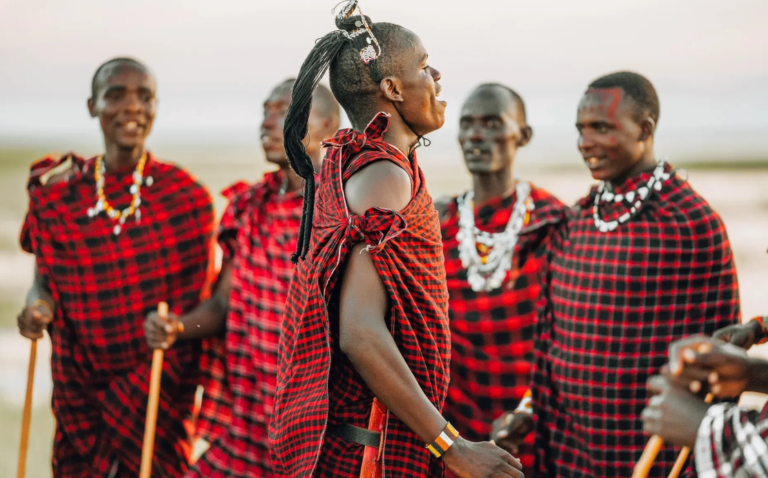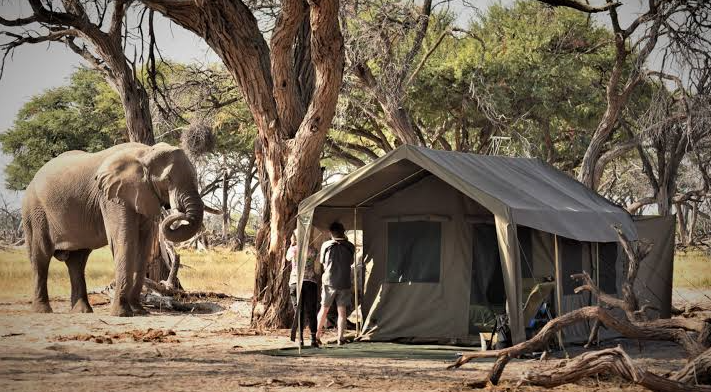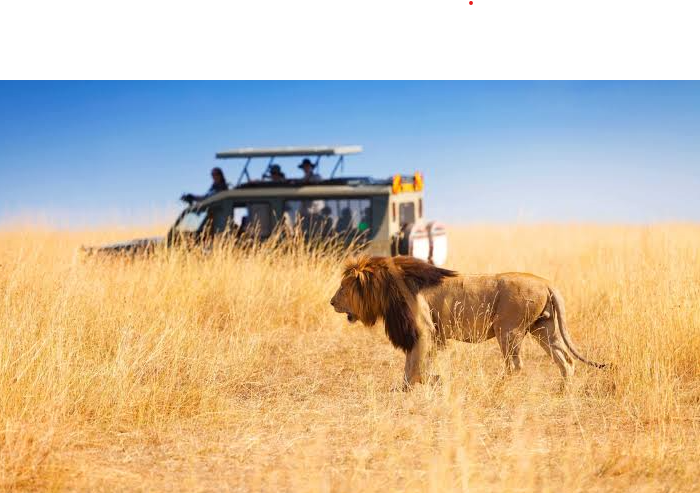
There’s a moment on most safaris when the vehicle stops, the engine goes quiet, and instead of tracking an animal, you’re welcomed into a homestead by people whose way of life has shaped the land around you for generations. That’s the part of the trip most travelers don’t expect to remember most, but often do. Adding genuine cultural experiences to your African safari transforms a wildlife trip into something far richer: a real encounter with the people, traditions, and history behind the landscapes you’ve come to see.
Why Culture Belongs on Every Safari Itinerary
Wildlife draws most travelers to Africa in the first place, and rightly so. But the continent’s cultural diversity, hundreds of ethnic groups, languages, and traditions, is every bit as remarkable as its landscapes. Weaving cultural experiences into your African safari doesn’t mean sacrificing game-drive time; it means adding context, depth, and human connection to a trip that might otherwise stay purely visual.
Village Visits and Homestays
Many safari regions offer the chance to visit a local village or spend time with a host family, sharing a meal, learning traditional cooking methods, or simply talking about daily life. These visits work best when arranged through community-run initiatives, ensuring that the people hosting you directly benefit from the encounter rather than a third-party operator absorbing the proceeds.
Cultural Centers and Museums
Cultural centers offer a more structured way to understand a region’s history without needing a personal homestay. In Uganda, for instance, a great starting point is a stop that blends storytelling, artifacts, and live demonstrations of traditional life. Start with Uganda Cultural Tours and Explore Igongo Cultural Center to see how these experiences are typically built into a Uganda itinerary, combining traditional dance, historical exhibits, and local cuisine in a single, accessible stop.
Traditional Dance and Music
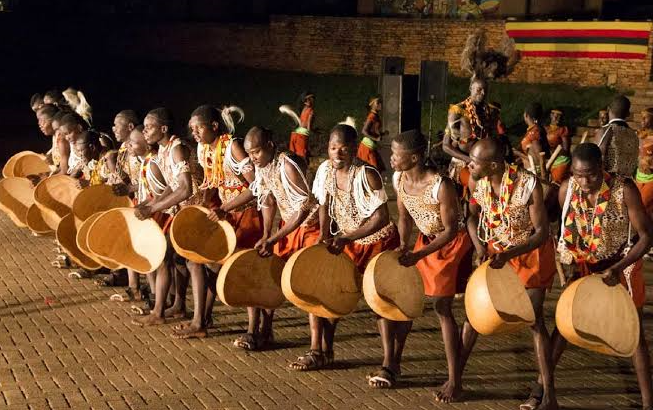
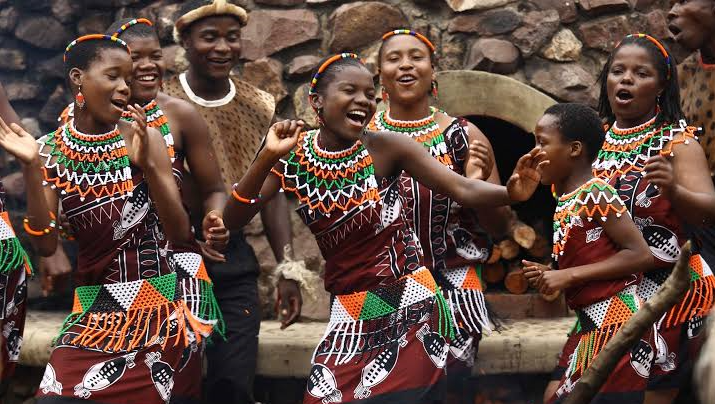
Few experiences capture a region’s spirit as immediately as live traditional dance and drumming. Across East and Southern Africa, community groups perform dances tied to harvest celebrations, coming-of-age rites, or storytelling traditions passed down for generations. Watching, and often being invited to join in, gives travelers a visceral, memorable sense of culture that photographs alone can’t convey.
Markets and Local Cuisine
A local market visit is one of the simplest, most authentic ways to experience daily life. The colors, sounds, and negotiation rituals of an open-air market reveal far more about a region’s rhythm than a formal tour ever could. Pairing that with a meal of traditional dishes, whether it’s Ugandan matoke, Kenyan nyama choma, or Ethiopian injera, rounds out the sensory picture of a place in a way wildlife alone can’t.
Craft Workshops and Artisan Visits
Basket weaving, beadwork, woodcarving, and textile dyeing remain living traditions in many communities, often passed down within families. Visiting artisan workshops lets travelers watch these crafts made by hand, and buying directly supports the maker rather than a distant retailer. It’s one of the most tangible ways a traveler’s spending translates into real community income.
Historical and Heritage Sites
Beyond living traditions, many safari regions hold deep historical significance, from ancient rock art sites to colonial-era landmarks to kingdoms whose influence still shapes local governance today. These sites add a layer of context that helps travelers understand not just what a place looks like, but how it came to be that way.
How to Add Cultural Experiences Without Disrupting Your Safari Flow
The easiest way to build cultural experiences into your African safari is to treat them as natural stopovers rather than separate excursions. A cultural center or village visit fits neatly into travel days between parks, when you’d otherwise simply be driving. This way, culture becomes part of the journey’s rhythm rather than competing with game-drive time.
Choosing Responsible Cultural Tourism
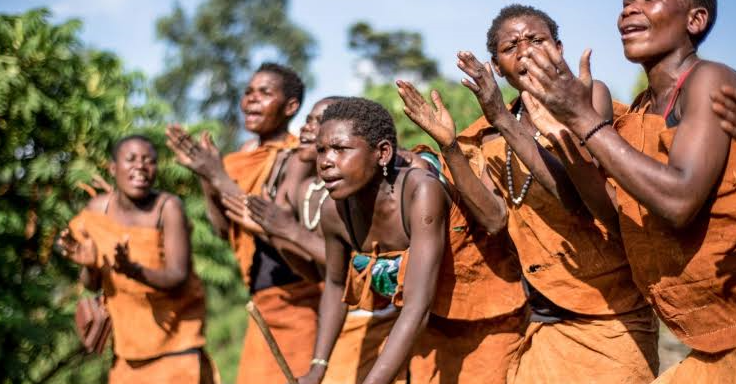
Not every cultural encounter is created equal. The most meaningful experiences are ones where communities have real ownership, setting their own terms, receiving direct payment, and choosing what they share. Avoid staged, transactional “photo-op” visits in favor of operators and centers with genuine community partnerships; the difference is usually obvious the moment you arrive.
Why This Makes Your Safari More Meaningful
A safari built purely around wildlife sightings is unforgettable in its own right. But adding cultural experiences to your African safari rounds out the story, giving faces, voices, and history to the landscapes you’ve traveled through. Travelers who include these stops consistently describe them as the most emotionally resonant part of their trip, often more so than the wildlife itself.
Start Planning a Culturally Rich Safari
If you’d like your next trip to include genuine cultural encounters alongside classic game drives, we can help you build an itinerary around both. Get in touch with our team to start planning a safari that connects you with Africa’s people as much as its wildlife.