Best Parks and Gear Tips
A photography safari africa trip offers endless opportunities to capture stunning wildlife images. However, choosing the right parks and preparing proper gear significantly affects your results. Fortunately, several African destinations cater specifically to photographers, offering ideal light, access, and guiding. In this guide, we cover top parks, essential gear, and practical shooting tips.
Why Africa Is a Photographer’s Dream
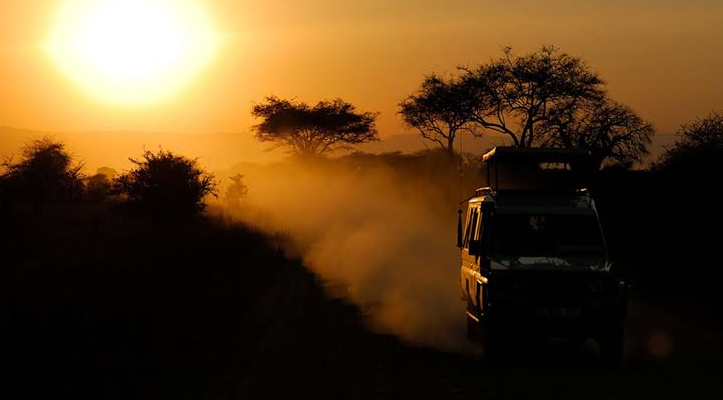
Africa offers unmatched diversity for wildlife photography. Golden light during sunrise and sunset creates dramatic conditions for stunning images. In addition, high animal density in many parks increases opportunities for close, detailed shots. As a result, a photography safari africa trip rewards both beginners and experienced photographers alike. Patient guides familiar with animal behavior further improve your chances of great shots.
Top Parks for Photography
Uganda: Forest and Wildlife Diversity
Uganda offers unique photography opportunities beyond typical savannah scenes. Dense forests provide dramatic lighting and unusual compositions for gorilla and bird photography. Furthermore, specialized photography lodges offer hides and vehicles designed for low-angle shots. Therefore, Uganda ranks among the best photography safari africa destinations for creative variety.
Kenya and Tanzania: Classic Wide-Open Shots
Kenya and Tanzania offer expansive plains ideal for capturing dramatic wildlife scenes. The Maasai Mara and Serengeti provide excellent opportunities during the Great Migration. Meanwhile, open landscapes allow for striking silhouettes against colorful skies during golden hour.
South Africa: Accessible and Varied
South Africa combines accessibility with diverse photography opportunities. Private reserves near Kruger National Park often allow off-road driving for better angles. In addition, coastal areas add opportunities for seabird and marine photography beyond typical safari shots.
Essential Gear for a Photography Safari
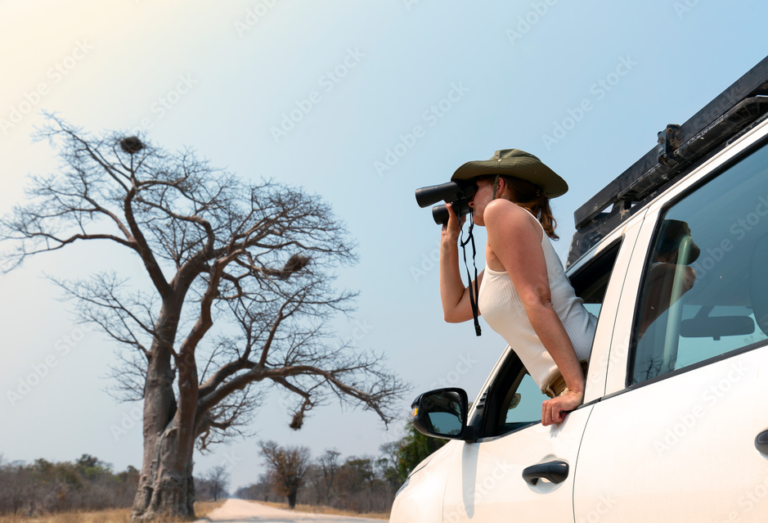
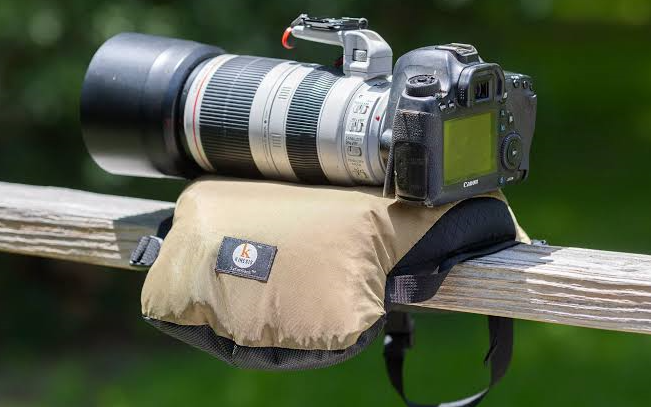
Proper gear significantly improves your results on safari. A telephoto lens, ideally 300mm or longer, helps capture distant subjects clearly. In addition, a sturdy bean bag or window mount stabilizes shots from moving vehicles. Extra batteries and memory cards are essential, since charging opportunities may be limited in remote areas.
Moreover, a lightweight camera bag with dust protection helps manage Africa’s often dusty environments. Many experienced photographers also recommend a polarizing filter to reduce glare during bright midday light.
Choosing Photography-Friendly Lodges
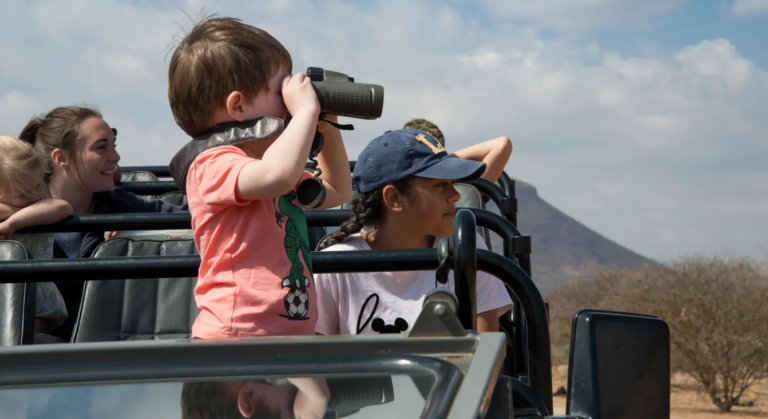
Not all lodges suit serious photographers equally. Some offer dedicated photography vehicles with rotating seats and low sides for clearer shots. Browse camera-friendly stays in Best Safari Lodges in Uganda for Photography: Ultimate Guide: Best Safari Lodges in Uganda for Photography: Ultimate Guide.
For additional technical guidance, National Geographic’s wildlife photography tips offer helpful insights for improving composition and technique.
Shooting Tips for Better Results
Timing matters greatly for wildlife photography. Early morning and late afternoon offer the best natural light. Therefore, plan your most important shoots around these golden hours whenever possible. In addition, patience often matters more than equipment, since waiting for natural behavior produces more authentic images.
Frequently Asked Questions
What camera gear do I need for a photography safari africa trip?
A telephoto lens, extra batteries, and a stabilizing mount are essential. These help capture sharp, detailed wildlife images from moving vehicles.
Which African country offers the best photography opportunities?
Kenya and Tanzania offer classic wide-open shots, while Uganda provides unique forest and gorilla photography opportunities.
Do I need a special vehicle for photography?
Dedicated photography vehicles with rotating seats improve results significantly. Many specialized lodges offer these upon request.
When is the best time of day for wildlife photography?
Early morning and late afternoon provide the best natural light. These golden hours create dramatic, flattering images.
Can beginners enjoy a photography safari? Yes, experienced guides help beginners position for great shots. Patience and preparation matter more than advanced technical skill.
Final Thoughts
A photography safari africa trip rewards preparation, patience, and the right gear. From Uganda’s forests to the Serengeti’s open plains, every destination offers unique creative opportunities. Therefore, choosing photography-friendly lodges and packing proper equipment makes a real difference. Start planning your photography adventure today, and capture images that truly showcase Africa’s incredible wildlife.