Best Safari Lodges in Uganda for Photography: Ultimate Guide
Uganda is a dream destination for visual creators. Consequently, choosing the right base is vital for your camera gear.
The best safari lodges in Uganda for photography offer more than just a place to sleep. Specifically, they provide charging stations, custom vehicles, and prime locations for wildlife viewing.
In this guide, we explore the top lodges that cater to photographers. Therefore, you can plan your next big African shoot with ease.
Why Lodge Selection Matters for Wildlife Photography
Wildlife photography requires patience and excellent timing. Additionally, you need quick access to natural habitats.
Choosing the wrong location can ruin your morning light. Instead, the right lodge places you directly in the action.
Furthermore, professional camera gear needs stable power. Most remote spots struggle with electricity.
Therefore, you must choose lodges with dedicated 24-hour charging facilities.
Good visibility from your room is also a major bonus. Some of the best shots happen right from your private deck.
1. Clouds Mountain Gorilla Lodge (Bwindi Impenetrable National Park)
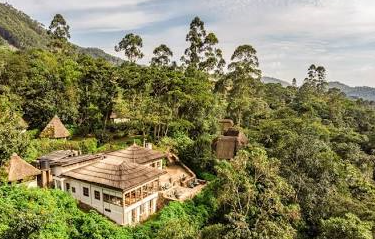
Bwindi Impenetrable Forest is home to the famous mountain gorillas. Consequently, it is a bucket-list destination for wildlife photographers.
Clouds Mountain Gorilla Lodge sits high above the misty canopy. Thus, it offers breathtaking views of the Virunga Volcanoes.
Why Photographers Love It
First, the lodge sits at a very high elevation. Therefore, you get spectacular sunrise views over the misty valleys.
Additionally, the forest light here changes rapidly. You can capture moody, atmospheric shots of the ancient trees.
Most importantly, the lodge is very close to the Nkuringo gorilla tracking trailhead. Consequently, you will not waste precious morning light on long drives.
Key Photographic Highlights
Dramatic mountain landscapes right from your private stone cottage.
Close-up portrait opportunities with mountain gorillas in deep green foliage.
Unique forest birds visiting the lodge gardens daily.
2. Apoka Safari Lodge (Kidepo Valley National Park)
Kidepo Valley is Uganda’s most remote national park. However, it offers some of the most dramatic wildlife scenes in Africa.
Apoka Safari Lodge is built into a scenic kopje. Consequently, it overlooks a vast, golden savannah.
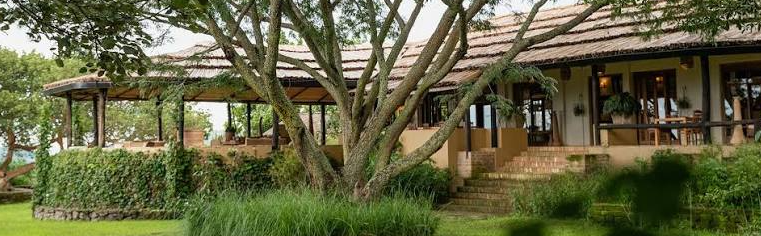
Why Photographers Love It
Because Kidepo has fewer tourists, you can take your time with shots. There are no crowded vehicle queues here.
Furthermore, the lodge features an outdoor stone bathtub. This spot offers a perfect view of animals drinking below.
Additionally, the open savannah provides clean, uncluttered backgrounds. Therefore, your animal subjects will stand out beautifully in your frame.
Key Photographic Highlights
Massive herds of Cape buffalo moving through golden light.
Lion prides resting on rocky kopjes near the lodge.
Stunning night skies with zero light pollution for astrophotography.
3. Kyambura Gorge Lodge (Queen Elizabeth National Park)
Queen Elizabeth National Park features savannahs, craters, and wetlands. Consequently, it is incredibly biodiverse.
Kyambura Gorge Lodge overlooks a deep, forested crevice in the earth. This gorge is home to wild chimpanzees.
Why Photographers Love It
This lodge was beautifully converted from an old coffee store. Therefore, the architecture itself is highly photogenic.
Specifically, the contrast between the dry savannah and the deep green gorge is striking.
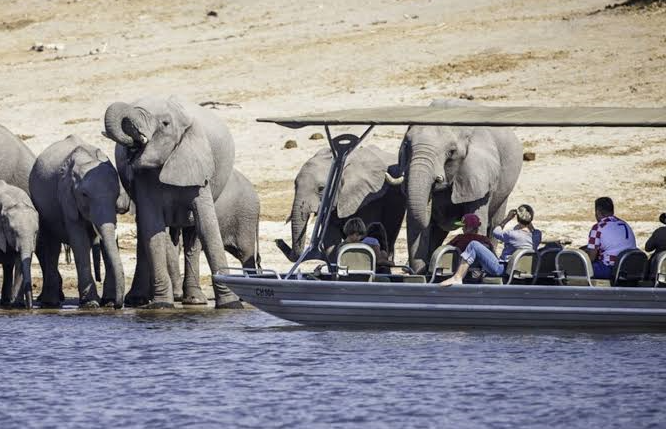
Additionally, the lodge provides easy access to the Kazinga Channel boat cruise. This water safari is famous for close-up bird and hippo photography.
Key Photographic Highlights
Chimpanzees swinging through the green canopy of Kyambura Gorge.
Elephants and hippos photographed at water level from boats.
The unique tree-climbing lions of Ishasha, located nearby.
4. Paraa Safari Lodge (Murchison Falls National Park)
Murchison Falls is famous for the world’s most powerful waterfall. Paraa Safari Lodge sits on the northern banks of the Nile River.
Consequently, it is perfectly placed for both land and water game drives.
Why Photographers Love It
The lodge has a classic, vintage safari atmosphere. Thus, it offers great lifestyle photography options.
Additionally, the large pool overlooks the winding River Nile.
Because of its location, you can catch the ferry early in the morning. Therefore, you will reach the delta key spots before the sun gets too harsh.
Key Photographic Highlights
The dramatic rush of Murchison Falls through a narrow rock gap.
Nile crocodiles basking on the muddy riverbanks.
Rare shoebill storks hiding in the marshy delta.
5. Ndali Lodge (Kibale Forest Area)
Kibale Forest is the primate capital of East Africa. Ndali Lodge is situated on the rim of an extinct volcanic crater lake.
Specifically, it offers a stunning combination of lush hills and deep blue water.
Why Photographers Love It
First, the lodge is lit by candles at night. This creates a very romantic, old-world aesthetic.
Furthermore, the surrounding tea plantations offer beautiful green patterns. You can capture amazing landscape shots during the golden hour.
Most importantly, it is an excellent base for chimpanzee trekking.
Key Photographic Highlights
Panoramic views of Crater Lake Nyinambuga.
Lush green tea estates rolling over the hills.
Chimpanzee action shots in the nearby tropical rainforest.
Technical Tips for Photographing in Uganda
To get the most out of your trip, you must prepare your gear.
First, Uganda can be very dusty during the dry season. Therefore, bring a blower brush to clean your sensors.
In contrast, the rainforests are highly humid. Because of this, you should pack plenty of silica gel packs.
Additionally, always bring a rain cover for your camera bag. Tropical downpours can happen unexpectedly, even in summer.
Furthermore, respect the wildlife. Always follow your guide’s instructions during a shoot.
For more travel tips, check out our Uganda National Parks Guide.
Summary of the Best Photographic Lodges
| Lodge Name | Location | Primary Photographic Focus | Best Season |
| Clouds Mountain Lodge | Bwindi Forest | Mountain Gorillas & Mist | June to September |
| Apoka Safari Lodge | Kidepo Valley | Lions, Cheetahs & Savannah | December to February |
| Kyambura Gorge Lodge | Queen Elizabeth | Chimpanzees & Water Birds | January to March |
| Paraa Safari Lodge | Murchison Falls | Waterfalls, Crocodiles & Elephants | July to September |
| Ndali Lodge | Kibale Crater Lakes | Crater Lakes & Primates | October to December |
Frequently Asked Questions
What makes a safari lodge in Uganda good for photography?
First, the best lodges offer reliable 24-hour electricity. Therefore, you can charge your heavy camera batteries overnight safely. Additionally, their physical location is highly critical. Specifically, they must sit close to the park tracking gates. Consequently, you will reach the animals during the beautiful golden hour light. Furthermore, some top properties feature private photography hides. These spaces let you capture wildlife safely at eye level.
When is the best time to visit these lodges for photography?
Generally, the dry seasons are the most ideal times for wildlife shoots. These dry periods run from June to September. Additionally, they occur from December to February. During these months, animals gather around water sources. Consequently, they are much easier to find and photograph. However, the green wet season offers incredibly dramatic skies. Therefore, landscape photographers may prefer the rainy months instead.
Can I use a drone for photography at these lodges?
No, you cannot fly drones freely in Uganda. The government strictly regulates drone usage in all national parks. Specifically, you need special permits from the military. Additionally, you must get written permission from the Uganda Wildlife Authority. Consequently, you should leave your drone at home. Instead, focus on using your telephoto lenses from your safari vehicle.
Is flash photography allowed during gorilla tracking?
Absolutely not, flash photography is strictly banned during primate treks. The bright flash can easily blind or anger the mountain gorillas. Consequently, you must turn off your flash completely before the trek starts. Instead, you should prepare to shoot in low-light forest environments. Specifically, use a lens with a wide aperture like f/2.8. Furthermore, raise your camera ISO setting to keep your shutter speed fast.
Plan Your Photographic Safari Today
In conclusion, Uganda offers incredible visual rewards for photographers.
However, booking the best safari lodges in Uganda for photography requires early planning. Gorilla permits and lodge spaces fill up quickly.
Are you ready to capture these incredible landscapes?
Please explore our curated safari itineraries. Alternatively, contact our team to customize your dream photography trip.
To learn more about African wildlife conservation, visit the Uganda Wildlife Authority website.