Where to See Them and When
Spotting the Big Five in Africa tops nearly every safari traveler’s wish list. Lion, elephant, buffalo, leopard, and rhino each bring their own thrill to a game drive. However, knowing where and when to look significantly improves your chances. In this guide, we break down the best parks and timing for finding the Big Five in Africa. By the end, you’ll know exactly how to plan a trip built around these iconic sightings.
What Makes Up the Big Five?
The term Big Five in Africa originated from big-game hunting, referring to the five most challenging animals to hunt on foot. Today, it describes the five most sought-after wildlife sightings for photographic safaris. These are the African lion, African elephant, Cape buffalo, leopard, and both black and white rhino. Each species presents different viewing challenges, from the leopard’s elusive nature to the rhino’s increasingly limited range.
Where to See Lions
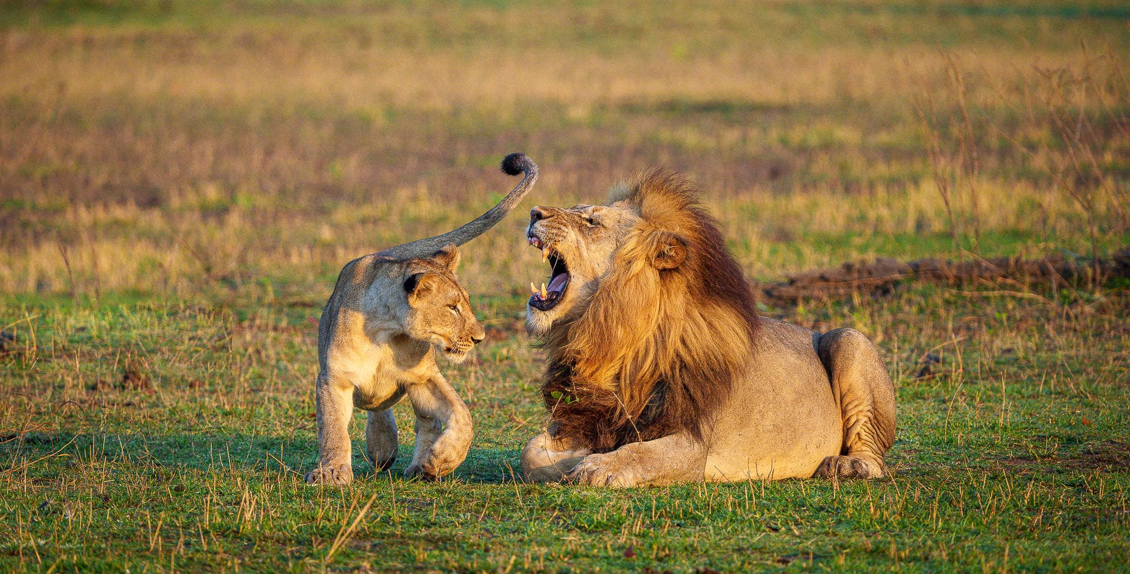
Lions remain among the most reliably spotted members of the Big Five in Africa. Queen Elizabeth is one of the best all-round parks, see Queen Elizabeth National Park, which offers a unique opportunity to see tree-climbing lions in the Ishasha sector. Kenya’s Maasai Mara and Tanzania’s Serengeti also offer excellent lion sightings, particularly during dry season when prides gather near remaining water sources.
Where to See Elephants
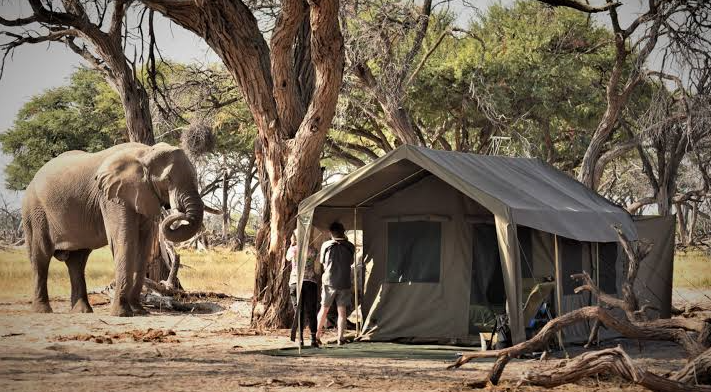
Elephants rank among the easiest Big Five in Africa sightings, given their size and herd behavior. Uganda’s Queen Elizabeth and Murchison Falls National Parks host healthy elephant populations year-round. Kenya’s Amboseli National Park offers particularly striking views, with elephants often photographed against Mount Kilimanjaro’s backdrop. Botswana’s Chobe National Park also boasts one of Africa’s largest elephant populations, especially concentrated along the riverfront during dry season.
Where to See Cape Buffalo
Cape buffalo travel in large herds, making them relatively easy to spot across most savanna parks. Queen Elizabeth National Park, Murchison Falls, and Kenya’s Maasai Mara all offer consistent buffalo sightings. Unlike some Big Five species, buffalo don’t follow strong seasonal patterns, making them visible on safaris throughout the year. However, their reputation for unpredictability means guides always maintain careful distance during sightings.
Where to See Leopards
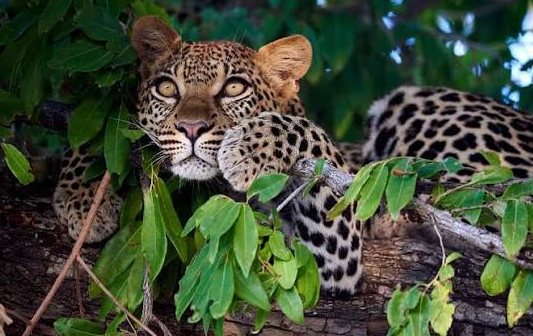
Leopards present the greatest challenge among the Big Five in Africa, given their solitary, nocturnal habits. Kenya’s Maasai Mara and South Africa’s Sabi Sands Game Reserve rank among the best destinations for leopard sightings, thanks to habituated individuals and skilled tracking guides. Queen Elizabeth National Park also offers leopard sightings, particularly along riverine forest edges. Patience and an experienced guide matter enormously when leopards are your priority sighting
Where to See Rhino
Rhino sightings require more targeted planning than other Big Five in Africa species, given conservation-driven range restrictions. Uganda’s Ziwa Rhino Sanctuary offers guaranteed white rhino tracking on foot, a unique experience among Big Five destinations. South Africa’s Kruger National Park and private reserves like Sabi Sands also host healthy rhino populations. Due to poaching concerns, many parks keep exact rhino locations confidential, so working with knowledgeable guides significantly improves your chances.
Best Time of Year for Big Five Sightings
Timing significantly affects Big Five in Africa viewing success. Dry season, generally June through September and December through February in East Africa, concentrates wildlife around remaining water sources, improving visibility. Vegetation also thins during dry months, making animals easier to spot across open terrain. However, wet season offers its own advantages, including lush scenery and newborn wildlife, despite slightly reduced sighting reliability.
Combining Big Five Parks into One Itinerary
Many travelers wonder whether they can realistically see all five species during a single trip. Combining multiple parks within one country, or even across neighboring countries, significantly improves your odds. According to wildlife data referenced by African Parks, well-managed protected areas continue seeing stable or growing populations of key Big Five species, supporting consistent sighting opportunities for visitors. Browse our full range of Uganda and Rwanda gorilla safaris to find itineraries combining Big Five viewing with gorilla trekking.
Tips for Better Sightings
A few practical habits improve your odds of a successful Big Five in Africa safari. Book early morning and late afternoon game drives, since wildlife activity peaks during cooler hours. Choose parks known for your priority species, rather than assuming every park offers equal odds. Additionally, trust your guide’s tracking expertise, since local knowledge often outperforms guesswork significantly.
Final Thoughts on the Big Five in Africa
Ultimately, seeing the Big Five in Africa comes down to choosing the right parks, timing your visit well, and trusting experienced guides. While rhino and leopard sightings demand more patience, lion, elephant, and buffalo encounters happen relatively reliably across most major parks. Ready to plan your Big Five adventure? Contact us today, and we’ll help you build an itinerary designed around these unforgettable sightings.