Dress Code and Fabric Guide
Figuring out what to wear on an Africa safari trips up many first-time travelers. Unlike a beach holiday or city trip, safari clothing follows practical, sometimes unfamiliar rules. In this guide, we break down exactly what to wear on an Africa safari, covering colors, fabrics, and layering strategies. By the end, you’ll know precisely how to dress for comfort, practicality, and the occasional muddy trail.
Why Color Choice Matters
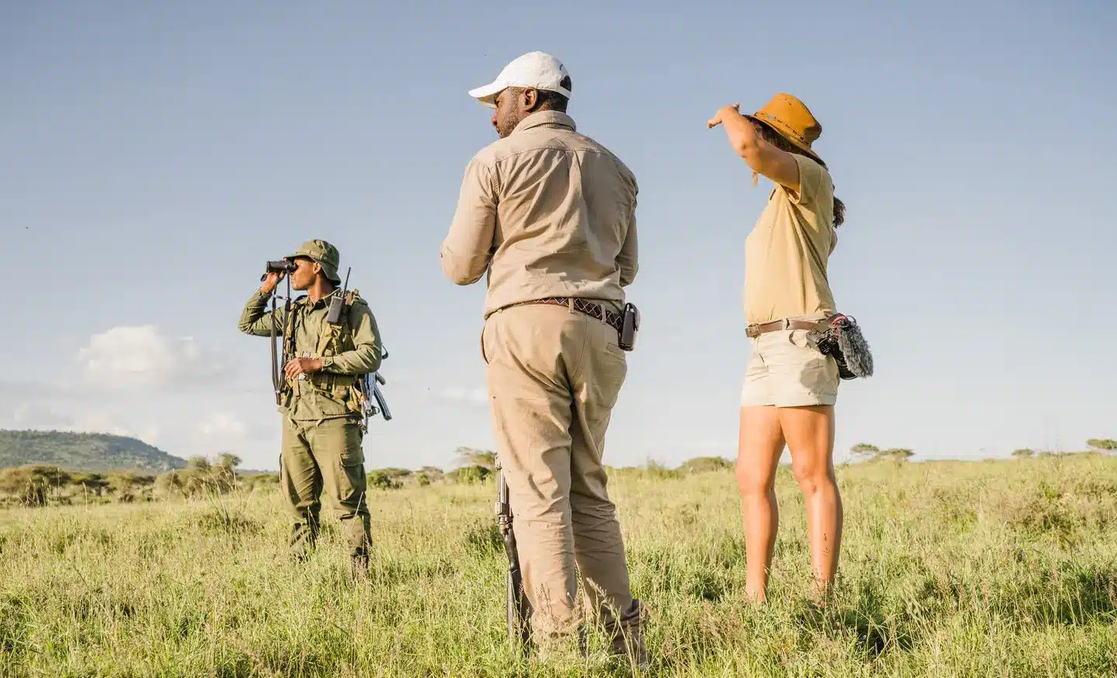
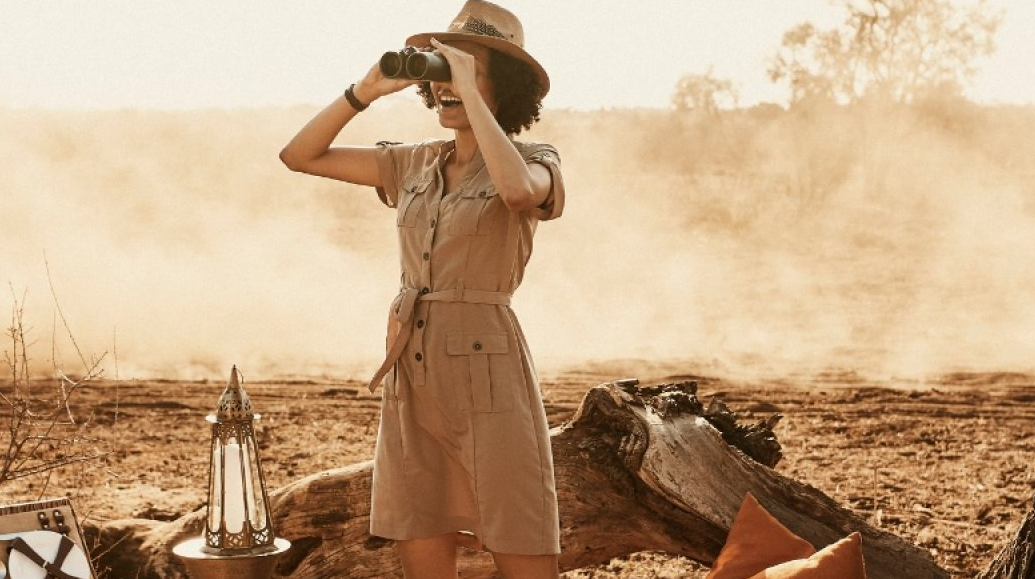
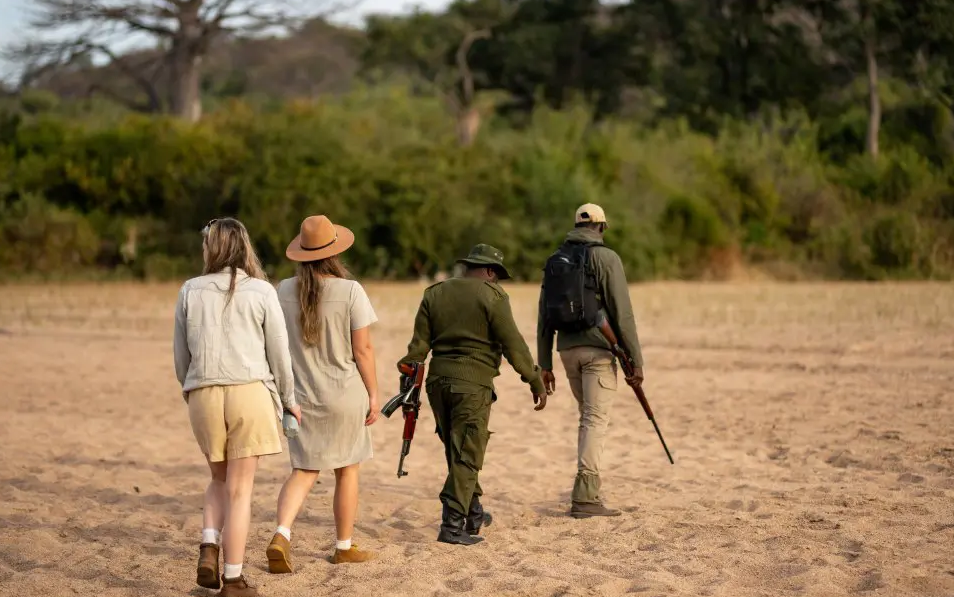
One of the first rules for what to wear on an Africa safari involves color selection. Neutral tones, like khaki, beige, olive, and brown, blend naturally into the bush environment. Bright colors, on the other hand, can startle wildlife or attract unwanted insect attention. Additionally, dark blue and black clothing should be avoided in tsetse fly regions, since these colors attract the insects. Sticking to earthy, muted tones keeps you comfortable and less conspicuous during game drives.
Choosing the Right Fabrics
Fabric choice matters just as much as color when deciding what to wear on an Africa safari. Lightweight, breathable materials like cotton and technical safari fabrics perform best in hot, dusty conditions. Quick-drying fabrics also help during sudden rain showers or humid forest treks. Avoid heavy denim, which stays damp and uncomfortable once wet. Moisture-wicking synthetic blends work particularly well for active days involving hiking or trekking. Trekking specifically? Cross-check with Physical Fitness for Gorilla Trekking: Tips to Prepare.
Layering for Temperature Swings
Safari destinations often experience dramatic temperature shifts between morning and afternoon. Early game drives can feel surprisingly cold, while midday heat rises quickly. Therefore, layering forms a key strategy for what to wear on an Africa safari successfully. Start with a breathable base layer, add a light long-sleeved shirt, and top it with a warm fleece or jacket for early mornings. This system lets you adjust easily as temperatures change throughout the day.
Footwear Essentials
Footwear deserves special attention beyond general clothing choices. Comfortable, closed-toe walking shoes work well for standard game drives. However, gorilla trekking demands waterproof, ankle-supporting hiking boots, given the muddy volcanic terrain. For a complete breakdown of trekking-specific gear, read our guide on Physical Fitness for Gorilla Trekking: Tips to Prepare. Broken-in boots, rather than brand-new ones, prevent painful blisters on trek day.
Sun Protection Clothing
Sun exposure often catches first-time travelers off guard, even on cloudy days. A wide-brimmed hat protects your face and neck during long game drives. Additionally, lightweight long sleeves offer better sun protection than short sleeves paired with sunscreen alone. Sunglasses with UV protection round out a solid sun-safety wardrobe. These small additions make a noticeable difference across multi-day itineraries spent largely outdoors.
What Not to Wear on Safari
Just as important as what to wear on an Africa safari is knowing what to leave behind. Avoid camouflage-patterned clothing entirely, since several African countries restrict it for civilians. Skip bright white clothing, which shows dirt quickly and stands out against natural surroundings. Heavy, restrictive fabrics like stiff denim also make hiking and vehicle entry unnecessarily difficult. Keeping your wardrobe simple and practical avoids unnecessary complications.
Packing Efficiently for Changing Conditions
Efficient packing rounds out any solid approach to what to wear on an Africa safari. Pack enough clothing for four to five days, then plan to launder items at your lodge if needed. Rolling clothes rather than folding saves valuable luggage space. According to general guidance from the Centers for Disease Control and Prevention, lightweight, protective clothing also plays a role in reducing insect-borne disease risk during outdoor travel.
Special Considerations for Cultural Sites
If your itinerary includes cultural or religious sites, modest clothing becomes important. Covering shoulders and knees shows respect at churches, mosques, or community visits. Packing one modest outfit alongside your safari wardrobe covers this need without overcomplicating your suitcase.
Building Your Personalized Safari Wardrobe
Every itinerary calls for slightly different clothing choices depending on activities involved. Forest treks demand more rain gear, while savanna drives call for stronger sun protection. Browse our full range of Uganda and Rwanda gorilla safaris to see itinerary-specific packing guidance tailored to your trip. Matching your wardrobe to your exact plans prevents both overpacking and unpleasant surprises.
Final Thoughts on What to Wear on an Africa Safari
Ultimately, knowing what to wear on an Africa safari comes down to neutral colors, breathable fabrics, and smart layering. Comfortable, practical clothing lets you focus entirely on the wildlife and scenery, rather than fighting the elements. Whether you’re on a game drive or a forest trek, the right wardrobe makes every day more enjoyable. Ready to start planning your trip? Contact us today, and we’ll help you prepare for every detail, wardrobe included.