Tips to Prepare
Physical fitness for gorilla trekking matters more than many first-time travelers realize. The Virunga Mountains present steep volcanic terrain, high altitude, and unpredictable trail conditions that test even regular hikers. However, with a few weeks of focused preparation, most travelers can complete their trek comfortably. In this guide, Rosamy Africa shares practical training tips to help you build the physical fitness for gorilla trekking success in the Virunga Mountains.
Why Physical Fitness for Gorilla Trekking Matters
Gorilla trekking involves sustained hiking through dense forest and volcanic slopes, sometimes for several hours at a stretch. Trail conditions shift constantly, from muddy paths to steep inclines covered in thick vegetation. Without adequate preparation, this combination can turn an exciting adventure into an exhausting struggle.
Building physical fitness for gorilla trekking beforehand doesn’t just improve comfort. It also allows you to focus on the experience itself rather than fighting through fatigue. Consequently, travelers who prepare properly tend to describe their trek as more enjoyable and less physically overwhelming than those who arrive unprepared.
For official trekking guidelines and difficulty expectations, visit the Uganda Wildlife Authority website.
It’s worth noting that gorilla trekking difficulty isn’t uniform across a single park or even a single day. Some gorilla families nest closer to the trailhead, resulting in a relatively short walk, while others range deeper into the forest, requiring several hours of sustained effort. Because you won’t know your specific route until the morning of your trek, preparing for the more demanding scenario gives you a comfortable margin, rather than leaving you under prepared if your group draws a longer route.
This unpredictability is precisely why physical fitness for gorilla trekking deserves genuine attention well before departure, rather than a last-minute gym session the week before you fly. A body accustomed to regular movement adapts far more easily to an unexpectedly long or steep trekking day than one starting from a sedentary baseline.
Understanding the Physical Demands of Gorilla Trekking
Before building a training plan, it helps to understand exactly what your body will face during the trek itself.
Variable Trek Duration
Treks can last anywhere from thirty minutes to eight hours, depending on where the gorilla family is located that day. This unpredictability means you should train for endurance rather than assuming a short, easy walk.
Steep and Uneven Terrain
Volcanic slopes and forest trails often involve significant elevation changes, loose soil, and thick vegetation requiring careful footing. Physical fitness for gorilla trekking should include specific preparation for uneven, unstable surfaces, not just flat-ground walking.
High Altitude Conditions
Many trekking sites sit above 2,000 meters, where thinner air can affect stamina considerably. Even fit travelers sometimes underestimate how altitude impacts breathing and energy levels during sustained physical activity.
Building a Training Plan for Physical Fitness for Gorilla Trekking
A focused training plan several weeks before your trip makes a significant difference. Here’s how to structure your preparation.
Start With Regular Walking
Begin with thirty to sixty minutes of brisk walking most days, ideally on varied terrain rather than flat pavement. Gradually increase distance and incline over several weeks to build baseline endurance.
Consistency matters more than intensity at this stage. Walking most days of the week, even at a moderate pace, builds a stronger cardiovascular foundation than occasional intense sessions followed by long breaks. If varied terrain isn’t available nearby, alternating walking speed or adding light incline on a treadmill can approximate similar demands.
Add Stair Climbing and Hill Training
Stair climbing closely mimics the steep, sustained elevation changes found on Virunga trails. If stairs aren’t available, seek out hilly parks or trails near your home to simulate similar conditions.
Aim to incorporate this type of training two to three times weekly as your preparation progresses. Focus on controlled, steady climbing rather than rushing, since trekking days require sustained effort over hours rather than short bursts of speed.
Incorporate Strength Training
Building physical fitness for gorilla trekking isn’t only about cardio. Leg strength, particularly in your quadriceps, hamstrings, and calves, helps stabilize you on uneven ground. Squats, lunges, and step-ups performed twice weekly build this foundation effectively.
Practice With a Loaded Daypack
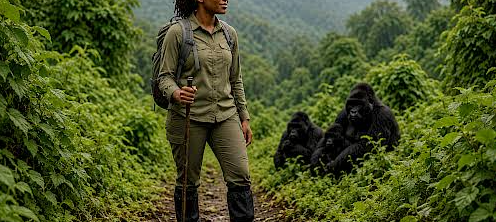
Trekking involves carrying water, snacks, and camera equipment throughout the day. Practicing hikes with a loaded daypack, even just five to ten pounds, helps your body adjust to the added weight before your actual trek.
Timeline for Preparing Physical Fitness for Gorilla Trekking
Ideally, preparation begins well before your departure date, allowing your body time to adapt gradually.
Eight Weeks Before
Begin regular walking three to four times weekly. This early stage focuses on building consistency rather than intensity, establishing a habit you can build upon in later weeks.
Six Weeks Before
Introduce hill or stair training alongside your regular walks. Start incorporating strength exercises twice weekly to build leg stability and core strength.
Four Weeks Before
Increase hike duration and add a loaded daypack to your training sessions. This is also a good time to test your hiking boots on longer walks, ensuring they’re properly broken in before your trip.
Two Weeks Before
Taper your training intensity slightly while maintaining consistency. Overtraining immediately before your trip can leave you fatigued rather than well-prepared, so prioritize rest alongside lighter activity.
Preparing for Altitude During Your Trek
Altitude affects physical fitness for gorilla trekking differently than lowland hiking, requiring specific attention beyond general fitness training.
Arrive Early to Acclimatize
Whenever possible, arrive at your destination a day or two before your scheduled trek. This buffer allows your body to begin adjusting to reduced oxygen levels before facing physical exertion.
Stay Well Hydrated
Proper hydration supports your body’s adaptation to altitude. Drink water consistently in the days leading up to your trek, and continue hydrating throughout the trekking day itself.
Pace Yourself During the Trek
Even well-prepared trekkers should pace themselves carefully at altitude. Guides typically set a manageable pace, but communicating if you need extra rest stops helps prevent overexertion.
Physical Fitness Considerations for Different Age Groups
Physical fitness for gorilla trekking looks different depending on your age and baseline health, though travelers across a wide age range complete treks successfully every year.
Younger, Generally Fit Travelers
Travelers in good general health typically need four to six weeks of focused preparation, primarily building endurance and confirming their gear works well on longer hikes.
Middle-Aged Travelers
This group benefits from a slightly longer preparation window, generally six to eight weeks, with added emphasis on joint-friendly strength training to protect knees and ankles on uneven terrain.
Older Travelers
Many older travelers complete gorilla treks successfully with proper preparation and porter assistance. Consulting a doctor before beginning training, and allowing extra time to build fitness gradually, helps ensure a safe, enjoyable experience.
Mental Preparation Alongside Physical Fitness
Physical fitness for gorilla trekking matters immensely, but mental preparation plays a role too. Understanding that trek difficulty varies daily helps set realistic expectations.
Accepting Unpredictability
Some days involve shorter, easier treks, while others require several hours of sustained effort. Approaching the day with flexibility, rather than fixed expectations, reduces frustration if conditions turn out more demanding than anticipated.
Travelers who mentally prepare for a range of possible outcomes, rather than fixating on a best-case scenario, generally handle unexpected difficulty with far less stress. This mindset shift costs nothing but pays off considerably if your group happens to draw a longer route that day.
Trusting Your Guide and Porters
Guides and porters are experienced in helping trekkers of all fitness levels. Accepting assistance, whether a steadying hand on a steep section or a porter carrying your bag, isn’t a sign of failure. It’s simply part of a well-supported trek.
Focusing on the Reward
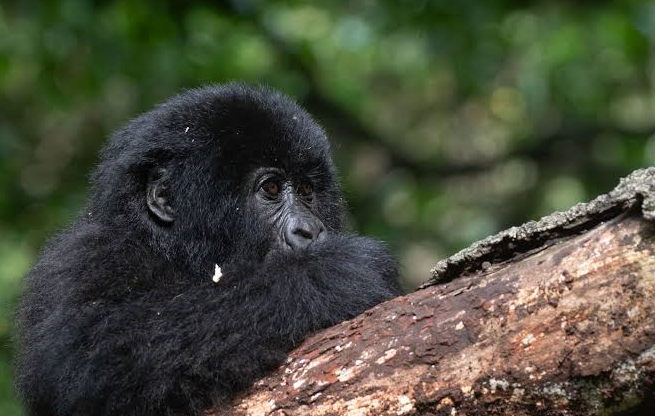
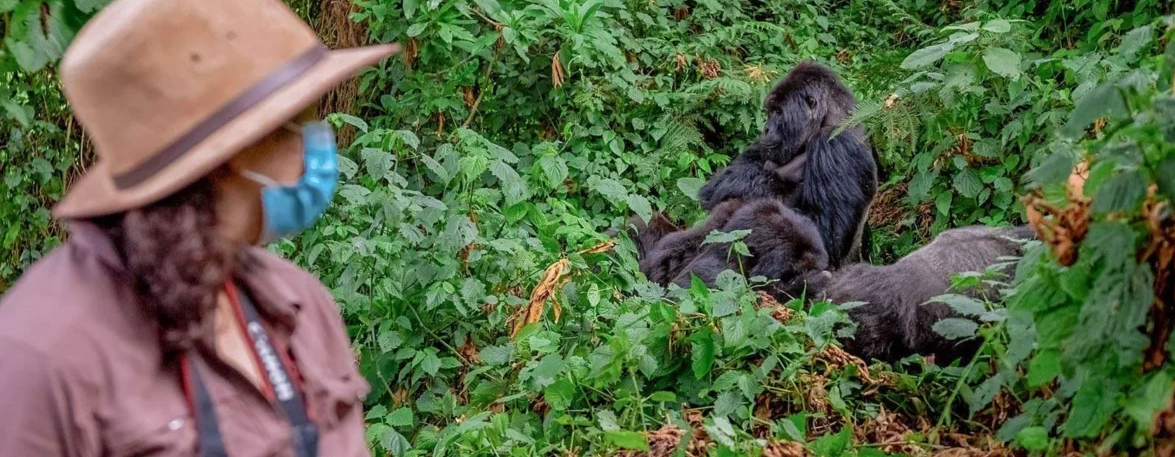
Remembering the ultimate goal, an hour spent observing wild mountain gorillas, helps maintain motivation during physically demanding sections of the trek. Many trekkers describe forgetting their fatigue entirely once the gorilla family comes into view.
Gear That Supports Physical Fitness for Gorilla Trekking
The right equipment complements your physical preparation, making the trek noticeably more manageable.
Proper Footwear
Waterproof, broken-in hiking boots with good ankle support are essential. Blisters or foot pain can undermine even the best physical preparation, so testing boots on training hikes beforehand matters significantly.
Trekking Poles
Trekking poles reduce strain on knees during descents and provide extra stability on uneven terrain. Many trekkers find them particularly helpful during the steepest sections of Virunga trails.
Gardening Gloves
Gripping vegetation on steep sections is common during gorilla treks. Gardening gloves protect your hands while providing better grip than bare skin against thorny plants.
How Rosamy Africa Supports Your Physical Preparation
Rosamy Africa provides detailed pre-trip guidance to help travelers prepare adequately before their trek. Our team assesses your fitness level during booking and offers destination recommendations suited to your physical capabilities.
For travelers concerned about trek difficulty, we can recommend parks and gorilla families known for gentler terrain, alongside porter services that provide additional support throughout the day. Explore our gorilla trekking tour packages to discuss your specific fitness considerations with our team.
To start planning your trek with personalized preparation guidance, reach out through our contact page.
Final Thoughts
Building physical fitness for gorilla trekking doesn’t require extreme athletic ability, but it does require genuine, consistent preparation. From regular walking and strength training to altitude awareness and proper gear, each element contributes to a more comfortable, enjoyable experience in the Virunga Mountains.
Rosamy Africa is here to guide you through both the physical preparation and logistical planning for your trek. Contact our team today to start building the fitness and confidence needed for an unforgettable gorilla trekking experience.
Preparation is ultimately about confidence as much as capability. Travelers who show up having trained consistently, even modestly, tend to approach trekking day with far less anxiety than those who haven’t prepared at all. That confidence, paired with genuine physical readiness, often makes the difference between a trek remembered as a struggle and one remembered as the highlight of an entire trip.
Whatever your current fitness level, starting your preparation early gives you the best chance of enjoying every step of the journey, not just the moment you finally meet the gorillas.