What to Bring on Every Trip
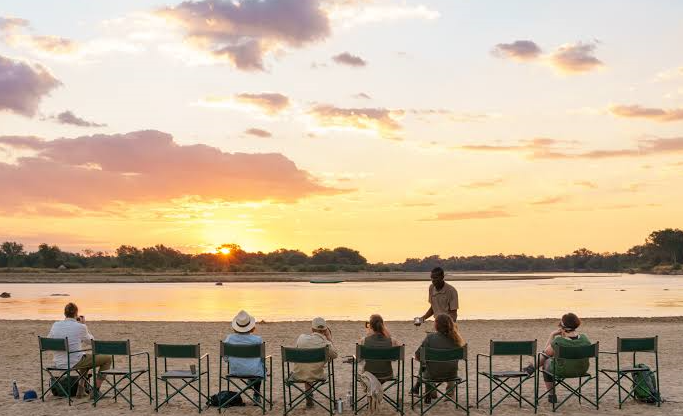
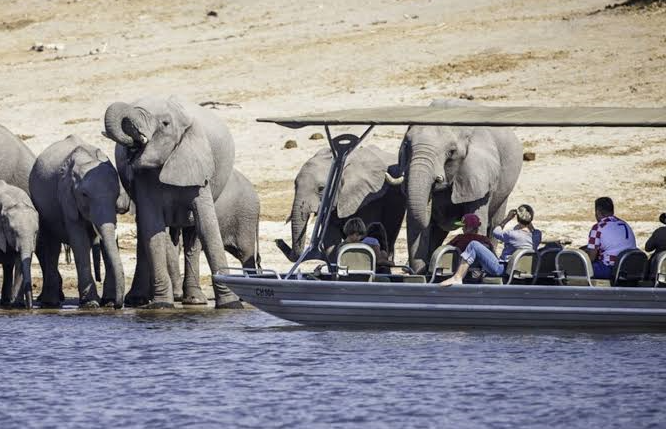
An Africa safari packing list can make or break your trip. Pack too little, and you’ll struggle with dust, sun, or sudden rain. Pack too much, and you’ll juggle bulky bags across bumpy roads. In this guide, we walk through exactly what belongs on your Africa safari packing list. From clothing to gear, this checklist works whether you’re headed to the savanna or the forest.
Why a Good Packing List Matters
Safari destinations vary widely in climate and terrain. Consequently, a solid Africa safari packing list needs to cover multiple conditions. Mornings often start cold, while afternoons turn hot and dusty. Meanwhile, forest treks bring mud, humidity, and unpredictable rain. Therefore, thoughtful packing helps you stay comfortable no matter what each day brings. Skipping this step often leads to unnecessary discomfort once you’re already in the field.
Clothing Essentials for Your Safari
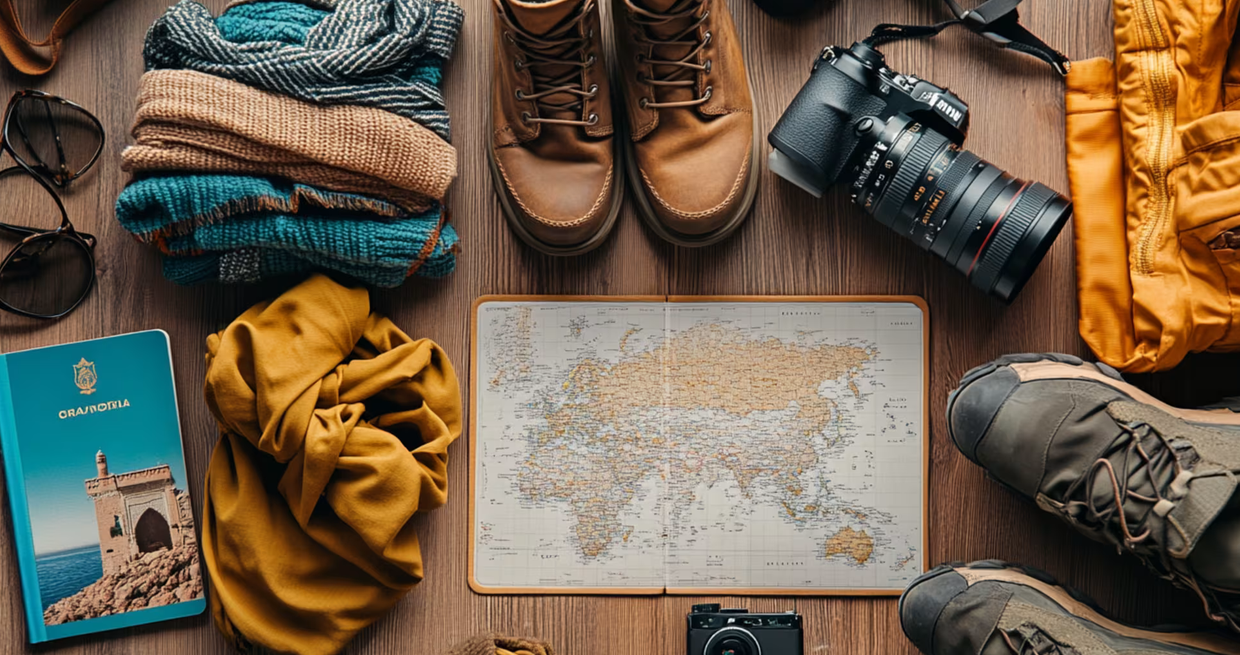
Every Africa safari packing list should start with the right clothing. Pack neutral-colored clothes, since bright colors can startle wildlife. Lightweight, long-sleeved shirts and trousers protect against sun and insects. Additionally, bring a warm jacket or fleece for early morning game drives. A rain jacket is essential too, particularly during Uganda and Rwanda’s wetter months. Comfortable, broken-in walking shoes matter more than stylish ones once you’re on the trail.
Footwear and Gorilla Trekking Gear
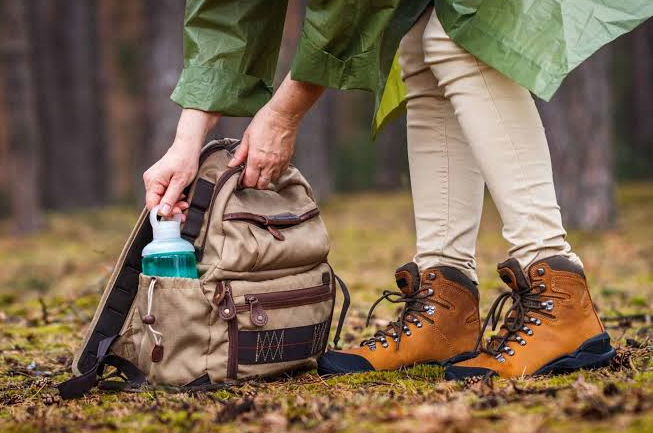
If gorilla trekking is part of your itinerary, footwear deserves extra attention. Waterproof, ankle-supporting hiking boots are non-negotiable for muddy volcanic terrain. Gardening gloves also help protect your hands from stinging nettles along the trail. Trekking poles reduce strain on your knees during steep, uneven sections. For a full breakdown of how to prepare physically, read our guide on Gorilla Trekking Fitness: How to Prepare for Volcanoes National Park. Pairing the right gear with proper fitness training makes trek day far more enjoyable.
Sun Protection and Health Essentials
Sun exposure is often underestimated on safari, even on cloudy days. A wide-brimmed hat and quality sunglasses belong on every Africa safari packing list. High-SPF sunscreen and lip balm prevent painful sunburn during long game drives. Additionally, pack insect repellent containing DEET to guard against mosquitoes. A basic first-aid kit with pain relievers, antihistamines, and blister plasters is also worth the extra space.
Electronics and Photography Gear
Capturing memories matters just as much as staying comfortable. A camera with a good zoom lens helps you photograph distant wildlife clearly. Bring extra batteries and memory cards, since charging opportunities can be limited in remote camps. A portable power bank also proves useful during long days away from electricity. Binoculars, meanwhile, dramatically improve your wildlife viewing experience, especially during birdwatching stops.
Practical Extras Worth Packing
Beyond clothing and gear, a few practical extras round out your Africa safari packing list. A reusable water bottle keeps you hydrated while reducing plastic waste. Packing cubes help organize your bag and speed up repacking at each stop. A small daypack is useful for carrying essentials during game drives and treks. Don’t forget a universal power adapter, since plug types vary across African countries.
Documents and Money Matters
Alongside physical items, don’t overlook important documents. Carry printed copies of your passport, visa, and travel insurance policy. If gorilla trekking, keep your permit confirmation easily accessible. It’s also wise to bring some local currency in small denominations for tips and markets. For additional trip inspiration and gorilla safari options, Rosamy Africa safaris tours offers helpful regional insight worth reviewing while you plan.
What to Leave at Home
Just as important as what to pack is what to leave behind. Avoid camouflage clothing, since it’s restricted for civilians in several African countries. Skip heavy, hard-shell luggage, since soft duffel bags pack more easily into safari vehicles. Bright white or dark blue clothing should also be avoided near tsetse fly zones. Keeping your packing list lean makes travel between destinations far smoother.
Building Your Personalized Packing List
Every itinerary is a little different, so it helps to tailor your Africa safari packing list accordingly. Forest treks demand more rain gear and sturdy footwear. Savanna game drives call for sun protection and warm layers for early mornings. Browse our full range of Uganda and Rwanda gorilla safaris to see itinerary-specific packing recommendations. Matching your gear to your exact trip prevents both overpacking and unpleasant surprises.
Final Thoughts on Your Africa Safari Packing List
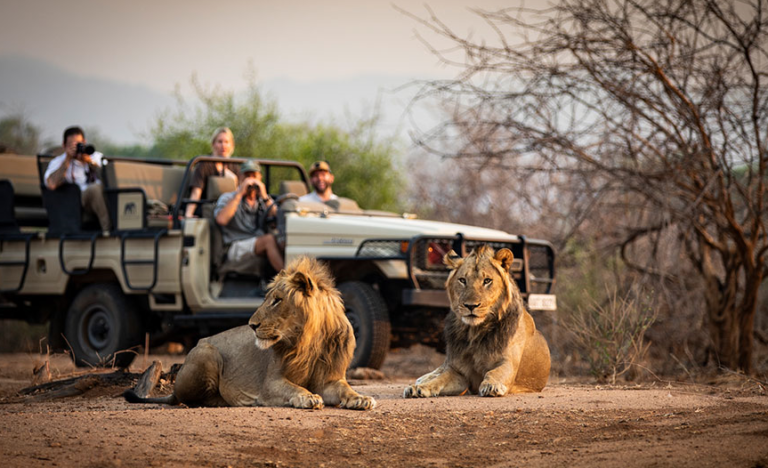
Ultimately, a well-planned Africa safari packing list sets the tone for your entire trip. The right clothing, gear, and essentials keep you comfortable through changing weather and terrain. Whether you’re tracking gorillas in the forest or watching lions on the savanna, thoughtful packing lets you focus on the experience, not the discomfort. Ready to start planning your trip? Contact our team today, and we’ll help you prepare for every detail, packing list included.