Gorilla trekking permits do far more than grant access to the forest. They form the financial backbone of mountain gorilla conservation across East and Central Africa. Every dollar spent on a permit flows into ranger salaries, habitat protection, and community development. However, few travelers understand exactly how this system works. In this guide, Rosamy Africa breaks down where your money goes when you purchase gorilla trekking permits, and why this funding model has become one of Africa’s greatest conservation success stories.
What Are Gorilla Trekking Permits?
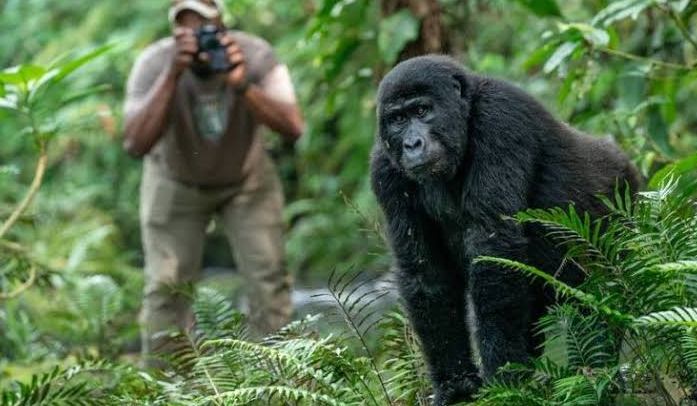
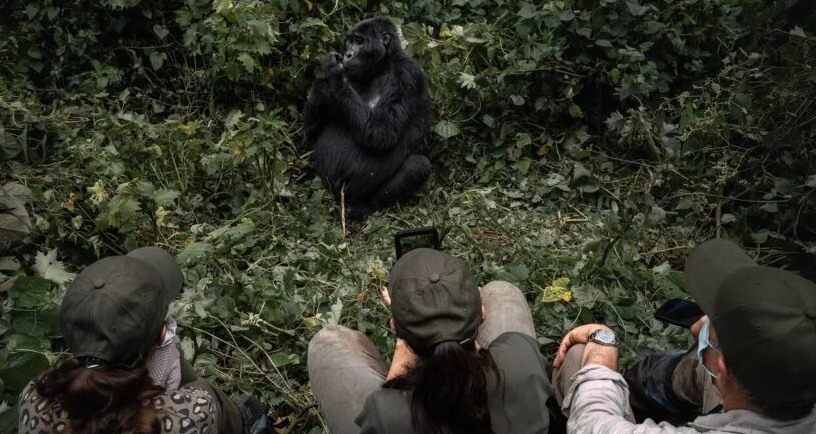
Gorilla trekking permits are official documents issued by national wildlife authorities that allow visitors to trek and observe habituated gorilla families. Only a limited number of permits are released each day per gorilla group. This restriction protects gorillas from overexposure to humans and limits stress within each family.
Prices vary by country. Rwanda charges 1,500 US dollars per permit, Uganda charges 800 US dollars, and Congo charges around 400 US dollars. Despite these price differences, all three countries follow the same core principle: gorilla trekking permits generate the revenue needed to sustain long-term conservation work.
For official pricing and booking details, visit the Uganda Wildlife Authority website.
It’s worth noting that gorilla trekking permits are entirely separate from park entrance fees or accommodation costs. The permit specifically covers your single trekking experience for that day, including the guide, trackers, and armed ranger escort required for safety. Booking a permit does not guarantee a specific gorilla family; park authorities assign groups the morning of your trek based on trekker fitness level and gorilla location. This system ensures fairness while also balancing trekking difficulty across visitors of different ages and abilities.
Demand for gorilla trekking permits has grown steadily over the past decade, driven partly by increased global interest in wildlife conservation travel. During peak dry season months, permits across all three countries frequently sell out weeks or even months in advance. This growing demand has, in turn, reinforced the funding model, generating more revenue for conservation each year.
Why Gorilla Trekking Permits Cost So Much
At first glance, permit prices may seem steep. However, the cost reflects the real expense of protecting an endangered species in a densely populated region. Understanding this breakdown helps travelers appreciate exactly what their money supports.
Limited Daily Access
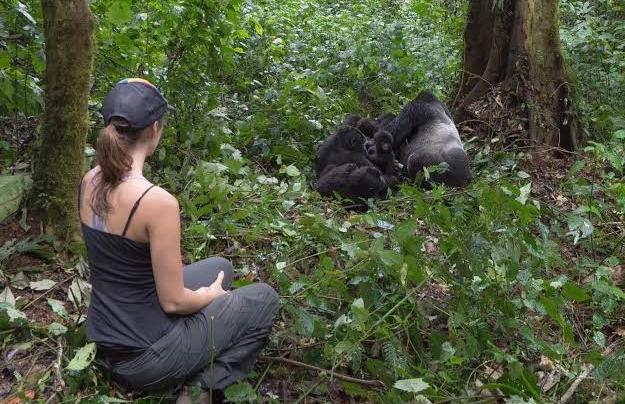
Only eight visitors may trek each habituated gorilla family per day. This strict cap keeps demand high relative to supply, which naturally raises prices. More importantly, it protects gorillas from the stress and disease risk associated with large crowds.
High Operational Costs
Running a national park requires significant investment. Ranger salaries, equipment, vehicles, and infrastructure all draw from permit revenue. Additionally, veterinary teams must remain on standby to monitor gorilla health, since mountain gorillas are highly susceptible to human diseases.
Long-Term Conservation Planning
Unlike a one-time entrance fee, gorilla trekking permits fund ongoing, multi-year conservation strategies. Habitat restoration, anti-poaching patrols, and community programs all require sustained funding rather than short-term investment.
Where the Money From Gorilla Trekking Permits Actually Goes
Understanding the specific allocation of permit revenue reveals why this system has succeeded where other conservation funding models have struggled.
Ranger Salaries and Training
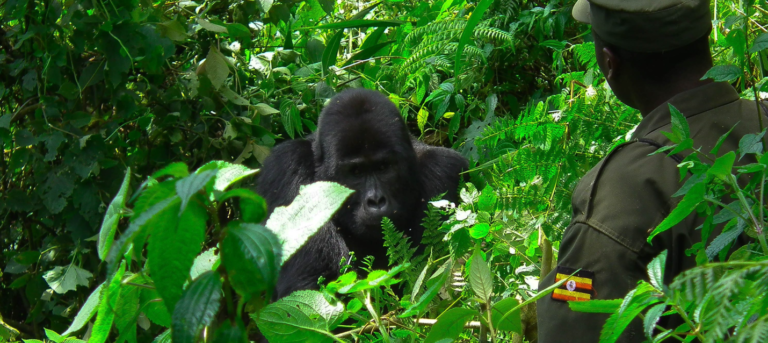
A significant portion of permit revenue pays for ranger salaries, training, and equipment. Rangers patrol the forest daily, monitor gorilla families, and respond to poaching threats. Without steady funding, these patrols would be impossible to maintain.
Anti-Poaching Operations
Gorilla trekking permits directly fund anti-poaching units across Rwanda, Uganda, and Congo. These teams remove snares, intercept poachers, and gather intelligence on illegal wildlife trade. As a result, poaching incidents involving gorillas have dropped significantly over recent decades.
Veterinary and Health Monitoring
Organizations such as Gorilla Doctors rely partly on tourism-linked funding to provide emergency veterinary care. This includes snare removal, disease treatment, and regular health checks for habituated gorilla families. You can learn more about this work through the Gorilla Doctors organization.
Community Revenue-Sharing Programs
Uganda and Rwanda both allocate a percentage of permit revenue directly to communities living near national parks. This funding supports schools, healthcare clinics, and infrastructure projects. Consequently, local communities have a direct financial stake in protecting gorillas rather than viewing them as competition for land.
Uganda’s revenue-sharing program, for example, channels a portion of park earnings into projects selected by community committees themselves. This bottom-up approach helps ensure the funding addresses genuine local priorities, rather than decisions made far away from the people most affected. Rwanda operates a similar model, funneling a share of tourism revenue into infrastructure and social programs near Volcanoes National Park through its community development fund.
Habitat Restoration and Research
Some permit revenue funds reforestation projects and scientific research. This work helps park authorities understand gorilla population trends, disease patterns, and habitat needs, informing long-term management decisions.
The Conservation Results of Gorilla Trekking Permits
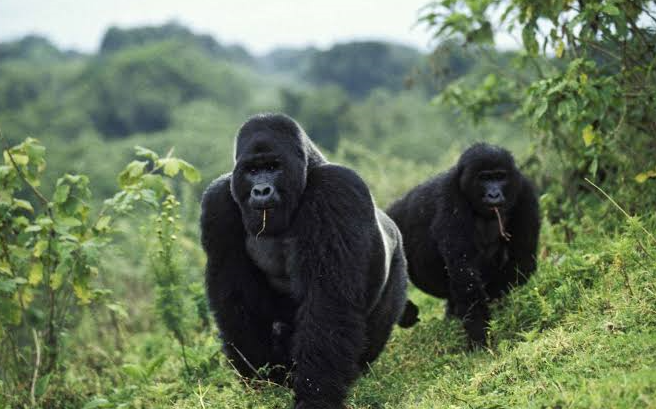
The financial model built around gorilla trekking permits has produced measurable conservation outcomes. Mountain gorilla populations, once nearing extinction, have grown steadily since structured tourism began.
Population Recovery
In the late 1970s, fewer than 300 mountain gorillas remained in the wild. Today, the population exceeds 1,000 individuals across the Virunga Massif and Bwindi Impenetrable Forest. This recovery stands as one of the few genuine conservation success stories involving a great ape species.
This growth did not happen by chance. It required decades of consistent, well-funded ranger presence, habitat protection, and disease monitoring. Gorilla trekking permits provided the financial stability needed to sustain these efforts through political upheaval, economic downturns, and, more recently, the global tourism disruption caused by the COVID-19 pandemic. Even during periods when tourist numbers dropped sharply, conservation authorities worked to maintain core ranger operations, underscoring just how central permit revenue has become to the system’s resilience.
Reduced Poaching Incidents
As ranger patrols expanded, funded largely through permit revenue, poaching incidents involving gorillas declined sharply. Snares set for other animals still pose occasional risks, but direct gorilla poaching has become rare.
Stronger Community Relationships
Revenue-sharing programs have shifted local attitudes toward conservation. Communities that once viewed gorillas as a threat to farmland now see them as a valuable economic asset worth protecting. This shift in perspective has proven essential to long-term conservation success.
How Rosamy Africa Supports Responsible Permit-Funded Tourism
Rosamy Africa works within this conservation-funding system every time we book a client’s trek. Our approach ensures that permit revenue reaches its intended purpose, while giving travelers a smooth, well-organized experience.
Transparent Permit Booking
We handle gorilla trekking permits directly through official wildlife authorities in Rwanda, Uganda, and Congo. This ensures your payment flows through the correct conservation channels, rather than unofficial resellers who may not contribute to park funding at all.
Supporting Community Partners
Beyond permit fees, Rosamy Africa partners with local guides, porters, and cultural centers near each park. This additional spending extends conservation benefits further into surrounding communities. To learn more about our community partnerships, visit our about Rosamy Africa page.
Educating Travelers
We believe informed travelers make better conservation partners. Every itinerary briefing includes an explanation of how gorilla trekking permits fund the broader conservation system, helping guests understand the deeper purpose behind their trip.
Planning a Trek That Maximizes Conservation Impact
Travelers interested in supporting conservation through their trip can take a few additional steps beyond simply purchasing gorilla trekking permits.
Book Directly With Reputable Operators
Booking through licensed operators like Rosamy Africa ensures your permit payment reaches official wildlife authorities. Avoid unofficial permit resellers, since these transactions sometimes bypass proper conservation channels entirely.
Consider Longer Stays
Extending your trip to include additional activities, such as community village visits or cultural tours, increases your overall contribution to the local economy. This spending supports conservation indirectly by strengthening community investment in wildlife protection.
Respect Trekking Guidelines
Following guide instructions, maintaining distance from gorillas, and avoiding trekking while sick all protect the animals your permit fee helps fund. Responsible behavior on the trek complements the financial contribution made through gorilla trekking permits.
Support Additional Conservation Organizations
Some travelers choose to donate directly to organizations like Gorilla Doctors or the Dian Fossey Gorilla Fund. While gorilla trekking permits provide the core funding base, additional donations can support specialized research and emergency veterinary care.
Common Questions About Gorilla Trekking Permits
Do permit prices ever change?
Yes, wildlife authorities periodically adjust pricing to reflect conservation costs and demand. Rosamy Africa stays current on pricing changes across all three countries.
Can permit fees be refunded if a trek is cancelled?
Refund policies vary by country and circumstance. Illness-related cancellations, for instance, sometimes qualify for rescheduling rather than a full refund. Our team can walk you through specific policies during booking.
Does a higher permit price mean a better experience?
Not necessarily. Sighting quality depends more on the specific gorilla family than on permit cost. However, higher-priced permits, such as Rwanda’s, often correlate with shorter transfer times and more developed infrastructure.
Are gorilla trekking permits transferable to another person?
Generally, no. Permits are issued under a specific traveler’s name and passport details, and most wildlife authorities require identification matching the permit at check-in. If your plans change, contact your operator as early as possible to discuss rebooking options.
How far in advance should permits be booked?
Rosamy Africa recommends booking gorilla trekking permits at least four to six months ahead for peak season travel, and ideally even earlier for group bookings or specific date requirements. Off-peak months sometimes offer more flexibility, though availability still varies by park.
Final Thoughts
Gorilla trekking permits represent far more than the price of admission to a forest trek. They fund an entire conservation ecosystem, from ranger patrols to community development to veterinary care. This funding model has helped pull mountain gorillas back from the edge of extinction, proving that well-managed tourism can serve conservation goals directly.
When you book a trek through Rosamy Africa, you join this conservation effort directly. Every permit purchased supports rangers, researchers, and communities working to protect mountain gorillas for future generations. To start planning your trek, explore our gorilla trekking tour packages or reach out through our contact page to speak with our team.
Understanding where your money goes transforms a gorilla trek from a simple bucket-list activity into a meaningful contribution to one of Africa’s most successful conservation stories. The next time you see a mountain gorilla in the wild, you’ll know exactly what made that moment possible. That knowledge, together with responsible travel choices, helps ensure gorilla trekking permits continue funding conservation for many years to come.