Top Activities and Experiences
Lomami National Park is one of the Democratic Republic of Congo’s most fascinating protected areas and a remarkable destination for adventurous travelers.
If you are searching for things to do in Lomami National Park, you will discover a wilderness filled with tropical forests, rare wildlife, fascinating primates, colorful birds, and unforgettable nature experiences.
Located in the heart of the Congo Basin, this remote park offers travelers the chance to explore one of Africa’s least-known natural landscapes.
Unlike many of Africa’s more established safari destinations, Lomami National Park offers a sense of genuine exploration.
The park is still developing its tourism infrastructure, which makes travel here particularly appealing to adventurous visitors who want to experience the Congo’s wild landscapes away from crowded tourist routes.
From wildlife observation and primate encounters to birdwatching and forest exploration, there are many exciting activities to consider.
This guide explores the best things to do in Lomami National Park and explains why this extraordinary destination deserves attention from wildlife enthusiasts, photographers, researchers, and adventurous travelers.
Explore the Tropical Rainforest
One of the most rewarding things to do in Lomami National Park is explore its vast tropical rainforest. The park protects an enormous wilderness landscape characterized by dense vegetation, towering trees, rivers, streams, and diverse forest habitats.
Walking through the rainforest offers a completely different experience from a traditional savannah safari. Instead of open grasslands and distant wildlife, visitors enter a world of thick vegetation where sounds, tracks, and movement provide clues about the animals living nearby.
The forest is particularly fascinating for travelers interested in ecology and biodiversity. The Congo Basin rainforest is one of the world’s most important tropical ecosystems and supports an incredible variety of plants and animals.
Forest exploration can also reveal beautiful natural details that are easy to overlook. Look for colorful butterflies, unusual fungi, insects, vines, giant trees, and small streams hidden beneath the forest canopy.
Image suggestion and alt text: Lomami National Park rainforest exploration – tropical Congo forest landscape.
Look for Bonobos and Other Primates
Primate observation is among the most exciting things to do in Lomami National Park. The wider Congo Basin is famous for its remarkable primate diversity, and Lomami’s forests provide habitat for several fascinating species.
The park is especially important for the conservation of bonobos, one of humanity’s closest living relatives. Bonobos are naturally found only in the Democratic Republic of Congo, making encounters with these intelligent great apes particularly special.
Visitors may also have opportunities to learn about other forest primates. Depending on the location and conditions, wildlife encounters can include different species of monkeys and other arboreal animals.
Primate watching in a rainforest environment requires patience. Animals often remain high in the canopy or move quietly through dense vegetation.
Experienced guides and trackers can help visitors interpret calls, movements, footprints, feeding signs, and other evidence of wildlife activity.
Image suggestion and alt text: Bonobo in Lomami National Park – primate wildlife in the Congo rainforest.
Discover the Endemic Lesula Monkey
One of the most fascinating wildlife experiences in Lomami is learning about the lesula monkey. The lesula is a relatively recently described primate species that became known to the scientific community in the early 21st century.
Its discovery highlighted the remarkable biodiversity that remains hidden within the Congo Basin. The species is associated with forests in the region of Lomami and has become an important symbol of the park’s conservation significance.
For wildlife enthusiasts, the lesula represents something more than another animal on a safari checklist. Its story demonstrates how much remains to be discovered in tropical forests and why protecting these ecosystems is so important.
Seeing a lesula in the wild can be challenging because forest primates are often elusive. However, learning about the species and its habitat adds depth to any visit to the park.
Image suggestion and alt text: Lesula monkey habitat in Lomami National Park – rare primate of the Congo Basin.
Enjoy Birdwatching in the Congo Forest
Birdwatching is another excellent activity for nature lovers visiting Lomami National Park. The park’s diverse habitats provide opportunities to observe a variety of forest birds.
Birding in a tropical rainforest is different from birdwatching in open environments. Many species remain hidden within the canopy, while others reveal themselves through distinctive calls.
A knowledgeable local guide can make the experience much more rewarding by identifying bird sounds and locating species that visitors might otherwise miss.
Early mornings are often ideal for birdwatching because the forest becomes active with bird calls. Carrying binoculars and a field guide can help you identify species and appreciate the incredible diversity of the Congo Basin.
Photography enthusiasts should also consider bringing suitable camera equipment. Forest conditions can be challenging because of low light and dense vegetation, but the opportunity to photograph unusual birds in their natural habitat can be highly rewarding.
Image suggestion and alt text: Birdwatching in Lomami National Park – colorful Congo rainforest birds.
Search for Forest Elephants
Forest elephants are among the most impressive animals associated with the Congo Basin. They are smaller and more compact than their savannah relatives and are adapted to life in dense tropical forests.
Searching for signs of forest elephants can be an exciting part of exploring Lomami National Park. Visitors may look for footprints, feeding trails, broken vegetation, dung, or other evidence that elephants have passed through an area.
Direct sightings are never guaranteed, particularly in dense rainforest habitats. However, tracking signs of wildlife can be an exciting experience in itself.
Forest elephants play an important ecological role. As they move through forests, they help disperse seeds and influence the structure of vegetation. Protecting their habitat is therefore important not only for elephants but also for the wider forest ecosystem.
Image suggestion and alt text: Forest elephant habitat in Lomami National Park – Congo Basin wildlife.
Experience Wildlife Tracking
Wildlife tracking is one of the most authentic things to do in Lomami National Park. Instead of simply driving around looking for animals, tracking encourages visitors to understand how wildlife interacts with the environment.
Experienced trackers can identify animal footprints, feeding marks, broken branches, nests, dung, and other signs. These clues can reveal which animals have recently passed through an area.
Tracking is particularly valuable in dense forests where visibility is limited. You may not always see an animal directly, but following its trail can create a strong sense of connection with the wilderness.
For adventurous travelers, tracking also provides an opportunity to learn about the skills that local communities and conservation teams use to understand and protect wildlife.
Take Guided Forest Walks
Guided forest walks provide another opportunity to experience Lomami’s natural environment at a slower pace. Walking allows you to observe details that can easily be missed during vehicle-based wildlife viewing.
During a forest walk, you may encounter insects, birds, primates, plants, and other small creatures. You can also learn how different plants interact with the ecosystem and how animals depend on the forest for food and shelter.
Walking through the forest requires preparation. Visitors should follow guide instructions, wear appropriate clothing, and respect safety guidelines.
A guided walk is particularly suitable for travelers who enjoy nature photography, wildlife observation, ecology, and immersive outdoor experiences.
Photograph the Congo Basin Wilderness
Photography is one of the most enjoyable things to do in Lomami National Park for travelers who want to capture the beauty of the Congo Basin.
The park provides opportunities to photograph forests, rivers, wildlife, birds, plants, insects, and local landscapes. The dense vegetation creates a dramatic atmosphere that can produce unique images.
Wildlife photography in the rainforest can be challenging because animals may be hidden or active in low-light conditions. A telephoto lens, extra batteries, memory cards, and weather protection for equipment can be useful.
However, photography should always be conducted responsibly. Visitors should avoid disturbing animals or damaging vegetation while trying to capture the perfect image.
Learn About Conservation
Lomami National Park is not only a destination for wildlife viewing. It is also an important conservation landscape.
The park was established to protect an exceptional area of Congo Basin biodiversity. Its forests provide habitat for rare and threatened species while also supporting ecological processes that benefit the wider region.
Visitors interested in conservation can learn about the challenges of protecting wildlife in remote areas. These challenges may include habitat protection, illegal hunting, forest degradation, and the logistical difficulties of managing large protected areas.
Understanding conservation efforts can make a visit more meaningful. It allows travelers to appreciate that tourism, when carefully managed, can contribute to awareness and support for protected areas.
Learn About Local Communities and Culture
Exploring the human side of the region can add another dimension to a visit to Lomami National Park. Communities living around protected areas have valuable knowledge about forests, wildlife, plants, and traditional ways of using natural resources.
Where community visits are available and properly organized, travelers may have opportunities to learn about local traditions and daily life.
Responsible cultural tourism should always prioritize respect. Visitors should ask permission before taking photographs, respect local customs, and support locally owned services where possible.
Engaging with local communities can also help travelers understand the relationship between conservation and livelihoods. Successful conservation often depends on cooperation between park authorities, conservation organizations, local communities, and responsible visitors.
Explore Rivers and Forest Waterways
Rivers and waterways are an important part of the Lomami landscape. They provide essential habitats for wildlife and contribute to the ecological health of the surrounding forest.
Exploring these waterways can offer a different perspective on the park. Depending on local conditions and available tourism services, travelers may have opportunities to observe wildlife near rivers or experience the landscapes from waterways.
Water environments can attract birds and other animals, making them interesting areas for wildlife observation.
However, activities involving rivers should always be arranged with experienced local operators. Water levels, weather conditions, and remote locations can present safety challenges.
Search for Unique Forest Wildlife
One of the best things to do in Lomami National Park is simply search for wildlife that you may not encounter elsewhere.
The park’s remote forests contain an impressive variety of mammals, primates, birds, reptiles, amphibians, and insects. Every expedition can therefore feel different.
Wildlife observation in Lomami requires realistic expectations. This is not a destination where every animal is guaranteed to appear on schedule. Instead, the reward comes from exploring a wild ecosystem where every encounter feels spontaneous.
For serious wildlife enthusiasts, the possibility of encountering rare species can make the experience particularly exciting.
Enjoy the Sounds of the Rainforest
Sometimes, the most memorable things to do in Lomami National Park do not involve seeing a large animal.
The sounds of the rainforest can be an experience in themselves. Birds call from the canopy, insects buzz through the vegetation, leaves move in the wind, and distant animals may communicate through the forest.
Taking time to stop and listen allows visitors to appreciate the complexity of the ecosystem.
Early morning is often an especially atmospheric time to experience the forest. As daylight increases, the sounds of wildlife become more noticeable and the forest gradually comes alive.
Experience a True Wilderness Adventure
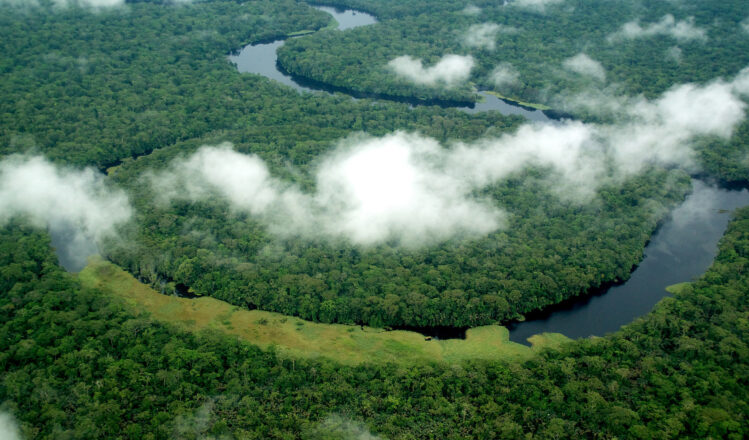
For adventurous travelers, one of the greatest attractions of Lomami National Park is the feeling of exploring a relatively remote wilderness.
The park is not a conventional mass-tourism destination. Travel can require careful planning, patience, and flexibility. Infrastructure may be limited, and visitors should expect a more expedition-style experience than a traditional luxury safari.
This remote character is precisely what makes Lomami appealing to certain travelers.
If you enjoy discovering less-visited destinations, learning about wildlife conservation, and experiencing nature away from crowded tourist routes, Lomami can offer an extraordinary adventure.
Support Conservation Through Responsible Travel
Responsible tourism can play an important role in supporting protected areas and surrounding communities.
Travelers visiting Lomami should choose responsible tourism partners, follow park regulations, avoid disturbing wildlife, and minimize waste.
Supporting local guides, accommodation providers, transport services, and community-based initiatives can also help ensure that tourism benefits people living near conservation areas.
Visitors should remember that the Congo rainforest is a fragile ecosystem. Small actions, such as avoiding single-use plastics and respecting wildlife distances, can contribute to more sustainable travel.
Best Time to Visit Lomami National Park
The best time to visit Lomami National Park depends on your interests and travel plans. The Congo Basin has a tropical climate, with rainfall occurring throughout the year.
Periods with relatively lower rainfall may make some travel routes easier, although conditions can vary considerably.
The rainy season can make roads and trails more challenging but also brings lush vegetation and vibrant forest conditions. Wildlife behavior and visibility may also change with seasonal conditions.
Before traveling, check current local conditions and seek advice from experienced operators familiar with the region.
How to Prepare for a Trip to Lomami National Park
Because Lomami is a remote destination, preparation is essential.
Travelers should plan their trip well in advance and confirm transport arrangements, permits, accommodation, guide services, and local access requirements.
Useful items may include:
- Lightweight, breathable clothing
- Long trousers and long-sleeved shirts
- Strong, comfortable walking shoes
- Waterproof clothing
- Insect repellent
- Sunscreen
- Binoculars
- Camera equipment
- Extra batteries and power banks
- A reliable water bottle
- Personal medical supplies
- A small first-aid kit
- A waterproof bag for electronics
Travelers should also be physically prepared for walking in warm and humid conditions.
Why Visit Lomami National Park?
There are many reasons to consider visiting Lomami National Park. The destination offers a combination of biodiversity, adventure, scientific importance, and conservation value.
The park is especially appealing to travelers who want something beyond the typical African safari experience. Instead of focusing only on the Big Five, visitors can explore a complex rainforest ecosystem where rare primates, forest elephants, birds, and countless smaller species contribute to an extraordinary natural environment.
The park’s importance also extends beyond tourism. Protecting its forests helps conserve biodiversity and preserve one of the world’s most important tropical ecosystems.
Final Thoughts on Things to Do in Lomami National Park
The best things to do in Lomami National Park revolve around discovering nature in one of Africa’s most remarkable rainforest environments. From exploring tropical forests and tracking wildlife to searching for primates, watching birds, photographing landscapes, and learning about conservation, the park offers a unique experience for adventurous travelers.
Lomami is not necessarily the easiest destination to visit, but its remote character is part of its appeal. Travelers who are willing to plan carefully and embrace the unpredictability of rainforest exploration can discover an unforgettable side of the Democratic Republic of Congo.
Whether you are a wildlife enthusiast, birdwatcher, photographer, conservation supporter, or adventurous explorer, Lomami National Park offers the opportunity to experience a truly wild corner of the Congo Basin.
If you are planning an adventure in Central Africa, consider adding Lomami National Park to your travel plans and discovering the remarkable biodiversity that makes this protected area so important.
Suggested image alt text: Things to do in Lomami National Park – wildlife, rainforest exploration, birdwatching, and primate tracking.