Complete Guide to Birds and Birdwatching
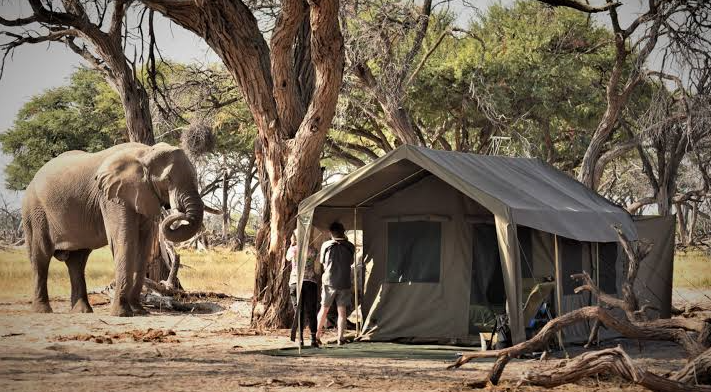
Lomami National Park birding offers an extraordinary opportunity to explore one of the Democratic Republic of the Congo’s most remote and biologically important rainforest landscapes.
Located in the heart of the Congo Basin, Lomami National Park protects vast tropical forests, rivers, savannah clearings, and diverse ecosystems that support an impressive variety of wildlife.
For birdwatchers, this remote national park presents a unique adventure. The forests of Lomami are home to numerous bird species, including colorful forest birds, raptors, waterbirds, and other species adapted to the dense Central African rainforest.
The park’s remote location also means that many areas remain relatively unexplored, making birdwatching here especially appealing to adventurous travelers and experienced birding enthusiasts.
Unlike more established birding destinations, Lomami National Park birding is less about ticking off a long list of easily accessible species and more about experiencing nature in a pristine wilderness environment.
Birdwatchers can explore forest trails, riverbanks, wetlands, and open clearings while listening for the calls of birds hidden within the thick vegetation.
Whether you are an experienced birder, a wildlife photographer, or a traveler interested in Congo’s remarkable biodiversity, Lomami National Park provides an opportunity to discover a lesser-known side of African birdwatching.
Where Is Lomami National Park?
Lomami National Park is located in the central part of the Democratic Republic of the Congo. The park covers a huge area of rainforest and wilderness between the Lomami and Lualaba Rivers.
The national park was officially established in 2016 to protect one of the Congo Basin’s remaining large areas of intact forest. Its landscape includes extensive lowland tropical rainforest, rivers, swamps, and forest clearings.
The park is part of a wider ecosystem that supports many important species. Its forests provide habitat for primates, forest elephants, antelopes, and numerous bird species.
Because Lomami is remote, reaching the park can require careful planning. Travelers should work with experienced local guides and tour operators who understand the region and current access conditions.
For visitors interested in combining Congo wildlife experiences with other African destinations, consider exploring our African safari tours and related wildlife adventures.
Why Choose Lomami National Park Birding?
One of the biggest attractions of Lomami National Park birding is the opportunity to explore a relatively untouched wilderness.
Many popular birdwatching destinations in Africa have established trails, lodges, and extensive tourism infrastructure. Lomami offers a different experience.
Its remote forests provide a sense of exploration and discovery that is increasingly rare.
The park’s diverse habitats create opportunities to encounter different bird species in a single safari. Dense rainforest can attract forest specialists, while rivers and wetlands provide habitat for water-associated birds.
Forest edges and open areas may attract species that are less common deep inside the rainforest.
Birdwatching in Lomami is also rewarding because the park forms part of the Congo Basin, one of the world’s most important tropical rainforest regions. The vast forest environment supports exceptional biodiversity and plays an important role in global conservation.
For adventurous birdwatchers, the experience is not only about seeing birds. It is also about traveling through one of Africa’s most remarkable wilderness landscapes.
Bird Habitats in Lomami National Park
The diversity of habitats within Lomami National Park contributes to its birdlife. During a birdwatching expedition, visitors may explore several different environments.
Tropical Rainforest
The tropical rainforest is the dominant habitat in Lomami National Park. Tall trees form a dense canopy that creates a complex environment for birds.
Many forest species spend most of their time in the canopy. Others live closer to the forest floor or move through the vegetation at different levels.
Birdwatchers should listen carefully for calls because dense vegetation can make visual sightings difficult. A good pair of binoculars and patience are essential when searching for birds in thick rainforest.
Early mornings are particularly productive because birds are often more active during the cooler hours of the day.
Forest Clearings
Natural clearings within the forest can provide excellent birdwatching opportunities. Birds may visit these open areas to feed, search for insects, or move between different parts of the forest.
Clearings can also offer better visibility than dense rainforest. Birdwatchers may have a greater chance of observing birds in flight or seeing species perched on exposed branches.
These areas can be especially useful for photographers because natural light is often better than in the dark forest interior.
Rivers and Streams
The rivers and streams of Lomami National Park create important habitats for birds.
Water associated species may be found along riverbanks, while other birds use rivers as movement corridors through the forest.
Birdwatchers exploring waterways should watch the surrounding vegetation and exposed branches. Birds may perch close to the water or fly across rivers while moving between forest habitats.
River excursions can therefore add another dimension to a Lomami birding adventure.
Wetlands and Swamps
Wetlands and swamp forests are important ecosystems within the Congo Basin. These environments support bird species that depend on water and wetland vegetation.
Birdwatching in these areas requires careful observation. Some species may remain hidden among reeds, grasses, or dense vegetation.
A knowledgeable local guide can make a major difference by identifying bird calls and recognizing movement in the vegetation.
Forest Edges
Forest edges provide a transition between dense forest and more open environments. These areas can attract a mixture of bird species.
Forest-edge habitats are often productive because birds from different ecosystems may overlap in the same area. Birdwatchers can therefore encounter a broader variety of species without traveling long distances between habitats.
Birds You May Encounter in Lomami National Park
The birdlife of Lomami National Park reflects the extraordinary biodiversity of the Congo Basin.
Birdwatchers may encounter a variety of forest birds, including species belonging to groups such as turacos, hornbills, kingfishers, bee-eaters, cuckoos, sunbirds, barbets, weavers, and other tropical forest birds.
Exact sightings depend on the location, season, weather, habitat, and experience of the local guide. Some species are easier to detect by sound than by sight.
Turacos
Turacos are among Africa’s most distinctive forest birds. Their colorful appearance and characteristic calls make them exciting discoveries during rainforest birding.
Several turaco species occur in Central African forests. Birdwatchers should listen for their distinctive vocalizations and scan the canopy carefully.
Because turacos often move through treetops, binoculars are extremely useful.
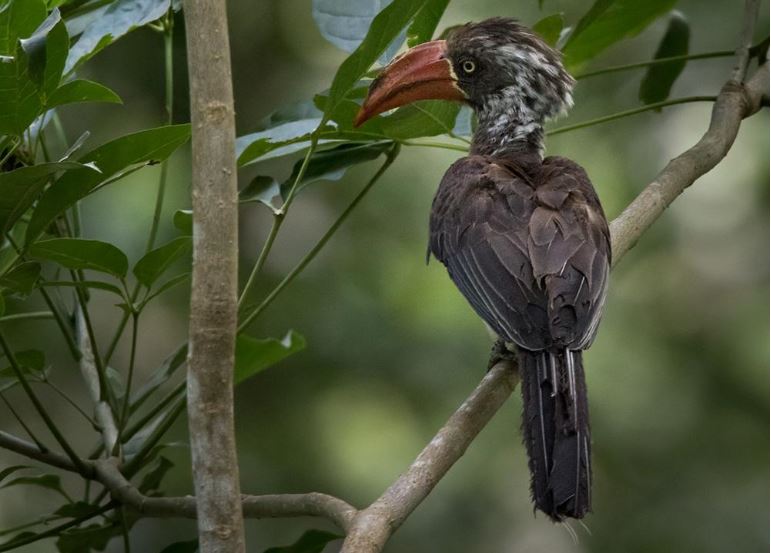
Hornbills
Hornbills are another important group of African forest birds.
They are often recognized by their large bills and distinctive flight patterns. Some hornbills spend considerable time in the forest canopy, while others may be observed moving between trees.
Their calls can sometimes reveal their presence before they become visible.
Kingfishers
Despite their name, not all kingfishers depend exclusively on fish. Some species live in forests and feed on insects and other small prey.
Riverbanks, streams, and forest habitats may provide opportunities to encounter different kingfisher species.
Birdwatchers exploring waterways should pay close attention to branches extending over the water.
Sunbirds
Sunbirds are small, colorful birds that feed primarily on nectar and insects.
They can be found in forest edges, flowering vegetation, and other areas where food sources are available.
Their bright colors make them popular subjects for wildlife photography.
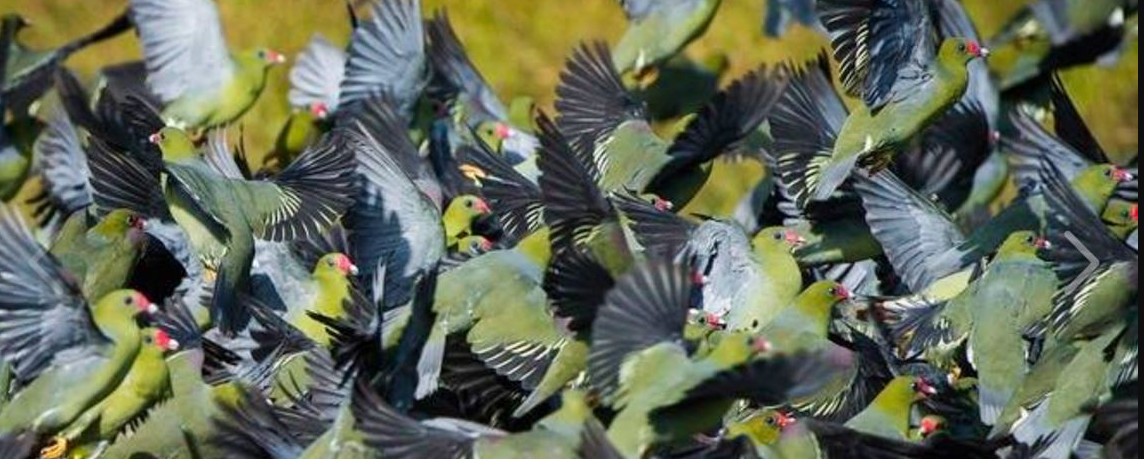
African Green Pigeons
African green pigeons are attractive forest birds that can sometimes be difficult to spot because their green plumage blends naturally with the surrounding vegetation.
They may feed on fruits and other forest resources. Birdwatchers should scan fruiting trees carefully when exploring rainforest habitats.
Forest Raptors
The forests of the Congo Basin also support various birds of prey.
Forest raptors can be challenging to observe because they may spend much of their time perched quietly within the canopy. However, experienced guides can help identify their calls and movements.
Seeing a forest raptor during a birding expedition can be a memorable experience.
Best Time for Lomami National Park Birding
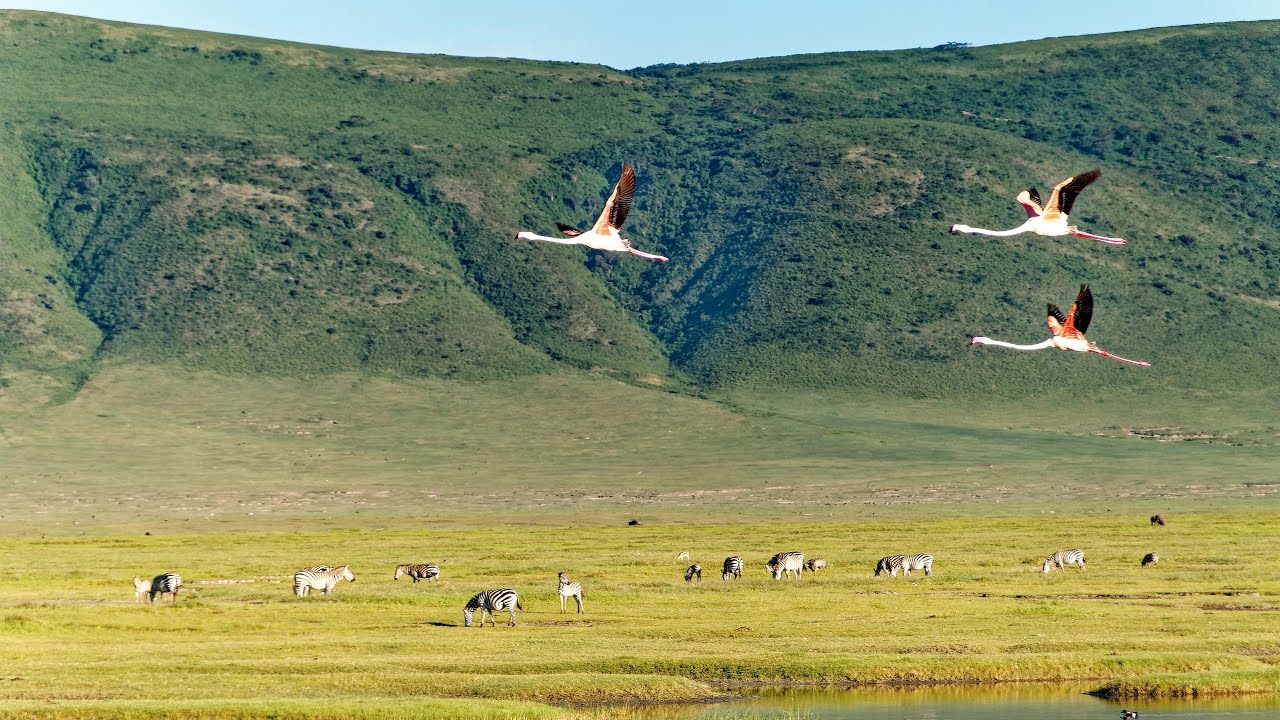
Birdwatching can potentially be enjoyed throughout the year in Lomami National Park. However, weather conditions can influence accessibility, walking conditions, and bird activity.
The drier periods may provide more comfortable conditions for walking and exploring trails. Roads and access routes can also be easier to navigate when heavy rainfall is less frequent.
The wet season, on the other hand, can transform the forest into a lush and vibrant environment. Rainfall supports abundant vegetation and insect activity, which can create excellent feeding opportunities for birds.
However, heavy rain can make travel more challenging.
The best time for Lomami National Park birding ultimately depends on your priorities. Travelers who value easier movement may prefer relatively drier conditions, while experienced birdwatchers may enjoy visiting during wetter periods to experience the rainforest at its most vibrant.
Because weather patterns can vary, it is advisable to check current local conditions before planning your trip.
Best Time of Day for Birdwatching
Early morning is generally one of the best times for birdwatching in tropical forests.
Birds are often highly active after sunrise. The temperatures are cooler, and many species begin feeding and calling during the early hours.
A typical birding excursion may begin before sunrise or shortly afterward. This allows visitors to enter the forest when bird activity is increasing.
Late afternoon can also be productive. As temperatures begin to fall, some birds become active again.
The middle of the day can be more challenging because many birds become less active during the hottest hours.
For the best experience, birdwatchers should plan multiple outings throughout the day rather than relying on a single morning walk.
Birdwatching Techniques for Lomami National Park
Birding in dense rainforest requires patience and good observation skills.
Unlike open savannah environments, rainforest birds may remain hidden in thick vegetation. Birdwatchers therefore need to rely on several techniques.
Listen for Bird Calls
Learning to identify bird calls can greatly improve your chances of finding birds.
In dense forest, you may hear a bird long before you see it. Experienced guides can often identify species based on their calls and direct visitors toward the correct location.
Use Binoculars
A good pair of binoculars is essential for rainforest birding.
Birds may be perched high in the canopy or hidden among leaves. Binoculars allow you to observe them without disturbing their natural behavior.
Move Slowly
Walking quietly and slowly can increase your chances of spotting wildlife.
Sudden movements and loud conversations may cause birds to fly away before you can observe them.
Be Patient
Patience is one of the most important skills for successful birdwatching.
A bird may remain hidden for several minutes before moving into view. Instead of constantly changing locations, sometimes it is better to remain still and wait.
Travel With a Local Guide
A knowledgeable local guide can dramatically improve the birding experience.
Guides understand the forest environment and may know where certain birds are commonly found. They can also recognize calls that visitors may not notice.
Bird Photography in Lomami National Park
Lomami National Park offers exciting opportunities for wildlife photographers interested in birds.
However, rainforest photography presents unique challenges.
The forest canopy can create low-light conditions, especially beneath dense vegetation. A camera with good low-light performance and a suitable telephoto lens can be useful.
Photographers should also carry extra batteries and memory cards, especially when traveling in remote areas where charging facilities may be limited.
Patience is essential. Instead of chasing birds through thick vegetation, photographers should wait for natural opportunities.
Photographing birds in their natural environment should always prioritize wildlife welfare. Visitors should avoid disturbing nests, breeding sites, or feeding areas.
What to Pack for a Lomami Birding Safari
Preparation is important for a successful birdwatching expedition.
Essential items may include:
- Binoculars
- Camera with a telephoto lens
- Extra batteries
- Extra memory cards
- Lightweight waterproof clothing
- Comfortable hiking shoes
- Insect repellent
- Sun protection
- Reusable water bottle
- Field guidebook
- Notebook for recording sightings
- Headlamp or flashlight
- Small backpack
- Waterproof bags for electronic equipment
Because Lomami is a remote destination, travelers should also follow guidance from their tour operator regarding additional equipment and supplies.
Conservation Importance of Lomami National Park
Lomami National Park is important not only for birds but also for the wider conservation of the Congo Basin.
The park protects extensive forests that provide habitat for many species. Protecting these forests also helps preserve ecological processes and supports communities that depend on natural resources.
Conservation in remote areas can be challenging. Illegal hunting, habitat pressure, and limited infrastructure can affect wildlife and protected areas.
Responsible tourism can contribute to conservation by supporting local employment, guiding services, and community-based initiatives.
Visitors should follow park regulations and avoid activities that could negatively affect wildlife or local communities.
Responsible Birdwatching in Lomami National Park
Responsible birdwatching is essential when visiting sensitive rainforest environments.
Birdwatchers should maintain a respectful distance from wildlife and avoid using excessive playback of bird calls.
Bird calls can attract birds, but repeated playback may cause unnecessary stress or disrupt natural behavior. Visitors should therefore follow the advice of experienced guides.
Never remove plants, feathers, nests, or other natural objects from the park.
Travelers should also avoid littering and use reusable items whenever possible.
Supporting local guides and responsible tour operators can help ensure that tourism contributes positively to conservation and local communities.
Combining Lomami Birding With Other African Safaris
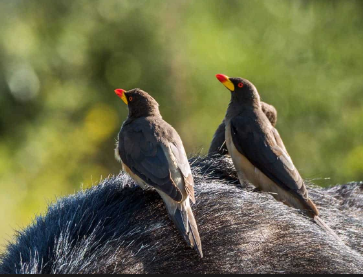
A trip focused on Lomami National Park birding can be part of a broader African wildlife adventure.
Travelers interested in primates may consider combining their Congo experience with gorilla trekking in Uganda or Rwanda.
Uganda is particularly well known for its mountain gorillas, chimpanzees, and exceptional bird diversity. Visitors can explore our Uganda wildlife safaris and gorilla trekking safaris to discover additional wildlife experiences.
Bird enthusiasts can also explore Uganda’s forests and wetlands, where they may encounter a wide range of East African bird species.
Combining destinations allows travelers to experience different ecosystems and wildlife habitats within one extended African journey.
How to Plan a Lomami National Park Birding Trip
Planning a birding expedition to Lomami requires more preparation than visiting a well-established safari destination.
Start by researching current access conditions and travel requirements. Because the park is remote, transportation arrangements should be confirmed well in advance.
Work with a reputable tour operator familiar with the region. Your operator can help organize transportation, accommodation, guides, permits, and other essential arrangements.
You should also consider the length of your trip. Longer stays generally provide more opportunities to explore different habitats and increase the chances of encountering a wider variety of birds.
Before departure, check current travel advisories and local conditions.
A flexible itinerary is also recommended. Weather, road conditions, and other factors may affect travel plans.
Why Birdwatchers Should Visit Lomami National Park
Lomami National Park offers a different kind of birdwatching adventure.
It is not simply a destination where travelers arrive, follow a marked trail, and quickly tick species off a checklist. Instead, it offers the chance to explore a vast wilderness environment where every walk can bring a new discovery.
The combination of tropical rainforest, rivers, wetlands, forest edges, and clearings creates diverse opportunities for birdwatching.
The park’s remote character is part of its appeal. For travelers who enjoy exploration, photography, nature, and conservation, Lomami National Park birding can provide an unforgettable experience.
The Congo Basin remains one of the world’s most important rainforest regions. Visiting responsibly allows travelers to appreciate its natural beauty while supporting efforts to protect its extraordinary biodiversity on Lomami National Park Birding
Visit Lomami National Park birding
From colorful forest birds and hornbills to kingfishers, sunbirds, pigeons, and birds of prey, the park’s diverse habitats provide an impressive setting for birdwatching.
The experience requires patience, preparation, and flexibility. However, the reward is the opportunity to explore a remote rainforest landscape where wildlife encounters can feel genuinely special.
If you are planning an African birdwatching or wildlife adventure, consider adding Lomami National Park to your list of destinations. With careful planning, responsible travel, and the support of experienced local guides, your journey into the Congo rainforest can become a memorable exploration of one of Africa’s most extraordinary natural environments.