Exploring Serengeti: When & Where to See the Migration
Exploring Serengeti and the Great Migration is the bucket-list safari experience of a lifetime. Over 1.5 million wildebeest move in a continuous circle across Tanzania and Kenya every year. They are joined by hundreds of thousands of zebras and Thomson’s gazelles. Together, this mass movement creates one of nature’s most breathtaking spectacles. However, the migration is not a single event. It is a year-round cycle that changes location month by month. Knowing when and where to go is essential for planning a successful trip. This guide covers every stage of the migration in detail. To book your Serengeti safari, visit our Tanzania safari packages page today.
Why Exploring Serengeti for the Great Migration Is Unique
The Serengeti ecosystem covers approximately 30,000 square kilometres across Tanzania and into Kenya’s Masai Mara. Furthermore, it is home to the largest overland wildlife migration on earth. No other place on the planet witnesses animal movement at this scale. Consequently, exploring Serengeti for the Great Migration draws wildlife enthusiasts from every continent year after year.
The migration moves in response to rainfall and fresh grass. Therefore, its exact timing varies slightly each year. However, the general pattern remains predictable enough to plan around confidently. Additionally, each phase of the migration offers a distinct wildlife experience. Understanding the cycle helps you choose which phase suits your interests most. Our East Africa wildlife calendar breaks down monthly highlights across the region.
The Great Migration Cycle: Month-by-Month Guide
January to March: Calving Season in the Southern Serengeti
The southern Serengeti and Ndutu plains host the most dramatic opening phase of the migration. Between late January and March, approximately 500,000 wildebeest calves are born within a concentrated two-to-three-week window. This calving explosion is the result of synchronized breeding that ensures maximum calf survival. Consequently, predator activity during calving season is extraordinarily intense.
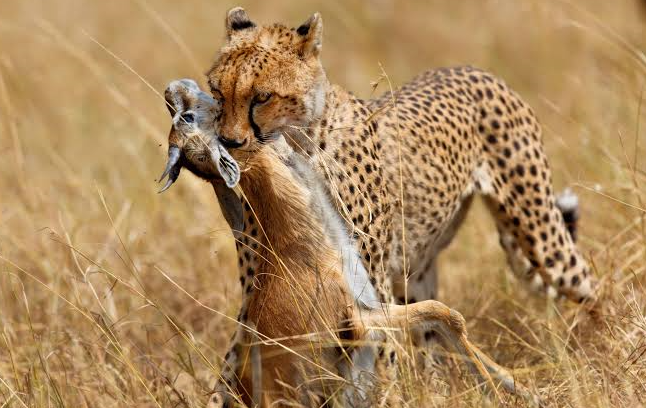
Lions, cheetahs, hyenas, and leopards all converge on the southern plains. Therefore, game drives during calving season produce some of the most dramatic predator-prey interactions visible anywhere in Africa. Furthermore, the short-grass Ndutu plains offer excellent visibility, making photography particularly rewarding during this period.
This is also one of the best times to explore the Ngorongoro Conservation Area alongside the Serengeti. Our Ngorongoro and Serengeti safari guide details how to combine both destinations efficiently.
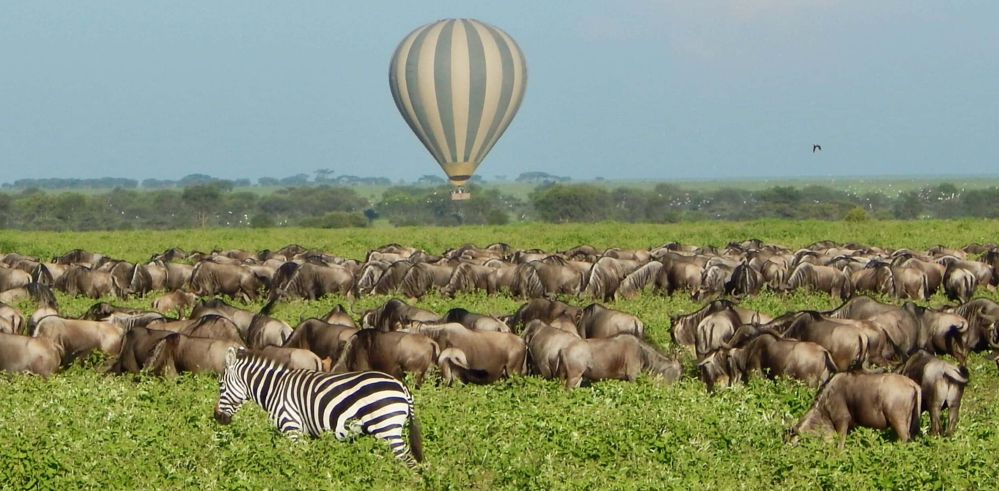
April to May: The Long Rains and Westward Movement
April and May bring Tanzania’s long rainy season. The herds begin moving northwest toward the Western Corridor of the Serengeti. Additionally, vegetation turns brilliantly green, transforming the landscape into a lush, photogenic backdrop. Fewer tourists travel during this period, so those who do enjoy quieter roads and more exclusive wildlife encounters.
The Western Corridor holds the Grumeti River, which presents the first major river crossing challenge of the annual cycle. Crocodiles in the Grumeti are well-fed and enormous. However, crossings here are smaller and less predictable than those at the famous Mara River further north. Therefore, April and May visitors should set realistic expectations about witnessing a Grumeti crossing.
June to July: The Northern Push Begins
By June, the herds have moved into the central and northern Serengeti. This northward push intensifies as the dry season sets in. Consequently, the northern Serengeti around the Lamai Wedge and Kogatende area begins attracting both wildebeest and safari vehicles in large numbers.
July marks the beginning of the most famous phase of exploring Serengeti, the Mara River crossings. Massive herds gather on the southern bank and eventually commit to crossing. Crocodiles lie in wait below the surface. Thousands of animals plunge into the churning water simultaneously. The chaos, noise, and energy of a large crossing is genuinely overwhelming. Furthermore, multiple crossings can occur in a single day during peak periods, making extended stays in the north essential for maximum chances.
August to October: Peak Crossing Season
August through October represents the peak period for Mara River crossings. Exploring Serengeti during this window delivers the migration at its most dramatic. The northern Serengeti and adjacent Masai Mara in Kenya both host enormous herds simultaneously. Consequently, this period attracts the highest volume of visitors, and accommodation books up many months in advance.
Crossing points along the Mara River include the famous Crossing Point 1 near Kogatende and several secondary crossings further west. Guides monitor river activity via radio networks and position vehicles near active gathering points. Therefore, patience is essential. Herds can gather for hours before suddenly committing to crossing. However, when the moment arrives, nothing in African wildlife compares.
The Tanzania National Parks Authority provides updated park access information and seasonal conservation news relevant to planning this phase.
November to December: The Return South Begins
By November, the short rains arrive and begin drawing the herds back southward. The wildebeest leave Kenya’s Masai Mara and stream back into the northern and central Serengeti. Consequently, the landscape fills again with moving columns of animals heading toward the southern plains where calving will soon restart.
December is a transitional month. The herds spread across the central and southern Serengeti. Additionally, predator activity remains high as lions and cheetahs follow the returning herds. This period is often overlooked by first-time visitors but delivers excellent game viewing with fewer crowds than peak July through October.
Best Locations for Exploring Serengeti Great Migration
Different zones of the Serengeti excel at different times of year. Choosing the right sector for your travel dates dramatically improves your migration experience.
Southern Serengeti and Ndutu
The Ndutu plains between the Serengeti and Ngorongoro Conservation Area are the best location from December through March. This is calving country. Furthermore, the open grassland provides unobstructed views across vast distances. Flamingos and other waterbirds gather at seasonal Lake Ndutu, adding variety to wildlife drives.
Western Corridor
The Grumeti River area in the Western Corridor is most productive between April and June. Additionally, the Grumeti Private Reserve adjacent to the national park offers exclusive access and reduced vehicle density. Consequently, this zone suits travelers seeking a quieter migration experience with high predator activity.
Northern Serengeti
The northern Serengeti around Kogatende and the Lamai Wedge is the premier destination from July through October. This sector is the closest part of the Tanzanian Serengeti to the Mara River crossings. Therefore, staying in the north during this period maximizes crossing opportunities. Accommodations here range from budget campsites to exclusive fly-in camps with private river frontage.
Central Serengeti: Seronera Valley
The Seronera Valley at the heart of the Serengeti offers productive game viewing year-round. Big cats concentrate here consistently. Furthermore, resident elephant herds, buffalo, and giraffe populations ensure excellent game drives even when migration herds are elsewhere. Therefore, Seronera suits travelers whose dates do not align perfectly with peak migration phases.
How to Plan Your Exploring Serengeti Migration Safari
Planning a migration safari requires more lead time than most safaris. Peak-season accommodation in the northern Serengeti sells out up to a year in advance. Therefore, starting your planning process early is essential. Our team recommends booking at least six to nine months ahead for July through October travel.
Additionally, decide which migration experience matters most to you. If you want calving and predator action, January to March is your window. If river crossings are the priority, July to October is non-negotiable. Furthermore, combining multiple Serengeti zones across a longer itinerary maximizes the range of migration phases you witness.
Flying between Serengeti sectors saves significant time. Charter flights connect Seronera, Kogatende, Grumeti, and Ndutu airstrips efficiently. Alternatively, overland drives between sectors offer scenic route options. Our Serengeti migration safari packages outlines several itinerary structures suited to different travel dates and budgets.
What to Expect on a Serengeti Game Drive
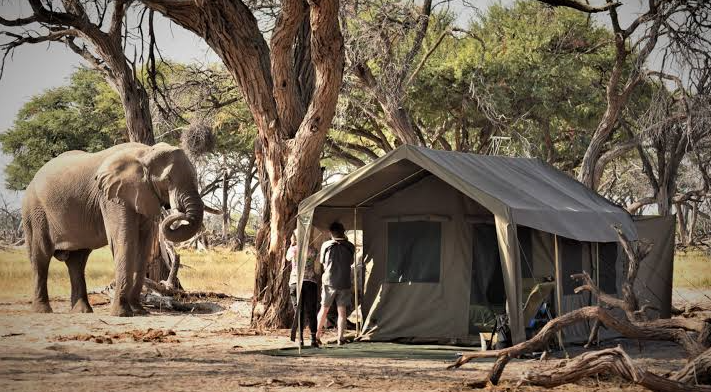
Game drives in the Serengeti typically begin before sunrise. Rangers brief guests at camp before departure. Your guide navigates toward the highest concentrations of activity based on radio contact with other vehicles and tracker networks. Consequently, even on quiet days, the Serengeti’s permanent wildlife population ensures rewarding drives.
Bring binoculars and a camera with a long zoom lens. Early morning light offers the best photography conditions. Additionally, late afternoon drives from around 4:00 PM to sunset produce excellent predator activity. Many lodges offer optional night drives on private concession land adjacent to the national park.
Practical Tips for Exploring Serengeti
Pack light layers for early morning drives. Temperatures at sunrise across the Serengeti can drop significantly even in the dry season. Furthermore, neutral-colored clothing in khaki, beige, or olive green blends into the bush environment and reduces disturbance to nearby wildlife.
Sunscreen and a wide-brimmed hat are essential for midday hours. Additionally, a dust cover for camera equipment protects gear on dry-season tracks. Carry sufficient drinking water for each game drive. Most lodges provide refillable bottles to reduce single-use plastic waste inside the park.
Final Thoughts on Exploring Serengeti and the Great Migration
Exploring Serengeti for the Great Migration delivers one of the most powerful wildlife experiences on earth. Every month reveals a different chapter of this ancient animal story. Whether you witness calving season chaos, a Grumeti crocodile ambush, or a thundering Mara River crossing, the Serengeti never disappoints. Our experienced team designs migration safari itineraries tailored to every travel date and budget. Contact us today to plan your Serengeti adventure.