Ziwa Rhino Sanctuary Lodges: Where to Stay for Uganda’s Most Unique Wildlife Experience
James had driven past the Ziwa Rhino Sanctuary sign three times.
Each time, he was heading north to Murchison Falls on a tight schedule. James told himself he would stop on the return. Each time, he didn’t.
On his fourth Uganda trip, he finally stopped. He booked one night at the sanctuary’s lodge. He went on the morning rhino tracking walk. And he stood, at 7:15am, four metres from a white rhinoceros mother and her six-month-old calf in open savannah grassland.
“I cannot explain why I waited four trips,” he said afterwards. “It is one of the most extraordinary experiences I have had in Africa. And I almost missed it every single time.”
Ziwa Rhino Sanctuary lodges give you access to what no other Uganda safari destination provides, the opportunity to approach wild white rhinos on foot, with armed rangers, at extremely close range, in the only location in Uganda where wild rhinos exist.
This guide tells you everything about where to stay, what to expect, and why one night at Ziwa Rhino Sanctuary deserves a permanent place in every Uganda safari itinerary.
What Is Ziwa Rhino Sanctuary?
Ziwa Rhino Sanctuary is a 7,000-hectare private sanctuary located in Nakasongola District, approximately 176 kilometres north of Kampala on the main road to Murchison Falls National Park.
The sanctuary was established in 2005 by the Rhino Fund Uganda in partnership with the Uganda Wildlife Authority. Its founding purpose was the reintroduction of the southern white rhino (Ceratotherium simum simum) to Uganda, a country from which rhinos had been completely poached out by the 1980s.
The programme has been remarkable. Starting with six founder animals sourced from Kenya and the United States, the Ziwa population has grown to over 30 individuals, births, growth, and successful calf-rearing in a protected sanctuary environment. According to the African Wildlife Foundation, Ziwa is one of the most successful rhino reintroduction programmes in East Africa.
The ultimate goal is to reintroduce breeding groups to Uganda’s national parks, specifically Murchison Falls. However, while that longer-term goal remains in development, Ziwa is currently the only place in Uganda where you can see wild white rhinos. Furthermore, you can approach them on foot, a wildlife experience that game-vehicle-based safaris in national parks simply cannot replicate.
The Rhino Tracking Experience: What Actually Happens
Understanding the rhino tracking experience is essential context for choosing your Ziwa lodge and planning your stay.
Rhino tracking walks operate at dawn and dusk, the two periods of highest rhino activity. Dawn walks typically depart at 6:30am. Dusk walks depart around 4:30pm. Both last approximately 1.5–2 hours.
Each group is limited to a small number of visitors, typically 4–8 people, and is accompanied by at least two armed rangers. The rangers track specific rhino individuals by radio telemetry and by reading the landscape. Consequently, the approach to the rhinos is guided and controlled rather than speculative.
The walking distance varies. On some mornings, rhinos are found within 20 minutes of departure. On others, a 45–60 minute walk through the sanctuary’s mixed grassland and woodland is required. The terrain is gentle, flat to slightly undulating, making the walk accessible for most fitness levels.
The encounter itself is extraordinary. White rhinos at Ziwa are accustomed to ranger presence. Furthermore, their habituation to human observers means they typically continue grazing or resting while the group approaches to within 5–10 metres. The scale of the animals at this range, a mature white rhino weighs up to 2,300 kilograms, is physically overwhelming in a way that vehicle-based encounters cannot produce.
You are on foot. The rhino is 5 metres away. Nothing is between you. The ranger is calm and experienced. And the rhino is enormous.
Staying overnight at Ziwa Rhino Sanctuary lodges allows you to do both the dawn and dusk walks, giving you four hours of rhino tracking across morning and evening. This is dramatically more time with the animals than a day visit, which is limited to a single walk.
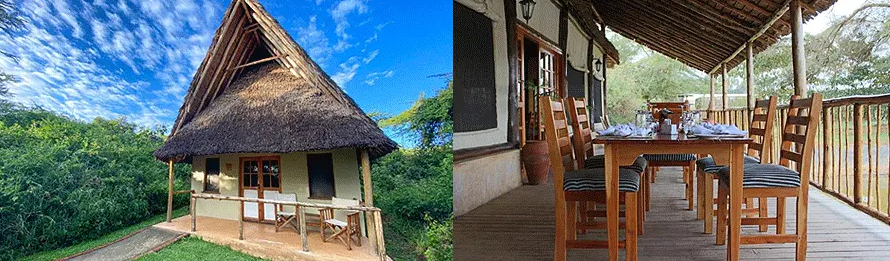
Ziwa Rhino Sanctuary Lodges: The Accommodation Options
Amuka Safari Lodge: The Premium Ziwa Rhino Sanctuary Lodge
Amuka Safari Lodge is the flagship accommodation at Ziwa Rhino Sanctuary. It is the most comfortable, most comprehensively managed, and most highly recommended property at the sanctuary.
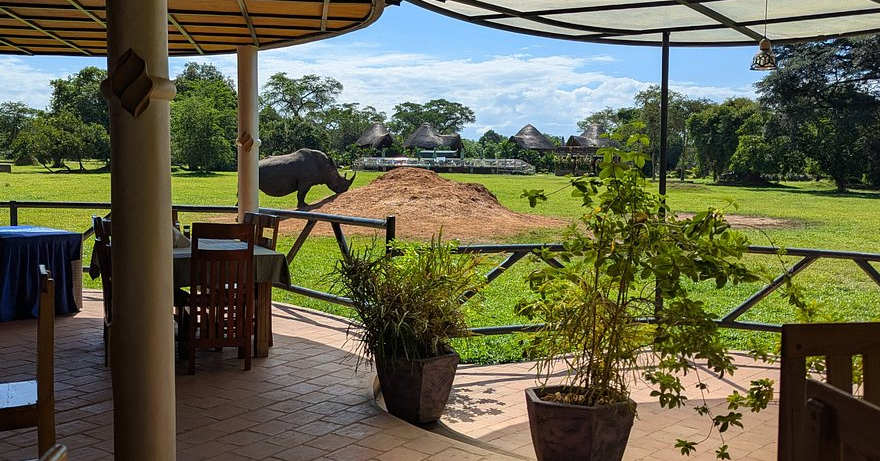
The lodge has 10 spacious en-suite chalets arranged on a raised wooden deck structure overlooking the sanctuary’s savannah. The chalets are well-appointed with good beds, reliable hot water, ceiling fans, and private verandas. Furthermore, the main lodge area, an open-sided dining and lounge space — faces directly into the sanctuary landscape. Consequently, wildlife is visible from meals, drinks, and the communal sitting area throughout the day.
The food at Amuka is excellent by any Uganda safari standard. The menu changes daily and draws on local agricultural produce. Additionally, the staff team’s warmth and attentiveness consistently receives the strongest visitor feedback of any accommodation element at Ziwa.
Amuka Safari Lodge organises both the dawn and dusk rhino tracking walks as standard inclusions. Furthermore, the lodge arranges optional activities including boat trips on the sanctuary’s wetland areas, one of the most reliable shoebill stork locations in Uganda outside Mabamba Wetland.
Shoebill note: The wetlands within Ziwa Rhino Sanctuary support a resident shoebill stork population. An early morning boat trip, organised through Amuka, regularly produces close shoebill encounters. Consequently, an overnight at Ziwa gives access to both of Uganda’s two most sought wildlife experiences (rhino and shoebill) simultaneously.
Price range: $150–$280 per person per night (half board, including tracking walks) Comfort level: ★★★★, the most comfortable option at Ziwa Rhino tracking included: Yes, dawn and dusk walks Shoebill access: Available via optional wetland boat trip Best for: Families, first-time Ziwa visitors, travellers who want the complete sanctuary experience
Ziwa Bush Camp: Intimate Tented Experience
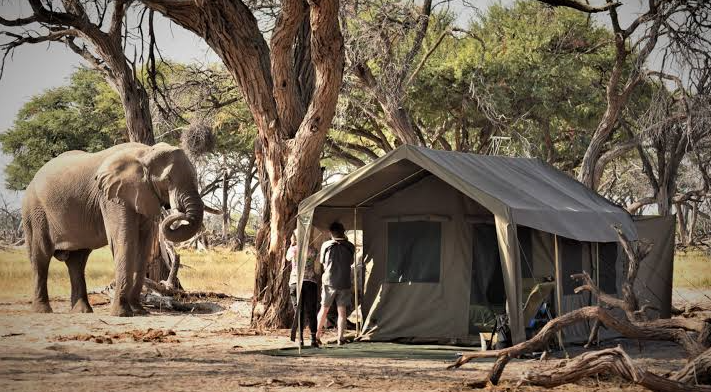
Ziwa Bush Camp offers a more rustic, immersive alternative to Amuka Safari Lodge. The camp consists of East African-style canvas tents on simple platforms, with shared or en-suite ablution facilities depending on the specific accommodation type booked.
The camp sits in a different position within the sanctuary from Amuka, closer to the central grassland zone where rhino activity is highest. Consequently, the wildlife visible from the camp itself is frequently dramatic. Rhinos occasionally move through the area immediately surrounding the camp in the early morning.
The Bush Camp suits travellers who specifically want the feeling of sleeping in the wild rather than in a permanent lodge structure. Additionally, the price point is lower than Amuka, making it the better choice for budget-conscious visitors who still want the overnight sanctuary experience.
Price range: $80–$150 per person per night (bed and breakfast or half board) Atmosphere: ★★★★★, most immersive experience at Ziwa Rhino proximity: ★★★★★, central grassland position, rhinos occasionally visible from camp Best for: Budget-conscious wildlife enthusiasts, travellers who want maximum immersion
Day Visit vs. Overnight Stay: Why the Overnight Wins
Many Uganda safari itineraries treat Ziwa as a day visit stop, arriving from Kampala, doing a single rhino walk, and continuing to Murchison Falls on the same day.
This is a perfectly valid approach. Furthermore, it is significantly better than not stopping at all (as James demonstrated across three trips). However, an overnight stay at Ziwa Rhino Sanctuary lodges offers advantages that a day visit cannot replicate:
Two tracking walks instead of one. Dawn and dusk are both accessible. Furthermore, rhino behaviour differs significantly between morning and evening, the dawn walk typically finds animals grazing actively, while the dusk walk often produces more social interaction between individuals.
The shoebill boat trip. The wetland boat trip is a 2–3 hour morning activity that cannot be combined with a rhino walk and a long drive in a single day. An overnight stay makes it possible.
The sanctuary at night. The sounds of the sanctuary after dark, nightjars, owls, the occasional distant movement of large mammals, are part of the experience that a day visit misses entirely.
Genuine rest before or after Murchison. The drive from Kampala to Murchison Falls is long (approximately 6 hours). Breaking it at Ziwa with an overnight stay reduces fatigue significantly.
Ziwa as Part of Your Uganda Safari Itinerary
Ziwa Rhino Sanctuary’s position on the main Kampala–Murchison Falls road makes it one of the most logistically natural stops in Uganda safari planning.
Classic northern Uganda circuit:
Day 1: Kampala to Ziwa Rhino Sanctuary (3 hours), dusk rhino walk
Day 2: Dawn rhino walk + optional shoebill boat trip, drive to Murchison Falls (3 hours)
Days 3–4: Murchison Falls National Park game drives and Nile cruise
Day 5: Return to Kampala (6 hours)
This circuit efficiently covers Uganda’s two most important northern safari destinations. Furthermore, it adds the rhino and shoebill experiences that most standard Uganda itineraries miss.
Extended Uganda western and northern circuit: Combining Ziwa and Murchison Falls with a western circuit, Queen Elizabeth National Park and Bwindi gorilla trekking, creates one of Africa’s most complete single-country safari experiences. See our Uganda safari packages page for fully planned versions of this itinerary.
Beyond Rhinos: What Else Ziwa Offers
The rhinos are the headline. However, Ziwa Rhino Sanctuary’s wildlife extends significantly beyond its flagship species.
Shoebill stork: As noted above, Ziwa’s wetlands support resident shoebills. The boat trip success rate for close shoebill encounters is consistently high. According to the Uganda Tourism Board, Ziwa is one of the three most reliable shoebill locations in Uganda.
Birdwatching: Over 310 bird species have been recorded at Ziwa. The sanctuary’s combination of savannah, wetland, and woodland habitat produces exceptional bird diversity. A morning walk specifically focused on birding, rather than rhino tracking, can produce 60–80 species. Highlights include the goliath heron, African jacana, and numerous woodland and savannah specialists.
Other mammals: Jackson’s hartebeest, oribi, warthog, bushbuck, sitatunga (in wetland areas), olive baboon, and vervet monkey are all regularly encountered during rhino tracking walks and sanctuary drives.
Nocturnal wildlife: The sanctuary’s night walks, available on request through Amuka Safari Lodge, produce nightjar species, porcupine, genet, and occasionally civet cat.
Practical Information for Ziwa Rhino Sanctuary Lodges
How to get there: Ziwa Rhino Sanctuary is located on the Kampala–Gulu highway, approximately 176 kilometres north of Kampala. The drive takes 2.5–3 hours by private vehicle. The sanctuary entrance is clearly signed on the right side of the highway.
When to visit: Ziwa is open year-round. Rhino tracking walks operate daily regardless of season. However, the dry season (June–September and December–February) offers better walking conditions and clearer sightlines in the grassland.
Booking: Book accommodation and rhino tracking walks in advance, particularly for weekend visits and peak season travel. Amuka Safari Lodge accepts direct bookings and bookings through safari operators.
What to bring for rhino tracking: Neutral-coloured clothing (avoid white and bright colours), comfortable walking shoes, a camera without flash, binoculars, sunscreen, and water.
For complete seasonal planning, see our best time to visit Uganda guide.
FAQs:
Is staying overnight at Ziwa Rhino Sanctuary worth it?
Unequivocally yes. An overnight stay provides two rhino tracking walks (dawn and dusk), access to the shoebill boat trip, and a genuinely immersive sanctuary experience that a day visit cannot replicate.
How close do you get to the rhinos?
Typically 5–15 metres. White rhinos at Ziwa are habituated to ranger presence. Consequently, approaches to very close range are routine and safe under ranger supervision.
Is the rhino tracking walk physically demanding?
No. The terrain is flat to gently undulating grassland. The walk is accessible for most fitness levels including older travellers and families with children over approximately 6 years old.
Can I see a shoebill stork at Ziwa?
Yes. The wetland boat trip from Amuka Safari Lodge regularly produces close shoebill encounters. Success rates are high but not guaranteed, always book the boat trip in advance.
Is Ziwa Rhino Sanctuary safe? Yes. All rhino tracking walks are conducted with armed Uganda Wildlife Authority rangers. The sanctuary has an excellent safety record.
How do I include Ziwa in my Uganda safari?
Contact Africa Safari Tours, our team includes Ziwa as a standard recommendation on northern Uganda circuits and can coordinate lodge booking, tracking walk timing, and connections to Murchison Falls.
The Ziwa Rhino Sanctuary lodges give you the overnight experience that a roadside stop cannot.
Stop at Ziwa. Every time.
Contact Africa Safari Tours to plan your Uganda safari with Ziwa Rhino Sanctuary included, lodge booking, tracking walk coordination, and complete northern Uganda circuit planning from our expert team.