Community Owned Lodges Uganda: Sustainable Safari Stays Supporting Local Communities
Uganda is one of Africa’s most rewarding safari destinations, offering incredible wildlife encounters, breathtaking landscapes, and unforgettable cultural experiences. Beyond the famous gorilla trekking adventures, chimpanzee tracking, and classic game drives, Uganda has developed another important side of tourism: Community Owned Lodges Uganda. These unique accommodations allow travelers to enjoy comfortable stays while directly supporting local communities, conservation projects, and sustainable development initiatives.
Community-owned lodges in Uganda represent a new approach to responsible travel. Instead of tourism revenue leaving local areas, these lodges ensure that nearby communities benefit from visitors who explore their forests, national parks, and cultural landscapes. By choosing these accommodations, travelers contribute to employment creation, wildlife protection, education programs, and improved livelihoods for people living near Uganda’s protected areas.
For travelers searching for meaningful safari experiences, community lodges provide much more than a place to sleep. They create opportunities to meet local people, learn traditional customs, taste authentic Ugandan cuisine, participate in cultural activities, and understand how tourism helps protect some of Africa’s most important ecosystems.
This guide explores everything you need to know about Community Owned Lodges Uganda, including their benefits, conservation impact, cultural experiences, the best locations to find them, and why they are becoming an essential part of sustainable tourism in Uganda.
What Are Community Owned Lodges Uganda?
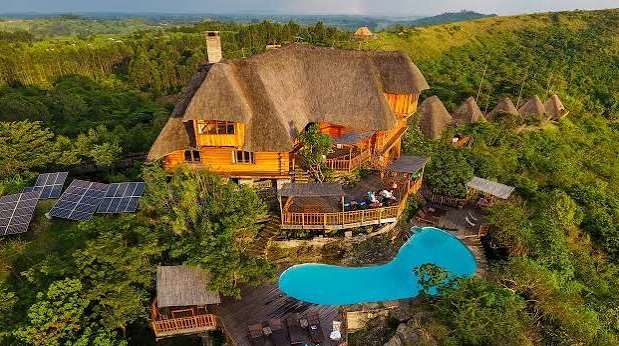
Community Owned Lodges Uganda are accommodation facilities that are owned, managed, or significantly supported by local communities living around tourism destinations. These lodges operate with the goal of creating economic opportunities for residents while protecting the natural and cultural resources that attract visitors.
Unlike traditional lodges that may be owned entirely by private investors, community-owned lodges involve local people in decision-making, management, employment, and revenue sharing. The income generated from accommodation, meals, activities, and tourism services is reinvested into community development projects.
These projects may include:
Supporting local schools, Improving healthcare services, Creating employment opportunities, Funding conservation programs, Developing clean water projects, Supporting women and youth groups, Preserving traditional cultures, Protecting forests and wildlife habitats.
Many community lodges are located near Uganda’s national parks and protected areas because these destinations depend heavily on cooperation between conservation authorities and neighboring communities.
When local people see direct benefits from tourism, they become important partners in protecting wildlife and natural resources.
How Community-Owned Lodges Support Uganda’s Tourism Industry
Uganda’s tourism industry depends heavily on its natural attractions. The country is home to mountain gorillas, chimpanzees, lions, elephants, giraffes, hippos, hundreds of bird species, and some of the most diverse ecosystems in Africa.
However, conservation challenges often occur when communities living near protected areas do not receive enough benefits from wildlife tourism. Community-based tourism helps address this challenge by creating a connection between conservation and local development.
Community-owned lodges help bridge the gap between wildlife protection and community needs.
For example, when a traveler books accommodation near Bwindi Impenetrable National Park, part of their spending supports:
Local employees working at the lodge
Farmers supplying fresh food
Local guides providing cultural experiences
Artisans selling crafts
Community conservation initiatives
This creates a tourism cycle where visitors contribute directly to the wellbeing of communities while enjoying authentic experiences.
Why Choose Community Owned Lodges Uganda?
Choosing community lodges provides travelers with a more meaningful alternative to standard accommodation. These lodges combine comfort, adventure, culture, and conservation in one experience.
1. Supporting Local Communities Directly
One of the greatest advantages of staying in community lodges is knowing that your travel investment creates a positive impact.
Many rural communities around Uganda’s national parks depend on tourism-related income. Community lodges provide jobs for:
Lodge managers
Chefs
Housekeeping staff
Drivers
Local guides
Cultural performers
Maintenance workers
Instead of tourism benefits reaching only large companies, community lodges ensure more money remains within local economies.
2. Authentic Cultural Experiences
Community lodges offer travelers opportunities that are difficult to find in conventional hotels.
Guests can experience Uganda beyond wildlife by interacting with local communities through:
Traditional cooking demonstrations, Village walks, Storytelling sessions, Traditional music performances, Coffee experiences, Craft-making workshops, Cultural dances, local farming activities
These experiences allow visitors to understand Uganda’s traditions, values, and daily lifestyles.
For many travelers, meeting local communities becomes one of the most memorable parts of their safari.
3. Supporting Wildlife Conservation
Many community lodges operate near important conservation areas. Their success depends on protecting the wildlife and landscapes surrounding them.
Tourism revenue encourages communities to support conservation by providing alternatives to activities that may damage natural habitats.
Community lodges contribute to conservation through:
- Forest protection
- Wildlife awareness programs
- Anti-poaching support
- Tree planting projects
- Environmental education
- Sustainable farming practices
When communities benefit from tourism, protecting wildlife becomes a shared responsibility.
Top Destinations for Community Owned Lodges Uganda
Uganda has several regions where community tourism has developed strongly. These destinations combine wildlife adventures with authentic local experiences.
Community Lodges Near Bwindi Impenetrable National Park
Bwindi Impenetrable National Park is one of Uganda’s most famous destinations because it protects almost half of the world’s remaining mountain gorillas.
Located in southwestern Uganda, Bwindi is surrounded by communities that have developed tourism projects connected to gorilla conservation.
Travelers staying in community lodges near Bwindi can enjoy:
- Gorilla trekking
- Batwa cultural experiences
- Forest walks
- Birdwatching
- Community village visits
- Traditional performances
The Batwa people, one of Uganda’s oldest forest communities, offer cultural experiences where visitors learn about traditional forest lifestyles, medicinal plants, hunting techniques, and indigenous knowledge.
Community accommodation around Bwindi allows travelers to combine gorilla trekking with meaningful cultural interactions.
Community Lodges Near Kibale National Park
Kibale National Park is known as the “Primate Capital of the World” because it contains one of Africa’s highest concentrations of primates.
The park is famous for:
Chimpanzee trekking
Chimpanzee habituation experiences
Red-tailed monkeys
L’Hoest’s monkeys
Forest bird species
Community lodges around Kibale support local conservation efforts while providing access to exceptional rainforest experiences.
Visitors can enjoy:
Bigodi Wetland Sanctuary walks
Community tourism projects
Traditional cooking experiences
Birdwatching
Nature walks
The Bigodi community tourism initiatives demonstrate how local people can benefit from protecting natural ecosystems.
Community Lodges Near Queen Elizabeth National Park
Queen Elizabeth National Park is one of Uganda’s most diverse safari destinations.
The park offers:
Tree-climbing lions
Elephants
Buffaloes
Hippos
Leopards
Boat cruises on the Kazinga Channel
Birdwatching
Community lodges around Queen Elizabeth National Park help support communities living near wildlife areas.
Visitors can combine traditional safari activities with:
Village experiences, Cultural performances, Local food experiences, Community conservation visits
Best Community Owned Lodges Uganda for Authentic Safari Experiences
Uganda offers a wide range of accommodation options, from luxury safari camps to affordable guesthouses. However, Community Owned Lodges Uganda provide something unique: they connect travelers directly with local communities while creating positive environmental and social impacts.
These lodges are found in some of Uganda’s most beautiful destinations, especially around national parks where wildlife conservation and community development work together.
Below are some of the best examples of community-focused and community-supported lodges that travelers can consider when planning a responsible Uganda safari.
1. Buhoma Community Rest Camp – Bwindi Impenetrable National Park
Located near the northern sector of Bwindi Impenetrable National Park, Buhoma Community Rest Camp is one of Uganda’s best-known community tourism accommodation projects.
The lodge was developed to ensure that communities living around Bwindi benefit directly from gorilla tourism.
Its location makes it an excellent choice for travelers interested in:
- Mountain gorilla trekking
- Forest hiking
- Birdwatching
- Cultural encounters
- Conservation experiences
Accommodation Experience
The camp provides comfortable accommodation surrounded by the natural beauty of Bwindi Forest.
Guests can enjoy:
- Comfortable cottages
- Family accommodation options
- Forest views
- Local meals
- Relaxing outdoor spaces
The simple but comfortable design allows visitors to enjoy nature while supporting local initiatives.
Community Benefits
Revenue generated from the lodge supports:
- Local employment
- Community development projects
- Education programs
- Conservation awareness
- Support for local families
By staying here, travelers contribute directly to communities that help protect the mountain gorillas and their habitat.
2. Nkuringo Bwindi Gorilla Lodge – Supporting Conservation and Communities
Located on the southern side of Bwindi Impenetrable National Park, Nkuringo Bwindi Gorilla Lodge provides spectacular views of the forest and surrounding hills.
Although privately managed, the lodge strongly focuses on community development and conservation partnerships.
The lodge works closely with local communities through initiatives that promote:
- Sustainable livelihoods
- Conservation education
- Local employment
- Cultural preservation
Activities Available
Visitors staying at Nkuringo can enjoy:
Gorilla trekking
Village walks
Canoeing on nearby lakes
Forest walks
Birdwatching
Batwa cultural experiences
The lodge is especially popular among travelers seeking a combination of comfort, adventure, and responsible tourism.
3. Chimpanzee Forest Guest House – Kibale Region
The Kibale region is one of Uganda’s most important destinations for chimpanzee tourism.
Community-focused accommodation around Kibale allows visitors to experience rainforest adventures while supporting local people.
Guests can participate in:
Chimpanzee trekking
Bigodi Wetland Sanctuary walks
Community tours
Birdwatching
Cultural activities
The surrounding communities benefit through:
- Employment opportunities
- Guiding services
- Craft sales
- Food supply chains
- Tourism-related businesses
4. Community Lodges Around Queen Elizabeth National Park
Queen Elizabeth National Park attracts thousands of visitors every year because of its incredible biodiversity.
Community tourism projects around the park provide accommodation and experiences that allow travelers to interact with local communities.
Visitors can enjoy:
- Game drives
- Boat safaris
- Wildlife photography
- Cultural tours
- Traditional performances
These experiences help communities understand the value of protecting wildlife.
When elephants, lions, buffaloes, and other animals generate tourism income, communities have stronger incentives to support conservation.
5. Community Accommodation Near Murchison Falls National Park
Murchison Falls National Park is Uganda’s largest protected area and offers some of the country’s most exciting safari experiences.
The region is famous for:
African elephants, Lions, Giraffes, Hippos, Nile crocodiles, Boat cruises
The powerful Murchison Falls waterfall
Community-based accommodation around the park supports local people by creating opportunities in:
Hospitality, Guiding, Agriculture, Transportation, Handicrafts
Travelers can combine wildlife adventures with cultural interactions in nearby villages.
How Community Owned Lodges Uganda Support Conservation
Conservation is one of the strongest reasons why community-owned tourism continues to grow in Uganda.
Wildlife conservation cannot succeed without the support of people living near protected areas.
Community lodges create a connection between tourism income and environmental protection.
Reducing Human-Wildlife Conflict
Many communities near national parks experience challenges when wildlife moves outside protected areas.
Animals such as:
Elephants, Buffaloes, Monkeys, Hippos
may damage crops or threaten livelihoods.
Community tourism helps reduce these conflicts by creating economic opportunities linked to conservation.
When people earn income from tourism, they become partners in protecting wildlife.
Supporting Forest Conservation
Uganda’s forests are home to some of the world’s most endangered species.
Bwindi and Kibale forests provide habitats for:
Mountain gorillas, Chimpanzees, Forest elephants, Hundreds of bird species, Rare plants
Community lodges encourage forest protection by demonstrating that forests provide long-term economic benefits.
Tourism income supports:
Conservation education, Tree planting, Environmental awareness, Sustainable agriculture
Creating Conservation Champions
A successful conservation program requires local support.
Community lodges help create conservation champions by educating residents about:
Wildlife importance, Sustainable resource use, Environmental protection, Responsible tourism
Children and young people benefit from conservation education programs that encourage them to protect Uganda’s natural heritage.
Sustainable Practices Used by Community Owned Lodges Uganda
Modern travelers increasingly want accommodation that reduces environmental impact.
Many community lodges in Uganda use sustainable practices to protect nature while providing comfortable experiences.
Solar Energy Use
Many eco-friendly lodges use solar power for:
Lighting, Water heating, Charging facilities, Kitchen operations
Solar energy reduces dependence on fossil fuels and helps protect fragile ecosystems.
Local Food Production
Community lodges often purchase food from nearby farmers.
This supports:
Small-scale farmers, Local businesses, Fresh food production, Reduced transportation emissions
Visitors can enjoy authentic Ugandan meals prepared with locally sourced ingredients.
Common dishes include:
Matooke, Groundnut sauce, Fresh vegetables, Local chicken, Fresh fruits, Cassava dishes
Waste Management
Responsible lodges focus on reducing waste through:
Recycling
Composting
Eliminating unnecessary plastics
Proper waste disposal
These practices protect forests, rivers, and wildlife habitats.
Using Local Building Materials
Many eco-lodges use locally available materials such as:
Timber from sustainable sources
Local stone
Natural fibers
Traditional designs
This reduces environmental impact and supports local craftsmen.
Cultural Experiences Offered by Community Owned Lodges Uganda
One of the greatest advantages of staying in community lodges is experiencing Uganda’s rich cultures.
A safari becomes more meaningful when travelers understand the people and traditions behind the landscapes.
Village Walks
Village walks allow visitors to experience daily life in rural Uganda.
Activities may include:
Visiting homes
Meeting local families
Learning farming methods
Exploring markets
Understanding traditional lifestyles
These experiences create genuine connections between visitors and communities.
Traditional Music and Dance
Uganda has a rich tradition of music and dance.
Community performances often include:
Drumming
Singing
Storytelling
Traditional dances
These performances preserve cultural heritage while providing income for local artists.
Traditional Cooking Experiences
Food plays an important role in Ugandan culture.
Visitors can learn how communities prepare traditional meals using local ingredients.
Experiences may include:
Cooking matooke
Preparing groundnut sauce
Making local bread
Learning traditional farming methods
Craft and Art Experiences
Many communities create beautiful handmade products, including:
Baskets
Jewelry
Wood carvings
Fabrics
Traditional decorations
Purchasing crafts directly supports local artisans.
Comparison Table: Community Owned Lodges Uganda
| Destination | Main Attraction | Best Experience | Community Benefit |
|---|---|---|---|
| Bwindi Forest | Mountain gorillas | Gorilla trekking and cultural visits | Conservation and local employment |
| Kibale Forest | Chimpanzees | Chimp trekking and forest walks | Community tourism projects |
| Queen Elizabeth National Park | Big Five wildlife | Game drives and boat safaris | Local businesses and conservation |
| Murchison Falls | Wildlife and waterfalls | Safari and Nile cruises | Employment and development |
| Kidepo Valley | Remote wilderness | Authentic cultural encounters | Rural community support |
Why International Travelers Prefer Community Owned Lodges Uganda
Modern safari travelers increasingly look for experiences that create positive impacts.
Community lodges provide:
✓ Authentic experiences
✓ Responsible tourism
✓ Wildlife conservation support
✓ Cultural connections
✓ Local economic benefits
✓ Unique accommodation experiences
Instead of simply visiting Uganda, travelers become part of conservation and community development.