Best Birding Lodges Uganda: Where to Stay for World-Class Birdwatching
Martin had been birding for thirty years. He had ticked species in Costa Rica, in the Amazon basin, in the Sundarbans. He kept a life list that ran past 4,000.
Then he came to Uganda.
“I was not prepared,” he told me afterwards. “I genuinely was not prepared for what Uganda is.”
In eight days across three locations, Martin added 312 species to his life list. Specifically, he recorded 29 Albertine Rift endemics, birds found nowhere else on earth outside this narrow mountain corridor straddling Uganda, Rwanda, the DRC, and Tanzania. Furthermore, on his final morning at a wetland lodge outside Kampala, he saw a shoebill stork standing motionless in papyrus reeds at close range, an encounter he described as the single most extraordinary wildlife moment of his birding life.
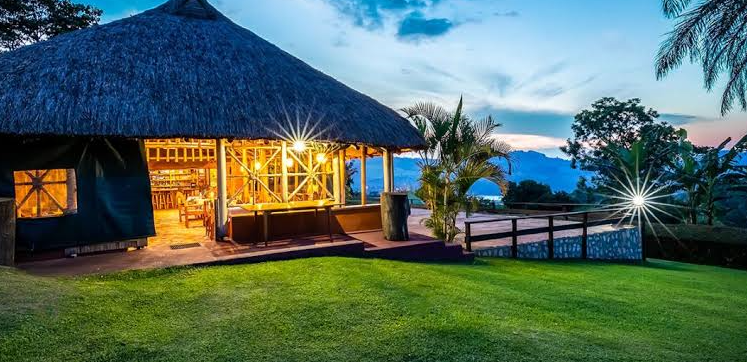
Uganda is, by any objective measure, one of the finest birdwatching destinations on earth. According to BirdLife International, Uganda hosts over 1,060 recorded bird species, more than the whole of North America and more than the entire European continent. Furthermore, the country’s diversity of habitats, rainforest, savannah, wetland, montane forest, rift valley lakes, and papyrus swamps, creates a mosaic of birding environments unmatched anywhere in Africa.
The best birding lodges in Uganda are not simply comfortable beds near good habitat. They are positioned, managed, and staffed with birdwatchers specifically in mind. The right lodge provides resident birding guides with genuine expertise, feeding stations and habitat management that bring species close, and a dawn-to-dusk rhythm oriented around when the birds are most active.
This guide covers the best birding lodges in Uganda, region by region, budget by budget, species target by species target.
Why Uganda Is a Birdwatcher’s Paradise
Before the lodge recommendations, the ecological context matters. Understanding why Uganda’s birding is so exceptional helps you plan where to go and what to expect.
Uganda sits at the intersection of two of Africa’s most biologically significant zones. To the west, the Congo basin rainforest, the world’s second largest tropical forest, reaches its eastern edge in the Albertine Rift mountains. To the east, the East African savannah and wetland systems stretch toward the Indian Ocean. Consequently, Uganda contains species from both zones simultaneously, a convergence found nowhere else on the continent.
The Albertine Rift, the western arm of the East African Rift System, is particularly significant. According to the African Bird Club, the Albertine Rift supports more endemic vertebrate species than any other region in Africa. For birds specifically, 29 endemic species are found exclusively in this zone. Several of these, the African green broadbill, Rwenzori turaco, handsome francolin, and Grauer’s warbler, are the primary targets of serious birders visiting Uganda.
Additionally, Uganda’s wetland systems, particularly Lake Victoria’s papyrus margins, the Mabamba and Lutembe wetlands, and the Queen Elizabeth wetland complex, support the shoebill stork. This extraordinary prehistoric-looking bird is the single most sought species in East Africa. Uganda is one of the most reliable places on earth to see it.
Best Birding Lodges Uganda: By Region
Bwindi Impenetrable Forest — Albertine Rift Endemic Specialists
Bwindi Impenetrable Forest is most famous for its mountain gorillas. However, for serious birdwatchers, the gorillas are almost a secondary attraction. Bwindi hosts 350+ bird species including 23 Albertine Rift endemics, the highest concentration of endemic forest birds in East Africa.
The forest’s extraordinary biological complexity, 200+ tree species, multiple canopy layers, dense understorey, creates habitat for species that exist nowhere else. Consequently, a dedicated birding morning in Bwindi can produce sightings impossible anywhere else in the world.
Buhoma Lodge — Best Birding Lodge in Bwindi
Buhoma Lodge sits at the northern entry point to Bwindi Impenetrable Forest. It is the most established birding-focused accommodation in the park and consistently recommended by visiting ornithologists.
The lodge’s resident birding guide, Emmanuel, has worked Buhoma’s forest trails for over a decade. Furthermore, he has documented species lists by trail and by season that no published guide matches in specificity. A morning walk with Emmanuel, starting before dawn to catch the first light activity, is a genuinely educational experience for both novice and expert birders.
The lodge itself is comfortable without being ostentatious. The gardens between the accommodation blocks are managed specifically to attract forest edge species. Additionally, feeding stations near the main veranda bring several target species, including the beautiful sunbirds of the Albertine Rift, within photographic range from a sitting position.
Key target species at Bwindi: African green broadbill, Rwenzori turaco, Grauer’s warbler, handsome francolin, Shelley’s crimsonwing, black-faced rufous warbler, African hill babbler, short-tailed warbler.
Price range: $200–$400 per person per night (half board) Best for: Serious listers targeting Albertine Rift endemics Birding guide quality: ★★★★★ Distance from Bwindi main gate: Adjacent
Gorilla Forest Camp — Luxury Birding Near the Gorillas
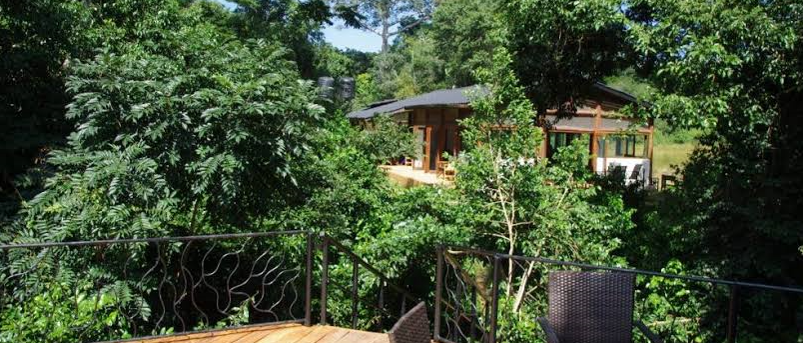
Gorilla Forest Camp occupies a position immediately inside the Bwindi forest boundary, the only accommodation with this direct forest access. Consequently, the birding from the camp itself is extraordinary. Species that require hours of forest walking to locate at other properties appear at the camp’s edge at first light.
The camp is managed by Abercrombie & Kent and reflects that operator’s characteristic attention to detail. Furthermore, the integration of gorilla trekking and birding in a single lodge stay makes Gorilla Forest Camp the most complete Bwindi experience available.
The birding guide service here is excellent. Additionally, the camp’s position means that early morning activity, before the heat reduces bird movement, can be conducted within minutes of waking, without any vehicle transfer.
Price range: $700–$1,200 per person per night (all-inclusive) Best for: Travellers who want luxury alongside world-class endemic birding Unique advantage: Forest boundary position means endemic species appear at camp
For broader Bwindi planning, see our Bwindi gorilla trekking guide.
Queen Elizabeth National Park — Savannah, Wetland, and Forest Birding
Queen Elizabeth National Park is Uganda’s most biodiverse national park. It records over 600 bird species, making it one of the highest species-count parks in Africa. Furthermore, its habitat diversity, savannah, forest, wetland, and the Kazinga Channel, produces a birding experience that changes completely between morning and afternoon.
The Kazinga Channel boat safari is specifically outstanding for waterbirds. African skimmer, African fish eagle, saddle-billed stork, pink-backed pelican, and numerous heron and egret species are reliably seen from the boat. Additionally, the Maramagambo Forest section of the park adds forest specialists including the bar-tailed trogon and African broadbill.
Mweya Safari Lodge — Queen Elizabeth’s Premier Birding Stay
Mweya Safari Lodge occupies a spectacular peninsula position between Lake Edward and the Kazinga Channel. The location is ornithologically extraordinary. The lodge grounds themselves produce exceptional birding, species visible from the terrace include African fish eagle, pied kingfisher, water thick-knee, and the iconic grey crowned crane (Uganda’s national bird).
The lodge offers dedicated birding walks with resident guides who know the peninsula’s micro-habitats intimately. Furthermore, the Kazinga Channel boat departure from the lodge jetty simplifies the logistics of one of Uganda’s most productive birdwatching experiences.
Key species at Mweya: African skimmer, shoebill (occasional), saddle-billed stork, grey crowned crane, African fish eagle, martial eagle, Verreaux’s eagle owl.
Price range: $350–$600 per person per night (half board) Best for: Birders wanting savannah and waterbird diversity in a single stay Unique advantage: Peninsula position means morning birding begins at the lodge itself
Elephant Plains Lodge — Ishasha Sector Birding
The southern Ishasha sector of Queen Elizabeth National Park is famous for its tree-climbing lions. However, it is also outstanding for birding, particularly for Albertine Rift species that don’t appear in the northern sector.
Elephant Plains Lodge sits in the Ishasha area and combines tree-climbing lion game drives with morning birding walks that access species impossible to find elsewhere in the park. The Kyambura Gorge, a chimpanzee habitat, is also accessible from Ishasha and adds forest species to the sector’s impressive list.
Price range: $200–$350 per person per night (half board) Best for: Birders who want savannah, forest, and rift valley species in one location
See our Queen Elizabeth National Park guide for full planning information.
Kibale Forest National Park — Primate and Forest Birding
Kibale Forest is Uganda’s premier chimpanzee destination. However, its 375 recorded bird species, including 6 Albertine Rift endemics, make it equally compelling for birdwatchers.
The forest’s dense canopy and complex understorey produce birding conditions that reward patience and guidance. Species hidden in the vegetation that a casual observer never sees emerge reliably for guides who know specific territories intimately.
Primate Lodge Kibale — Best Birding Lodge in Kibale Forest
Primate Lodge Kibale sits inside the forest boundary, the only accommodation with this direct habitat access. The position means birding begins at the lodge itself. Furthermore, the lodge’s guided dawn walks access the forest interior during the most productive activity period.
The resident birding guide team at Primate Lodge Kibale is exceptional by any standard. Specifically, the guides’ knowledge of individual species territories, which individual green-breasted pitta has been singing from which tree this week, where the Rwenzori hill babbler family has been foraging, goes well beyond what any published species guide contains.
The lodge also runs dedicated birdwatching programmes separate from the chimpanzee trekking schedule. Consequently, it is possible to spend a full day entirely focused on birding without the schedule constraints of a combined wildlife day.
Key species at Kibale: Green-breasted pitta, Rwenzori hill babbler, black bee-eater, blue-headed sunbird, yellow-spotted barbet, African pygmy kingfisher, grey-winged robin-chat.
Price range: $300–$500 per person per night (half board) Best for: Forest birding specialists, pitta seekers, Albertine endemic listers Unique advantage: Inside forest boundary position
Murchison Falls National Park — River, Savannah, and Wetland Birds
Murchison Falls is Uganda’s largest national park. It records 450+ bird species across its diverse habitats — the Nile river corridor, vast savannah plains, and the remarkable Murchison Falls gorge itself.
The Nile river cruise from Paraa to the base of Murchison Falls is one of Uganda’s most productive birding activities. The riverbanks produce African skimmer, goliath heron, shoebill (in the Delta area), African fish eagle, and spectacular concentrations of carmine bee-eaters between August and October.
Paraa Safari Lodge — Prime Murchison Falls Birding Base
Paraa Safari Lodge sits on the banks of the Nile at the main boat launch point for Murchison Falls river cruises. Consequently, the access to the park’s best birding is direct and immediate.
The lodge grounds produce excellent riverbank birding independently of organised activities. Additionally, the Paraa area’s mix of river, acacia woodland, and open savannah gives resident bird diversity that rewards an hour’s walk from the lodge before breakfast.
Key species at Murchison Falls: Shoebill (Delta), goliath heron, African skimmer, carmine bee-eater (seasonal), red-throated bee-eater, martial eagle, secretary bird, northern carmine bee-eater.
Price range: $250–$450 per person per night (half board) Best for: Birders targeting shoebill, river specials, and savannah raptors Unique advantage: Direct river access and boat departure proximity
Baker’s Lodge — Intimate Murchison Birding Experience
Baker’s Lodge offers a more intimate alternative to Paraa, positioned on the south bank of the Nile with beautiful riverine forest habitat immediately accessible. The lodge is smaller, 8 cottages, which means birding walks feel genuinely uncrowded. Furthermore, the south bank forest produces species that the more exposed north bank cannot.
The lodge’s guiding quality is excellent. Specifically, the morning walks, led by guides who have worked this specific forest section for years, consistently produce species that casual visitors miss.
Price range: $350–$600 per person per night (all-inclusive) Best for: Birders who want intimacy and quality over scale
Shoebill-Specific Lodges: Targeting Uganda’s Most Wanted Species
The shoebill stork (Balaeniceps rex) is the single most sought bird species in East Africa. This extraordinary prehistoric-looking bird, standing over 1.2 metres tall with a bill the size and shape of a Dutch clog, inhabits papyrus wetlands at specific Uganda locations. According to the Uganda Tourism Board, Uganda is the most reliable place on earth to see the shoebill.
Mabamba Wetland Lodges — Shoebill Capital of Uganda
Mabamba Wetland, on the north shore of Lake Victoria approximately 35 kilometres from Kampala, is the most reliable shoebill location in Uganda. Small lodges and guesthouses serving the wetland offer simple overnight accommodation. Furthermore, several boat operators based at the wetland run specialised shoebill searches with extremely high success rates.
A Mabamba shoebill morning, departing by boat before dawn to reach the papyrus interior at first light, is one of Uganda’s most thrilling birding experiences. The shoebill at close range, in its papyrus habitat, at dawn light, is an encounter that veterans of 4,000-species life lists describe as extraordinary.
Price range: $50–$120 per night at wetland guesthouses Best for: Dedicated shoebill seekers who will accept basic accommodation for extraordinary access Success rate: 80–90% on guided morning boat sessions
Murchison Falls Delta — Shoebill in the Wild
The Nile Delta at Murchison Falls’ northern end is the most challenging but most rewarding shoebill habitat in Uganda. Shoebills here are wilder and less habituated than Mabamba birds. Consequently, encounters feel more genuinely wild, the bird on its own terms rather than accustomed to boat visits.
The Delta is accessible from Paraa Safari Lodge via organised boat safari.
Lake Mburo National Park — Acacia and Wetland Specialists
Lake Mburo National Park sits between Kampala and Bwindi on the main western safari circuit. Its 315 recorded species include several East African acacia specialists not found in Uganda’s other parks. Furthermore, the park’s combination of acacia woodland, wetland, and rocky outcrops creates habitat diversity in a compact, easily accessible area.
Mihingo Lodge — Best Birding Lodge at Lake Mburo
Mihingo Lodge occupies a rocky hilltop position with extraordinary views over Lake Mburo. The lodge is intimate, 10 tents, and the birding guide quality is consistently praised by visiting birders.
The rocky hillside habitat of Mihingo produces species including the African finfoot, red-faced barbet, and the gorgeous bare-faced go-away-bird. Additionally, the wetland margins below the lodge access papyrus specialists and waterbirds.
Key species at Lake Mburo: African finfoot, shoebill (occasional), papyrus gonolek, bare-faced go-away-bird, African wattled lapwing, red-faced barbet.
Price range: $300–$500 per person per night (half board) Best for: Birders passing through on a western circuit who want maximum species diversity in a half-day stop
Planning Your Uganda Birding Safari: Practical Essentials
Best Time for Birding in Uganda
Uganda’s birding is excellent year-round. However, specific periods offer specific advantages.
October–November and March–April (wet seasons): The highest species diversity. Migratory species are present, supplementing the resident populations. Additionally, breeding plumage is at its most spectacular. The Uganda Wildlife Authority notes that October and November are consistently the most active months for forest birding across the country.
June–September (long dry season): The easiest conditions for birding. Trails are firm, vegetation is less dense (improving visibility), and travel logistics are most reliable. Furthermore, carmine bee-eater colonies at Murchison Falls peak between August and October — one of Africa’s most spectacular birding events.
December–February (short dry season): Good conditions with lower visitor numbers. Many resident species are actively breeding. Consequently, behaviour is more visible and vocal activity is higher.
For detailed seasonal guidance, see our best time to visit Uganda guide.
Choosing a Uganda Birding Guide
The quality of your birding guide is the single most important determinant of your Uganda birding experience. A skilled guide with intimate knowledge of specific territories consistently produces 40–60% more species than an unguided visitor in the same habitat.
When evaluating birding guides, ask specifically:
- How many years have they worked this specific habitat?
- Can they name the current territories of target species on their patch?
- What is their photographic ID capability, can they identify species by call alone?
- Do they have a current species list for the specific property you are visiting?
The best birding lodges in Uganda employ guides who can answer all of these questions clearly and specifically. Furthermore, specialist Uganda birding operators maintain guide quality standards that general safari operators typically cannot match.
Essential Species Targets by Region
| Region | Must-See Species | Lodge Recommendation |
|---|---|---|
| Bwindi | African green broadbill, Rwenzori turaco | Buhoma Lodge |
| Queen Elizabeth | Grey crowned crane, African skimmer | Mweya Safari Lodge |
| Kibale Forest | Green-breasted pitta, black bee-eater | Primate Lodge Kibale |
| Murchison Falls | Shoebill (Delta), carmine bee-eater | Paraa Safari Lodge |
| Lake Mburo | African finfoot, papyrus gonolek | Mihingo Lodge |
| Mabamba Wetland | Shoebill | Wetland guesthouses |
Uganda Birding Safari Itinerary: 10-Day Classic Circuit
For serious birders wanting to maximise their Uganda species count, the following 10-day itinerary covers the country’s most productive habitats efficiently.
Days 1–2: Kampala arrival + Mabamba Wetland shoebill morning Days 3–4: Queen Elizabeth National Park, Kazinga Channel, Maramagambo Forest, Ishasha sector Days 5–6: Bwindi Impenetrable Forest, Albertine Rift endemics + gorilla trekking option Days 7–8: Kibale Forest, chimpanzee tracking and forest birding Day 9: Murchison Falls, river cruise and savannah birding Day 10: Return to Kampala, departure
This circuit reliably produces 500–600 species for a dedicated birder. Furthermore, the combination of gorilla or chimpanzee trekking with birding makes it one of the most complete wildlife experiences available in East Africa.
See our Uganda safari packages page for fully planned versions of this itinerary with lodge bookings and expert birding guide coordination.
FAQs: Best Birding Lodges Uganda
How many bird species can I expect to see in Uganda?
A dedicated birder on a 10-day Uganda circuit typically records 400–600 species. Exceptional visits, with the right timing and excellent guides, have recorded 700+ species. Uganda’s 1,060+ recorded species means there is always something new regardless of how often you visit.
Is Uganda better for birding than Kenya or Tanzania?
Uganda has significantly higher species diversity than either Kenya or Tanzania, particularly for forest species and Albertine Rift endemics. Additionally, Uganda offers the shoebill stork more reliably than anywhere in East Africa. For serious birders, Uganda is the premier East African birding destination.
What is the best lodge for seeing Albertine Rift endemic birds?
Buhoma Lodge at Bwindi Impenetrable Forest gives the most reliable access to the highest concentration of Albertine Rift endemics in Uganda. Furthermore, Primate Lodge Kibale adds additional endemic forest species not found at Bwindi.
Can I combine birding with gorilla trekking in Uganda?
Yes, and most serious birding visitors do exactly this. Bwindi Impenetrable Forest combines both activities naturally. A Bwindi gorilla trekking day and two dedicated birding mornings in the same location is the most efficient combination.
Do Uganda birding lodges have specialist birding guides?
The best lodges do. Buhoma Lodge, Primate Lodge Kibale, and Mweya Safari Lodge all maintain dedicated resident birding guides with deep habitat knowledge. When booking, ask specifically about the birding guide’s experience and species knowledge before confirming.
What equipment should I bring for birding in Uganda?
Quality 8×42 or 10×42 binoculars are essential. A field guide, specifically “Birds of East Africa” by Stevenson and Fanshawe, is the standard reference. Additionally, a camera with a telephoto lens of at least 400mm allows documentation of sightings for later identification. Waterproof clothing is important year-round, particularly for forest birding.
Uganda Is in a Class of Its Own for Birding
Martin sent me his final list three weeks after he returned home. 312 species in 8 days, including 29 Albertine Rift endemics. He ended the email with a single line:
“Already planning the return trip.”
The best birding lodges in Uganda are extraordinary places, not only because of the birds, but because of the ecosystems that the birds represent. The ancient forest of Bwindi. The Nile valley of Murchison Falls. The papyrus margins of Mabamba. The volcanic complexity of Queen Elizabeth.
Uganda is a country where biodiversity is not a concept but a daily, overwhelming, beautiful reality. The shoebill standing motionless in dawn papyrus. The African green broadbill catching the light in Bwindi’s canopy. The carmine bee-eater colony sweeping over the Nile in their thousands.
These are experiences that no life list number adequately captures. However, they are experiences available to any serious birder willing to make the journey.
Contact Africa Safari Tours to plan your Uganda birding safari, expert guide selection, lodge booking, and species-specific itinerary design for birders at every level of experience.