How Much Does a Rwanda Safari Cost in 2026? Full Budget Breakdown
I remember the exact moment I decided to stop Googling and start asking someone who actually knew.
I’d been sitting at my laptop for nearly two hours, seventeen browser tabs open, prices ranging from $2,000 to $25,000 per person for what all seemed like roughly the same trip. Rwanda safari cost, it turned out, was one of those topics where the internet gives you an enormous amount of information and almost no clarity whatsoever.
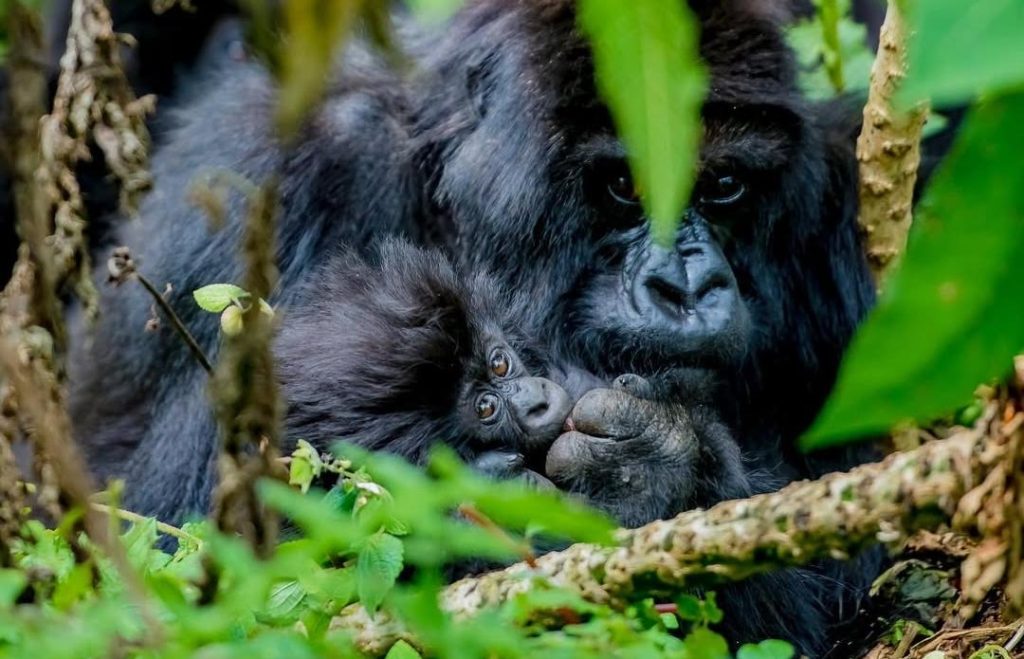
So if you’re sitting where I was sitting, excited about gorillas, slightly alarmed by the numbers, and not entirely sure what you’re actually paying for, this guide is for you.
Yes, a Rwanda safari cost is higher than most African safari destinations. That is honest and true and worth saying upfront. But the experience it delivers, mountain gorillas in Volcanoes National Park, ancient rainforest in Nyungwe, the warmth and extraordinary organisation of a country that has rebuilt itself into one of Africa’s finest tourism destinations, is also genuinely worth every dollar for the right traveller.
Here is the complete, transparent breakdown of what a Rwanda safari actually costs in 2026.
Why Rwanda Safari Cost Is Higher Than Most African Destinations
Before we get into the numbers, it helps to understand why Rwanda is priced the way it is, because this isn’t accidental, and it isn’t arbitrary.
Rwanda has deliberately positioned itself as a high-value, low-volume safari destination. The philosophy is simple: fewer visitors paying more money causes less pressure on the ecosystem, generates more revenue for conservation, and delivers a more intimate, exceptional experience for the traveller.
Compare that to Kenya’s Masai Mara or Tanzania’s Serengeti, where thousands of vehicles can converge on a lion pride simultaneously. Rwanda’s model is fundamentally different, and the results speak for themselves.
Several factors drive Rwanda’s premium safari cost:
- The gorilla trekking permit at USD $1,500 per person is the single biggest cost driver and the price point that most surprises first-time visitors
- Conservation funding — a significant share of every permit fee goes directly to anti-poaching patrols, gorilla veterinary care, and ranger salaries
- Community development — tourism revenue flows into schools, healthcare, and local businesses surrounding the national parks
- Infrastructure quality — Rwanda’s roads, lodges, park management, and visitor services are genuinely world-class
- Safety and organisation — Rwanda is one of the safest, cleanest, and best-run countries in Africa, and that quality comes at a price
For context, Uganda’s gorilla trekking permit costs USD $700, half the Rwanda price for the same one-hour gorilla encounter. Kenya and Tanzania big game safaris have no single permit that expensive, but accommodation costs and total package prices can rival Rwanda’s at the luxury end.
Rwanda costs more. It also delivers more, in terms of organisation, safety, exclusivity, and conservation impact. That trade-off is worth understanding before you open your wallet.
Rwanda Gorilla Trekking Permit Cost in 2026
The gorilla trekking permit is the line item that defines Rwanda safari cost more than anything else, so let’s give it the attention it deserves.
In 2026, a Rwanda gorilla trekking permit costs USD $1,500 per person. This price is set by the Rwanda Development Board (RDB) and applies to all nationalities without exception.
What the Permit Covers
- Full entry to Volcanoes National Park for your trek day
- A professional, expert ranger guide assigned specifically to your gorilla family group
- Complete safety support throughout the trek
- One hour with a habituated mountain gorilla family, the encounter itself
The permit does not cover accommodation, transport, porter hire, or tips. Those are separate costs covered below.
Where Your $1,500 Goes
This is the part that reframes the cost entirely for most travellers.
A meaningful portion of every permit fee is directed toward:
- Anti-poaching patrols that protect gorillas and their habitat 24 hours a day
- Salaries and training for the rangers who dedicate their working lives to this forest
- Veterinary monitoring and healthcare for the gorilla families
- Direct community development funding, schools, health centres, and local enterprise in villages surrounding the park
When you pay $1,500 for a Rwanda gorilla trekking permit, you are not just buying an experience. You are actively funding the survival of a species with fewer than 1,100 individuals remaining on earth. That context changes everything.
How to Book
Permits can be booked directly through the RDB online portal at rdb.rw, or through a licensed tour operator like Africa Safari Tours, which is the recommended approach for most travellers, as operators handle availability, date flexibility, and full itinerary logistics simultaneously.
Book as far in advance as possible. Peak season (June to September and December to February) permits sell out 6 to 12 months ahead. Green season (March to May and October to November) typically offers better availability at 2 to 3 months’ notice.
Golden Monkey Tracking — The Affordable Add-On
If you want a second primate experience to complement your gorilla trek, golden monkey tracking in Volcanoes National Park costs USD $100 per person, a fraction of the gorilla permit price and genuinely excellent value for an encounter with one of the Virunga’s most charismatic inhabitants.
Rwanda Safari Accommodation Cost: From Budget to Luxury
Accommodation is your second biggest Rwanda safari cost after the gorilla permit, and the range is enormous.
Luxury Safari Lodges: USD $500 to $1,500+ Per Person Per Night
Rwanda’s luxury lodge market is exceptional. Properties like Bisate Lodge, One&Only Gorilla’s Nest, and Singita Kwitonda Lodge near Volcanoes National Park, and One&Only Nyungwe House near Nyungwe Forest, set a global standard for safari accommodation.
At these rates, full board is typically included, meaning all meals, guided activities, park fees for included experiences, and often transfers are bundled into the nightly rate. When you factor in what’s included, the effective cost per experience is often lower than it initially appears.
These are not just beds. They are experiences in their own right, waking up to mist rolling across the Virunga volcanoes, dining under the forest canopy, being guided by some of the most knowledgeable naturalists in East Africa.
Mid-Range Lodges: USD $150 to $500 Per Person Per Night
Mountain Gorilla View Lodge, Five Volcanoes Boutique Hotel near Musanze, and Nyungwe Top View Hill Hotel in the south offer solid, comfortable accommodation with reliable guiding and good facilities at a fraction of the luxury price.
This is the sweet spot for most first-time Rwanda safari travellers, enough comfort and quality to genuinely enjoy the experience, without the luxury lodge price tag.
Budget Accommodation: USD $30–$150 Per Person Per Night
Guesthouses in Musanze and Kigali, and the RDB Banda Guesthouses located inside Volcanoes National Park, are available for budget-conscious travellers. Honest advice: budget accommodation is viable, particularly for backpackers or those on tight timelines, but it does limit the overall Rwanda experience. Given that the gorilla permit already costs $1,500, scrimping significantly on accommodation can make the overall trip feel unbalanced.
Rwanda Safari Flight Costs: Getting There and Around
International flights to Kigali are the third major variable in your Rwanda safari cost, and where you’re flying from makes an enormous difference.
International Flights to Kigali (KGL)
Approximate return fare ranges in 2026:
- From Europe (London, Amsterdam, Brussels, Paris): USD $600 to $1,200 economy; $2,000 to $4,000 business class
- From the USA (New York, Washington, Chicago): USD $900 to $1,800 economy; $3,000 to $5,000+ business class
- From South Africa (Johannesburg, Cape Town): USD $400 to $700 return
- From East Africa and UAE hubs (Nairobi, Entebbe, Dubai, Doha): USD $200 to $500 return
RwandAir connects Kigali directly to Nairobi, Entebbe, Addis Ababa, Johannesburg, Brussels, and London, among other destinations. Ethiopian Airlines, Qatar Airways, and Kenya Airways are also popular routing options.
Domestic Transfers: Flying vs Driving
Charter flights from Kigali to airstrips near Volcanoes National Park or Nyungwe Forest cost approximately USD $200 to $400 per person each way. For travellers with limited time, particularly those fitting Rwanda into a busy itinerary, this is money well spent.
Road transfers from Kigali to Volcanoes National Park take approximately 2 hours on well-maintained roads and cost USD $60 to $120 by private vehicle. This is the most popular and cost-effective option for most travellers.
Rwanda Safari Transport and Transfer Costs
Beyond the airport-to-lodge transfer, here is what ground transport typically costs:
- Private 4WD safari vehicle with driver-guide: USD $150 to $250 per day, the standard for Rwanda safari travel and essential for comfortable, flexible movement between parks
- Shared shuttle from Kigali to Musanze: USD $10 to $20 per seat, very affordable, less flexible
- Park game drive fees: Usually included in lodge packages; if booked separately, approximately $30–$50 per person per activity
- Porter hire at Volcanoes National Park or Nyungwe Forest: USD $15 to $20 per trek
A word on porters: hire one. This is not just practical advice, it is also one of the most direct ways your spending benefits local communities during a Rwanda safari. Porters are community members whose income from tourism directly supports their families. On the steep terrain of Bwindi and the Virungas, a porter carrying your daypack while you focus on the experience is worth every dollar.
Additional Rwanda Safari Activities and Their Costs
The gorilla trek is the centrepiece, but Rwanda offers a full menu of exceptional experiences, each with its own cost to factor into your safari budget.
| Activity | Cost Per Person |
| Gorilla trekking permit | USD $1,500 |
| Golden monkey tracking | USD $100 |
| Chimpanzee trekking — Nyungwe Forest | USD $90 |
| Nyungwe canopy walk | USD $60 |
| Mount Bisoke hike | USD $75 |
| Mount Karisimbi hike (2 days) | USD $150 |
| Dian Fossey tomb hike | USD $75 |
| Iby’iwacu Cultural Village | USD $25–$40 |
| Lake Kivu boat excursion | USD $20–$50 |
| Kigali Genocide Memorial | Free |
A thoughtfully built Rwanda safari itinerary typically includes 2 to 3 activities beyond the gorilla trek, the canopy walk in Nyungwe, a volcano hike, or a cultural village visit add depth to the experience without adding dramatically to the overall cost.
Full Rwanda Safari Cost Examples: What Different Budgets Actually Get You
Let me put this into real, honest context with three sample 7-day itineraries.
Budget Rwanda Safari: USD $3,000 to $4,500 Per Person
This gets you economy flights from a regional hub, guesthouse accommodation in Musanze, shared transfers, one gorilla trekking permit, and minimal additional activities.
Honest assessment: possible, but tight. The $1,500 gorilla permit consumes half your entire budget at the lower end of this range. Comfortable but not luxurious. Best suited to young independent travellers or those for whom the gorilla encounter is the sole priority.
Mid-Range Rwanda Safari: USD $5,000 to $8,000 Per Person
Economy flights, 2 to 3 nights at a mid-range lodge near Volcanoes National Park, private transfers, one gorilla permit, golden monkey tracking, and one additional activity (canopy walk or volcano hike).
This is the sweet spot for most first-time Rwanda safari travellers. Comfortable, well-guided, and genuinely memorable, without the luxury price tag. It is the range most visitors end up in when they plan honestly and book through a reputable operator.
Luxury Rwanda Safari: USD $10,000–$20,000+ Per Person
Business class flights, luxury lodges throughout (Bisate, Singita, One&Only Nyungwe House), all-inclusive packages, private guiding, 2 gorilla permits (different families on consecutive days), volcano hike, cultural experiences, and helicopter transfers where available.
Rwanda at its absolute finest. If budget is not a constraint, this level of experience is genuinely extraordinary, and the conservation impact of your spending at this level is significant.
Hidden Costs and Money-Saving Tips for a Rwanda Safari
Every Rwanda safari budget should include a contingency for costs that aren’t always mentioned upfront.
Hidden Costs to Build Into Your Budget
- Travel insurance: USD $100 to $300, essential, and make sure your policy explicitly covers the cost of your gorilla trekking permit in case of cancellation due to illness
- Rwanda visa: USD $50 for most nationalities (East African Community citizens and some passport holders are exempt, check before you travel)
- Yellow fever vaccination: Required for entry into Rwanda, cost varies by country but typically $50–$150 if not already vaccinated
- Tipping: Rangers ($10 to $20), porters ($15 to $20), lodge staff ($5 to $10 per day per couple), budget approximately $100 to $200 total for a 7-day trip
- Bar bills and extras at lodges: Some properties are all-inclusive; others charge for drinks separately, confirm before booking
- Souvenirs: Kigali’s Caplaki Artisan Market and Kimironko Market offer beautiful Rwandan crafts, budget $50–$200 depending on your willpower
Genuine Money-Saving Tips
Travel in green season. March to May and October to November bring lower lodge rates, sometimes 20–30% below peak season prices, and better permit availability. The forest is extraordinarily lush, and the gorilla experience itself is unchanged.
Book permits early. Securing permits directly through RDB or your operator as far in advance as possible protects you from last-minute premium pricing and gives you flexibility on trek dates.
Consider Uganda alongside Rwanda. Uganda’s gorilla trekking permit costs USD $700 to $800 less per person than Rwanda. A combined Rwanda and Uganda safari lets you trek gorillas in both Volcanoes National Park and Bwindi Impenetrable National Park while balancing the higher Rwanda permit cost against Uganda’s better value.
Bundle through a reputable operator. Booking permits, accommodation, and transfers separately can cost more than a well-structured package from a specialist like Africa Safari Tours. Operators with existing permit allocations and lodge relationships can often deliver better value than piecemeal independent booking.
Is a Rwanda Safari Worth the Cost?
I want to answer this honestly, not as a safari company trying to sell you something, but as someone who has sat on that misty hillside watching a silverback gorilla with my own eyes.
Yes. Absolutely, unreservedly yes, for the right traveller.
The mountain gorilla encounter in Volcanoes National Park is one of the most profound wildlife experiences on earth. The country of Rwanda is genuinely extraordinary, safe, clean, beautifully organised, and deeply moving in its history and its determination. The conservation model works. The gorilla population is growing. The lodges are world-class. The guiding is exceptional.
The question is never really whether Rwanda is worth the cost. The question is whether Rwanda, Uganda, or a combination of both best fits your budget, your timeline, and what you want from your East Africa safari.
That is a conversation worth having with someone who knows both destinations well.
Full Cost Summary: Rwanda Safari 2026
| Cost Item | Budget | Mid-Range | Luxury |
| International Flights | $600–$900 | $900–$1,500 | $1,500–$4,000+ |
| Gorilla Trekking Permit | $1,500 | $1,500 | $1,500 |
| Accommodation (per night) | $30–$150 | $150–$500 | $500–$1,500+ |
| Transport/Transfers | $50–$100 | $150–$250/day | $250–$500+/day |
| Additional Activities | $90–$150 | $150–$300 | $300–$600+ |
| Visas and Insurance | $150–$250 | $150–$250 | $200–$400 |
| Estimated 7-Day Total | $3,000–$4,500 | $5,000–$8,000 | $10,000–$20,000+ |
Plan Your Rwanda Safari Cost with Africa Safari Tours
Rwanda safari cost is real, significant, and worth every carefully planned dollar.
The gorillas are unlike anything else in the world. The country is unlike anything else in Africa. And the experience, from the moment you enter that misty forest to the moment you step back out, slightly overwhelmed and completely changed, is exactly what it promises to be.
At Africa Safari Tours, we specialise in building Rwanda safari itineraries that are honest about cost, strategic about value, and exceptional in experience. Whether you’re planning a 5-day gorilla-focused trip or a 14-day Rwanda and Uganda primate and wildlife safari, our team will give you a transparent, personalised cost breakdown tailored to your dates, group size, budget, and ambitions.
Contact us today for your personalised Rwanda safari cost quote, no obligation, no pressure, just honest advice from people who know these parks and these gorillas better than anyone.
The forest is extraordinary. Let’s help you get there.
FAQs — Rwanda Safari Cost 2026
Q1: How much does a Rwanda safari cost per person in 2026?
A Rwanda safari costs approximately USD $3,000–$4,500 per person for a budget trip, USD $5,000 to $8,000 for a mid-range safari, and USD $10,000 to $20,000+ for a luxury experience, based on a 7-day itinerary. The single biggest cost is the gorilla trekking permit at USD $1,500 per person, set by the Rwanda Development Board. Additional costs include international flights, accommodation, transfers, and activities.
Q2: How much is a gorilla trekking permit in Rwanda in 2026?
A Rwanda gorilla trekking permit costs USD $1,500 per person in 2026. This fee is set by the Rwanda Development Board, applies to all nationalities, and covers park entry, a professional ranger guide, and one hour with a habituated mountain gorilla family in Volcanoes National Park. A meaningful portion funds gorilla conservation and local community development.
Q3: Is Rwanda safari more expensive than Uganda?
Yes, Rwanda is more expensive, primarily because the gorilla trekking permit costs USD $1,500 in Rwanda compared to USD $700 in Uganda. Uganda also generally offers better mid-range accommodation value and a broader wildlife safari at a lower overall cost. However, Rwanda offers superior accessibility (2 hours from Kigali vs 8 to 9 hours from Kampala to Bwindi), and many travellers combine both countries in a single itinerary.
Q4: What is the cheapest way to do a Rwanda gorilla safari?
The most cost-effective approach is to travel in green season (March to May or October–November) when lodge rates are lower and permit availability is better, book your gorilla permit as far in advance as possible through the RDB directly or through a licensed operator, use road transfers rather than charter flights, and stay in mid-range lodges in Musanze rather than luxury properties. Even on a tight budget, the gorilla permit at $1,500 is a fixed cost that cannot be reduced.
Q5: Do I need travel insurance for a Rwanda safari?
Yes, comprehensive travel insurance is essential for any Rwanda safari. Your policy should specifically cover the cost of your gorilla trekking permit (USD $1,500) in case of cancellation due to illness or unforeseen circumstances. If you test positive for COVID-19, have a respiratory infection, or are otherwise unwell on trek day, you will not be permitted to enter the forest, and without insurance, that permit cost is not refundable.