Rwanda Gorilla Trekking Permits: Cost, How to Book & What to Expect
What Are Rwanda Gorilla Trekking Permits?
A Rwanda gorilla trekking permit is the official authorization that allows you to enter Volcanoes National Park and spend time with one of the park’s habituated mountain gorilla families.
Permits are issued exclusively by the Rwanda Development Board (RDB), Rwanda’s national tourism authority. No permit means no trek, full stop. There are no exceptions, no walk-ins, and no last-minute alternatives.
Here’s why they’re so strictly controlled: only 8 gorilla families in Volcanoes National Park are habituated to human presence, and each family can receive a maximum of 8 visitors per day. That’s just 96 permits available daily across the entire park.
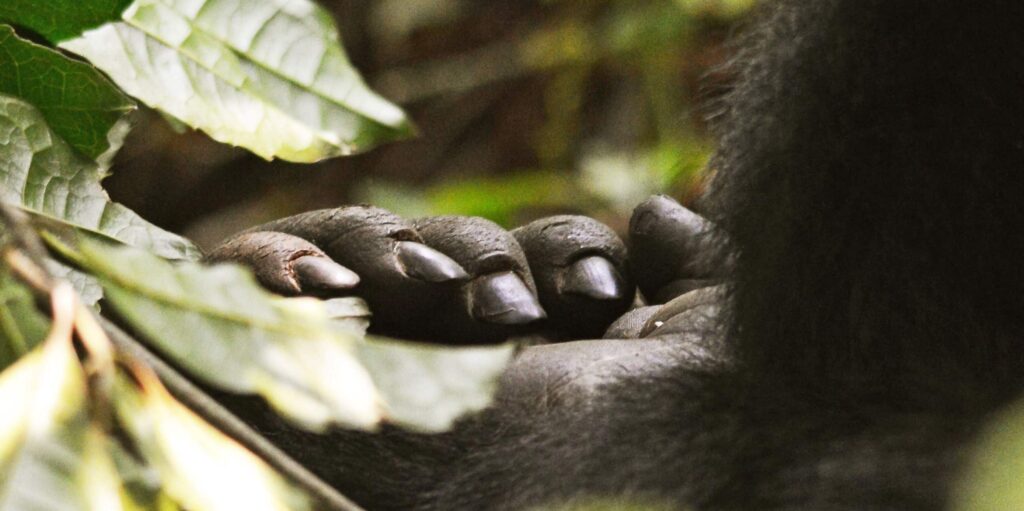
With mountain gorillas numbering fewer than 1,100 individuals worldwide and the global demand for gorilla trekking growing every year, this limit exists for very good reason. It protects the gorillas from disease transmission, minimises stress on the animals, and preserves the quality of the experience for everyone who does get to go.
The permit covers your park entry, your ranger guide, and your one hour with the gorilla family. It does not cover accommodation, transport, or porter fees, but more on that shortly.
How Much Do Rwanda Gorilla Trekking Permits Cost?
Rwanda gorilla trekking permits are priced at USD $1,500 per person, a figure that surprises many first-time visitors and is worth understanding in context.
Yes, $1,500 is significant. But consider what it covers and what it funds.
What the Permit Fee Includes
- Entry to Volcanoes National Park
- A professional, expert ranger guide assigned to your gorilla family group
- Full safety support throughout the trek
- Your one guaranteed hour with a habituated mountain gorilla family
Where Your Money Goes
This is the part that matters most. The Rwanda Development Board directs a meaningful portion of every permit fee toward:
- Gorilla conservation programs, anti-poaching patrols, veterinary monitoring, and habitat protection
- Local community development, a portion goes directly to communities surrounding the park for schools, healthcare, and infrastructure
- Ranger salaries and training ,ensuring the people protecting these animals are well-supported
When you pay for a Rwanda gorilla trekking permit, you are not just buying a safari experience. You are actively funding the survival of one of the most endangered great apes on the planet. That reframing changes everything.
Is There a Discounted Rate?
Rwanda does not offer discounts on gorilla trekking permits regardless of age, nationality, or group size. However, the green season (April to May and November) sometimes sees slightly better permit availability, and some tour operators offer package deals that include the permit alongside accommodation and transport at bundled rates.
How to Book Rwanda Gorilla Trekking Permits
Booking your Rwanda gorilla trekking permit is straightforward, but timing is everything.
Option 1: Book Directly Through the Rwanda Development Board
You can book permits directly at rdb.rw. The process involves:
- Creating an account on the RDB online portal
- Selecting your preferred trek date and gorilla family (subject to availability)
- Providing passport details for all trekkers in your group
- Paying the full permit fee online via credit card or bank transfer
- Receiving your permit confirmation by email
This is a reliable option for independent travellers, though navigating availability, gorilla family selection, and date flexibility can be challenging without local knowledge.
Option 2: Book Through a Reputable Tour Operator
For most travellers, booking Rwanda gorilla trekking permits through a trusted tour operator like Africa Safari Tours is the smarter, more seamless choice.
A good operator will:
- Secure your permit on your behalf, often accessing availability that isn’t visible on the public RDB portal
- Advise on the best gorilla family for your fitness level and preferences
- Bundle your permit with accommodation, airport transfers, and complementary activities
- Handle all logistics so you show up on trek day fully prepared and stress-free
- Provide pre-trip briefings and packing guidance
For a once-in-a-lifetime experience, the peace of mind this brings is worth every bit as much as the time it saves.
How Far in Advance Should You Book?
This is the question most people get wrong.
- Peak season (June to September and December to February): Book 6 to 12 months in advance. Permits sell out quickly during these months, and the most sought-after gorilla families, particularly those closest to the trailhead, go first.
- Green season (April to May and November): You may find availability with 2 to 3 months’ notice, though earlier is always better.
- Last-minute bookings: Occasionally possible through operators with permit allocations, but never guaranteed. Don’t build your entire trip around hoping for a last-minute slot.
The golden rule: decide on gorilla trekking first, then build the rest of your itinerary around your confirmed permit date.
What You’ll Need to Secure a Permit
- Full legal name as it appears on your passport
- Passport number and nationality
- Date of birth
- Full payment upfront (permits are non-refundable but may be transferable)
Best Time to Visit Rwanda for Gorilla Trekking
Rwanda’s gorillas can be tracked year-round, but the experience varies with the season.
Peak Season: June to September and December to February
- Dry trails make hiking easier and more comfortable
- Clear skies offer better photography conditions
- Wildlife is generally more active and visible
- Highest permit demand, book well in advance
Green Season: April to May and November
- Lush, dramatic forest scenery, the park is extraordinarily beautiful in the rain
- Fewer visitors on the trail, a quieter, more intimate experience
- Trails are muddier and the hike is more physically demanding
- Slightly better permit availability
Both seasons offer genuine, moving encounters with the gorillas. The animals don’t change with the weather, only the conditions around them do. Many experienced trekkers actually prefer the green season for its atmosphere and solitude.
What to Expect on Gorilla Trek Day
The Morning Briefing
Trek day begins early, usually a 5:00 AM wake-up call and a drive to the park headquarters at Kinigi by 7:00 AM. Here, rangers divide your group, assign you to a gorilla family based on your fitness level, and deliver a pre-trek briefing covering rules, safety protocols, and what to expect.
Listen carefully. The rules, no flash photography, stay 7 metres from the gorillas, no eating or drinking near the animals, cover your face if you cough or sneeze, exist to protect both you and the gorillas.
The Trek
The hike into the forest can take anywhere from 30 minutes to 4 hours, depending on where the gorilla family has moved that morning. Rangers track the family’s position via radio from scouts who located them at dawn.
The terrain rises steeply through farmland, then bamboo forest, then the dense, dripping interior of the Virunga volcanoes. It’s physical. Your legs will know about it. But the forest itself is extraordinary, dark green, alive with birdsong, layered with mist.
And then your guide raises a hand. Stops. Points.
The Hour with the Gorillas
Nothing prepares you for it.
A juvenile tumbles through the undergrowth three metres to your left. A mother sits nursing her baby, watching you with eyes that are quietly, disturbingly human. The silverback shifts his weight, exhales a long, slow breath, and goes back to eating.
You have exactly one hour. The time moves unlike any other hour of your life, both impossibly fast and strangely suspended.
Photography Tips
- No flash, ever, it distresses the animals
- Use a camera or phone with good low-light performance; the forest canopy is dense
- Shoot in burst mode for moving juveniles
- Don’t spend the whole hour looking through a lens, put the camera down and just be there
What to Expect on Gorilla Trek Day
The Morning Briefing
Trek day begins early, usually a 5:00 AM wake-up call and a drive to the park headquarters at Kinigi by 7:00 AM. Here, rangers divide your group, assign you to a gorilla family based on your fitness level, and deliver a pre-trek briefing covering rules, safety protocols, and what to expect.
Listen carefully. The rules, no flash photography, stay 7 metres from the gorillas, no eating or drinking near the animals, cover your face if you cough or sneeze, exist to protect both you and the gorillas.
The Trek
The hike into the forest can take anywhere from 30 minutes to 4 hours, depending on where the gorilla family has moved that morning. Rangers track the family’s position via radio from scouts who located them at dawn.
The terrain rises steeply through farmland, then bamboo forest, then the dense, dripping interior of the Virunga volcanoes. It’s physical. Your legs will know about it. But the forest itself is extraordinary, dark green, alive with birdsong, layered with mist.
And then your guide raises a hand. Stops. Points.
The Hour with the Gorillas
Nothing prepares you for it.
A juvenile tumbles through the undergrowth three metres to your left. A mother sits nursing her baby, watching you with eyes that are quietly, disturbingly human. The silverback shifts his weight, exhales a long, slow breath, and goes back to eating.
You have exactly one hour. The time moves unlike any other hour of your life, both impossibly fast and strangely suspended.
Photography Tips
- No flash, ever,it distresses the animals
- Use a camera or phone with good low-light performance; the forest canopy is dense
- Shoot in burst mode for moving juveniles
- Don’t spend the whole hour looking through a lens, put the camera down and just be there
Rwanda Gorilla Trekking Permits: Book Yours with Africa Safari Tours
There are very few experiences in the natural world that match what happens in that forest clearing. The silverback. The juveniles playing at your feet. The quiet intelligence in those eyes.
Rwanda gorilla trekking permits are the key that unlocks all of it, and getting them right, at the right time, with the right support, makes the difference between a dream trip and a missed opportunity.
At Africa Safari Tours, we handle every detail of your gorilla trekking permit and build it into a bespoke Rwanda or Uganda safari itinerary that maximises every day of your time in East Africa. From permit booking and lodge selection to airport transfers and pre-trek briefings, we take care of everything so you can focus on the experience itself.
Contact our team today to check permit availability for your travel dates and start planning the most unforgettable journey of your life.
The gorillas are waiting. Don’t wait too long.
FAQs – Rwanda Gorilla Trekking Permits
Q1: How much does a Rwanda gorilla trekking permit cost in 2025/2026? A Rwanda gorilla trekking permit costs USD $1,500 per person. The fee is set by the Rwanda Development Board and is the same regardless of nationality, age, or group size. It covers park entry, a professional ranger guide, and one hour with a habituated gorilla family in Volcanoes National Park.
Q2: How do I book a Rwanda gorilla trekking permit? You can book directly through the Rwanda Development Board at rdb.rw, or through a licensed tour operator like Africa Safari Tours. Booking through an operator is recommended for first-time visitors as they handle permit logistics, accommodation, and itinerary planning on your behalf.
Q3: How far in advance should I book my Rwanda gorilla trekking permit? For peak season travel (June to September and December to February), book 6 to 12 months in advance. For green season travel (April to May and November), 2 to 3 months may be sufficient, though earlier booking always gives more flexibility in date and gorilla family selection.
Q4: What is the age limit for gorilla trekking in Rwanda? The minimum age for gorilla trekking in Rwanda is 15 years old.
There is no upper age limit, though participants should be in reasonable physical health given the hiking involved.
Q5: Are Rwanda gorilla trekking permits refundable? Rwanda gorilla trekking permits are non-refundable but may be transferable to another date or person in certain circumstances. It is strongly recommended to take out comprehensive travel insurance that covers permit costs in case of cancellation due to illness or unforeseen circumstances.