Which Is Right for You?
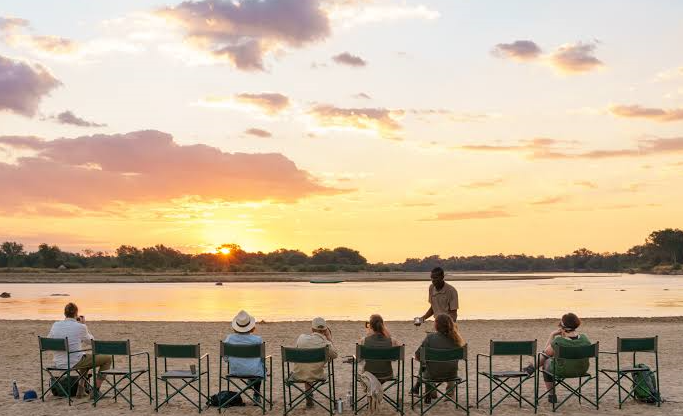
Choosing between walking safaris vs game drives often trips up first-time safari planners. Both offer incredible wildlife encounters, yet the experiences feel completely different. In this guide, we compare walking safaris vs game drives across comfort, wildlife access, and overall atmosphere. By the end, you’ll know exactly which option, or combination of both, suits your travel style best.
Understanding the Basic Difference
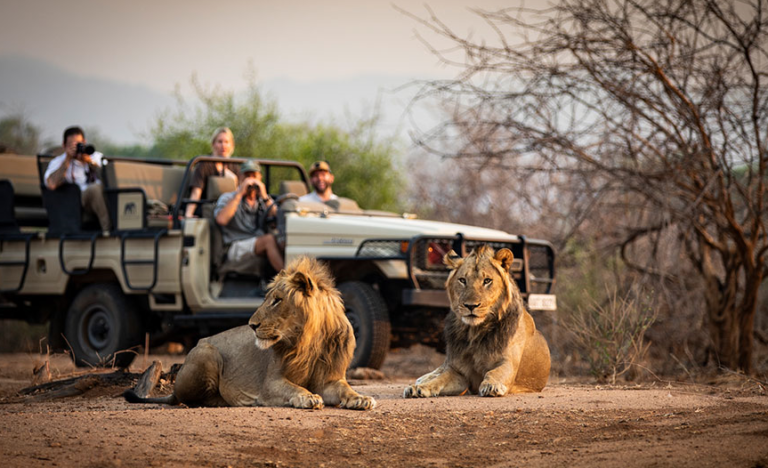
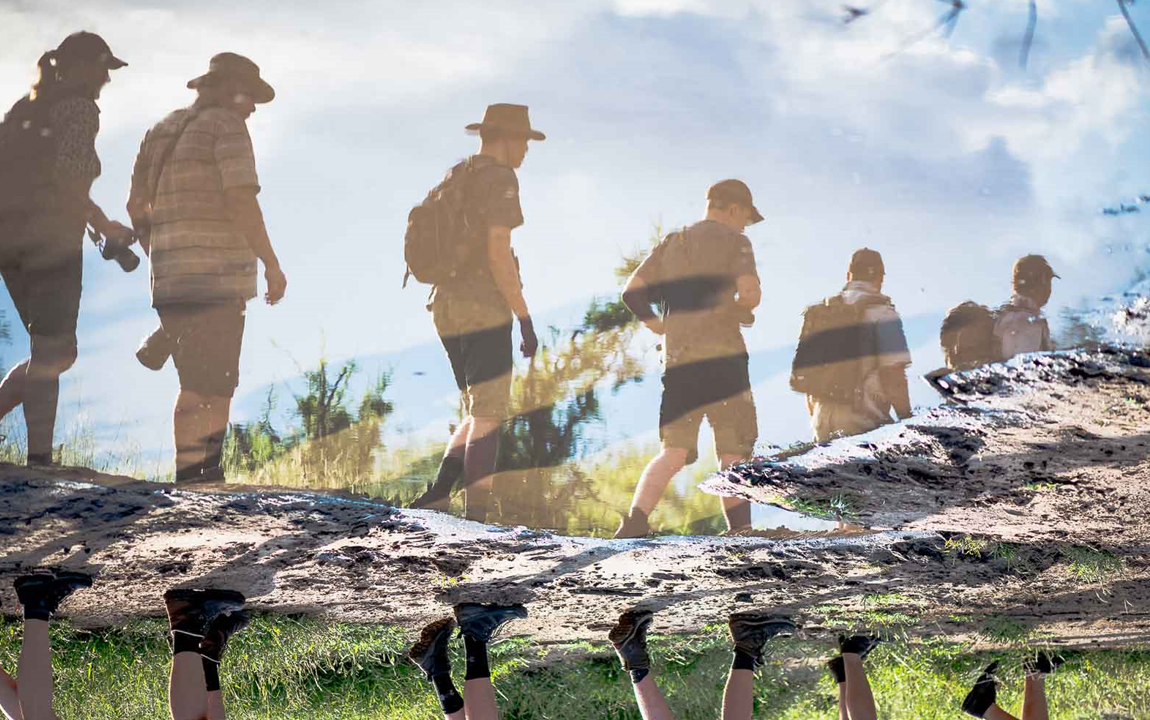
At its core, the walking safaris vs game drives debate comes down to perspective and pace. Game drives use 4×4 vehicles to cover significant ground, often across large parks with dangerous predators. Walking safaris, by contrast, put you directly on foot, accompanied by an armed ranger, moving slowly and deliberately through the landscape. This fundamental difference shapes everything else about each experience.
What Game Drives Offer
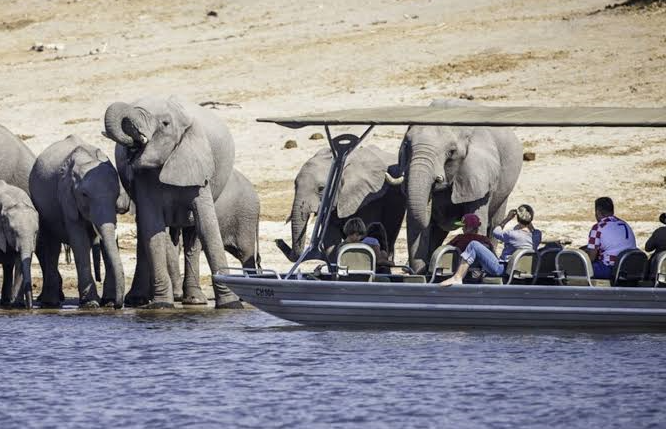
Game drives remain the standard safari activity across most African parks, and for good reason. Vehicles allow you to cover considerable distance, increasing your chances of spotting predators like lions and leopards. Additionally, the vehicle itself provides safety in parks with dangerous game, allowing closer approaches than walking would ever permit. Game drives also accommodate travelers with mobility limitations, since minimal physical exertion is required.
What Walking Safaris Offer
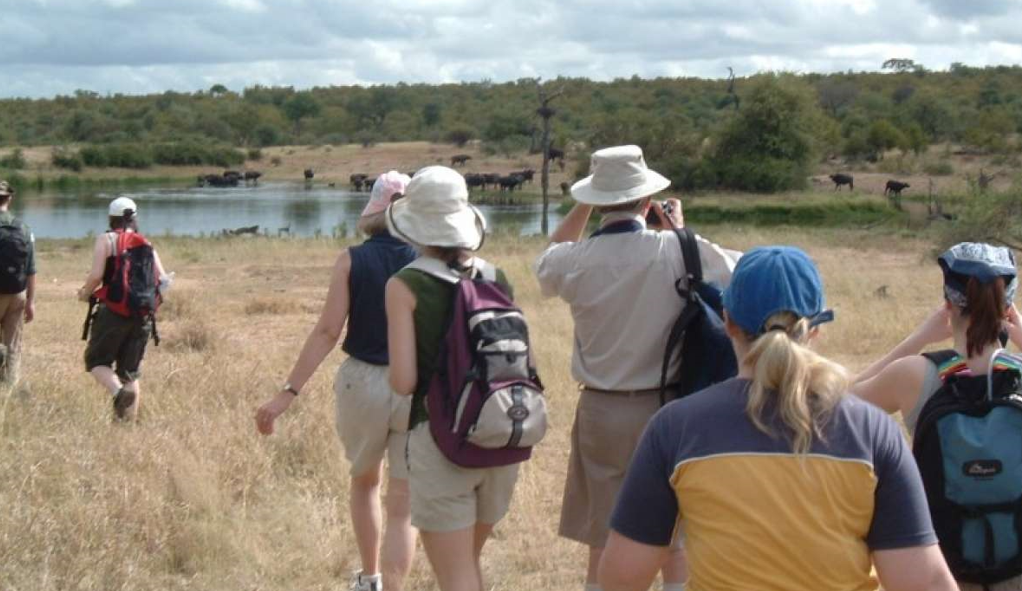
Walking safaris flip the entire experience, engaging senses that vehicles simply can’t reach. Suddenly, you notice sounds, smells, and small details invisible from a moving vehicle. Trackers point out footprints, dung, and subtle signs of animal movement, turning the experience into genuine detective work. Because walking safaris move slower and quieter than vehicles, encounters often feel more intimate, even when viewing smaller or less dramatic wildlife.
Safety Considerations
Safety differs significantly when comparing walking safaris vs game drives. Game drives keep passengers within the vehicle at nearly all times, providing a physical barrier from dangerous animals. Walking safaris, however, require careful ranger guidance, strict distance rules, and cooperation from participants. Consequently, walking safaris are typically limited to parks without high densities of dangerous predators, ensuring a safer, more controlled experience for everyone involved.
Where Walking Safaris Are Available
Not every park permits walking safaris, given safety and ecological considerations. Uganda’s Lake Mburo National Park stands out as one of the best destinations for this activity, largely because it lacks resident lions and other large predators. For a deeper look at why this park excels for walking experiences, read our guide on Why Lake Mburo National Park Is The Best For Walking Safaris. Guided walks here bring you close to zebras, giraffes, impala, and eland, all on foot alongside an experienced armed ranger.
Physical Requirements to Consider
Choosing between walking safaris vs game drives should also factor in physical fitness. Walking safaris typically last two to three hours, covering moderate distances across varied terrain. While not strenuous, comfortable walking shoes and reasonable fitness make the experience considerably more enjoyable. Game drives, in comparison, require minimal physical effort, making them accessible to virtually any traveler regardless of fitness level.
Photography Differences
Photography opportunities differ meaningfully between these two activities. Game drives allow stable shooting platforms and easier equipment handling, particularly with telephoto lenses. Walking safaris, meanwhile, demand lighter gear and quicker reflexes, though the closer proximity to smaller wildlife and landscape details often rewards photographers willing to adapt. Many photographers find walking safaris ideal for macro shots of insects, plants, and tracks rather than distant wildlife.
Combining Both for a Complete Experience
Rather than choosing one over the other, many travelers combine both activities within a single itinerary. According to tourism research published by the World Tourism Organization, diversified activity offerings significantly enhance visitor satisfaction across African safari destinations. Starting with a walking safari for intimate, ground-level exploration, then transitioning to game drives for broader wildlife coverage, offers the most complete picture of any given park.
Making Your Decision
Ultimately, choosing between walking safaris vs game drives depends on your priorities. If getting close to nature, learning tracking skills, and slowing down appeals to you, prioritize a walking safari. If covering more ground and maximizing predator sighting chances matters most, focus on game drives. Browse our full range of Uganda and Rwanda gorilla safaris to find itineraries incorporating both experiences.
Final Thoughts on Walking Safaris vs Game Drives
Ultimately, the walking safaris vs game drives comparison isn’t about choosing a winner, since both offer genuinely valuable, complementary experiences. Game drives deliver breadth and predator sightings, while walking safaris offer intimacy and sensory immersion impossible from a vehicle. Combining both, where available, creates the richest possible safari experience. Ready to plan your ideal mix of activities? Contact us today, and we’ll help you build the perfect itinerary.