Complete Travel Guide for First-Time Visitors
Visiting the Pyramids of Giza is one of the most unforgettable experiences you can have in Egypt. Rising dramatically from the desert landscape near Cairo, these ancient monuments have fascinated travelers, historians, and for thousands of years.
Whether you are planning your first trip to Egypt, joining an organized Egypt tour, or visiting Cairo for a few days, the Pyramids of Giza deserve a place at the top of your itinerary.
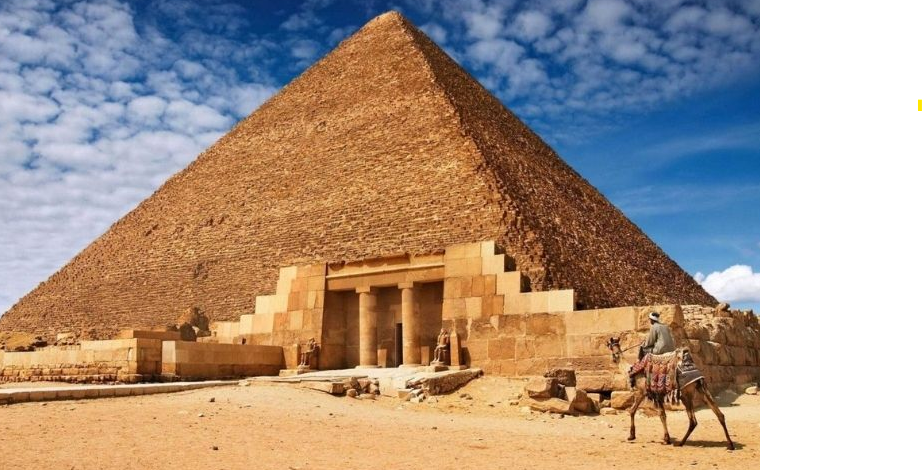
The Giza Plateau is home to some of the world’s most recognizable ancient monuments, including the Great Pyramid of Khufu, the Pyramid of Khafre, the Pyramid of Menkaure, and the famous Great Sphinx.
Beyond taking photographs, travelers can explore ancient tombs, enter selected pyramid chambers, learn about ancient Egyptian civilization, and enjoy spectacular views across the desert.
This complete guide to visiting the Pyramids of Giza explains everything you need to know before your trip. From the best time to visit and how to get there to what to see, what to wear, ticket information, guided tours, and practical travel tips, you will find useful information to help you plan a memorable Egyptian adventure.
Why Visit the Pyramids of Giza?
The Pyramids of Giza are among the world’s most famous archaeological landmarks. Their enormous size and remarkable engineering continue to impress visitors today.
The Great Pyramid was built for Pharaoh Khufu during Egypt’s Fourth Dynasty. It is the largest of the three principal pyramids at Giza and is the only surviving wonder of the ancient Seven Wonders of the World.
The Pyramid of Khafre is easily recognized because part of its original smooth limestone casing remains near the top. It may appear taller than the Great Pyramid because it was constructed on higher ground, although it is actually smaller.
The Pyramid of Menkaure is the smallest of the three main pyramids. Despite its size, it forms an important part of the Giza complex and demonstrates the architectural development of ancient Egypt.
Another major attraction is the Great Sphinx, a monumental statue with the body of a lion and the head traditionally associated with a pharaoh. The Sphinx stands near the pyramids and is one of the most photographed monuments in Egypt.

Best Time for Visiting the Pyramids of Giza
Choosing the right time can make your experience much more enjoyable. Egypt has a predominantly hot and dry climate, and temperatures can become uncomfortable during the middle of the day, especially in summer.
The cooler months, generally from October to April, are often considered more comfortable for sightseeing. December through February can bring pleasant daytime temperatures, although popular attractions may be busy with international visitors.
Spring and autumn can offer a good balance between comfortable weather and manageable visitor numbers. If you visit during the warmer months, consider arriving early in the morning.
One of the best ways to enjoy visiting the Pyramids of Giza is to arrive shortly after opening. Early mornings usually provide cooler temperatures, softer light for photography, and a more relaxed atmosphere.
Sunrise is particularly beautiful from viewpoints overlooking the pyramids. However, check official opening hours and sunrise conditions before planning an early visit.
Visiting in Summer
Summer can be extremely hot, particularly during the afternoon. If you travel between June and August, plan your sightseeing for early morning and carry plenty of drinking water.
The advantage of traveling during this period may include fewer visitors compared with peak winter months, although the heat can be challenging.
Visiting in Winter
Winter is generally comfortable for exploring outdoor attractions. However, mornings and evenings can be cooler than expected, so bringing a light jacket is advisable.
Because winter is a popular travel period, booking accommodation and guided tours ahead of time is recommended.
How to Get to the Pyramids of Giza
The Pyramids of Giza are located on the western edge of Greater Cairo, in the Giza Governorate. The journey from central Cairo can take varying amounts of time depending on traffic.
Travelers have several options for reaching the site.
Private Car or Taxi
A private vehicle is one of the most convenient ways to reach the Giza Plateau. It allows you to travel directly from your hotel and can be especially useful if you are visiting with family or carrying luggage.
Using a reputable taxi service or arranging transportation through your hotel or tour operator can make the journey easier.
Ride-Hailing Services
Ride-hailing applications may also be available in Cairo. They can be convenient for reaching the general Giza area, although you should confirm the exact entrance and pickup arrangements.
Guided Tour
For first-time visitors, a guided tour can simplify the entire experience. A professional guide can arrange transportation, explain the history of the monuments, help with tickets, and provide context that you may miss when exploring independently.
Public Transportation
Public transport can be less straightforward for international visitors, especially if you are unfamiliar with Cairo. If you are short on time, private transportation or a guided tour may be more convenient.
What to See at the Giza Plateau
There is much more to the Giza Plateau than the three famous pyramids. Allow enough time to explore the complex properly.
The Great Pyramid of Khufu
The Great Pyramid is the highlight of most visits. Built for Pharaoh Khufu, it is the largest pyramid at Giza and one of the greatest engineering achievements of the ancient world.
Visitors may be able to enter the pyramid through designated access points, depending on the tickets available and current regulations.
Inside, the experience is very different from viewing the pyramid from outside. Narrow passages and chambers provide a glimpse into the construction and funerary traditions associated with ancient Egyptian royal monuments.
The interior can be physically demanding, particularly for visitors who are uncomfortable in confined spaces. Check current access rules before your visit.
The Pyramid of Khafre
The Pyramid of Khafre is another essential stop. Its remaining limestone casing at the summit provides an idea of how the pyramids may have looked when originally completed.
The pyramid’s elevated position also creates impressive photographic opportunities.
The Pyramid of Menkaure
The Pyramid of Menkaure is smaller than its two neighbors but remains an important part of the Giza complex.
Its location provides a different perspective of the plateau, and visitors interested in ancient Egyptian history should include it in their exploration.
The Great Sphinx
No trip to Giza is complete without seeing the Great Sphinx.
The enormous limestone statue has the body of a lion and a human head. It has become one of the most recognizable symbols of ancient Egypt.
Spend time viewing the Sphinx from different angles and learning about its historical significance. The surrounding area also provides excellent opportunities for photography
 How Long Do You Need at the Pyramids?
Most travelers should allow at least three to four hours for a basic visit to the Giza Plateau.
If you want to explore the pyramids, visit the Sphinx, take photographs, enjoy viewpoints, and learn about the history, you may want to spend half a day in the area.
A full-day experience can include additional attractions in the wider Giza and Cairo area.
For example, you could combine your pyramid visit with the Egyptian Museum, a Nile River experience, or a tour of historic Cairo.
If you have limited time in Egypt, a half-day guided excursion can provide a good introduction to the pyramids without taking up your entire day.
Should You Visit the Pyramids With a Guide?
Whether you need a guide depends on your travel style.
Independent travelers may prefer exploring at their own pace. However, a knowledgeable guide can significantly improve the experience by explaining the history, architecture, religious beliefs, and daily life of ancient Egyptians.
A guide can also help you navigate the site and avoid common tourist traps.
For first-time visitors, a private guided tour is often a convenient choice. Families and small groups may particularly appreciate having a dedicated guide and vehicle.
If you are interested in archaeology and history, consider booking a tour with a qualified Egyptologist. The explanations can help you understand the significance of the monuments rather than simply viewing them as impressive structures.
What to Wear When Visiting the Pyramids
Comfortable clothing is essential when exploring the Giza Plateau.
Choose lightweight, breathable clothing that allows you to move easily. Comfortable walking shoes are particularly important because the terrain can be sandy and uneven.
A hat or cap can help protect you from the sun. Sunglasses are also useful during bright days.
Although Egypt is generally warm, temperatures can vary by season. Bring an extra layer during cooler months, especially for early morning visits.
Visitors should also dress respectfully when visiting religious or cultural sites elsewhere in Egypt.
What to Bring
Before visiting the Pyramids of Giza, prepare a small day bag with essential items.
Consider bringing:
- Drinking water
- Sunscreen
- Sunglasses
- A hat
- Comfortable walking shoes
- Camera or smartphone
- Portable phone charger
- Small amounts of local currency
- Identification documents where necessary
- Light clothing layers
- Hand sanitizer
Water is particularly important because the desert environment can become hot and dry.
Avoid carrying unnecessary heavy items. You will likely spend several hours walking and standing.
Photography Tips at the Pyramids
The pyramids are among the most photographed monuments in the world, but getting memorable photographs requires some planning.
Early morning and late afternoon often provide softer natural light. Midday sunlight can create harsh shadows and make photography more difficult.
Try photographing the pyramids from different viewpoints rather than taking every photograph from the same location.
Wide-angle photographs can capture the scale of the monuments, while closer compositions can highlight architectural details.
The Sphinx also provides excellent opportunities for creative photographs.
If you want photographs with fewer people in the background, arrive early and explore less crowded areas of the plateau.
Can You Ride a Camel at the Pyramids?
Camel rides are a popular activity for visitors to Giza. They offer a traditional desert experience and can provide unique views of the pyramids.
However, travelers should choose camel rides carefully and prioritize responsible tourism.
Before agreeing to a ride, confirm the price, duration, and route. Avoid accepting unclear offers from unofficial operators.
It is also important to consider animal welfare. Choose providers that treat animals humanely and avoid rides involving visibly distressed or poorly cared-for animals.
An alternative is simply walking around the plateau and enjoying the scenery without riding an animal.
Food and Drinks Near the Pyramids
There are restaurants and cafes in the wider Giza area where visitors can enjoy Egyptian and international cuisine.
Popular Egyptian foods to try during your trip include koshari, falafel, grilled meats, ful medames, and traditional bread.
Always carry drinking water during your visit to the pyramids. It is better to purchase bottled water from reputable vendors or carry your own supply.
If you are joining an organized tour, your itinerary may include lunch at a local restaurant.
Where to Stay When Visiting the Pyramids
Choosing where to stay depends on your travel plans.
Staying in Giza can be convenient if your main priority is exploring the pyramids. Some accommodations offer views of the monuments, allowing you to enjoy the landscape from your room or rooftop.
Cairo is another popular option. Staying in central Cairo provides easier access to other attractions, restaurants, shopping areas, and museums.
If you are planning a broader Egypt itinerary, you might spend several nights in Cairo before traveling to Luxor, Aswan, or other destinations.
When choosing accommodation, consider the distance to attractions, transportation options, reviews, and the overall convenience of your itinerary.
Visiting the Pyramids With Children
The pyramids can be an exciting destination for families.
Children often enjoy seeing the enormous monuments and hearing stories about pharaohs and ancient Egyptian civilization.
However, the heat and walking distance can be challenging for younger travelers. Plan breaks throughout the day and carry enough water.
Visiting early in the morning is particularly helpful for families because temperatures are generally more manageable.
A family-friendly guide can also make the experience more engaging by explaining ancient history in a way children can understand.
Is Visiting the Pyramids of Giza Safe?
Giza is a major tourist destination that welcomes visitors from around the world. However, travelers should follow normal precautions when exploring busy tourist areas.
Keep your valuables secure and be cautious with unsolicited offers.
If someone approaches you with an unexpected service, such as transportation, camel rides, or guiding, confirm the price before accepting.
Using a reputable tour operator can make your visit more comfortable, particularly if you are unfamiliar with Egypt.
It is also advisable to follow instructions from site authorities and respect restricted areas.
Common Tourist Scams to Avoid
Like many major tourist destinations, the Giza area has people offering unofficial services.
Some visitors may encounter aggressive sales tactics, unclear pricing, or unexpected requests for payment.
You can reduce the risk of problems by agreeing on prices in advance and using established tour operators or licensed guides.
If you do not want a service, politely but firmly decline.
Do not feel pressured to purchase souvenirs, take a camel ride, or hire a guide.
Planning your visit in advance will help you feel more confident and enjoy the experience.
Combining the Pyramids With Other Cairo Attractions
One of the benefits of visiting the Pyramids of Giza is that you can combine the experience with other attractions in and around Cairo.
The Egyptian Museum is an excellent addition for travelers interested in ancient Egyptian history. Its collections provide valuable context for understanding the civilization that built the pyramids.
You can also explore Islamic Cairo, visit historic mosques, walk through traditional markets, or experience the atmosphere of Khan el-Khalili.
A Nile River cruise or evening boat ride can provide a relaxing contrast to a busy day of sightseeing.
If you have several days in Cairo, consider creating a flexible itinerary that combines ancient monuments, museums, cultural experiences, and local cuisine.
Suggested One-Day Cairo Itinerary
If you have only one day to explore Cairo, you can organize your schedule around the city’s most famous attractions.
Morning: Begin at the Giza Plateau and explore the three main pyramids.
Late morning: Visit the Great Sphinx and enjoy the surrounding viewpoints.
Lunch: Stop at a local restaurant and sample Egyptian cuisine.
Afternoon: Visit the Egyptian Museum or another major cultural attraction.
Evening: Explore Khan el-Khalili and enjoy dinner in Cairo.
This itinerary can be adjusted depending on opening hours, traffic, and your interests.
Is a Trip to the Pyramids Worth It?
Absolutely. The Pyramids of Giza are more than just famous tourist attractions. They represent one of humanity’s greatest architectural achievements and offer an opportunity to connect with a civilization that shaped world history.
Standing in front of the Great Pyramid is an experience that photographs cannot fully capture. The scale of the structures, the surrounding desert, and the stories behind their construction create an unforgettable travel experience.
For many travelers, visiting the Pyramids of Giza is the highlight of their Egypt holiday.
Whether you spend a few hours exploring the plateau or include the pyramids as part of a longer Egypt itinerary, planning ahead will help you make the most of your visit.
Final Thoughts on Visiting the Pyramids of Giza
Visiting the Pyramids of Giza should be on every traveler’s Egypt bucket list. From the massive Great Pyramid of Khufu and the ancient Pyramid of Khafre to the smaller Pyramid of Menkaure and the mysterious Great Sphinx, the Giza Plateau offers an extraordinary journey through ancient history.
The best experience comes from preparing in advance. Choose a comfortable time of day, wear suitable clothing, carry water, arrange reliable transportation, and consider hiring a knowledgeable guide.
Whether you are traveling alone, as a couple, with family, or as part of a group, the pyramids offer an unforgettable glimpse into ancient Egypt.
If you are planning an Egypt holiday, consider combining your visit to Giza with Cairo’s museums and historic neighborhoods, then continue your journey to Luxor, Aswan, or the Red Sea. With the right itinerary, your trip can become much more than a visit to a famous monument—it can be a complete exploration of Egypt’s extraordinary history, culture, and landscapes.