The Twin Lakes of Rubirizi: Uganda’s Most Underrated Safari Secret
Grace almost drove past them.
She was on the road between Kasese and Kabale, heading south after three days in Queen Elizabeth National Park. Her driver had suggested a stop. She had said yes without much thought, just another roadside viewpoint, she assumed, in a country full of them.
Then the road curved. And there they were.
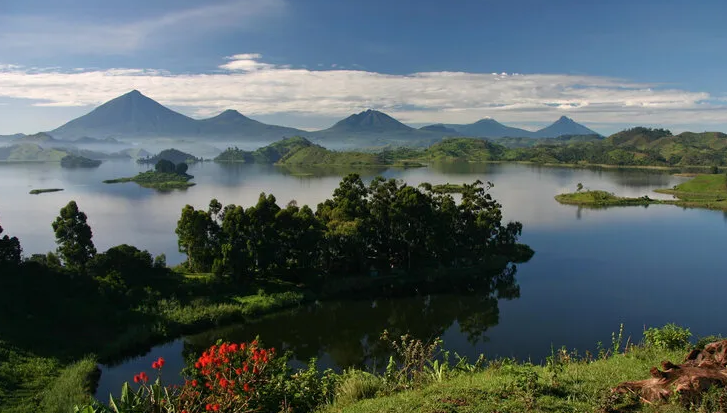
Two lakes, side by side, cupped in the green hillsides of Rubirizi District like two mirrors left by giants in the landscape. The water was so still it held the sky perfectly. Fishing boats the colour of terracotta sat at the edges. Mist clung to the far shore.
Grace stood there for forty minutes. She missed her next lodge check-in time. She did not care.
The twin lakes of Rubirizi are one of Uganda’s most genuine and least-told travel stories. They are not on the standard safari circuit. They do not appear in most guidebooks. Consequently, the visitors who find them tend to find them by accident, by being curious, by listening to a driver’s suggestion, by taking a road that wasn’t on the original plan.
This article changes that. It tells you exactly what the twin lakes of Rubirizi are, why they matter, what you can do there, and how to include them in a Uganda safari itinerary that goes beyond the obvious.
What Are the Twin Lakes of Rubirizi?
The twin lakes of Rubirizi refer to two crater lakes, Lake Nyamugasani and Lake Kigezi, situated in the Rubirizi District of western Uganda. They sit within the Albertine Rift Valley, the ancient geological fault line that runs north to south through East and Central Africa and that has produced some of the continent’s most dramatic lake and rift landscapes.
The lakes are volcanic in origin. They were formed thousands of years ago when volcanic activity collapsed underground chambers, creating deep, bowl-shaped depressions that subsequently filled with water. As a result, both lakes are surrounded by steeply rising hillsides, a characteristic of crater lakes across the Albertine Rift region.
The two lakes sit close enough together to be visible simultaneously from elevated viewpoints. Furthermore, the agricultural landscape surrounding them, small farms, banana plantations, village settlements on the hillside slopes, gives the setting a lived-in, human warmth that purely wild landscapes sometimes lack. Consequently, the twin lakes of Rubirizi feel not like a national park attraction but like a discovery: a piece of genuine, unperformed Uganda.
Rubirizi District itself is located approximately 370 kilometres southwest of Kampala. Moreover, it sits between two of Uganda’s most visited safari destinations, Queen Elizabeth National Park to the north and the Bwindi Impenetrable Forest region to the south. As a result, the twin lakes make natural sense as an addition to any western Uganda safari circuit.
Why the Twin Lakes of Rubirizi Are Worth Your Time
The honest answer to this question has several layers.
First, they are simply beautiful. The specific combination of volcanic crater topography, still water, surrounding agriculture, and the quality of light in western Uganda’s high-altitude air produces a landscape that is unlike anything else in the country. Additionally, the lakes’ double nature, two bodies of water in such close proximity, each slightly different in character from the other, creates a visual complexity that a single lake cannot match.
Second, they are genuinely off the beaten track. Most western Uganda itineraries pass through or near Rubirizi District without stopping. Therefore, visitors who do stop find an experience that hasn’t been adjusted for tourism, local fishermen who wave without performing, village children who are curious rather than practised, a landscape that belongs to the people who live in it rather than to the safari industry.
Third, they connect you to the broader Albertine Rift ecosystem. The Albertine Rift is one of Africa’s most biodiverse regions. According to the Albertine Rift conservation authority, the rift contains more endemic species of vertebrate than any other region on the African continent. Understanding the twin lakes of Rubirizi in their geological and ecological context, as part of this ancient, extraordinary landscape, adds a dimension to the visit that purely scenic appreciation cannot provide.
Fourth, the community connection is real. The fishing communities around Lake Nyamugasani and Lake Kigezi have lived alongside these waters for generations. Their presence is not staged. Visiting with genuine curiosity, taking time to watch the morning fish markets, to walk the village paths, to accept a cup of tea from a family who waves you in, is the kind of travel experience that remains with you long after the photographs have faded.
Lake Nyamugasani: The Larger of the Twin Lakes of Rubirizi
Lake Nyamugasani is the larger and more accessible of the two crater lakes. It sits at an elevation of approximately 1,000 metres above sea level. Consequently, the air around it is pleasantly cool even at midday, a welcome quality in a part of Uganda where lower-altitude locations can be hot and humid.
The lake supports an active fishing community. Early mornings at the landing site are one of the most rewarding times to visit. Fishermen return with overnight catches, primarily tilapia and catfish, and the waterfront comes alive with the particular energy of a working community beginning its day. The smell of fresh fish, the sound of nets being sorted, the colours of the boats reflected in the still water, these are the details that stay.
Wildlife around Lake Nyamugasani:
The lake’s shoreline and surrounding hills support good birdlife. Notably, the African fish eagle is regularly sighted, its distinctive, spiralling call over open water is one of Africa’s most iconic sounds. Additionally, kingfishers, herons, and various wetland waders are present along the lake margins.
The surrounding hillside vegetation, a mix of secondary forest, agricultural plots, and small woodland patches, provides habitat for a range of forest birds. Furthermore, vervet monkeys and olive baboons are commonly encountered on the hillside paths around the lake.
Activities at Lake Nyamugasani:
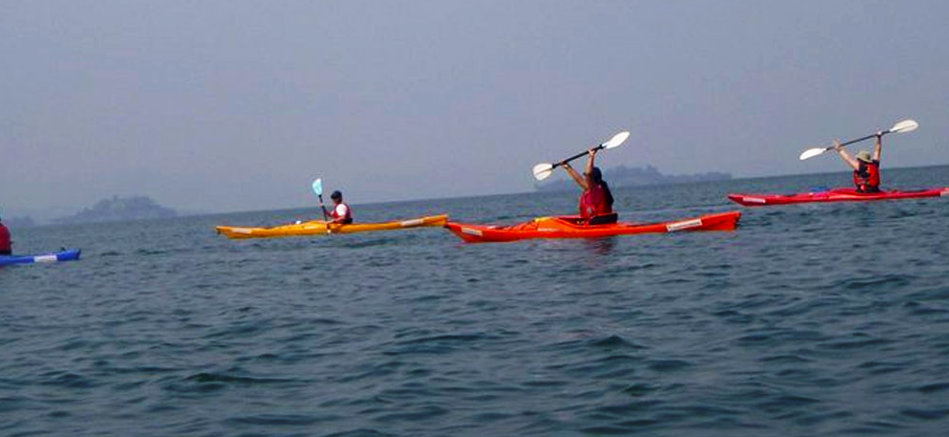
- Boat trips on the lake: arranged through the local fishing community, these offer the best perspective on the lake’s crater geography and the clearest birdwatching opportunities
- Fishing community walks: a guided morning walk through the landing site and surrounding village with a local guide
- Hillside hiking: trails above the lake offer increasingly dramatic panoramic views as altitude increases
- Sunrise photography: the light on Lake Nyamugasani in the first hour after dawn is extraordinary; misty mornings produce the most atmospheric images
Lake Kigezi: The Hidden Character of the Twin Lakes
Lake Kigezi is smaller and slightly less accessible than Lake Nyamugasani. However, many visitors who make the effort to reach it prefer its character, quieter, more remote, and surrounded by a steeper, more dramatic crater rim.
The name Kigezi connects this lake to the broader Kigezi Highlands region, the ancient, densely populated highlands of southwestern Uganda that the colonial period called the “Switzerland of Africa” for their terraced hills and temperate climate. Furthermore, the agricultural landscape immediately surrounding Lake Kigezi is among the most intensively and beautifully cultivated in Uganda, every available slope terraced and productive, the visual effect a vivid geometry of green.
What makes Lake Kigezi different:
The crater rim around Lake Kigezi is more defined. As a result, the viewing positions above the lake, reached after a 30–45 minute hillside walk from the road, offer one of the most dramatic perspectives on the twin lakes of Rubirizi available to visitors. From the right viewpoint, both lakes are simultaneously visible, a composition that very few visitors ever photograph because very few visitors ever look for it.
The community around Lake Kigezi is primarily agricultural. Consequently, the cultural encounter here is different from the fishing community dynamic of Nyamugasani, more focused on farming life, seasonal rhythms, and the extraordinary knowledge systems of communities that have cultivated volcanic hillsides productively for centuries.
The Twin Lakes of Rubirizi and the Albertine Rift: Ecological Context
Understanding the twin lakes of Rubirizi within their geological context makes the visit significantly richer.
The Albertine Rift is the western arm of the East African Rift System, a geological fracture that has been pulling the African continent apart for approximately 25 million years. The process has produced extreme topography: deep lakes, high escarpments, and the volcanic activity that created the crater lakes of western Uganda.
The rift is also an ecological refuge of global significance. The African Wildlife Foundation identifies the Albertine Rift as one of Africa’s most critical biodiversity hotspots. The moisture-rich, varied topography of the rift creates a mosaic of habitats, crater lakes, papyrus wetlands, montane forest, savannah, that supports extraordinary species diversity.
The twin lakes of Rubirizi sit within this broader ecological context. They are part of a landscape that includes the savannah of Queen Elizabeth National Park to the north and the montane forest of Bwindi to the south. Consequently, a visit to the twin lakes connects naturally to both of these safari destinations.
For full wildlife safari experiences in the region, see our Uganda safari packages for itinerary options that include Rubirizi.
Getting to the Twin Lakes of Rubirizi
The twin lakes of Rubirizi are located in Rubirizi District, approximately:
- 50 kilometres south of Kasese town
- 60 kilometres north of Kabale town
- 370 kilometres southwest of Kampala (approximately 6–7 hours by road)
The main road connecting Kasese and Kabale, the A109 highway, passes through or near Rubirizi town. Therefore, the twin lakes are accessible as a stop on the most commonly driven western Uganda safari route.
From Queen Elizabeth National Park, the drive to Rubirizi takes approximately 1.5 to 2 hours. Consequently, the lakes work perfectly as a half-day stop between Queen Elizabeth and Bwindi on a combined itinerary.
From Bwindi Impenetrable Forest, the drive north to Rubirizi takes approximately 2 to 2.5 hours.
By vehicle: A private safari vehicle is the most practical option. The main road to Rubirizi is tarmac and in reasonable condition. However, the access roads to the lake shores require a vehicle with moderate ground clearance.
Public transport: Minibuses (matatus) connect Kasese and Kabale via Rubirizi town. Additionally, boda-bodas (motorcycle taxis) in Rubirizi town can transport visitors to the lake shores. This option requires more time and local navigation knowledge.
For the most convenient access, arrange your visit as part of a guided itinerary through Africa Safari Tours.
Best Time to Visit the Twin Lakes of Rubirizi
The twin lakes of Rubirizi are accessible year-round. However, seasonal conditions affect the quality of the experience in specific ways.
Dry seasons (June–August and December–February): The optimal windows for visiting. Roads are firm, hiking trails are passable, and the lake surfaces are at their most reflective and clear. Furthermore, birdlife concentrations peak during the dry season as water birds gather at accessible lake margins. The Uganda Tourism Board confirms these as the peak tourism months for western Uganda.
Wet seasons (March–May and September–November): The landscape becomes intensely green and dramatically atmospheric. Mist clings to the crater rims in the mornings, and the light through rain-washed air has a quality that photographers specifically seek. However, access roads to the lake shores can become difficult after heavy rain. Additionally, hiking trails on the steeper crater sections become slippery.
For advice on timing your visit to the twin lakes alongside other Uganda safari activities, see our best time to visit Uganda guide.
How to Combine the Twin Lakes of Rubirizi with a Uganda Safari
The twin lakes of Rubirizi integrate naturally into western Uganda safari itineraries. Here are the most practical combination options:
Option 1: Queen Elizabeth NP + Twin Lakes of Rubirizi + Bwindi (7–10 days) This is the classic western Uganda circuit, enhanced with a Rubirizi stop. Start in Kampala. Drive west to Queen Elizabeth National Park for 2–3 nights of game drives and boat safaris on the Kazinga Channel. Then drive south, stopping at the twin lakes of Rubirizi for a half-day. Continue to Bwindi gorilla trekking for 2 nights. Return to Kampala via Kabale and the scenic Kigezi Highlands.
Option 2: Crater Lakes Circuit (3–4 days) Western Uganda contains dozens of crater lakes. A dedicated Uganda crater lakes tour combining Lake Nkuruba, the Ndali-Kasenda Crater Lake area, and the twin lakes of Rubirizi offers one of the most scenically extraordinary road journeys in East Africa.
Option 3: Extended Western Uganda (12–14 days) A comprehensive western Uganda itinerary can combine Kibale Forest chimpanzee tracking, the Rwenzori Mountains foothills, Queen Elizabeth National Park, the twin lakes of Rubirizi, and Bwindi gorilla trekking in a single loop from Kampala.
What to Pack for a Twin Lakes of Rubirizi Visit
The twin lakes visit is relatively casual compared to a gorilla trek or big game safari. Nevertheless, practical preparation improves the experience significantly.
Essential items:
- Comfortable walking shoes (light hiking shoes are ideal for the hillside trails)
- Light waterproof jacket (afternoon rain is possible in all seasons)
- Sunscreen and sunglasses (the lake surface reflects UV radiation)
- Camera (the light at sunrise and sunset is exceptional)
- Binoculars (for birdwatching around the lake margins)
- Small daypack with water and snacks
For a community walk:
- Modest clothing — long trousers and covered shoulders are respectful in rural Ugandan communities
- Small cash (Ugandan shillings) for craft purchases and community guides
- A genuine willingness to be slow, patient, and curious
Responsible Tourism at the Twin Lakes of Rubirizi
The twin lakes of Rubirizi have not been shaped by mass tourism. As a result, visitors have a particular responsibility to keep it that way.
Hire local guides. The Uganda Wildlife Authority and community guide networks in Rubirizi District provide trained local guides who provide income to the community and knowledge to the visitor. Always use them rather than exploring independently.
Buy directly from community members. Fresh fish from the landing site, local produce from roadside sellers, and crafts from community artisans all represent direct income transfers to the people who live alongside the lakes.
Ask before photographing. Rural Ugandan communities have not uniformly signed up to being photographed by passing tourists. Ask permission first. Accept refusal graciously.
Stay on established trails. The crater rims and hillsides around the lakes are actively farmed. Staying on established paths avoids damage to agricultural plots and maintains the community’s relationship with visitor access.
FAQs: Twin Lakes of Rubirizi
Where exactly are the twin lakes of Rubirizi located?
The twin lakes, Lake Nyamugasani and Lake Kigezi, are located in Rubirizi District, southwestern Uganda. They sit on the A109 highway between Kasese (50km north) and Kabale (60km south).
Are the twin lakes of Rubirizi safe to swim in?
Both lakes are crater lakes with freshwater. However, bilharzia (schistosomiasis) is a risk in many Ugandan lakes. Always consult current local advice from your guide or accommodation before swimming in any unfamiliar Ugandan water body.
Is there accommodation near the twin lakes of Rubirizi?
Accommodation options in Rubirizi town itself are modest. Most visitors stay overnight in Kasese or Kabale and visit the twin lakes as a half-day stop. Your safari operator can arrange the most appropriate overnight options for your itinerary.
How long should I spend at the twin lakes of Rubirizi?
A half-day (3–4 hours) is the minimum for a meaningful visit, time for a lake viewpoint, a short community walk, and a boat trip. A full day allows for both lakes, a hillside hike, and a more relaxed community engagement.
Can I combine the twin lakes of Rubirizi with gorilla trekking?
Yes. The twin lakes sit directly on the road between Queen Elizabeth National Park and Bwindi Impenetrable Forest. Consequently, a half-day stop at Rubirizi is a natural and practical addition to any gorilla trekking itinerary in southwestern Uganda. See our Bwindi gorilla trekking page for full planning details.
Do I need to book a visit in advance?
Unlike national park activities, the twin lakes do not require advance permits. However, arranging a local guide and boat trip in advance through your safari operator ensures the visit is well-organised and maximally beneficial to the community.
Why the Twin Lakes of Rubirizi Belong on Your Uganda Safari
Grace stood at the lakeside for forty minutes. She missed her lodge check-in. She did not care.
That is the specific quality of the Rubiriz twin lakes, the quality of a place that asks nothing of you except to stop moving, to actually look, and to stay longer than you planned.
Uganda’s most famous attractions are famous for good reason. The gorillas of Bwindi are extraordinary. The tree-climbing lions of Queen Elizabeth are extraordinary. The chimpanzees of Kibale are extraordinary. Nevertheless, a country’s best travel experiences are not always its most famous ones.
Sometimes they are two lakes in a hillside, side by side, holding the sky.
When you are ready to plan a Uganda safari that goes beyond the standard itinerary, our team is ready to help.
Contact Africa Safari Tours to plan a western Uganda itinerary that includes the twin lakes of Rubirizi and the very best of Uganda’s extraordinary wildlife and landscapes.