Both countries rank among Africa’s most accessible, well-infrastructured safari destinations, which is exactly why a South Africa vs Namibia safari comparison comes up so often among travelers planning a first or second trip to the continent. Each offers excellent self-drive options, reliable road networks, and a wide range of accommodation styles, but the actual experience on the ground, the scenery, the wildlife density, and what self-driving really involves, differs significantly between them. This guide breaks down the key differences in a South Africa vs Namibia safari, so you can decide which matches your travel style.
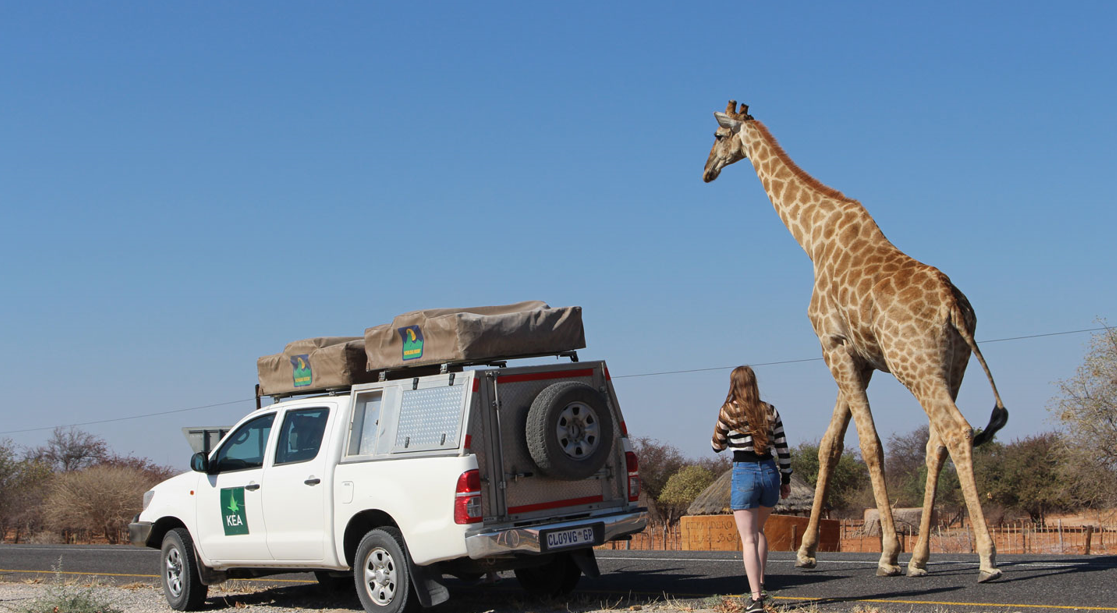
Scenery: Classic Bushveld vs Desert Drama
South Africa
South Africa’s safari regions, particularly Kruger National Park and the private reserves bordering it, offer the classic bushveld landscape most travelers picture: dense thornveld, riverine forest, and open grassland dotted with acacia trees. The Garden Route and Cape region add dramatic coastline and mountains to the mix if you extend your trip beyond wildlife areas.
Namibia
Namibia trades bushveld for some of the most dramatic desert scenery on the planet: the towering red dunes of Sossusvlei, the eerie, shipwreck-strewn Skeleton Coast, and the vast, stark plains of Etosha’s salt pan. A South Africa vs Namibia safari comparison on scenery alone often comes down to personal taste, lush, classic safari landscapes versus otherworldly desert drama.
Wildlife Density and Diversity
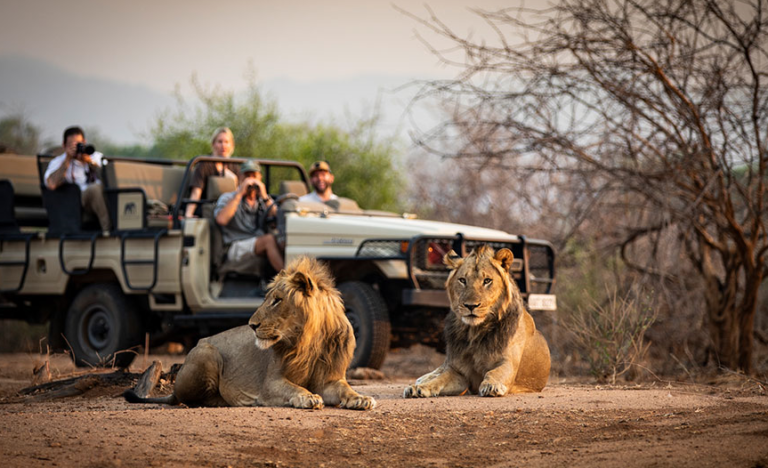
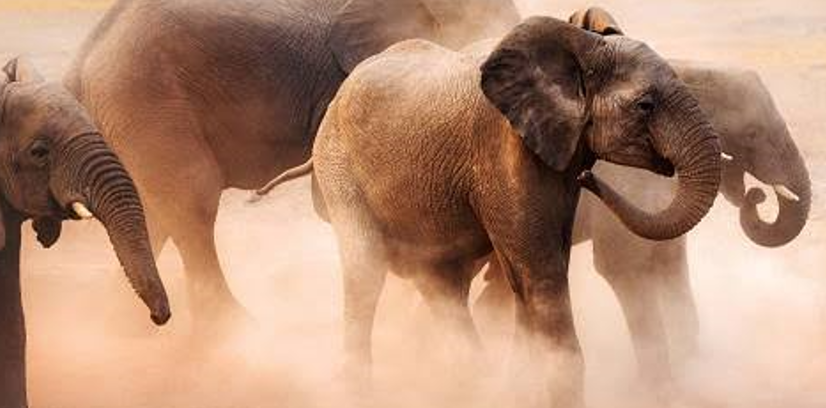
South Africa generally offers higher wildlife density and a more reliable Big Five experience, particularly in Kruger and its surrounding private reserves, where well-established road networks and high animal concentrations make sightings relatively frequent and predictable. Namibia’s wildlife is thinner on the ground by comparison, spread across much larger, more arid territories, but it includes species adapted specifically to desert conditions, desert-adapted elephant and black rhino in Damaraland, for instance, that you won’t find roaming freely in South Africa. Etosha National Park is the exception, offering waterhole-based game viewing that can rival South Africa’s reserves during the dry season, when animals concentrate around remaining water sources.
Self-Drive Feasibility
South Africa
South Africa is widely considered one of the easiest and most popular self-drive safari destinations in Africa. Kruger National Park has an excellent network of paved and well-maintained gravel roads, clear signage, and frequent rest camps with fuel and supplies, making it genuinely accessible to a confident but inexperienced self-driver. Many private reserves also offer self-drive options alongside guided game drives, giving travelers flexibility to mix both styles.
Namibia
Namibia is also a strong self-drive destination, but the experience is quite different: longer distances between stops, more gravel roads requiring careful driving, and significantly less traffic or infrastructure in remote areas like Damaraland or the Skeleton Coast. A 4×4 is often recommended, sometimes required, for certain routes, and fuel and supply stops can be hours apart. Self-driving in Namibia rewards travelers who are comfortable with more rugged, independent road trip logistics, while South Africa’s self-drive routes feel noticeably more structured and beginner-friendly.
Cost Comparison
Namibia’s lower wildlife density and larger distances between attractions can translate to higher per-day costs for guided options, while self-driving, which is extremely popular there, offers a more budget-friendly way to experience the country. South Africa offers a wider range of price points across both guided and self-drive options, from budget rest camps in Kruger to high-end private reserve lodges, making it generally more flexible for varied budgets.
Which Should You Choose?
- Want the most reliable, frequent Big Five sightings? South Africa, particularly Kruger and its private reserves, is the stronger choice.
- Want dramatic, otherworldly scenery and don’t mind lower overall wildlife density? Namibia delivers landscapes unlike anywhere else on the continent.
- New to self-driving on safari? South Africa’s Kruger offers a gentler, more structured introduction to the experience.
- Comfortable with longer, more rugged road trip logistics? Namibia rewards independent travelers who enjoy that kind of adventure.
Try Self-Driving in South Africa First
If you’re new to the idea of a self-drive safari and want to test the waters before committing to Namibia’s longer, more remote routes, South Africa is generally the more approachable starting point. Get a feel for the self-drive option in Self Drive South Africa, which covers what a self-guided route through Kruger and surrounding reserves actually looks like in practice.
You Don’t Have to Choose Just One
Both countries reward repeat visits, and many travelers eventually experience both South Africa and Namibia on separate trips, since the two destinations complement rather than duplicate each other. If you’re planning a longer trip or a return visit down the line, treating this as “which first” rather than “which only” can take some pressure off the decision.
For broader travel planning resources and entry requirements across Southern Africa, South African Tourism is a useful official reference when mapping out your route.
Final Thoughts
A South Africa vs Namibia safari comparison ultimately comes down to what you value more: reliable, dense wildlife viewing in classic bushveld terrain, or dramatic desert scenery paired with a more rugged, independent self-drive adventure. South Africa suits travelers prioritizing wildlife density and an easier self-drive introduction, while Namibia suits those drawn to striking landscapes and longer, more adventurous road trips.
Still weighing the two? Get in touch with Africa Safari Tours and we’ll help you decide, or combine both, based on your travel style and priorities.