4×4, Pop-Top and Open-Sided Compared
Safari vehicles explained simply doesn’t come up until you’re actually booking a trip. Suddenly, terms like pop-top, open-sided, and 4×4 start appearing in itinerary details. In this guide, we break safari vehicles down clearly, comparing the main types you’ll encounter across East Africa. By the end, you’ll understand exactly what to expect from your ride, and why vehicle choice matters more than most travelers realize.
Why Vehicle Type Matters
Before comparing specific types, it helps to understand why safari vehicles explained content matters at all. Terrain, weather, and photography opportunities all shift depending on vehicle design. A closed sedan simply couldn’t handle muddy safari tracks or offer clear wildlife sightlines. Consequently, purpose-built safari vehicles balance durability, visibility, and passenger comfort in ways standard vehicles never could.
The Classic 4×4 Safari Vehicle
Among all safari vehicles explained to travelers, the 4×4 remains the most common choice across East Africa. Typically built on a Toyota Land Cruiser chassis, these vehicles handle rough, unpaved terrain with ease. Four-wheel drive capability proves essential during rainy season, when roads turn muddy and slippery. Most 4×4 safari vehicles seat between six and nine passengers, with individual window seating for optimal wildlife viewing.
Pop-Top Vehicles: Standing Room for Better Views
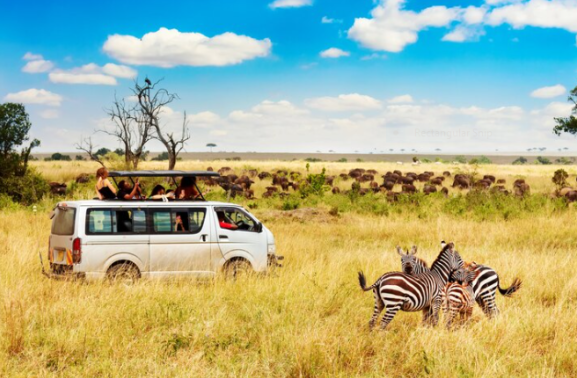
Pop-top vehicles build on the standard 4×4 design by adding a roof that lifts upward. This modification allows passengers to stand and photograph wildlife without needing to exit the vehicle. Consequently, pop-top vehicles offer significantly better visibility and photo angles compared to fixed-roof models. Most tour operators in Uganda and Rwanda use pop-top vehicles as their standard offering, since they balance comfort, safety, and viewing quality effectively.
Open-Sided Vehicles: Maximum Exposure
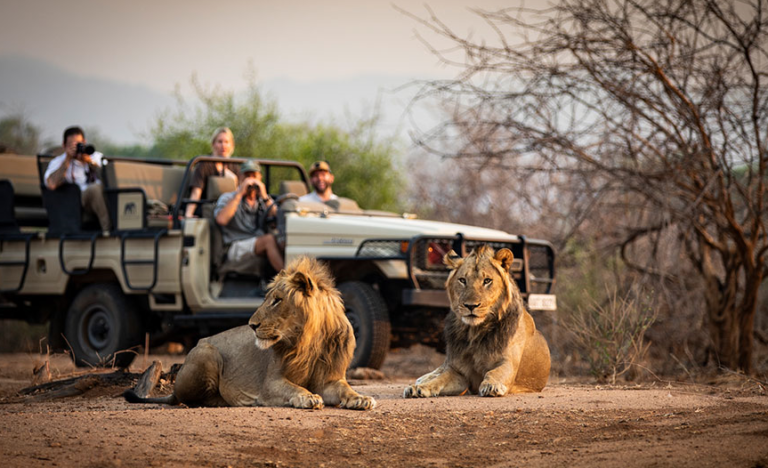
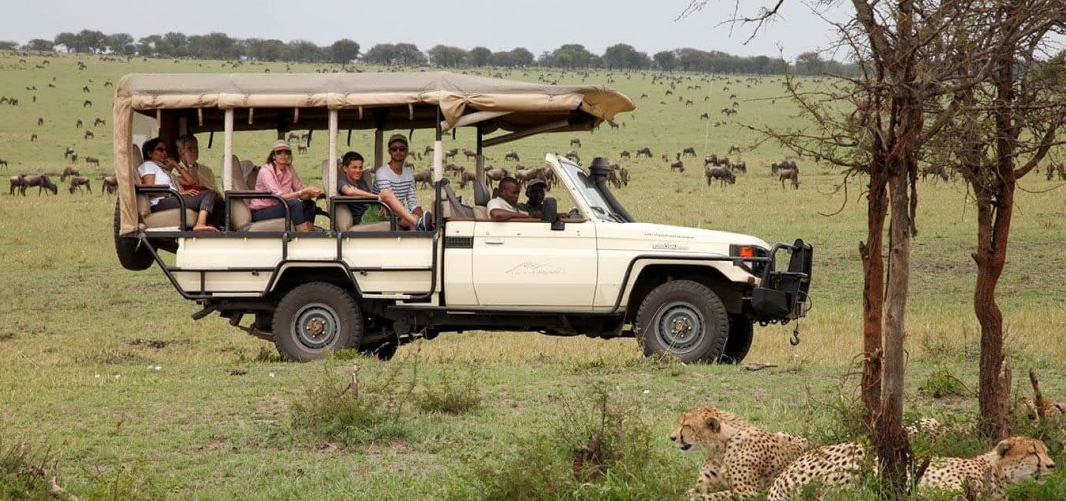
Open-sided vehicles take visibility even further, removing side walls entirely for an unobstructed view. These vehicles are particularly common in Kenya and Tanzania’s more established safari circuits. Because there’s no window barrier, wildlife sounds and smells become part of the experience directly. However, open-sided vehicles are typically restricted to designated safari zones, since some parks require enclosed vehicles for safety reasons. Always confirm with your operator which vehicle type applies to your specific itinerary.
Private vs Shared Safari Vehicles
Beyond vehicle type, travelers also choose between private and shared vehicles. Private vehicles offer flexibility, allowing you to adjust timing and stops based on personal interest. Shared vehicles, used in group safaris, reduce cost significantly by splitting expenses among passengers. For those interested in the shared option, our Group Game Safaris in Uganda combine affordability with a social, communal safari experience. See these vehicles in action across our Group Game Drive Safaris in Uganda itineraries.
Comfort Features Worth Knowing About
Modern safari vehicles increasingly include thoughtful comfort features. Charging ports allow passengers to keep cameras and phones powered throughout long game drives. Cooler boxes keep drinks cold during hot afternoon excursions. Some higher-end vehicles even include Wi-Fi routers for occasional connectivity. While not essential, these features add meaningful comfort during multi-hour game drives across bumpy terrain.
Safety Considerations Across Vehicle Types
Safety remains a top priority regardless of vehicle type. Reputable operators maintain their fleets rigorously, with regular mechanical inspections. According to guidance from the World Tourism Organization, well-maintained transport infrastructure directly supports safer, more sustainable tourism outcomes across developing destinations. Always ask your operator about vehicle age, maintenance schedules, and driver experience before booking, particularly for longer, more remote itineraries.
Choosing the Right Vehicle for Your Trip
Selecting the right vehicle ultimately depends on your specific itinerary and priorities. Photographers often prefer pop-top or open-sided vehicles for maximum shooting flexibility. Families traveling with children may prioritize the enclosed security of a standard 4×4. Budget-conscious travelers often find shared vehicle group safaris deliver excellent value without sacrificing the core experience.
Vehicles for Gorilla Trekking Transfers
It’s worth noting that gorilla trekking itself doesn’t involve vehicles once you reach the trailhead, since the activity is entirely on foot. However, 4×4 vehicles remain essential for reaching remote park headquarters, particularly during rainy season when roads become challenging. Sturdy, well-maintained 4x4s ensure you arrive safely and on time for your permit briefing.
Final Thoughts on Safari Vehicles Explained
Ultimately, safari vehicles explained comes down to matching vehicle type to your specific priorities and destination. Whether you choose a classic 4×4, a pop-top for better photography, or an open-sided vehicle for full immersion, each option delivers a slightly different experience. Understanding these differences beforehand helps you set realistic expectations for your trip. Ready to book your safari? Contact us today, and we’ll match you with the right vehicle for your adventure.