Protecting Congo’s Wildlife and Forests
Lomami National Park conservation plays an important role in protecting one of the Democratic Republic of the Congo’s most remarkable wilderness areas.
Located in the heart of the Congo Basin, Lomami National Park is a vast protected landscape with exceptional biodiversity, dense tropical forests, and wildlife species that are rare elsewhere.
The park is particularly important for protecting the bonobo, the Congo peafowl, forest elephants, okapis, and many other animals.
Established in 2016, Lomami National Park represents one of the Democratic Republic of the Congo’s major efforts to conserve its natural heritage.
The park covers a huge area of largely intact rainforest between the Lomami and Tshuapa Rivers.
Its remote location has helped preserve important habitats, but it also creates significant challenges for conservation teams, local communities, and government authorities.
Today, Lomami National Park conservation involves protecting wildlife, monitoring forests, supporting local communities, combating illegal hunting, and encouraging responsible tourism.
Conservation work in this remote part of the Congo is essential because the park’s forests provide a safe refuge for threatened species while also supporting communities that depend on surrounding natural resources.
Where Is Lomami National Park?
Lomami National Park is located in the central part of the Democratic Republic of the Congo. It stretches across a large area of tropical rainforest between the Lomami and Tshuapa River systems. The park’s landscape includes extensive forests, rivers, wetlands, and natural clearings.
Its remote location is one of its greatest conservation advantages. Unlike more accessible protected areas, large sections of Lomami remain difficult to reach.
This has helped preserve areas of forest that have experienced relatively limited industrial development.
However, remoteness also presents challenges. Conservation teams must work across difficult terrain, often travelling long distances through dense forests and using rivers as important transportation routes.
Maintaining patrols, monitoring wildlife, and supporting local communities requires significant logistical planning.
The park is part of the larger Congo Basin rainforest ecosystem. This ecosystem is one of the world’s most important tropical forest regions and plays a major role in global biodiversity conservation.
Why Is Lomami National Park Important for Conservation?
The importance of Lomami National Park comes from its exceptional combination of biodiversity, forest habitat, and relatively undisturbed wilderness.
The park protects thousands of square kilometres of tropical forest. These forests provide habitat for mammals, birds, reptiles, amphibians, insects, and countless plant species. Some of these species are poorly studied, meaning conservation research in Lomami can contribute to new scientific discoveries.
The park is also important because it protects wildlife populations that face serious threats elsewhere. Habitat loss, illegal hunting, and the wildlife trade have affected many species across Central Africa. Protected areas such as Lomami provide safe habitats where wildlife populations can survive and reproduce.
Conservation in Lomami is therefore not limited to protecting individual animals. It involves protecting entire ecosystems and the ecological processes that keep the forest healthy.
Protecting Bonobos in Lomami National Park
One of the most important conservation priorities in Lomami is the protection of bonobos. The Democratic Republic of the Congo is the only country where bonobos naturally occur in the wild.
Bonobos are closely related to humans and are among the world’s most fascinating great apes. They live in social communities and depend heavily on large areas of healthy forest.
Lomami National Park contains important bonobo habitat. Protecting these forests is therefore essential for the long-term survival of wild bonobo populations.
Lomami National Park conservation supports the protection of bonobos and their remaining rainforest habitat.
However, bonobos face threats from hunting and habitat disturbance. Conservation organizations and local partners work to reduce these pressures through wildlife monitoring, law enforcement, community engagement, and research.
Protecting bonobos also requires protecting the forest itself. When forests remain intact, bonobos have access to food, nesting areas, and safe places to raise their young.
For this reason, Lomami National Park conservation and bonobo protection are closely connected. Successful conservation requires both wildlife protection and long-term forest management.
Protecting Okapis and Other Rare Wildlife
Lomami National Park is also known for its diverse wildlife. The forest provides habitat for several species that are important to conservation.
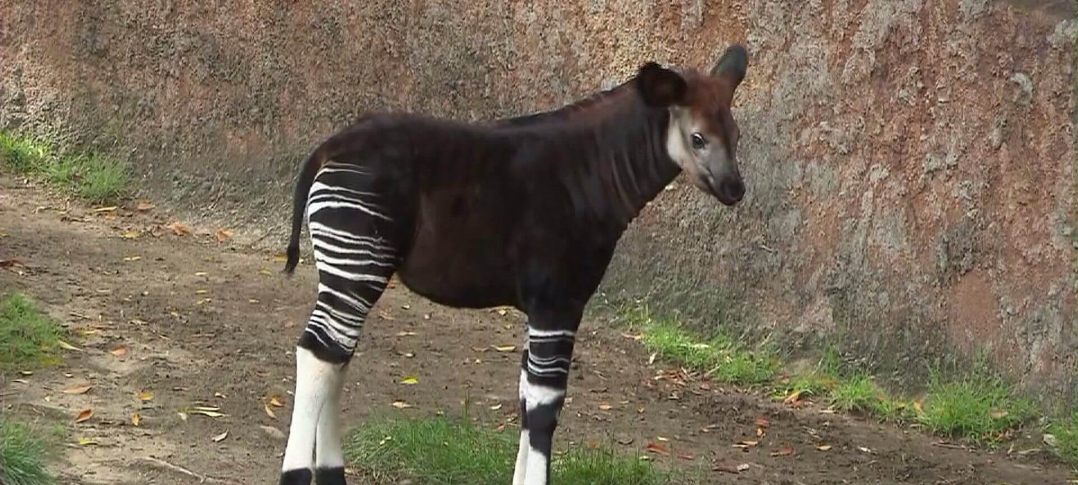
The okapi is one of the most distinctive animals associated with the Congo rainforest. Although it resembles a mixture of a giraffe and a zebra, the okapi is a unique species found only in the Democratic Republic of the Congo.
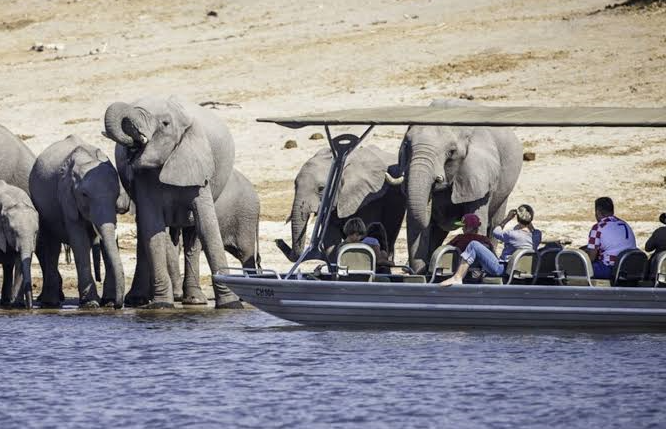
The park also provides habitat for forest elephants. These smaller relatives of savanna elephants are important seed dispersers and play a valuable ecological role in maintaining healthy forests.
Other wildlife found in the wider Lomami landscape includes various monkey species, duikers, forest buffaloes, hippos, and numerous bird species.
Lomami National Park conservation protects important habitats for rare wildlife, including okapis, forest elephants, and primates.
The Congo peafowl is another important species associated with the region. This spectacular bird is native to the Democratic Republic of the Congo and is considered an important symbol of the country’s unique biodiversity.
By protecting the habitats where these species live, conservation programs help maintain the ecological balance of the entire forest ecosystem.
Combating Illegal Hunting
Illegal hunting is one of the major challenges facing wildlife conservation in many parts of the Congo Basin. Remote forests can be difficult to patrol, while local communities may depend on bushmeat for food and income.
In Lomami National Park, conservation teams work to reduce illegal hunting through patrols, law enforcement, wildlife monitoring, and community engagement.
Rangers play an important role in protecting wildlife. They patrol forest areas, monitor signs of illegal activity, collect information about wildlife populations, and help enforce national park regulations.
However, effective conservation cannot depend on law enforcement alone. Long-term success requires addressing the economic and social factors that can contribute to illegal hunting.
This is why community participation is increasingly important. When local communities benefit from conservation and have access to sustainable sources of income and food, pressure on wildlife can be reduced.
Community Involvement in Lomami Conservation
Local communities are essential partners in Lomami National Park conservation. People living around protected areas have valuable knowledge about the forest, wildlife, rivers, and seasonal changes.
Conservation program s can benefit from this local knowledge when planning wildlife surveys and understanding threats to biodiversity.
Community engagement also helps create a stronger relationship between conservation organizations and local residents. Instead of viewing conservation as something imposed from outside, communities can become active participants in protecting their natural heritage.
Community based conservation may include, environmental education programs, Conservation awareness campaigns, support for sustainable livelihoods, local employment opportunities, Community participation in conservation planning
When communities see practical benefits from conservation, they are more likely to support the protection of national park ecosystems.
Conservation Research in Lomami National Park
Research is another important part of conservation in Lomami. Because the park is remote and relatively unexplored, scientists continue to learn more about its wildlife and ecosystems.
Research can help conservationists understand, Where wildlife populations are located, how many animals live in specific areas, how wildlife populations change over time, which habitats are most important
Wildlife surveys can also help identify species that require additional protection.
Research into bonobos is particularly valuable because scientists can study their population distribution, behaviour, social structures, and relationship with their forest habitat.
The information gathered through research helps conservation managers make better decisions. Rather than relying only on assumptions, conservation planning can be based on evidence from the field.
Protecting the Congo Basin Forest
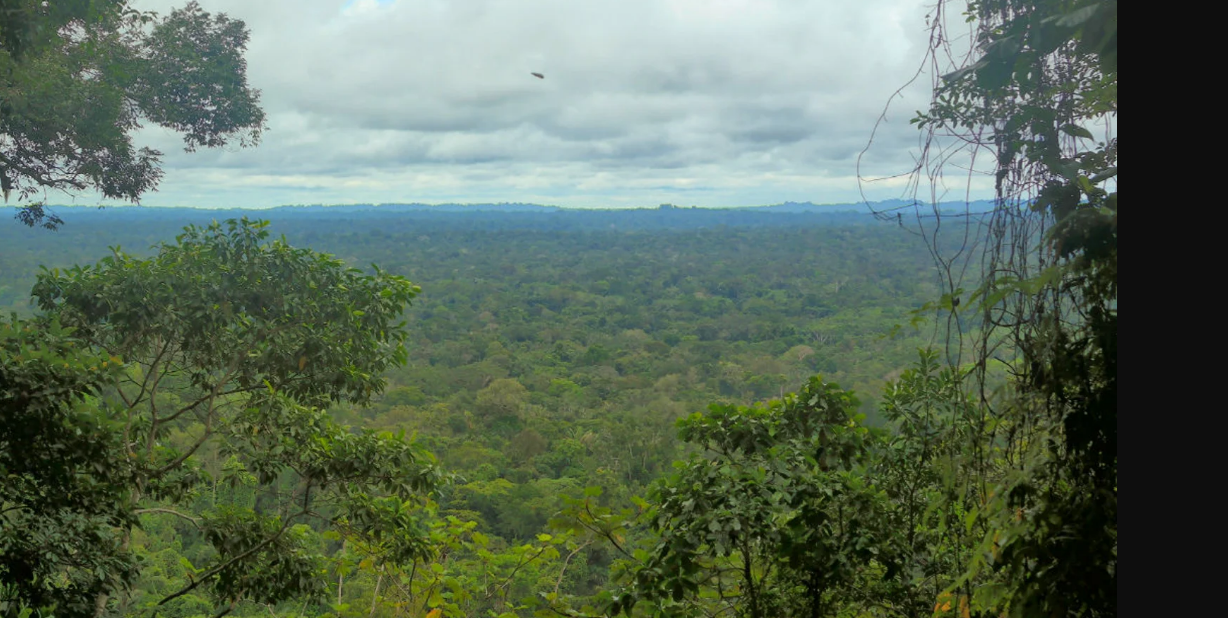
The Congo Basin rainforest is one of the world’s most important tropical forest ecosystems. It covers a vast area across several Central African countries and supports extraordinary biodiversity.
Lomami National Park forms part of this larger forest landscape.
Protecting the park contributes to wider efforts to conserve the Congo Basin. Forests store carbon, regulate water cycles, reduce soil erosion, and provide habitat for countless species.
The forest also supports people. Communities living near the park depend on natural resources for food, traditional medicine, building materials, and other needs.
This makes forest conservation a complex task. Conservation authorities must balance the protection of biodiversity with the legitimate needs of surrounding communities.
Sustainable management is therefore essential. The goal is to ensure that forests remain healthy while local people have opportunities to improve their livelihoods without destroying the natural environment.
Protecting Lomami’s forests contributes to the wider conservation of the Congo Basin rainforest ecosystem.
The Role of Anti Poaching Patrols
Anti poaching patrols are an important part of wildlife protection in Lomami National Park. Rangers and conservation teams work to monitor protected areas and respond to illegal activities.
Patrols can help identify hunting camps, illegal trails, traps, and other signs of wildlife exploitation.
Forest elephants are particularly vulnerable to poaching because of the demand for ivory. Other wildlife species may also be hunted for meat or captured for the illegal wildlife trade.
Effective anti-poaching efforts require trained personnel, equipment, communication systems, and reliable logistical support.
Conservation teams also need good information. Wildlife monitoring and intelligence can help identify areas where threats are highest.
However, anti-poaching work must be combined with community conservation. Without addressing the underlying causes of illegal hunting, enforcement alone may not provide a permanent solution.
Challenges Facing Lomami National Park Conservation
Despite its importance, conservation in Lomami faces several challenges.
Illegal Wildlife Trade
The illegal wildlife trade remains a threat to many species. Rare animals can be targeted for bushmeat, traditional uses, or international trafficking.
Limited Resources
Managing a huge and remote protected area requires significant financial and logistical resources. Rangers need training, equipment, transportation, and communication tools.
Remote Location
The park’s isolation makes conservation work difficult. Reaching some areas can take considerable time, particularly during periods of heavy rainfall.
Poverty and Livelihood Challenges
Many communities surrounding protected areas face economic challenges. When people have limited alternatives, they may depend heavily on natural resources.
Limited Tourism Infrastructure
Tourism can provide income for conservation and communities, but Lomami remains less developed than some of Africa’s better-known safari destinations. Limited roads, accommodation, and visitor facilities make tourism development challenging.
Climate and Environmental Changes
Changes in rainfall patterns and other environmental pressures may affect forests and wildlife over the long term. Conservation planning must consider these potential impacts.
How Tourism Can Support Conservation
Responsible tourism has the potential to contribute to Lomami National Park conservation. Visitors who travel to protected areas can generate revenue that supports conservation activities and local communities.
Tourism can create employment for guides, drivers, hospitality workers, conservation staff, and other service providers. It can also create demand for locally produced goods and services.
However, tourism in sensitive ecosystems must be carefully managed.
Responsible visitors should, follow national park regulations, avoid disturbing wildlife, never purchase illegal wildlife products, respect local communities and cultures, support legitimate local businesses
As tourism develops, conservation authorities must ensure that visitor activities do not damage fragile habitats.
The best tourism model is one where conservation and communities both benefit.
The Future of Lomami National Park Conservation
The future of Lomami National Park conservation will depend on cooperation between government authorities, conservation organizations, researchers, local communities, and responsible tourism operators.
Long-term conservation requires sustained investment. Wildlife protection cannot be achieved through short term projects alone.
The park needs continued support for ranger patrols, scientific research, community development, environmental education, and habitat protection.
Technology may also become increasingly useful. Camera traps, satellite monitoring, GPS tracking, and digital data collection can help conservationists understand wildlife movements and identify threats.
At the same time, traditional knowledge should not be overlooked. Local communities have generations of experience living alongside the forest and can contribute valuable knowledge to conservation planning.
A successful future for Lomami will require combining modern conservation science with local participation.
Why Lomami National Park Matters to the World
Lomami National Park is important not only to the Democratic Republic of the Congo but also to the global conservation community.
Its forests represent one of the world’s remaining great wilderness areas. Its wildlife includes species found nowhere else on Earth, while its ecosystems provide essential environmental services.
Protecting Lomami contributes to the survival of threatened species and helps maintain the ecological health of the Congo Basin.
The park also demonstrates the importance of protecting large, connected natural landscapes. Wildlife needs space to move, feed, reproduce, and adapt to environmental changes.
When large forest areas remain intact, they provide stronger protection for biodiversity than isolated fragments of habitat.
For this reason, Lomami National Park conservation is an important part of global efforts to protect tropical forests and endangered wildlife.
How You Can Support Lomami National Park Conservation
Travellers and wildlife enthusiasts can support conservation in several ways.
One of the best approaches is to learn about the park and share accurate information about its importance. Awareness can encourage greater international interest in conservation.
If visiting the Democratic Republic of the Congo, travellers should choose responsible tourism operators that respect conservation rules and support local communities.
Visitors should also avoid buying products made from endangered wildlife or illegally sourced natural resources.
Supporting reputable conservation organizations can also help fund wildlife protection, research, and community initiatives.
Even people who never visit Lomami can contribute by learning about the Congo Basin and promoting responsible environmental practices.
Final Thoughts on Lomami National Park Conservation
Lomami National Park conservation is essential for protecting one of Africa’s most important rainforest landscapes. From bonobos and okapis to forest elephants and Congo peafowl, the park provides a refuge for extraordinary wildlife.
Its conservation challenges are significant, but the opportunities are equally important. By combining effective law enforcement, scientific research, responsible tourism, Lomami can continue to serve as a stronghold for biodiversity.
The protection of this remarkable national park is ultimately about more than saving individual species. It is about maintaining an entire ecosystem that supports wildlife, people, and the wider health of the Congo Basin.
As interest in African conservation grows, Lomami National Park deserves greater recognition as a destination of exceptional ecological importance.
Continued investment in Lomami National Park conservation can help ensure that its forests and wildlife remain protected for generations to come.