Where to Stay for an Unforgettable Congo Safari
Finding the right Lomami National Park accommodation is an important part of planning an unforgettable adventure in one of the Democratic Republic of Congo’s most remote wilderness areas.
Lomami National Park offers travelers a rare opportunity to explore vast tropical forests, discover remarkable wildlife, and experience an authentic African wilderness far from busy tourist routes. Because the park is remote and still developing as a tourism destination, accommodation options are more limited than in well established safari destinations.
However, this is also part of the attraction. A visit to Lomami National Park is ideal for adventurous travelers who want to experience nature in a raw and relatively untouched setting.
Depending on your itinerary, you may stay in simple camps, community based accommodation, or facilities outside the park while traveling into the wilderness with experienced guides.
This guide explains what to expect from Lomami National Park accommodation, where visitors may stay, the types of facilities available, and how to plan a comfortable trip to this extraordinary destination.
Why Visit Lomami National Park?
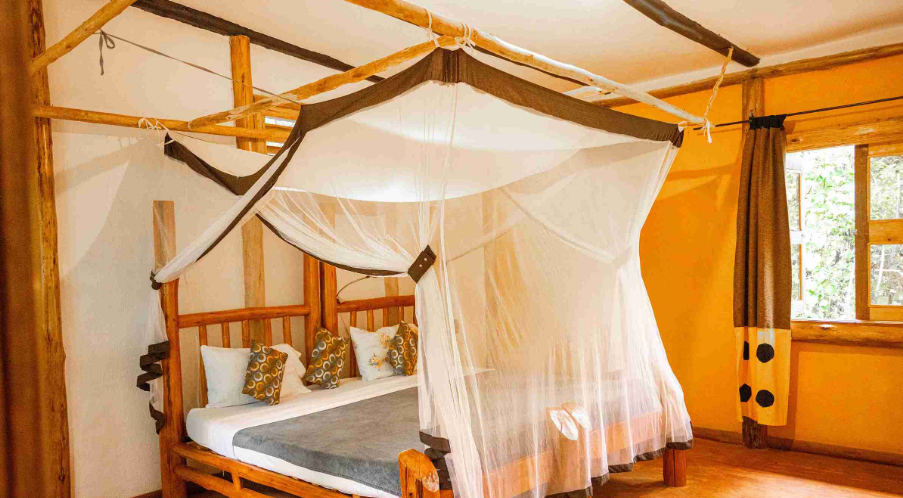
Lomami National Park is located in the Democratic Republic of Congo and protects a vast area of tropical rainforest. The park was established to conserve important ecosystems and wildlife in the central Congo Basin.
It is particularly significant because of its exceptional biodiversity and the presence of rare and endemic species.
The park is known for its remarkable primate diversity. Wildlife enthusiasts may have opportunities to learn about species such as the bonobo, the Lomami red colobus, the Lesula monkey, and other forest primates.
The park also provides habitat for forest elephants, okapis, Congo peafowl, and numerous bird species.
Unlike popular safari destinations with extensive lodge networks, Lomami remains relatively undeveloped for mass tourism. Visitors should therefore approach a safari here with realistic expectations.
The experience is more about exploration, conservation, and wilderness immersion than luxury accommodation.
For travelers interested in exploring other remarkable destinations in the region, consider combining your adventure with a visit to Kahuzi Biega National Park] or exploring a wider Congo safari experience].
Types of Lomami National Park Accommodation
Accommodation around Lomami National Park can vary significantly depending on your travel route, safari operator, and the specific area you plan to explore.
Travelers should always confirm accommodation arrangements before departure because facilities and availability may change.
Safari Camps
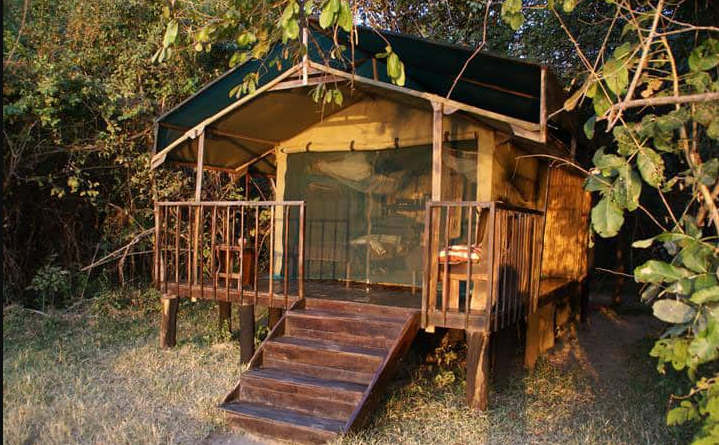
Safari camps are among the most suitable accommodation options for travelers exploring remote areas around Lomami National Park. These camps may provide a simple but immersive experience close to nature.
Depending on the camp, facilities can include tents, beds, basic bedding, dining areas, and shared sanitation facilities. Some camps may be temporary or seasonal, especially when organized for specific research, conservation, or expedition activities.
The main advantage of staying in a safari camp is the opportunity to experience the rainforest environment directly. Nights can be peaceful, with the sounds of insects, birds, and other wildlife creating a memorable atmosphere.
Travelers should not expect the same level of luxury found in established safari destinations such as Kenya or Tanzania. Instead, camping in this region is best suited to visitors who value adventure and wilderness experiences.
Community-Based Accommodation
Community-based accommodation may provide another option for visitors traveling near the park. Local communities surrounding protected areas often play an important role in conservation and tourism.
Staying in community accommodation can allow visitors to interact with local people and learn more about their traditions, livelihoods, and relationship with the forest. Such experiences can add an important cultural dimension to a safari.
Facilities are usually basic, but the experience can be highly rewarding. Travelers should respect local customs and follow guidance from their hosts and safari leaders.
Community tourism can also contribute to local economies. When managed responsibly, tourism creates incentives for communities to support conservation and protect natural resources.
Guesthouses and Simple Lodges
Depending on your route, you may find guesthouses or simple accommodation facilities in towns and settlements outside the park. These options can be useful before or after entering the wilderness.
Guesthouses may offer basic rooms, beds, meals, and sanitation facilities. Standards vary considerably, so travelers should confirm what is included before booking.
For visitors who prefer a more comfortable bed after a long journey, staying in a nearby town before beginning a park expedition can be a practical solution.
A safari operator familiar with the region can help identify suitable accommodation based on your travel route and budget.
Expedition-Style Camping
For travelers joining a specialized wildlife or conservation expedition, expedition-style camping may be part of the journey. This type of accommodation is designed primarily for remote exploration.
Travelers may sleep in tents and travel with essential supplies, cooking equipment, and sanitation facilities. The experience can be physically demanding, particularly in humid rainforest conditions.
Expedition camping is best suited to adventurous travelers who are comfortable with limited facilities. It can provide an exceptional opportunity to experience the Congo rainforest away from conventional tourism infrastructure.
What to Expect From Lomami National Park Accommodation
Visitors planning a trip should understand that Lomami National Park accommodation is generally more basic than accommodation in Africa’s established safari destinations.
The park’s remote location presents logistical challenges. Roads can be difficult, infrastructure is limited, and some areas may require long journeys by road, boat, or other forms of transport.
Travelers should therefore prepare for basic accommodation facilities, limited electricity or solar power, long travel distances, Unpredictable weather conditions, Possible changes to planned accommodation
These conditions should not discourage adventurous travelers. Instead, they are part of the experience of visiting one of Central Africa’s less-explored wilderness destinations.
Choosing the Best Accommodation for Your Lomami Safari
The best Lomami National Park accommodation depends on your travel preferences, budget, itinerary, and level of adventure.
If you prefer comfort, consider staying in a guesthouse or lodge outside the park before and after your wilderness activities. This allows you to enjoy a more comfortable environment while still experiencing the rainforest during guided excursions.
If you want a deeper connection with nature, a safari camp or expedition camp may be more suitable. These options allow you to spend more time in remote areas and experience the sounds and atmosphere of the forest.
Travelers interested in cultural experiences may also consider community-based accommodation where available. This can provide opportunities to interact with local communities and understand the human side of conservation.
Before booking, ask your tour operator about the exact location of your accommodation, available facilities, meal arrangements, transportation, and emergency procedures.
Accommodation for Wildlife Researchers and Conservation Travelers
Lomami National Park is especially important for researchers and conservationists studying the biodiversity of the Congo Basin.
Research teams may spend extended periods in remote forest areas. Accommodation during these projects is often based around temporary field camps designed to support scientific work rather than conventional tourism.
Field camps typically prioritize practical needs such as sleeping arrangements, food preparation, equipment storage, and research activities.
Travelers joining conservation-focused experiences should understand that these facilities may be very basic. However, they offer an opportunity to experience the realities of rainforest conservation and wildlife research.
The work carried out in and around Lomami is important for understanding the park’s wildlife and protecting threatened species. Responsible tourism can complement these conservation efforts by creating greater awareness of the park’s ecological importance.
What to Pack for Your Lomami National Park Stay
Packing correctly is essential when visiting a remote destination like Lomami National Park. Your accommodation may not provide everything you need, so preparation is important.
Consider packing, Lightweight, breathable clothing, Long-sleeved shirts and trousers, Comfortable hiking shoes, Waterproof hiking boots, Lightweight rain jacket, Waterproof bags for electronics, Personal medications, Small backpack for daily excursions
The Congo rainforest is humid and receives significant rainfall, so waterproof protection is particularly important.
If you plan to spend several nights camping, ask your tour operator whether tents, sleeping bags, mattresses, and other camping equipment are provided.
Best Time to Visit Lomami National Park
The best time to visit Lomami National Park depends on your interests and the specific activities included in your itinerary.
The Congo Basin experiences a tropical climate, with rainfall occurring throughout much of the year. Some periods may be wetter than others, which can affect road conditions and access to remote areas.
Drier periods may make some travel routes easier, although rainforest conditions can remain humid and wet even during relatively drier months.
Wildlife viewing can also vary according to seasonal conditions. Travelers interested in primates, birds, or forest wildlife should discuss the timing of their trip with an experienced local tour operator.
Because accommodation and transportation options are limited, early planning is highly recommended.
How to Book Lomami National Park Accommodation
Booking accommodation for a Lomami National Park safari requires more planning than booking a conventional hotel holiday.
The first step is to identify your preferred itinerary and the areas you intend to visit. Your accommodation will depend heavily on your route and the activities included in your safari.
Next, work with a reputable safari operator that understands the logistics of traveling in the Democratic Republic of Congo. The operator can help arrange transportation, accommodation, guides, permits, and other essential services.
Before confirming your booking, ask for details about, Accommodation location, Room or tent type, Internet access, Transportation, Guided activities, Emergency support, Cancellation policies
Because conditions in remote destinations can change, flexibility is important.
Is Lomami National Park Suitable for Luxury Travelers?
Lomami National Park is not currently known as a traditional luxury safari destination. Travelers seeking five-star lodges, swimming pools, gourmet dining, and extensive hospitality services may find the destination challenging.
Instead, Lomami appeals to travelers who prioritize wildlife, exploration, conservation, and authentic wilderness experiences.
That said, you can still make your trip more comfortable by combining your wilderness experience with higher-quality accommodation in major cities or towns before and after your park visit.
A well-organized itinerary can balance adventure with comfort. You might spend several nights in simple camps during your forest experience and then stay in a more comfortable hotel at the beginning or end of your journey.
Responsible Tourism and Accommodation
Responsible tourism is especially important in remote destinations like Lomami National Park.
Travelers should choose operators that support conservation and respect local communities. Where possible, tourism should provide benefits to local people while minimizing environmental impacts.
Visitors should avoid littering, respect wildlife, follow park regulations, and minimize unnecessary plastic waste.
When staying in community-based facilities, travelers should also respect local customs and traditions. Ask permission before photographing people and follow the guidance of local hosts.
Responsible travel helps protect the environment and contributes to the long-term development of tourism in the region.
Combining Lomami National Park With Other Congo Attractions
A trip to Lomami National Park can potentially be combined with other destinations in the Democratic Republic of Congo, depending on security conditions, transportation, and available travel arrangements.
Travelers may consider exploring other protected areas or cultural attractions as part of a longer Congo adventure.
For primate enthusiasts, Kahuzi Biega National Park is an important destination known for eastern lowland gorillas. Visitors interested in Congo’s broader wildlife heritage can also explore other conservation areas with a qualified local operator.
A multi-destination itinerary can provide a more comprehensive understanding of the Democratic Republic of Congo’s remarkable biodiversity.
However, travel logistics should be carefully planned. Distances can be considerable, and transportation between remote destinations may take longer than expected.
Frequently Asked Questions About Lomami National Park Accommodation
Where can I stay when visiting Lomami National Park?
Accommodation options depend on your itinerary and travel route. Visitors may use safari camps, expedition-style camps, community-based accommodation, or guesthouses outside the park.
Is there luxury accommodation inside Lomami National Park?
Lomami National Park is a remote and developing tourism destination, so luxury lodge options are limited. Most visitors should expect basic or expedition-style accommodation.
Can I camp in Lomami National Park?
Camping may be possible as part of an organized expedition or safari. Travelers should arrange camping with a qualified operator and follow all park regulations.
Should I book accommodation in advance?
Yes. Because accommodation options are limited, advance planning is strongly recommended. Your safari operator should confirm accommodation before you travel.
What should I expect from the facilities?
Facilities can be basic, especially in remote areas. Depending on the accommodation, you may have simple sleeping arrangements, limited electricity, basic sanitation, and restricted internet connectivity.
Is Lomami National Park good for adventurous travelers?
Yes. Lomami is particularly appealing to adventurous travelers interested in remote wilderness, wildlife conservation, rainforest exploration, and unique cultural experiences.
Final Thoughts on Lomami National Park Accommodation
Choosing suitable Lomami National Park accommodation is an important part of planning a successful Congo rainforest adventure. Unlike popular safari destinations with extensive networks of luxury lodges, Lomami offers a more remote and authentic experience.
Travelers should be prepared for simple facilities, limited infrastructure, and changing conditions. However, these challenges are balanced by the opportunity to explore an extraordinary wilderness area with exceptional biodiversity.
Whether you choose a safari camp, community-based accommodation, guesthouse, or expedition-style camp, the most important thing is to work with an experienced operator who understands the destination.
For travelers seeking an authentic African adventure away from crowded tourist routes, Lomami National Park can offer an unforgettable experience. With careful preparation, responsible travel practices, and the right accommodation arrangements, your journey into the Congo rainforest can become one of the most memorable wildlife adventures of your life.