How Difficult Is Gorilla Trekking in Mgahinga? A Realistic Guide
How difficult is gorilla trekking in Mgahinga? It is the question most travelers ask immediately after booking their permit. Uganda’s Mgahinga Gorilla National Park sits on the slopes of three Virunga volcanoes in the country’s southwestern corner. Consequently, gorilla trekking here involves volcanic terrain, significant altitude, and steep forest trails that differ noticeably from most other hiking experiences. However, the difficulty is manageable for travelers with reasonable fitness who prepare appropriately. Furthermore, the encounter waiting at the end of the trek makes every challenging step entirely worthwhile. This guide provides a completely honest, realistic assessment of how difficult gorilla trekking in Mgahinga is. It covers terrain, altitude effects, trek duration, fitness requirements, and exactly how to prepare. To plan your Mgahinga visit, browse our Uganda gorilla trekking packages today.
The Short Honest Answer
How difficult is gorilla trekking in Mgahinga? The honest answer is: moderately to significantly challenging, depending on where the gorillas are on any given day. Furthermore, Mgahinga sits at a higher starting altitude than most Bwindi trekking sectors. The volcanic slopes are steeper and the terrain less forgiving than some alternative gorilla destinations.
However, thousands of visitors of all ages and fitness levels complete the Mgahinga trek successfully every year. Consequently, difficulty should be understood as relative rather than absolute. A fit, active person will find it a satisfying but manageable challenge. An unfit traveler who has not prepared may find it genuinely exhausting. Therefore, honest self-assessment and advance preparation are the most important factors in having a positive experience. Our gorilla trekking in Mgahinga National Park guide covers all other aspects of planning your visit.
Understanding What Makes Mgahinga Challenging
Starting Altitude
The primary factor that makes gorilla trekking in Mgahinga harder than many travelers expect is altitude. Treks begin at the park headquarters near Ntebeko village at approximately 2,200 metres above sea level. This is already higher than the starting point of most Bwindi gorilla treks, which typically begin between 1,600 and 1,900 metres.
Furthermore, the Nyakagezi gorilla family, the only habituated group in Mgahinga, moves across the volcanic slopes throughout each day and overnight. On days when the family has climbed to higher elevations, treks reach altitudes of 2,600 metres or above. Consequently, altitude fatigue is a genuine factor for visitors arriving directly from low-elevation environments. Additionally, even physically fit travelers who are not altitude-acclimatized sometimes experience breathlessness and slower walking pace than expected.
Spending one night in Kisoro or at the park before trekking helps the body begin adjusting. Therefore, arriving the day before your trek rather than on the morning of departure makes a meaningful practical difference.
Volcanic Terrain
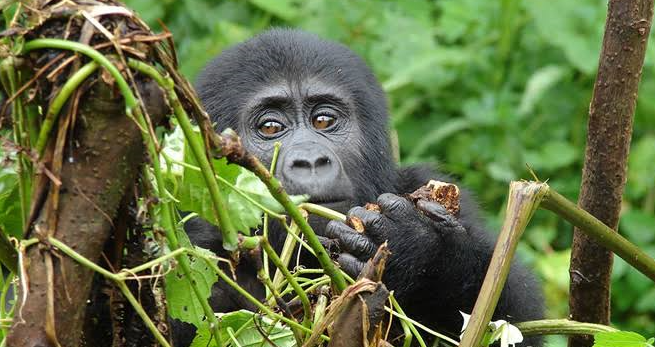
The volcanic slopes of Mgahinga are steep, uneven, and frequently slippery. Unlike well-maintained hiking trails in temperate destinations, the forest tracks in Mgahinga follow the natural contours of volcanic ridges and gullies. Consequently, trekkers navigate exposed roots, loose stones, muddy slopes, and dense vegetation simultaneously.
Furthermore, the terrain changes character rapidly. A stretch of open bamboo forest gives way without warning to a steep scramble over rocky volcanic outcrops. Additionally, wet season rains make every surface significantly more treacherous. Therefore, footwear choice matters enormously on this particular trek.
Trek Duration Variability
How difficult is gorilla trekking in Mgahinga also depends significantly on that day’s trek duration. Duration is entirely determined by where the Nyakagezi family has traveled overnight. Rangers cannot predict this in advance with certainty.
On some days, the gorillas rest close to their overnight nesting sites near lower elevations. In these cases, the trek lasts approximately one to two hours. Consequently, these shorter days feel manageable even for less fit visitors. However, on days when the family has climbed significantly higher, treks extend to four or five hours of continuous uphill hiking at altitude. Therefore, every visitor should prepare physically for a long, challenging day even if their particular trek turns out shorter.
Fitness Requirements for Gorilla Trekking in Mgahinga
Minimum Fitness Level
A baseline of moderate physical fitness is genuinely necessary for gorilla trekking in Mgahinga. You should be able to walk uphill continuously for at least two hours without stopping frequently to rest. Furthermore, you should be comfortable on uneven ground without losing your footing regularly.
If you walk regularly, swim, cycle, or participate in any aerobic activity several times per week, you likely have sufficient baseline fitness. However, if your daily activity level is low and you rarely exercise, the trek will be genuinely difficult and may reduce your enjoyment of the gorilla encounter. Consequently, beginning a light fitness program several weeks before your trek is strongly advisable if your current activity level is minimal.
Age and Health Considerations
Age alone does not determine trekking ability. Many visitors in their 60s and 70s complete gorilla trekking in Mgahinga successfully. Consequently, chronological age is far less important than current physical condition and recent activity level.
However, certain health conditions require specific consideration. High blood pressure and heart conditions are affected by altitude and physical exertion. Furthermore, asthma, severe arthritis, and recent surgery may limit your ability to manage the terrain safely. Therefore, consult your doctor before booking if you have any significant underlying health condition. Additionally, the World Health Organization altitude sickness guidelines provide useful context for understanding how altitude affects the body during physical activity.
Fitness Preparation Timeline
Starting preparation at least four to six weeks before your trek delivers noticeable improvement. Furthermore, the specific muscle groups used during steep uphill hiking are different from those used in flat walking or cycling. Therefore, incorporating uphill walking, stair climbing, and uneven terrain practice into your preparation routine is more effective than flat-surface cardio alone.
A practical preparation plan might include three to four uphill walks per week on moderately steep terrain. Additionally, carrying a loaded daypack during preparation walks simulates trek conditions more accurately than walking unloaded. Consequently, your legs, lungs, and balance adapt to conditions closer to what you will actually face in Mgahinga.
How Difficult Is Gorilla Trekking in Mgahinga Compared to Bwindi?
This comparison matters for travelers choosing between the two Uganda gorilla destinations. Gorilla trekking in Mgahinga is generally considered more physically demanding than most Bwindi sectors. Furthermore, Bwindi’s four trekking sectors vary considerably in difficulty, with Buhoma and Ruhija being more challenging and Rushaga and Nkuringo offering varying experiences.
Mgahinga’s combination of higher starting altitude and steeper volcanic terrain consistently produces a harder physical experience than the average Bwindi trek. Consequently, travelers with limited fitness who are concerned about difficulty often find Bwindi’s Buhoma or Rushaga sectors more manageable options.
However, Mgahinga rewards the extra effort with a quieter, more exclusive atmosphere and extraordinary volcanic scenery unavailable at Bwindi. Additionally, golden monkey tracking is available exclusively at Mgahinga. Therefore, the greater physical challenge comes with genuine compensating advantages. Our Bwindi vs Mgahinga comparison guide explores this decision in comprehensive detail.
What the Trek Actually Feels Like: Hour by Hour
Understanding what gorilla trekking in Mgahinga actually feels like moment to moment helps calibrate realistic expectations.
7:30 AM — Briefing: Rangers gather all visitors at park headquarters. The briefing covers safety rules, gorilla behavior, and health protocols. Energy levels are high and anticipation is palpable. Furthermore, the mountain air at this elevation feels noticeably cooler and thinner than at lower altitudes.
8:00 AM — First Hour: The trail begins climbing almost immediately. Bamboo forest surrounds the path as you ascend. The first hour tests your cardiovascular system as the body adjusts to sustained uphill effort at altitude. Consequently, setting a slow, steady pace during this phase prevents premature exhaustion.
Hour Two to Three: The terrain steepens further as altitude increases. Furthermore, vegetation changes from bamboo to denser Hagenia woodland. Roots and rocks require careful foot placement. Your guide sets a pace designed for the slowest member of the group. Additionally, rest stops occur naturally when the ranger checks in with trackers via radio. Therefore, use every pause to breathe, hydrate, and observe the forest surroundings.
Finding the Gorillas: When trackers confirm the gorilla family’s position, excitement overrides fatigue immediately. Ranger guides signal the group to slow down and observe silence. The final approach through dense vegetation toward the gorillas is often on hands and knees through thick undergrowth. Furthermore, leaving your daypack with a ranger for this final section reduces bulk and improves mobility.
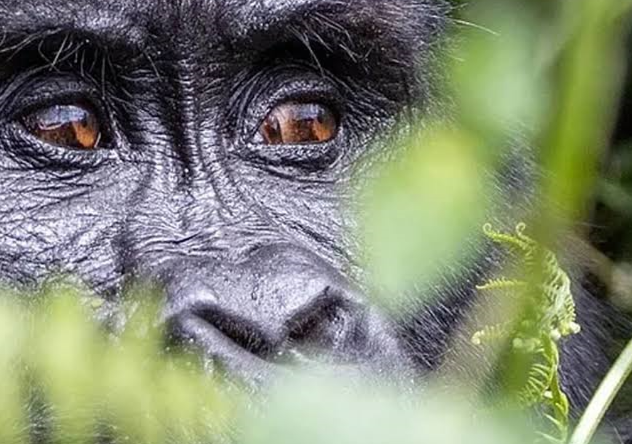
The One-Hour Encounter: Once with the gorillas, physical exertion stops entirely. You stand, crouch, or sit observing the family at close range. The Nyakagezi silverback may approach within two metres. Mothers nurse infants. Juveniles play noisily overhead. Consequently, the physical difficulty of the approach completely disappears from your awareness during this extraordinary hour.
The Return Trek: Descending is faster but harder on knees and ankles than ascending. Furthermore, tiredness accumulated during the ascent makes concentration on footing more important during the descent. Take the downhill at a measured pace rather than rushing. Additionally, trekking poles or a walking stick significantly reduce knee strain on the way down.
Essential Gear for Managing Mgahinga Trek Difficulty
The right gear reduces the physical challenge of gorilla trekking in Mgahinga considerably.
Footwear: Waterproof hiking boots with ankle support are non-negotiable. Furthermore, boots with aggressive rubber soles grip muddy volcanic terrain far better than trail runners or sneakers. Break your boots in before the trek, new boots cause blisters during extended uphill walking.
Trekking Poles: A telescoping trekking pole or wooden walking stick provides balance on steep ascents and protects knees during descents. Additionally, using both hands frees you to use vegetation as handholds on particularly steep sections. Consequently, poles are among the most effective gear investments for managing Mgahinga’s terrain.
Clothing Layers: The volcanic slopes experience rapid temperature and weather changes. Wear moisture-wicking base layers beneath a fleece and a waterproof outer jacket. Furthermore, long trousers protect against stinging nettles and forest insects throughout the trek. Gardening gloves protect hands when gripping vegetation on steep scrambles.
Hydration: Carry at least two litres of water in your daypack. Altitude increases dehydration rate even when sweating is not obvious. Consequently, drink regularly throughout the trek rather than waiting until thirsty. Additionally, energy snacks such as nuts, dried fruit, or energy bars provide caloric support during longer treks.
Hiring a Porter: The Single Best Decision for Managing Difficulty
If you are concerned about how difficult gorilla trekking in Mgahinga will be for you personally, hire a porter. This single decision makes more difference to your experience than any other preparation measure.
Porters are available at the park headquarters before each trek. They carry your daypack, freeing you from the additional weight that accumulates significance over steep volcanic terrain. Furthermore, porters provide physical assistance on challenging sections, offering a hand, steadying your footing, and guiding you through dense undergrowth.
Additionally, porter hire fees provide direct income to local community members whose livelihoods depend on sustainable tourism. Therefore, hiring a porter is simultaneously beneficial for your physical experience and for the community surrounding Mgahinga. Porter fees are modest, approximately USD 15 to USD 20 per trek. Consequently, the investment is negligible relative to the total trip cost and the improvement in experience it delivers.
Who Should Not Trek at Mgahinga
Being honest about limitations serves travelers better than false encouragement. Several situations genuinely warrant reconsidering gorilla trekking in Mgahinga specifically.
Travelers with severe mobility limitations, recent major surgery, or serious cardiovascular conditions face genuine safety risks on volcanic terrain at altitude. Furthermore, active respiratory infections prevent participation regardless of fitness level, the minimum age and health rules exist to protect both visitors and the gorillas.
Additionally, visitors who cannot walk uphill for 30 continuous minutes at a comfortable pace without stopping frequently should consider honestly whether Mgahinga’s demands are appropriate for their current condition. Consequently, choosing Bwindi’s more accessible sectors or postponing the trek until fitness improves preserves the quality of the experience for everyone in the group.
Difficulty Rating Summary
| Factor | Rating | Notes |
|---|---|---|
| Starting Altitude | High | Approximately 2,200m — higher than most Bwindi sectors |
| Terrain | Moderate–Steep | Volcanic, uneven, slippery in rain |
| Trek Duration | Variable | 1–5 hours depending on gorilla location |
| Overall Difficulty | Moderate–Challenging | Harder than average gorilla trek |
| Fitness Required | Moderate–Good | Regular walking/hiking background helpful |
| Best Mitigator | Porter hire | Reduces physical load and provides assistance |
| Compared to Bwindi | More demanding | Especially compared to Rushaga sector |
Final Thoughts: How Difficult Is Gorilla Trekking in Mgahinga?
How difficult is gorilla trekking in Mgahinga? It is genuinely challenging, more so than many gorilla trekking experiences elsewhere. However, it is absolutely achievable for travelers who prepare physically, choose appropriate gear, and hire a porter when needed. Furthermore, the Nyakagezi gorilla family and Mgahinga’s extraordinary volcanic setting make the effort entirely worthwhile.
Our team provides detailed pre-trek preparation advice alongside every Mgahinga booking. We match each traveler to the right gorilla destination based on fitness and experience level. Contact us today to plan your Mgahinga gorilla trek with full support from start to finish.