
Discover the Endemic Animals of Lomami National Park

The endemic animals of Lomami National Park represent some of the most fascinating and least-known wildlife in the Democratic Republic of the Congo.
Located in the heart of the Congo Basin, this vast protected area contains enormous tropical forests that shelter rare mammals, unusual primates, birds, and other wildlife found nowhere else or rarely seen outside Central Africa.
Lomami National Park is one of Africa’s most important emerging conservation landscapes. Its remote forests support remarkable biodiversity, the rare okapi, forest elephants, Congo peafowl, and several species of primates.
Some animals are endemic to the wider Congo Basin, while others have restricted ranges or are particularly important to the ecosystems of Lomami.
For wildlife enthusiasts, researchers, photographers, and adventurous travelers, exploring the endemic animals of Lomami National Park offers an opportunity to discover a part of Africa that remains largely unexplored.
The park’s remote location and challenging terrain have helped protect its forests from extensive human disturbance, allowing rare species to survive in their natural habitats.
This guide explores the most remarkable wildlife associated with Lomami National Park, explains why the park is important for conservation, and highlights what makes its animal species unique.

Where Is Lomami National Park?
Lomami National Park is located in the Democratic Republic of the Congo in Central Africa. The park covers a vast area of tropical rainforest between the Lomami and Lualaba Rivers.
Established in 2016, the park protects approximately 8,879 square kilometers of wilderness. It forms part of a much larger forest landscape that is vital for wildlife conservation in the Congo Basin.
The park’s forests are characterized by dense vegetation, rivers, wetlands, and remote wilderness areas. These habitats provide food and shelter for many species, including several rare and threatened animals.
Because of its isolation, Lomami remains one of the lesser-known national parks in Africa. However, its biodiversity has attracted increasing interest from conservationists and scientists who continue to study its unique wildlife.
Why Are Lomami National Park’s Animals Special?
The wildlife of Lomami National Park is special because the park protects species with limited geographic ranges and animals that are increasingly threatened in other parts of Central Africa.
Scientific research in the region has revealed important populations of rare primates and other mammals.
The discovery of the lesula monkey in the forests of Lomami was particularly significant because it demonstrated how much wildlife remains unknown to science in the Congo Basin.
The park also protects important habitats for bonobos, which are found only in the Democratic Republic of the Congo. These intelligent great apes are among the world’s most endangered primates.
Other important wildlife includes okapis, African forest elephants, Congo peafowl, red-tailed monkeys, colobus monkeys, and numerous forest-dwelling species.
Together, these animals make Lomami National Park a critical stronghold for Central African biodiversity.
Lesula Monkey A Remarkable Primate of Lomami
One of the most fascinating animals associated with Lomami National Park is the lesula monkey, scientifically known as Cercopithecus lomamiensis.
The species was scientifically described in 2012 after researchers documented its existence in the remote forests of the Democratic Republic of the Congo.
Its discovery was one of the most important new mammal discoveries of the 21st century.
The lesula has a distinctive appearance. It has a relatively bare face, a golden-brown body, and a gentle expression.
The species lives in lowland rainforest environments and feeds primarily on fruits, leaves, flowers, and other plant material.
The discovery of the lesula highlighted the extraordinary biological importance of the Congo Basin. It also showed that large areas of Central Africa still contain species that are poorly understood by science.
For visitors interested in the endemic animals of Lomami National Park, the lesula is one of the most exciting species to learn about.
Bonobos Congo’s Unique Great Apes
Bonobos are among the most famous animals found in the forests of the Democratic Republic of the Congo. They are closely related to chimpanzees and share many physical characteristics with them.
Unlike chimpanzees, however, bonobos are known for their highly social behavior and complex relationships within groups.
They live in communities that can include many individuals and communicate through vocalizations, facial expressions, gestures, and physical contact.
Lomami National Park protects important bonobo habitat. The forests provide food sources such as fruits, seeds, leaves, and flowers.
Bonobos are endangered because of habitat loss, hunting, and the illegal wildlife trade. Protecting their forest habitat is therefore essential to their long-term survival.
Visitors hoping to experience the endemic animals of Lomami National Park should understand that seeing bonobos in the wild requires patience and specialized conservation-based tourism arrangements. Their remote habitat means wildlife encounters are not guaranteed.
Okapi The Forest Giraffe
The okapi is one of the most unusual mammals in Central Africa. Although it has zebra-like stripes on its legs, the okapi is actually the closest living relative of the giraffe.
Okapis are shy forest animals that live in dense tropical rainforest. Their striped markings help them blend into the patterns of light and shadow created by vegetation.
The Democratic Republic of the Congo is the only country where okapis occur naturally. Their restricted range makes them an important symbol of Congo’s unique biodiversity.
Although the okapi is not exclusive to Lomami National Park, its presence within the wider Congo rainforest landscape demonstrates the importance of protecting large areas of intact forest.
The animal faces threats from habitat destruction, illegal hunting, and mining activities. Conservation of protected areas is therefore essential for maintaining viable okapi populations.
African Forest Elephant
The African forest elephant is another important species associated with the Congo Basin rainforest.
Smaller than the African savanna elephant, the forest elephant has adapted to life in dense tropical forests. It plays an important ecological role by dispersing seeds across large distances.
Forest elephants help maintain the health and diversity of rainforest ecosystems. As they move through the forest, they create paths and spread seeds from fruits they consume.
However, forest elephants have suffered major population declines due to poaching and habitat loss. Protecting large forest landscapes such as Lomami National Park is therefore vital for their future.
Seeing an elephant in the dense Congo rainforest can be a remarkable experience. However, encounters are unpredictable, particularly in remote wilderness areas.
Congo Peafowl
The Congo peafowl is one of Africa’s most distinctive forest birds. It is also the only true species of peafowl native to Africa.
Unlike the spectacular blue peacock of South Asia, the Congo peafowl has a more subtle appearance that helps it remain hidden in dense forest vegetation.
The species is associated with the central African rainforest and is considered an important indicator of healthy forest ecosystems.
Its presence highlights the remarkable diversity of birds found within the Congo Basin. Birdwatchers exploring the region may also encounter hornbills, turacos, kingfishers, parrots, and many other forest species.
For bird enthusiasts, searching for the Congo peafowl adds another exciting dimension to exploring the endemic animals of Lomami National Park and the wider Congo rainforest.
Red Tailed Monkeys
Red-tailed monkeys are among the colorful primates found in Central African forests. They are known for their expressive faces, reddish tail markings, and social behavior.
These monkeys spend much of their lives in trees, where they search for fruits, seeds, leaves, and insects.
Their ability to move through the forest canopy makes them fascinating animals to observe. However, dense vegetation can make wildlife viewing challenging.
Red-tailed monkeys contribute to the health of rainforest ecosystems through their feeding habits and role in seed dispersal.
Their presence adds to the remarkable variety of primates that make the Congo Basin one of the world’s most important regions for monkey and ape conservation.
Colobus Monkeys
Colobus monkeys are another group of primates that contribute to the diversity of Lomami’s forests.
They are highly adapted to life in the forest canopy. Their long limbs and specialized digestive systems allow them to consume large quantities of leaves and other plant material.
Several colobus species occur across Central Africa. Their distribution varies by species and habitat.
Colobus monkeys are particularly vulnerable to habitat loss because they depend heavily on mature forest environments.
Protecting the forests of Lomami National Park helps preserve the ecological conditions required by these remarkable primates and many other species.
Other Rare Primates of the Congo Basin
The forests surrounding Lomami National Park contain an extraordinary variety of primates. In addition to bonobos and lesulas, the wider landscape supports several species of monkeys.
These may include guenons, mangabeys, and other forest primates. Each species occupies a specific ecological niche and contributes to the complex food web of the rainforest.
Some species are relatively common, while others are rarely observed because they live deep within remote forest habitats.
For researchers, the diversity of primates in the region provides opportunities to study behavior, ecology, evolution, and conservation.
For travelers, it reinforces the importance of responsible tourism that minimizes disturbance to wildlife and supports local conservation efforts.
Forest Birds and Unique Wildlife
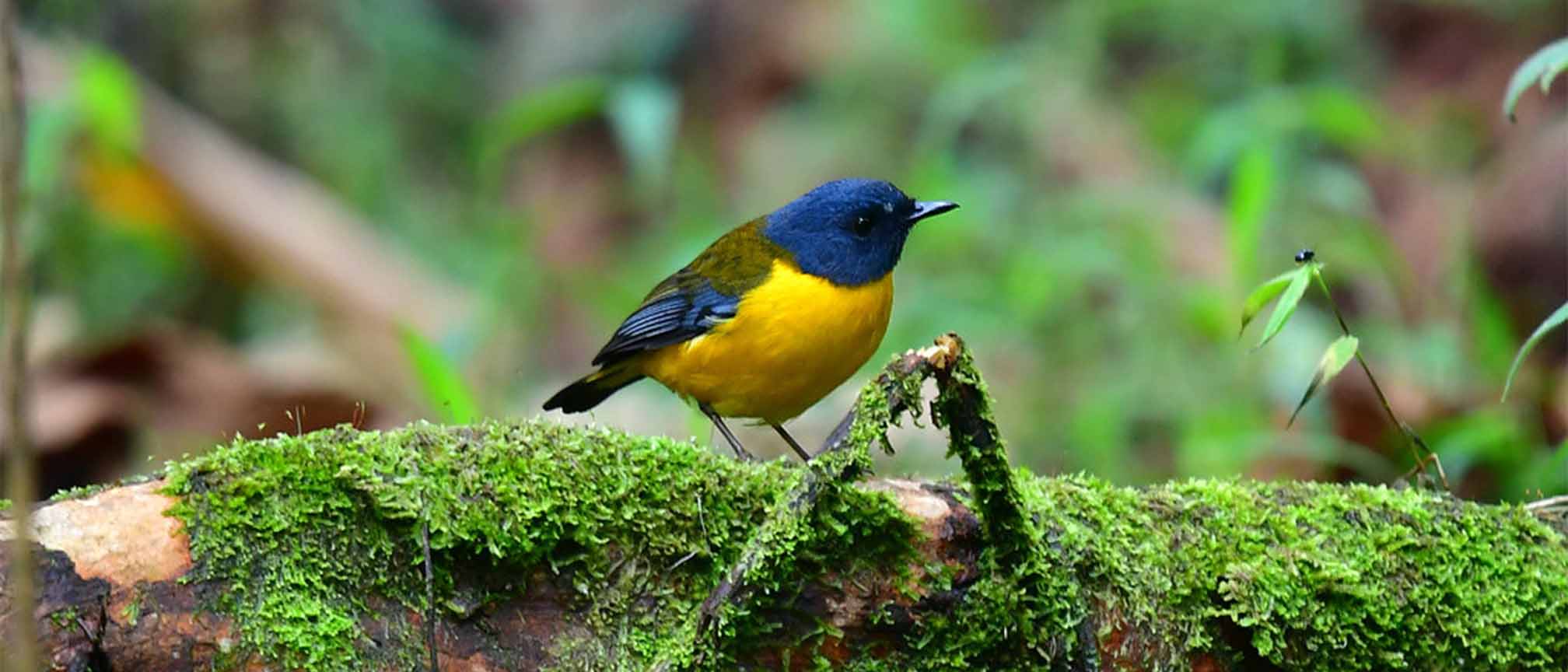
Lomami National Park is not only important for mammals. Its forests also support a wide range of bird species.
Birdlife in the Congo Basin includes colorful turacos, hornbills, kingfishers, parrots, sunbirds, and numerous smaller forest birds.
Some species are difficult to spot because they spend much of their time high in the canopy. Others reveal their presence through distinctive calls.
Birdwatching in remote rainforest environments requires patience and experienced guides. Early mornings are often particularly productive because birds are more active during the cooler hours.
Exploring the birdlife of Lomami can provide a deeper understanding of the biodiversity that exists beyond the park’s famous mammals.
Why Conservation of Lomami National Park Matters
The conservation of Lomami National Park is important because the park protects one of the world’s great tropical rainforest ecosystems.
The Congo Basin is the second-largest tropical rainforest in the world after the Amazon. Its forests store carbon, regulate regional climate, support rivers, and provide livelihoods for millions of people.
Wildlife conservation also protects species that cannot survive without large areas of intact forest.
Animals such as bonobos, forest elephants, okapis, and rare monkeys face increasing pressure from human activities. Conservation programs help reduce threats while supporting scientific research and community engagement.
Protecting the endemic animals of Lomami National Park is therefore not only about saving individual species. It is also about preserving an entire ecosystem for future generations.
Threats Facing the Endemic Animals of Lomami National Park
Despite its protected status, Lomami National Park faces several conservation challenges.
Poaching
Illegal hunting is a major threat to wildlife across Central Africa. Bushmeat hunting can reduce populations of forest mammals and primates.
Habitat Loss
Agricultural expansion, logging, and infrastructure development can fragment wildlife habitats.
Illegal Wildlife Trade
Some animals are targeted for the illegal wildlife trade, while others are captured as young animals after adults are killed.
Mining
Mining activities can damage forests, pollute waterways, and increase access to previously remote areas.
Climate Change
Changes in rainfall and temperature patterns may affect forests and the availability of food for wildlife.
Addressing these threats requires cooperation between conservation organizations, government authorities, local communities, researchers, and responsible tourism operators.
Best Time to Explore Lomami National Park
Travel conditions in the Congo Basin can vary significantly throughout the year.
The dry periods may provide better conditions for accessing some areas, although rain can still occur in tropical rainforest environments. During wetter periods, roads and trails may become more challenging.
The best time for a visit depends on your travel objectives, wildlife interests, and the specific area you plan to explore.
Because Lomami National Park is remote and tourism infrastructure remains limited, travelers should arrange their journeys well in advance and work with experienced local operators.
Responsible Wildlife Tourism in Lomami National Park
Responsible tourism can contribute to the conservation of the park and its wildlife.
Visitors should follow all park regulations and maintain a respectful distance from animals. Wildlife should never be fed, chased, or disturbed for photographs.
Travelers should also avoid purchasing products made from endangered wildlife and should support conservation initiatives whenever possible.
Choosing responsible tourism operators can help ensure that travel contributes positively to local communities and conservation.
The goal should always be to experience the beauty of the Congo rainforest while protecting the animals that make the ecosystem unique.
Frequently Asked Questions About Endemic Animals of Lomami National Park
What is the most famous endemic animal associated with Lomami National Park?
The lesula monkey is one of the most famous animals associated with Lomami because it was scientifically identified from the region and has a restricted geographic range.
Can you see bonobos in Lomami National Park?
Bonobos occur in the wider Lomami landscape, but wildlife encounters are not guaranteed. Visiting remote rainforest habitats requires specialized planning and experienced guides.
Are okapis endemic to Lomami National Park?
No. Okapis are endemic to the Democratic Republic of the Congo as a country, but they are not found exclusively in Lomami National Park.
Why is Lomami National Park important?
Lomami National Park protects a large area of Congo Basin rainforest that provides habitat for rare and threatened wildlife, including important primate populations.
Is Lomami National Park suitable for ordinary tourists?
The park is extremely remote and less developed for conventional tourism than famous African safari destinations. Travel requires careful planning and specialized arrangements.
Endemic Animals of Lomami National Park
The endemic animals of Lomami National Park represent the extraordinary biological richness of the Congo Basin. From the remarkable lesula monkey and endangered bonobo to forest elephants, okapis, Congo peafowl, and numerous other primates and birds, the park protects a wildlife heritage of global importance.
Lomami is a destination for travelers who want to discover Africa beyond the traditional safari routes. Its remote forests offer opportunities for scientific discovery, conservation research, and carefully managed wildlife experiences.
Protecting these forests is essential for the future of Central African wildlife. As conservation efforts continue, Lomami National Park has the potential to become one of the most important wildlife conservation landscapes in the Democratic Republic of the Congo.
For adventurous travelers planning a Congo wildlife experience, exploring the region with a knowledgeable and responsible safari operator can provide a deeper appreciation of its forests, wildlife, and conservation challenges.