Discover Egypt Beyond the Pyramids
Hidden Natural Wonders
When most travelers think about Egypt, they imagine ancient pyramids, magnificent temples, and the timeless Nile River. However, Egypt has another side that deserves equal attention.
Beyond its famous archaeological treasures lies a fascinating world of deserts, wetlands, mountains, coastal ecosystems, oases, and protected areas.
Egypt Wildlife and Birding Tours offer an opportunity to explore these lesser known natural wonders while discovering the country’s remarkable biodiversity.
From migratory birds resting along the Nile Valley to desert mammals surviving in harsh landscapes, Egypt provides rewarding experiences for nature lovers and wildlife enthusiasts.
The country’s geographical position makes it particularly interesting for birdwatchers. Egypt connects Africa, Europe, and Asia, creating an important migration route for thousands of birds. During migration seasons, wetlands, lakes, coastal areas, and riverbanks can become busy natural stopover points.
At the same time, Egypt’s diverse habitats support wildlife adapted to some of the world’s most challenging environments. You can explore desert landscapes, walk through lush oases, observe marine life in the Red Sea, and search for birds around freshwater wetlands.
This guide explores the hidden natural wonders that make Egypt Wildlife and Birding Tours an exciting addition to your Egypt travel plans.
Why Choose Egypt Wildlife and Birding Tours?
Egypt may not immediately come to mind when planning a wildlife holiday. However, its unique location and varied ecosystems make it a fascinating destination for nature based travel.
One of the biggest advantages is the country’s geographical diversity. Egypt stretches from the Mediterranean coast to the Sahara Desert and from the Nile Valley to the Red Sea. Each region offers different opportunities for wildlife observation.
Birdwatchers, in particular, can enjoy a wide variety of habitats within one country. Wetlands provide food and shelter for waterbirds, while desert regions attract specialized species that have adapted to extreme temperatures.
The Red Sea also adds another dimension to wildlife exploration. Its clear waters support colorful coral reefs and an impressive variety of marine species.
For travelers who want more than conventional sightseeing, nature tours provide a different perspective of Egypt. Instead of spending every day visiting monuments, you can combine cultural attractions with birdwatching, desert exploration, and marine adventures.
This combination makes Egypt especially appealing to travelers who want a well-rounded African experience.
Egypt’s Hidden Natural Wonders
Egypt’s natural attractions are spread across several unique environments. Exploring them allows visitors to experience a side of the country that many tourists never see.
From remote deserts to coastal wetlands, each ecosystem tells a different story.
The Nile River and Its Wetlands
The Nile is the lifeline of Egypt. For thousands of years, the river has supported human civilization. However, it is also essential for wildlife.
The river and surrounding wetlands provide habitats for many bird species. Along its banks, you may encounter herons, egrets, kingfishers, and other water-associated birds.
Early morning is often one of the best times to explore the Nile. Temperatures are cooler, and birds are generally more active.
A Nile-based birdwatching experience can also be combined with a traditional river cruise. This allows travelers to enjoy Egypt’s historical landmarks while keeping an eye out for wildlife along the riverbanks.
For serious birders, exploring less-developed sections of the Nile can offer better opportunities to observe birds away from busy tourist centers.
Lake Nasser A Vast Wildlife Landscape
Lake Nasser is one of Egypt’s most remarkable water bodies. Created by the construction of the Aswan High Dam, this enormous lake extends across a vast desert landscape.
Its shoreline provides habitat for birds and other wildlife. Birdwatchers may encounter waterbirds around the lake, particularly in areas where vegetation and shallow waters provide feeding opportunities.
The surrounding landscape is equally impressive. The contrast between blue water, golden desert, and distant mountains creates spectacular scenery.
Lake Nasser can be particularly appealing to travelers interested in combining birdwatching with cultural exploration. The region is home to important ancient sites, including temples that reflect the history of southern Egypt.
A journey around Lake Nasser therefore combines nature, archaeology, and dramatic desert scenery.
The Nile Delta A Birdwatcher’s Paradise
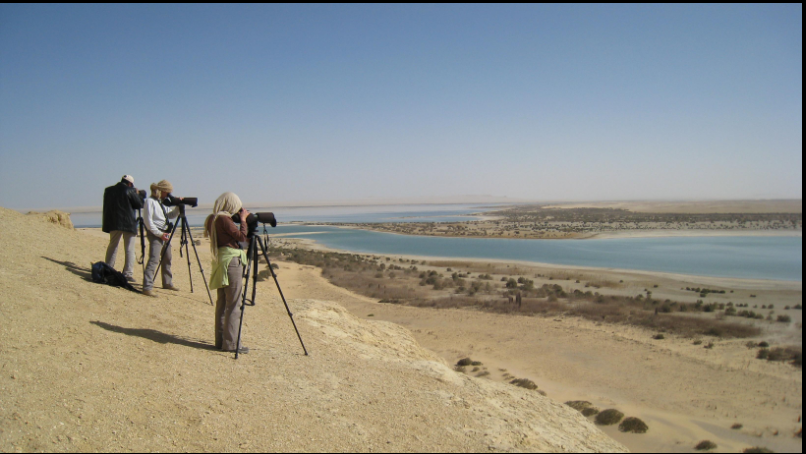
The Nile Delta is one of Egypt’s most important natural regions for birdwatching. Its wetlands, agricultural areas, lagoons, and waterways provide valuable habitats for birds.
The region is particularly interesting during migration periods. Birds traveling between Europe, Asia, and Africa may use wetlands in the Nile Delta as feeding and resting locations.
Depending on the season, visitors may have opportunities to observe ducks, waders, herons, egrets, gulls, terns, and other species.
The delta also demonstrates the close relationship between people and nature. Agricultural landscapes surround many wetland areas, creating a complex environment where wildlife and human communities exist side by side.
Birding in the Nile Delta is best undertaken with a knowledgeable local guide. Local expertise can help visitors identify suitable observation points while respecting private farmland and sensitive habitats.
Wadi El Rayan Desert Lakes and Wildlife
Located in the Fayoum region, Wadi El Rayan is a fascinating natural area where desert landscapes meet lakes and wetlands.
The contrast is striking. Golden desert scenery surrounds blue water, creating an ecosystem that supports birds and other wildlife.
The area is particularly attractive for birdwatchers because water sources in the desert can attract a surprising variety of species.
Visitors can explore the lakes and surrounding landscapes while enjoying the peaceful atmosphere away from Egypt’s busiest tourist destinations.
Wadi El Rayan is also known for its waterfalls, making it an interesting stop for travelers who want to combine nature photography with wildlife observation.
The best experiences often come from spending enough time in the area rather than rushing through it. Patient observers may notice birds feeding near the water or flying across the desert landscape.
Wadi El Hitan The Valley of the Whales
Wadi El Hitan, or the Valley of the Whales, is one of Egypt’s most extraordinary natural attractions.
Located in the Western Desert, the site contains fossils of ancient whales that lived millions of years ago. These fossils provide evidence of an important stage in the evolution of whales from land mammals to marine animals.
Although Wadi El Hitan is not primarily a birdwatching destination, it offers an important lesson about Egypt’s natural history.
The landscape itself is breathtaking. Vast desert formations surround fossil-rich areas, creating a unique environment for travelers interested in geology, paleontology, and conservation.
A visit to Wadi El Hitan can be combined with exploration of the wider Fayoum region. This creates an itinerary that includes birdwatching, desert scenery, archaeological attractions, and natural history.
Siwa Oasis Wildlife in the Western Desert
Siwa Oasis is one of Egypt’s most fascinating destinations. Located near the Libyan border, this remote oasis is surrounded by the vast Western Desert.
The oasis contains palm groves, salt lakes, freshwater springs, and agricultural areas. These different habitats create opportunities for observing birds and other wildlife.
The salt lakes are especially photogenic. Their unusual colors and surrounding desert scenery create an otherworldly landscape.
Birdwatchers can explore the oasis and its surrounding areas in search of species associated with water, palm groves, and desert environments.
Siwa is also culturally fascinating. Visitors can experience traditional communities, ancient ruins, and local architecture while enjoying the tranquility of an isolated desert destination.
For travelers seeking hidden natural wonders, Siwa offers a memorable combination of nature and culture.
The Red Sea Egypt’s Underwater Wildlife World
Egypt’s wildlife is not limited to land and birds. The Red Sea is home to one of the world’s most spectacular marine environments.
The region is famous for coral reefs, colorful fish, sea turtles, dolphins, and other marine species.
Destinations along the Red Sea coast offer opportunities for snorkeling and diving. Even travelers without diving experience can discover the beauty of underwater ecosystems through guided snorkeling excursions.
The clear water makes it easier to observe marine life close to the shore.
Marine wildlife experiences can be combined with desert adventures. Visitors may spend the morning snorkeling among coral reefs and later explore the surrounding desert by vehicle.
This combination makes the Red Sea particularly appealing to adventurous travelers.
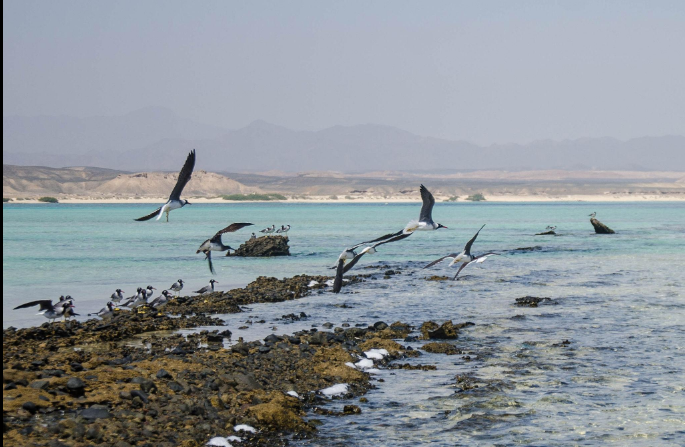
Birdwatching Along Egypt’s Red Sea Coast
The Red Sea coast is also important for bird migration.
Birds moving between Africa and Eurasia may pass through or stop in coastal habitats during their journeys.
Depending on the location and season, birdwatchers may encounter seabirds, shorebirds, raptors, and migratory species.
Coastal birding can be especially rewarding during migration seasons. However, bird activity depends heavily on weather conditions, timing, and local habitat.
Travelers interested in birdwatching should work with experienced guides who understand local bird habitats and seasonal movements.
Combining coastal birding with marine activities creates a diverse nature itinerary that appeals to both dedicated birders and casual wildlife enthusiasts.
The Eastern Desert A Hidden Wildlife Frontier
Between the Nile Valley and the Red Sea lies Egypt’s Eastern Desert, a rugged region of mountains, valleys, and dry landscapes.
At first glance, the desert may appear empty. However, it supports wildlife that has adapted to extreme conditions.
Depending on the region, visitors may encounter desert foxes, gazelles, hyenas, reptiles, and a variety of bird species.
Wildlife sightings in the desert are not guaranteed. Animals are often elusive and active during cooler parts of the day.
This makes early morning and late afternoon particularly valuable for wildlife observation.
Exploring the Eastern Desert also offers opportunities to learn about traditional desert communities and ancient routes that once connected the Nile Valley with Red Sea ports.
A guided desert safari can therefore combine wildlife observation, cultural experiences, and landscape photography.
The Western Desert and Its Desert Oases
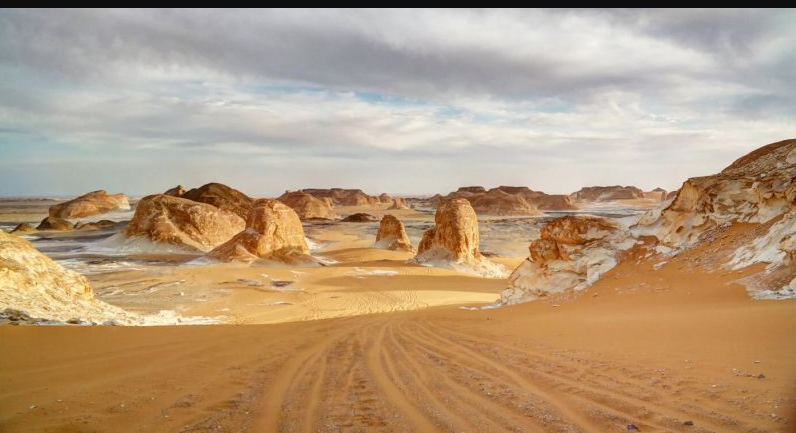
Egypt’s Western Desert covers a huge area and contains several remarkable oases.
Among the most interesting are Bahariya, Farafra, Dakhla, and Kharga.
Each oasis has its own landscape and character. Some feature palm groves and springs, while others are surrounded by dramatic rock formations and expansive sand dunes.
These oases provide important water sources for wildlife. Birds may gather around vegetation and wetlands, while desert mammals move through surrounding areas.
A multi-day journey through Egypt’s Western Desert allows travelers to experience several ecosystems in one trip.
For wildlife enthusiasts, the key is to travel slowly. Spending several nights in different locations increases the chance of observing wildlife and experiencing the landscapes at different times of day.
Best Birds to Look For in Egypt
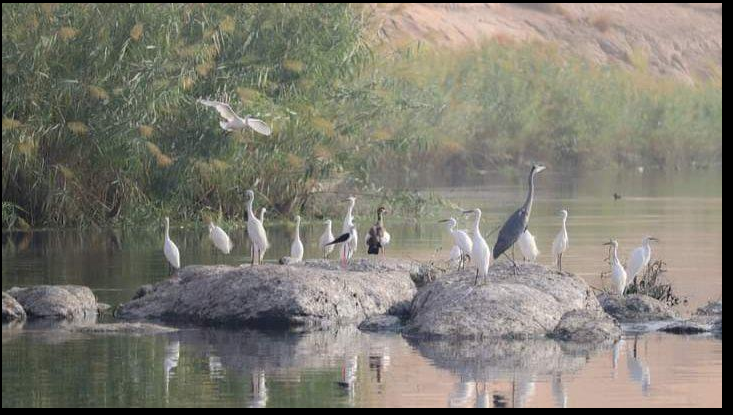
Egypt’s diverse habitats support a wide range of bird species.
The exact species you encounter will depend on your location and the time of year. However, birdwatchers may search for Herons, Egrets, Kingfishers, Flamingos, Pelicans, Storks, Ducks, Waders, Bee-eaters, Hoopoes, Desert larks
Migratory periods can be particularly exciting because additional species may pass through Egypt.
The Nile Valley, Nile Delta, wetlands, lakes, oases, and Red Sea coast all offer different birdwatching opportunities.
For serious birders, keeping a detailed checklist can make the experience even more rewarding.
Best Time for Egypt Wildlife and Birding Tours
The best time for Egypt Wildlife and Birding Tours depends on the region and the species you hope to see.
Generally, the cooler months from autumn through spring are more comfortable for exploring Egypt’s deserts and outdoor attractions.
Bird migration periods can also provide excellent opportunities for birdwatching. During these seasons, many birds travel between breeding and wintering grounds.
Winter is particularly attractive for travelers who want to explore desert regions without the intense summer heat.
Spring can also be rewarding because temperatures gradually increase while migratory activity may remain interesting.
Summer is generally hotter, especially in desert regions. However, coastal destinations along the Red Sea can still be attractive for marine wildlife experiences.
Before booking a birding trip, consider your target species and preferred destinations. A specialist guide can help you choose the best timing.
How to Plan an Egypt Wildlife and Birding Tour
Planning a wildlife-focused trip to Egypt requires more preparation than a standard sightseeing holiday.
Start by deciding which ecosystems interest you most.
If you love birds, consider the Nile Delta, Nile Valley, wetlands, and coastal habitats.
If you prefer desert wildlife, explore the Western or Eastern Desert and the country’s oases.
If marine life interests you, include the Red Sea in your itinerary.
You should also consider how much time you have available. A short trip can focus on one region, while longer holidays can combine several ecosystems.
Hiring a knowledgeable local guide is highly recommended. Guides understand seasonal wildlife patterns and can take you to suitable observation areas.
Early starts are also important. Many birds and mammals are most active during cooler hours.
Finally, pack appropriate equipment. Binoculars, a camera with a suitable lens, sun protection, comfortable walking shoes, and lightweight clothing can make your experience more enjoyable.
Responsible Wildlife Tourism in Egypt
Responsible tourism is essential when exploring natural environments.
Wildlife should always be observed from a respectful distance. Avoid chasing animals or attempting to attract them with food.
Birdwatchers should also avoid disturbing nesting areas.
When visiting wetlands, deserts, and protected areas, follow local regulations and stay on designated routes where required.
Travelers should minimize plastic waste and avoid leaving rubbish behind.
Choosing local guides and responsible tour operators can also contribute to conservation and community development.
The goal of wildlife tourism should be to appreciate nature without damaging the ecosystems that make these experiences possible.
What to Pack for an Egypt Wildlife and Birding Tour
Packing correctly can significantly improve your wildlife experience.
Consider bringing Binoculars, Camera with a telephoto lens, Extra camera batteries, Memory cards, Lightweight, breathable clothing, Comfortable walking shoes, Field guide or bird identification app, Small backpack, Insect repellent, Personal first-aid supplies
Neutral-colored clothing can be useful for wildlife observation because it is less visually distracting.
A good pair of binoculars is particularly important for birdwatching. Many birds remain far from trails or observation points, making optical equipment essential.
Combining Wildlife With Egypt’s Ancient Wonders
One of the greatest advantages of traveling in Egypt is the ability to combine nature with history.
You can visit the Pyramids of Giza before exploring wetlands around the Nile.
You can discover ancient temples in Luxor and then enjoy birdwatching along the river.
You can explore Aswan before traveling toward Lake Nasser.
You can also combine a Red Sea beach holiday with desert wildlife adventures.
This flexibility makes Egypt an excellent destination for travelers who do not want to choose between culture and nature.
A well-designed itinerary can provide a balanced experience that includes archaeology, wildlife, landscapes, local culture, and relaxation.
Why Hidden Natural Wonders Are Worth Exploring
Egypt’s famous monuments attract millions of visitors, but its natural landscapes offer a quieter and often more personal travel experience.
Wildlife tourism encourages travelers to slow down and observe.
Instead of rushing between attractions, you may spend an hour watching birds around a lake or waiting quietly for wildlife in the desert.
These moments can become some of the most memorable parts of your journey.
Exploring lesser-known natural areas also helps distribute tourism beyond the country’s most crowded attractions.
When planned responsibly, nature-based tourism can support local communities and encourage the protection of valuable ecosystems.
Discover a Different Side of Egypt
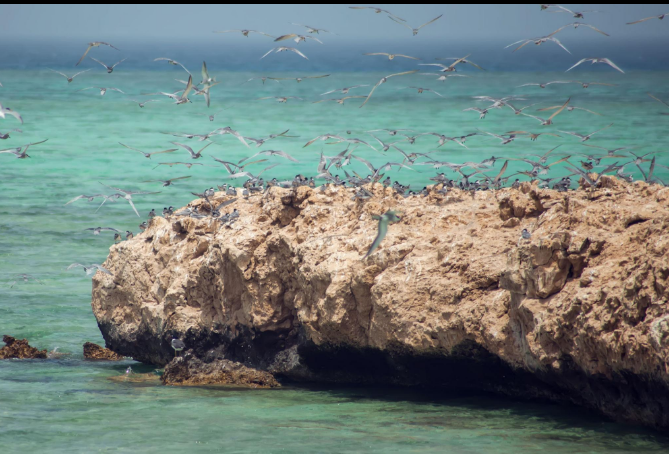
Egypt is much more than ancient pyramids and temples.
Its deserts, wetlands, oases, lakes, mountains, and Red Sea ecosystems reveal a country filled with natural diversity.
Egypt Wildlife and Birding Tours provide an opportunity to discover this hidden side of the destination while experiencing some of its most beautiful landscapes.
From migratory birds in the Nile Delta to desert wildlife in remote oases and colorful marine life beneath the Red Sea, Egypt offers remarkable experiences for nature lovers.
Whether you are a dedicated birder, wildlife photographer, nature enthusiast, or simply an adventurous traveler, exploring Egypt’s hidden natural wonders can add a completely new dimension to your trip.
Consider going beyond the traditional tourist route with Rosamy Africa safaris Tours and Travel ltd. Explore the wetlands, search the deserts, discover the oases, and experience the wildlife that has adapted to one of the world’s most fascinating landscapes.