
Discover Ancient Civilizations
Egypt cultural tours offer travelers an unforgettable opportunity to explore one of the world’s oldest and most fascinating civilizations. From the magnificent Pyramids of Giza to the ancient temples along the Nile River, Egypt is filled with remarkable archaeological treasures, historic cities, and living traditions.
Every destination tells a story about pharaohs, ancient gods, powerful kingdoms, and the people who shaped history thousands of years ago.
A cultural journey through Egypt is more than sightseeing. It allows you to walk through ancient temples, explore fascinating museums, discover traditional markets, and experience the warm hospitality of Egyptian communities.
Whether you are interested in archaeology, history, architecture, religion, or local traditions, Egypt cultural tours provide an enriching way to understand the country’s extraordinary past and vibrant present.
why choose egypt cultural tours?
Egypt has influenced human civilization for thousands of years. Its ancient monuments, temples, tombs, and cities provide a fascinating window into the past. At the same time, modern Egypt offers a rich cultural experience shaped by Arab, African, Mediterranean, and Islamic influences.
One of the biggest advantages of choosing Egypt cultural tours is the variety of experiences available. You can begin your journey in Cairo, where the Great Pyramids stand on the edge of the desert. You can then travel south to Luxor and explore the temples and tombs of ancient Thebes.
A Nile River cruise can connect many of Egypt’s most important historical sites. You can also visit Aswan, explore Nubian culture, and continue to Abu Simbel. In Alexandria, ancient history meets Mediterranean culture, while Islamic Cairo reveals another important chapter of the country’s heritage.
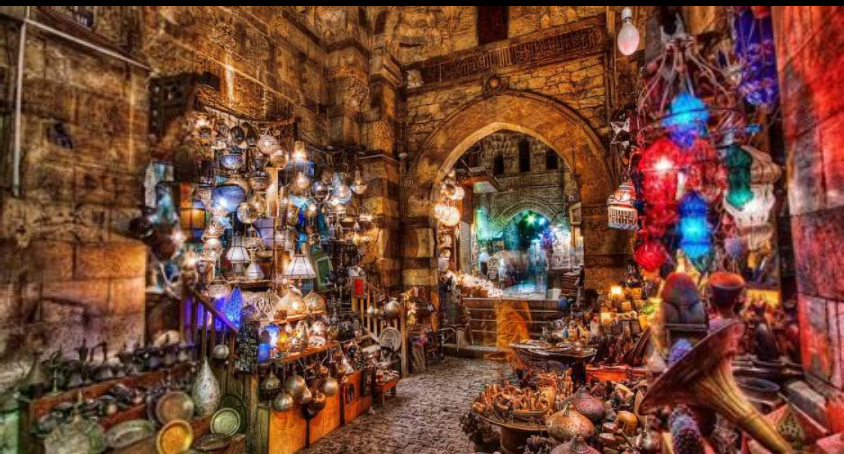
Egypt also offers opportunities to experience everyday life. You can visit traditional souks, taste local food, meet artisans, and learn about customs passed down through generations.
Discover the Pyramids of Giza
No cultural tour of Egypt is complete without visiting the Pyramids of Giza. Located just outside Cairo, these monumental structures are among the most recognizable archaeological sites in the world.
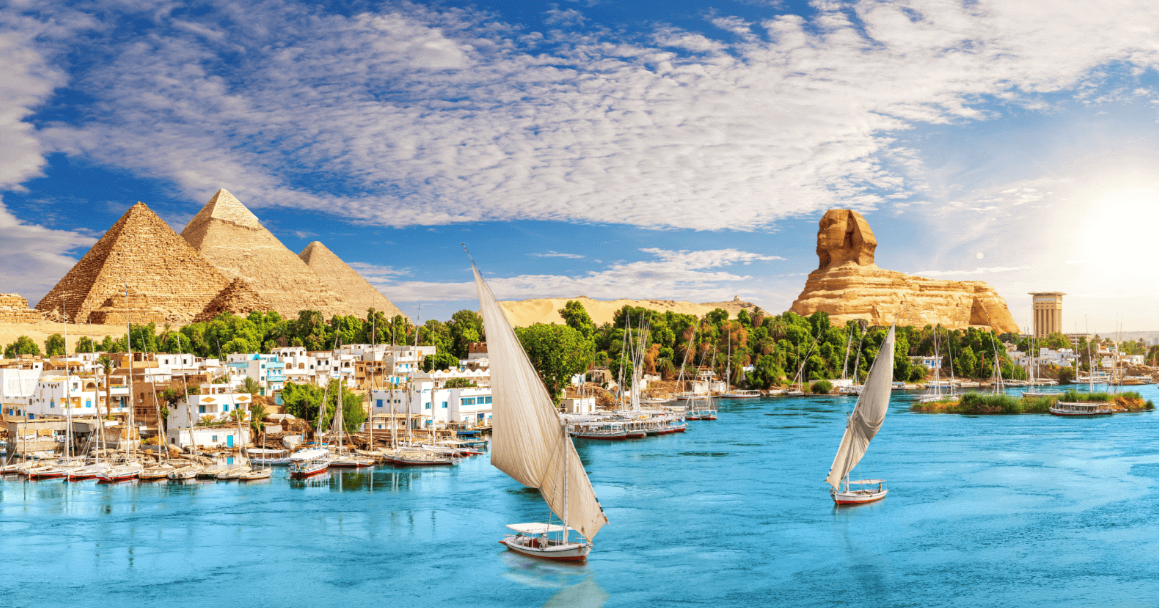
The Giza complex includes the Great Pyramid of Khufu, the Pyramid of Khafre, and the Pyramid of Menkaure. The site also features the Great Sphinx, an enormous limestone statue with the body of a lion and the head of a human.
The Great Pyramid is especially significant because it is the only surviving wonder of the ancient Seven Wonders of the World. Its impressive size and engineering continue to fascinate visitors and researchers.
During your visit, you can walk around the pyramid complex, learn about ancient Egyptian construction techniques, and enjoy panoramic views of the monuments. A knowledgeable local guide can also explain the religious beliefs and traditions connected to the pyramids.
Explore the Ancient Temples of Luxor
Luxor is often described as one of the world’s greatest open-air museums. The city stands on the site of ancient Thebes, which served as an important capital of ancient Egypt.
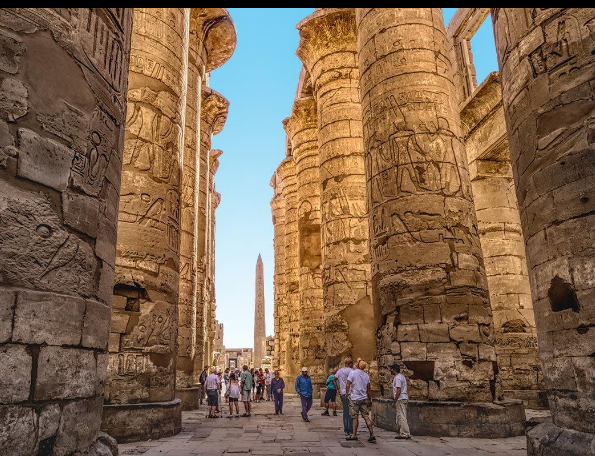
The East Bank is home to impressive landmarks such as Luxor Temple and the vast Karnak Temple Complex. These sites feature enormous columns, statues, obelisks, and detailed hieroglyphics.
Luxor Temple is particularly beautiful in the evening when the monuments are illuminated. Karnak, meanwhile, offers an enormous complex that can take several hours to explore.
On the West Bank, you can discover the Valley of the Kings. This famous archaeological area contains the tombs of numerous pharaohs. The tomb of Tutankhamun is among the most famous, although many other royal tombs are also worth visiting.
The Valley of the Queens, the Temple of Hatshepsut, and the Colossi of Memnon are additional highlights.
A visit to Luxor allows travelers to understand the religious and political importance of ancient Egypt. It is one of the most important stops on many Egypt cultural tours.
Take a Cultural Journey Along the Nile
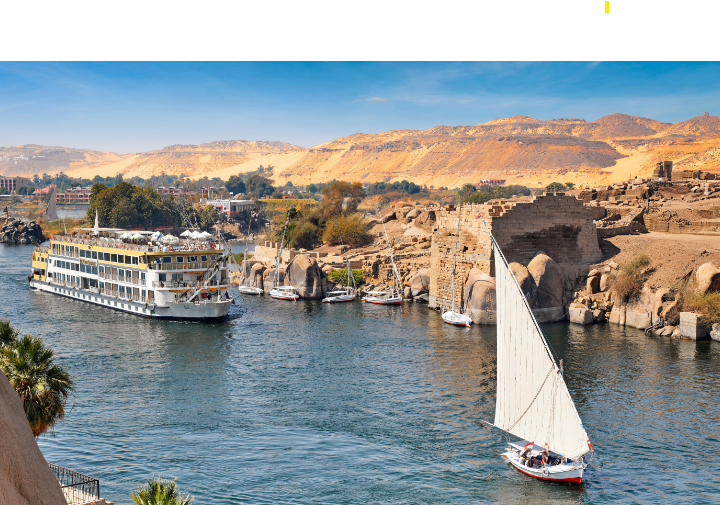
The Nile River has played a central role in Egyptian civilization for thousands of years. Ancient communities depended on its waters for agriculture, transportation, and trade.
Today, a Nile River cruise provides an excellent way to experience Egypt’s cultural heritage. Cruises commonly travel between Luxor and Aswan, stopping at important historical sites along the way.
Depending on your itinerary, you may visit the Temple of Edfu, dedicated to the falcon-headed god Horus. You can also explore Kom Ombo, a unique temple dedicated to two different deities.
The journey itself is part of the experience. As you travel along the Nile, you can observe rural landscapes, agricultural communities, palm trees, and traditional villages.
A Nile cruise combines relaxation with cultural discovery. It also makes it easier to visit several major archaeological attractions during one trip.
Visit the Magnificent Temples of Abu Simbel
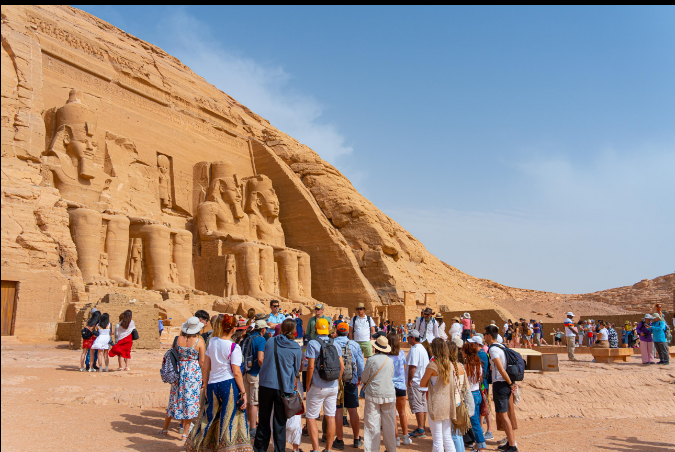
Located in southern Egypt near the border with Sudan, Abu Simbel is one of the country’s most impressive archaeological destinations.
The complex consists of two massive rock cut temples built during the reign of Pharaoh Ramesses II. The Great Temple features enormous statues of the pharaoh at its entrance, while the smaller temple is dedicated to Queen Nefertari.
The temples are famous not only for their architecture but also for their relocation during the 1960s. An international effort moved the monuments to higher ground to protect them from rising waters following the construction of the Aswan High Dam.
This remarkable story adds another layer to the cultural significance of Abu Simbel. Visiting the temples allows travelers to appreciate both ancient Egyptian engineering and modern conservation efforts.
Discover Ancient Egypt at Museums
Museums provide another excellent way to understand Egypt’s ancient civilization. Cairo has long been a major center for Egyptian archaeology and history.
The Grand Egyptian Museum is a major attraction for visitors interested in ancient Egyptian heritage. It provides a modern setting for exploring an extensive collection of artifacts and archaeological treasures.
The Egyptian Museum in central Cairo is also historically important. Its collections include statues, jewelry, mummies, and other objects that reveal the complexity of ancient Egyptian life.
Museums can help visitors understand the stories behind the monuments they see during their travels. After visiting the pyramids or temples, seeing artifacts in a museum can provide additional context about the people who created them.
For history enthusiasts, adding museum visits to Egypt cultural tours creates a deeper and more complete experience.
Experience Islamic and Coptic Cairo
Egypt’s cultural heritage extends far beyond the ancient pharaohs. Cairo is also home to centuries of Islamic and Christian history.
Islamic Cairo is known for its historic mosques, madrasas, gates, and traditional architecture. Visitors can explore the area around Al-Muizz Street, where historic buildings and lively markets create a fascinating atmosphere.
The Citadel of Cairo is another important landmark. From its elevated position, visitors can enjoy views across the city while learning about Egypt’s medieval history.
Coptic Cairo offers another perspective. The area contains historic churches and religious landmarks connected to Egypt’s Christian heritage. The Hanging Church is among the best-known attractions.
Exploring these areas demonstrates how Egypt’s cultural identity has developed over thousands of years. Ancient Egyptian, Christian, Islamic, Arab, African, and Mediterranean influences have all contributed to the country’s unique character.
Explore the Historic City of Alexandria
Alexandria offers a different cultural experience from Cairo and Luxor. Located on Egypt’s Mediterranean coast, the city was founded by Alexander the Great and became a major center of learning and culture in the ancient world.
One of Alexandria’s most famous historical attractions is the Bibliotheca Alexandrina, a modern library and cultural center inspired by the ancient Library of Alexandria.
The city also has important archaeological sites, including the Catacombs of Kom El Shoqafa and the remains of ancient Roman structures.
Alexandria’s Mediterranean atmosphere makes it a pleasant addition to a cultural itinerary. Visitors can explore historic landmarks, enjoy seafood, walk along the Corniche, and experience a different side of Egyptian life.
For travelers who want to combine ancient history with coastal culture, Alexandria is a worthwhile destination.
Experience Nubian Culture in Aswan
Aswan is one of the most scenic destinations in southern Egypt. The city is known for its location along the Nile, beautiful landscapes, and strong Nubian cultural heritage.
A visit to a Nubian village provides an opportunity to learn about local traditions, architecture, food, music, and daily life. Many Nubian communities have preserved distinctive cultural practices despite major changes in the region.
Travelers can take a boat across the Nile, explore colorful villages, and interact with local communities. These experiences provide a more personal perspective on Egyptian culture.
Aswan is also an excellent base for visiting Philae Temple. Located on an island, the temple complex is dedicated primarily to the goddess Isis and offers an impressive combination of history and scenery.
Explore Egyptian Markets and Traditional Souks
Cultural travel is not only about ancient monuments. Egypt’s markets provide a lively introduction to everyday life.
In Cairo, Khan El Khalili is one of the country’s most famous traditional markets. Visitors can browse shops selling spices, jewelry, textiles, perfumes, souvenirs, and handcrafted products.
Walking through the market allows you to experience the sounds, scents, and energy of Cairo. It is also an opportunity to interact with local shopkeepers and discover traditional Egyptian craftsmanship.
When shopping in local markets, respectful bargaining is often part of the experience. Travelers should also take time to explore beyond the main tourist streets and discover smaller shops and local businesses.
Including a market visit in Egypt cultural tours helps connect ancient history with modern Egyptian culture.
Taste Traditional Egyptian Cuisine
Food is an important part of cultural discovery. Egyptian cuisine reflects the country’s geography and long history of cultural exchange.
One of the most popular dishes is koshari, a filling combination of rice, pasta, lentils, chickpeas, tomato sauce, and crispy onions. Ful medames, made from cooked fava beans, is another common Egyptian dish.
Travelers can also try ta’ameya, an Egyptian version of falafel traditionally prepared using fava beans. Fresh bread, grilled meats, seafood, and vegetable dishes are also widely available.
Desserts such as basbousa and konafa provide a sweet ending to many meals.
Food tours, cooking classes, and visits to local restaurants can add a memorable dimension to your journey. Trying traditional dishes allows you to experience Egypt through its flavors and culinary traditions.
Learn About Ancient Egyptian Religion
Religion was central to ancient Egyptian civilization. The Egyptians worshipped many gods and goddesses, each associated with different aspects of life and nature.
Major deities included Ra, the sun god; Osiris, associated with the afterlife; Isis, connected with motherhood and magic; and Horus, often represented with the head of a falcon.
Many temples were built as places of worship and contained detailed carvings depicting religious ceremonies, rulers, and mythological stories.
Understanding ancient Egyptian religion can make visits to temples and tombs more meaningful. Guides can explain the symbolism behind the artwork and help visitors understand how religious beliefs influenced architecture and daily life.
Discover Egyptian Art and Hieroglyphics
Ancient Egyptian art is one of the most recognizable artistic traditions in history. Visitors can see paintings, carvings, statues, and hieroglyphics throughout the country’s temples and tombs.
Hieroglyphics were used to record religious texts, historical events, names, and offerings. The writing system included symbols representing objects, sounds, and ideas.
Many temples feature beautifully preserved inscriptions. These provide valuable information about ancient rulers, religious beliefs, and important events.
A cultural tour with an experienced guide can help travelers understand these symbols and their historical significance.
Best Time for Egypt Cultural Tours
Egypt can be visited throughout much of the year, but the cooler months are generally more comfortable for sightseeing.
The period from October to April is often popular because temperatures are more pleasant, especially when exploring outdoor archaeological sites.
Summer can be extremely hot, particularly in Luxor, Aswan, and the desert regions. However, travelers visiting during the warmer months can still enjoy cultural attractions by planning sightseeing during the cooler parts of the day.
If you plan to visit multiple destinations, consider the climate of each region. Cairo, the Nile Valley, the Red Sea coast, and southern Egypt can have different weather conditions.
How to Plan Your Egypt Cultural Tour
Planning your itinerary carefully can help you make the most of your time.
Start by deciding which aspects of Egyptian culture interest you most. History enthusiasts may prioritize Cairo, Giza, Luxor, and Abu Simbel. Travelers interested in living traditions may want to spend more time in Aswan and Nubian communities.
A typical cultural itinerary might begin in Cairo before continuing to Luxor by flight or other transport. You can then take a Nile cruise toward Aswan and finish with a visit to Abu Simbel.
Another option is to combine cultural attractions with relaxation on the Red Sea coast. After exploring ancient monuments, you can enjoy the beaches and marine activities of destinations such as Hurghada or Sharm El Sheikh.
When planning your trip, consider booking accommodation, transportation, guides, and entrance tickets in advance, especially during busy travel periods.
What to Pack for an Egypt Cultural Tour
Packing appropriately can make your cultural adventure more comfortable.
Lightweight clothing is useful during warmer months, while layers are helpful during cooler evenings. Comfortable walking shoes are essential because many archaeological sites involve extensive walking over uneven surfaces.
A hat, sunglasses, sunscreen, and a reusable water bottle can help during outdoor sightseeing.
When visiting religious sites, modest clothing is recommended. Women may also want to carry a scarf for visits to certain religious locations.
A camera or smartphone is useful for capturing memories, but always follow local rules regarding photography.
Travel Responsibly and Respect Local Culture
Responsible tourism is an important part of any cultural journey. Travelers should respect local customs, religious traditions, and community practices.
Dress modestly when visiting religious sites and ask permission before photographing local people. Avoid touching or climbing on ancient monuments unless specifically permitted.
Supporting local guides, artisans, restaurants, and small businesses can also help tourism contribute to local communities.
Most importantly, approach cultural experiences with curiosity and respect. Egypt’s heritage belongs not only to history but also to the people who continue to preserve and celebrate it today.
Why Egypt Is Perfect for Cultural Travelers
Egypt offers an extraordinary combination of ancient history, architecture, religion, food, art, and living traditions. Few destinations provide the opportunity to explore monuments that are thousands of years old while also experiencing a vibrant modern culture.
From the pyramids of Giza to the temples of Luxor, from the markets of Cairo to the Nubian villages of Aswan, every destination offers a different perspective.
The diversity of experiences makes Egypt cultural tours ideal for travelers who want more than a traditional holiday. They provide opportunities to learn, explore, interact, and gain a deeper appreciation of one of the world’s most influential civilizations.
Frequently Asked Questions About Egypt Cultural Tours
How many days do I need for an Egypt cultural tour?
A minimum of 7 to 10 days allows travelers to experience Cairo, Giza, Luxor, and Aswan. Longer trips can include Abu Simbel, Alexandria, or a Red Sea extension.
What are the most important cultural attractions in Egypt?
The Pyramids of Giza, Great Sphinx, Egyptian museums, Karnak Temple, Luxor Temple, Valley of the Kings, Abu Simbel, Philae Temple, Islamic Cairo, and Nubian villages are among the major cultural highlights.
Is Egypt suitable for first time cultural travelers?
Yes. Egypt offers a wide range of organized tours and guided experiences. A professional local guide can make it easier to understand historical sites and navigate between destinations.
Can I combine cultural tours with a Nile cruise?
Yes. Nile cruises are one of the most popular ways to combine sightseeing with travel between Luxor and Aswan. They allow visitors to explore several important temples along the river.
What should I wear when visiting cultural sites?
Lightweight and comfortable clothing is suitable for most sightseeing. Modest clothing is recommended when visiting mosques, churches, and other religious sites.
Start Your Egypt Cultural Adventure
Egypt is a destination where history comes alive. You can stand before the Pyramids of Giza, walk beneath the columns of Karnak, explore ancient tombs in Luxor, sail along the Nile, and discover the traditions of Nubian communities.
With carefully planned Egypt cultural tours, you can experience the country’s ancient civilizations while also discovering its modern cities, local cuisine, markets, and vibrant communities.
Whether you are fascinated by pharaohs, ancient architecture, archaeology, religion, or local traditions, Egypt offers countless opportunities for discovery. Plan your journey, explore beyond the famous landmarks, and allow yourself time to experience the stories and cultures that make Egypt one of the world’s most remarkable travel destin ations with Rosamy Africa Safaris Tours and Travel.