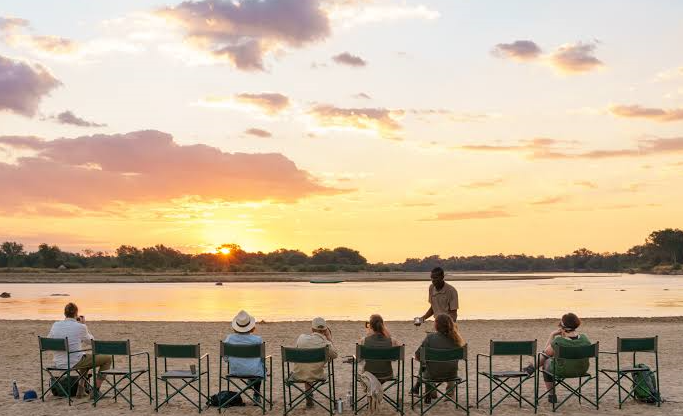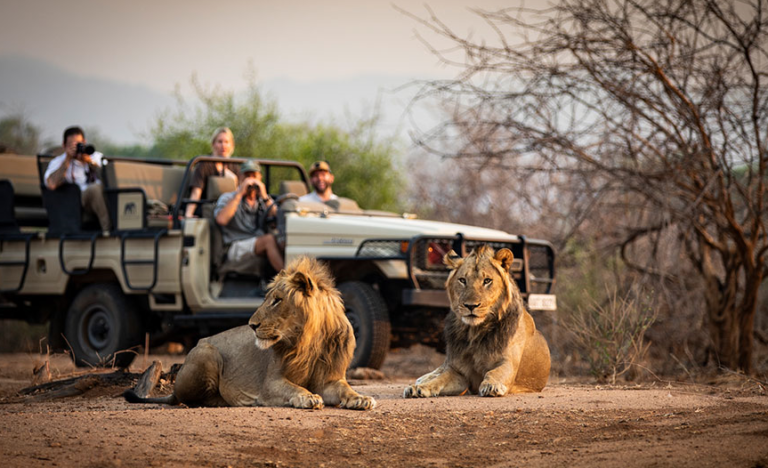
Choosing between an East Africa vs Southern Africa safari is often the first, and hardest, decision a first-time safari traveler has to make. Both regions offer world-class wildlife, but they deliver very different experiences: different landscapes, different wildlife highlights, different costs, and different logistics for getting around once you’re there. There’s no universally “better” option, the right answer depends entirely on what you want to see and how you want to travel. This guide breaks down the real differences in an East Africa vs Southern Africa safari, so you can choose the region that actually fits your priorities rather than guessing.
The Short Answer
If you want the classic, open-plains safari image, vast herds, the wildebeest migration, and gorilla trekking as an add-on, East Africa (Kenya, Tanzania, Uganda, Rwanda) is generally the stronger fit. If you’re drawn to varied landscapes, walking safaris, canoe and boat-based game viewing, and a slightly more exclusive, lodge-driven style of travel, Southern Africa (Botswana, Zambia, Namibia, South Africa, Zimbabwe) tends to deliver that better. Most seasoned safari travelers eventually visit both, but for a first trip, the details below will help you decide which region to prioritize.
Wildlife and Signature Experiences
East Africa
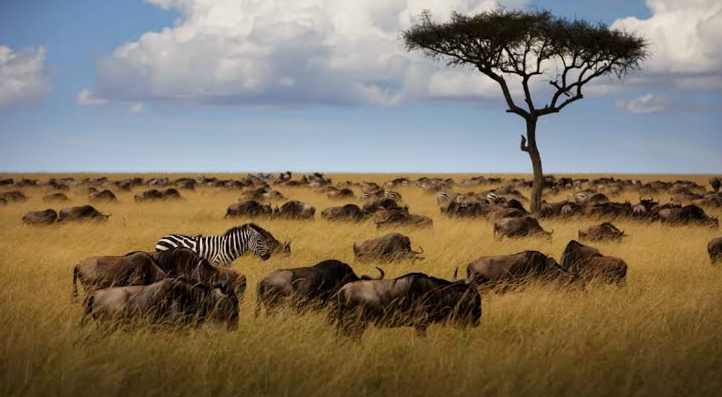
East Africa is built around the classic safari experience: enormous, open savannah landscapes, dense predator populations, and the Great Migration, when roughly two million wildebeest and zebra move between Kenya’s Maasai Mara and Tanzania’s Serengeti in search of grazing. Uganda and Rwanda add an entirely different draw, mountain gorilla trekking through dense, high-altitude rainforest, an experience unlike anything found further south.
Southern Africa
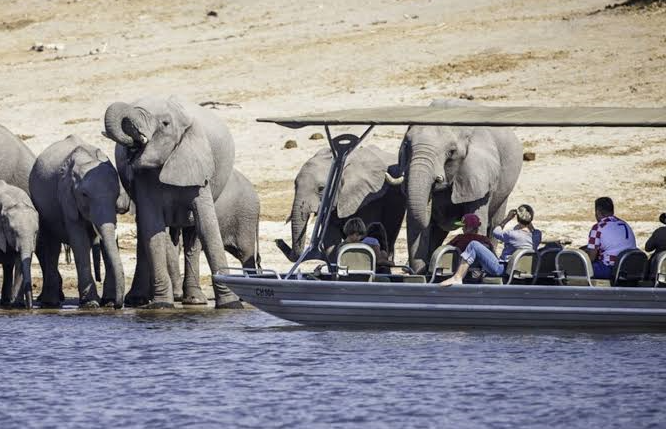
Southern Africa trades some of East Africa’s sheer animal density for landscape variety and a more intimate style of wildlife viewing. Botswana’s Okavango Delta offers mokoro canoe safaris through flooded wetlands; Zambia is the birthplace of the modern walking safari; Namibia delivers desert-adapted wildlife against dramatic dune and desert scenery; and Chobe National Park in Botswana holds one of the largest elephant populations on the continent, concentrated along the Chobe River.
Landscape and Scenery
East Africa is defined by open, rolling savannah, the image most people picture when they think “safari”, punctuated by iconic features like Kilimanjaro and the Ngorongoro Crater. Southern Africa is far more varied: the Okavango Delta’s wetlands, Namibia’s towering red dunes, Victoria Falls’ thundering gorge, and the dense woodland of South Luangwa all sit within the same broad region, offering more dramatic contrast within a single trip.
Cost and Value
Generally speaking, East Africa offers a wider range of price points, from budget mobile camping safaris to high-end luxury camps, making it more accessible for travelers on varied budgets. Southern Africa, particularly Botswana, tends to run more exclusively upmarket, with a high-value, low-volume model that limits visitor numbers in favor of a more private, less crowded experience, which comes at a correspondingly higher price. Zambia and parts of Namibia offer more mid-range options within Southern Africa, but the region as a whole skews toward a more premium, lodge-based travel style.
Getting Around: Logistics and Travel Style
East Africa’s parks are generally well connected by both road and short regional flights, making multi-country combinations, such as pairing Kenya with Uganda or Rwanda, relatively straightforward. Southern Africa often involves more light-aircraft transfers between remote camps, particularly in Botswana and parts of Zambia, since many of the best wildlife areas sit far from paved roads. This isn’t necessarily a downside, flying between camps is often part of the appeal, but it does affect trip cost and structure.
Best Time to Visit
Both regions have distinct dry and wet seasons that affect wildlife viewing. East Africa’s dry season (roughly June to October) aligns with the Great Migration’s river crossings in the Mara, while Southern Africa’s dry season (May to October) concentrates wildlife around rivers and waterholes in places like Chobe and Etosha. Neither region has a single “best” month across the board, timing depends on which specific experience, like a river crossing or a Delta mokoro trip, you’re most interested in. For a broader look at conservation status and wildlife trends across the continent, the IUCN’s African wildlife resources offer useful background reading.
Which Should You Choose for Your Style of Travel?
If you’re deciding on your first-ever safari, consider what you value most:
- Want the classic wildebeest-and-lion safari image, plus the option of gorilla trekking? East Africa is the stronger choice.
- Want quieter, more exclusive camps and a wider variety of landscapes and activities like walking and canoeing? Southern Africa tends to deliver more of that.
- Traveling on a tighter budget? East Africa generally offers more accessible price points.
- Want a more premium, low-density experience and don’t mind paying for it? Southern Africa, particularly Botswana, is built around exactly that model.
For travelers weighing not just region but also travel style within either area, it’s worth understanding how luxury and mid-range safaris actually differ in practice. For a Southern Africa preview, read Luxury vs Mid-Range Safaris: What’s the Difference?, which breaks down what changes in comfort, exclusivity, and price as you move up in safari tier.
You Don’t Necessarily Have to Choose
It’s also worth noting that an East Africa vs Southern Africa safari isn’t always an either-or decision. Many experienced safari travelers eventually do both, often on separate trips a few years apart, since the two regions genuinely complement rather than duplicate each other. If budget and time allow, treating this as “which region first” rather than “which region ever” can take some of the pressure off the decision.
Final Thoughts
There’s no single right answer in the East Africa vs Southern Africa safari debate, both regions offer world-class wildlife experiences, just built around different landscapes, price points, and travel styles. East Africa tends to suit travelers chasing the classic savannah image and flexible budgets, while Southern Africa rewards those drawn to landscape variety, more exclusive camps, and alternative ways of experiencing the bush, from mokoro canoes to walking safaris.
Not sure which region fits your trip? Get in touch with Africa Safari Tours and we’ll help you match the right destination to your priorities, budget, and travel dates.